






toleranční modlitebna na Hořením Konci Church
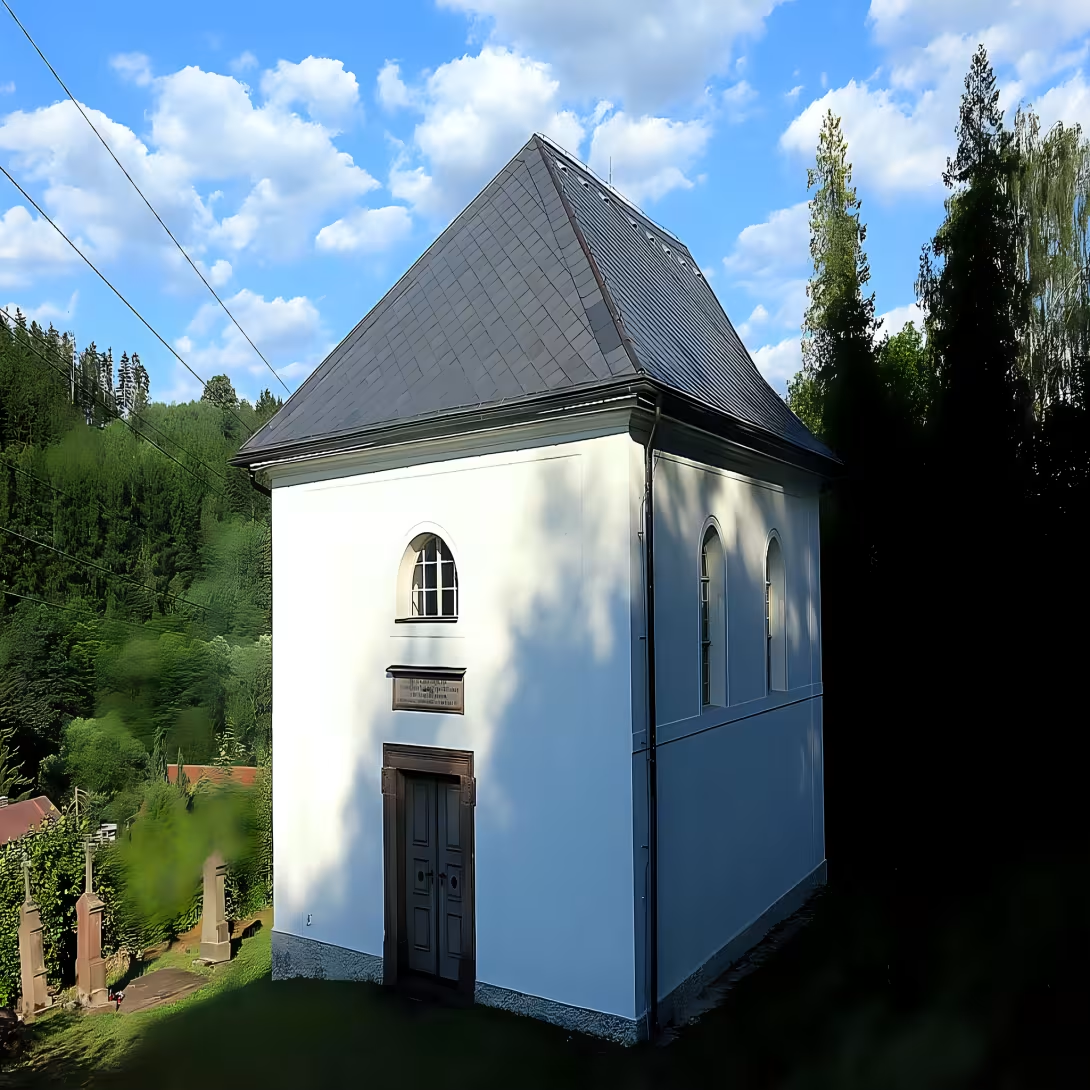
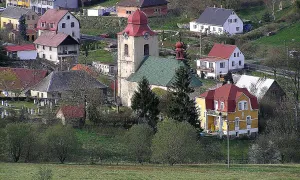
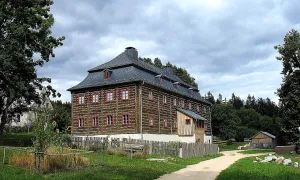
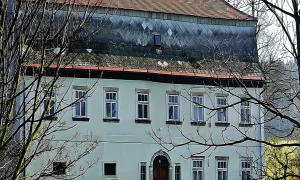
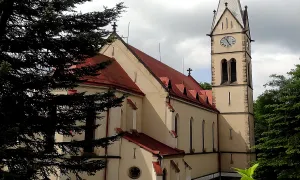
The Toleranční Modlitebna na Hořením Konci is an Evangelical church in Libštát, within the Liberecký kraj region of the Czech Republic. Built after Joseph II's Patent of Toleration in 1781, it symbolizes a period of religious freedom and diversity in Bohemia. The foundation stone was laid on July 19, 1786, and consecrated on June 17, 1787. Notable for its rural Baroque architecture, the church reflects significant community involvement during construction.
The origins trace back to the late 16th century when Evangelical traditions thrived in Libštát despite Catholic ownership by figures like Adam z Vartenberka, who opposed King Jiří z Poděbrad. Protestant faith persisted through adversity, including a 1624 decree expelling non-Catholic clergy from the region. The community's resilience was evident as they maintained their beliefs with limited resources and proximity to Protestant Silesia. This enduring spirit set the stage for the church’s establishment after the Patent of Toleration allowed greater religious freedom.
The architecture reflects rural Baroque influences, prevalent in late 18th-century Bohemia. Construction involved significant contributions from local community members and donations from nobility, notably Count Trautmannsdorf who donated timber. This collaborative effort underscores the communal spirit and resourcefulness of the time.
Throughout its history, the church has seen various administrative changes and developments. After its consecration in 1787, a modest parsonage was built nearby in 1789 with financial support from local evangelicals like Jiří Opočenský. The shared use of the church between different Protestant denominations ended in the 1820s, leading to separate places of worship. Over time, several pastors served this community, including notable figures such as Jan Csomor and Emanuel Havelka.
Key events include its role during periods of religious reform and political tension. In 1918, the merging of Protestant congregations into the Českobratrská církev evangelická marked a significant unification under one church body. The site also witnessed resistance against communist repression in 1975 when local clergy faced police intervention due to their non-conformist activities.
Today, Toleranční Modlitebna na Hořením Konci is preserved as a cultural monument and continues to serve the Evangelical community in Libštát. Its historical significance and architectural beauty make it an important site for visitors interested in Bohemia's rich religious heritage. The church, along with its bell tower and cemetery, offers a glimpse into the past while remaining a vibrant part of local spiritual life. This monument stands as a symbol of tolerance and community resilience, inviting those who appreciate history to explore its storied walls.
Then and now
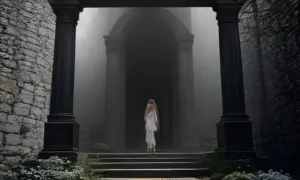
Drag the slider to compare how the landmark may have looked when it was built with the view today.
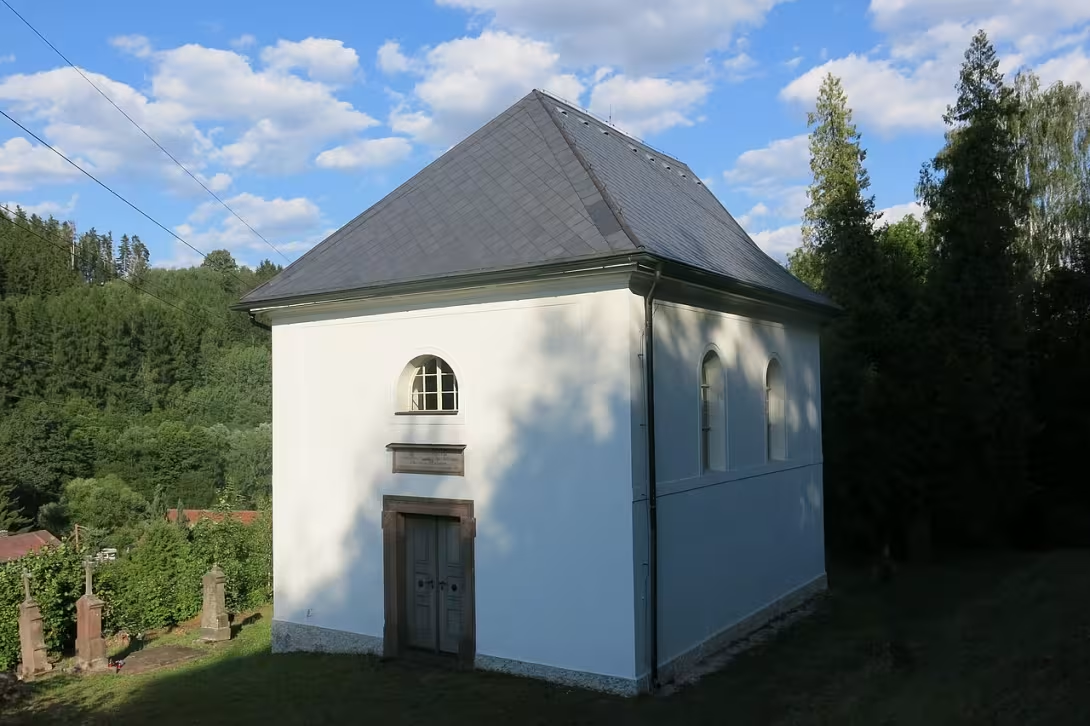

The historical appearance on the left is an AI-generated visualisation and serves as inspiration only.
Historical milestones
- 1781
- Issuance of Joseph II's Patent of Toleration.
- 1786
- Foundation stone laid for the church.
- 1787
- Church consecrated.
Architectural development
The Toleranční Modlitebna na Hořením Konci was constructed with contributions from local community members and generous donations from the nobility. Notably, Count Trautmannsdorf donated timber for its construction. The church features rural Baroque architecture, reflecting both religious and cultural influences of the late 18th century.
Historical events
In 1781, Joseph II issued the Patent of Toleration, allowing greater religious freedom in Bohemia.
The foundation stone for the church was laid on July 19, 1786, and it was consecrated on June 17, 1787.
Points of interest
- The Toleranční Modlitebna's construction was significantly supported by Count Trautmannsdorf, who donated timber, highlighting the involvement of nobility in promoting religious freedom during this era.
- Despite Catholic ownership and opposition from figures like Adam z Vartenberka, Evangelical traditions persisted in Libštát since the late 16th century, demonstrating the community's resilience under restrictive conditions.
- The church was originally a shared place of worship for different Protestant denominations until the 1820s when separate places of worship were established, reflecting evolving religious dynamics within the community.
- In 1975, local clergy at Toleranční Modlitebna faced police intervention due to their resistance against communist repression, marking it as a site of political and spiritual defiance during a tense period in Czech history.
- The merging of Protestant congregations into the Českobratrská církev evangelická in 1918 at this church marked a significant unification under one church body, illustrating its central role in religious reform movements.
Guide
This guide is narrated by a synthetic voice generated by artificial intelligence.
Show guide text
This text was created by artificial intelligence and has not been editorially reviewed. It may contain inaccuracies.
Welcome to the Toleranční Modlitebna na Hořením Konci in Libštát, a remarkable site that whispers tales of religious freedom and diversity from centuries past. As you stand here, take a moment to absorb the serene rural landscape surrounding this Evangelical church. Its Baroque elements subtly blend with the natural beauty, creating an atmosphere both tranquil and profound.
This church's story begins in 1781, following the issuance of Joseph II's Patent of Toleration. This pivotal document marked a new era for religious freedom in Bohemia, allowing Protestant communities to flourish amidst Catholic dominance. The Toleranční Modlitebna was conceived as a sanctuary for these newly freed believers, with its foundation stone laid in 1786 and consecrated just a year later, in 1787.
As you look around, notice the rural Baroque architecture that characterizes this church. While specific architectural details aren't outlined here, imagine the harmonious blend of form and function designed to welcome worshippers from all walks of life. The structure stands as a testament not only to religious tolerance but also to the community's resilience and faith.
Central to the story of this place is Joseph II himself, whose vision for a more tolerant society paved the way for its construction. Yet, it was Count Trautmannsdorf who played a crucial role in bringing this vision to life by donating timber for the church's building—a gesture highlighting the noble support that often underpinned such acts of religious freedom.
Despite its peaceful purpose, the Toleranční Modlitebna faced opposition from figures like Adam z Vartenberka. Nevertheless, it stands today as a symbol of perseverance and unity in diversity, reflecting the complex tapestry of Bohemia's religious history.
A fascinating aspect to ponder is how this church, despite Catholic ownership, became a beacon for Protestant worshipers. It represents an intriguing intersection of faiths during a time when such coexistence was rare.
As we conclude our visit here at the Toleranční Modlitebna na Hořením Konci, I invite you to reflect on its rich history and the ideals it embodies. Let this place inspire you to explore further, not just around Libštát but within the stories of tolerance and understanding that shape our world. Thank you for joining me today, and may your journey through history continue with curiosity and wonder.
Frequently asked questions
Can the monument be visited?
Religious buildings are usually open mainly during services; at other times a visit is normally arranged with the parish or the operator. We have not verified specific times.
Where is the monument?
Location: Libštát, Liberecký kraj. The map on this page shows the exact spot.
Why is the monument protected?
It is listed in the Central List of Cultural Monuments of the Czech Republic as a cultural monument. It is protected as part of a larger listed ensemble.
Businesses nearby
Do you run a restaurant, accommodation, shop, museum, rental, wellness or other visitor service near this monument? Show yourself directly to the people heading to it — this is how they will see you in the app and on the web:
Accommodation nearby
Themed route
Tematická výletní trasa: Toleranční modlitebna na Hořením Konci a okolí Libštát
1. Toleranční modlitebna (Kostel) - Typ: Náboženská památka - Proč stojí za návštěvu: Tato jedinečná toleranční modlitebna je známá svým historickým významem jako místo, kde se různé náboženské komunity setkávaly a sdílely. Je to připomínka dědictví tolerance a spolupráce ve střední Evropě.
2. Libštát (Obec) - Typ: Městské centrum - Proč stojí za návštěvu: Navštivte historické město Libštát, kde si užijete klidné uličky a příležitost prozkoumat místní architekturu. Město nabízí pohled do života v regionu s jeho bohatým kulturním pozadím.
3. Liberecký kraj (Regionální okolí) - Typ: Region - Proč stojí za návštěvu: I když je to širší oblast, Liberecký kraj nabízí příležitost prozkoumat místní kulturu a historii. Objeďte okolní vesnice a užijte si pohledy na horské krajinu, která charakterizuje tento region České republiky.
4. Areál kostela (Nádvoří) - Typ: Historický areál - Proč stojí za návštěvu: Objeďte okolní nádvoří a zahrady, kde si užijete klidné chvíle v přírodě. Tento prostor nabízí pohled na architektonické detaily kostela a je ideálním místem pro relaxaci po návštěvě samotného objektu.
Tato trasa kombinuje historii, kulturu a přírodní krásu regionu Libereckého kraje, což vytváří harmonickou zkušenost pro každého návštěvníka.
Seasonal recommendations
Spring: The Tolerance Church on Hořený Konec greets visitors with a vibrant display of spring blooms, as wildflowers and budding trees create a picturesque backdrop that enhances the church's historical charm. This season is perfect for appreciating nature’s awakening, with gentle sunlight casting soft shadows through stained glass windows, adding to the serene atmosphere. Visitors are advised to dress in layers due to fluctuating temperatures and consider arriving early in the day to avoid larger crowds as spring tourism begins to pick up.
Summer: During summer, the Tolerance Church is bathed in long daylight hours, offering an ideal setting for exploring its architectural beauty under clear skies. The lush greenery surrounding the site enhances the tranquil ambiance, making it a popular spot for both locals and tourists. To fully enjoy your visit, consider arriving early to avoid peak tourist times, and wear comfortable footwear as you explore the area's natural trails.
Autumn: Autumn transforms Hořený Konec into a tapestry of warm colors with its rich palette of reds, oranges, and yellows. The crisp air and soft lighting create an enchanting atmosphere that complements the church’s historical aura. This is an excellent time for photography enthusiasts to capture stunning landscapes. Visitors should dress warmly in layers and be prepared for shorter daylight hours by planning their visit accordingly.
Winter: In winter, the Tolerance Church presents a serene, almost magical appearance as snow blankets the landscape, creating a quiet and reflective atmosphere. The church’s architecture is particularly striking against the stark white backdrop, with its intricate details highlighted under the soft glow of winter sunlight.
Visualizations and artistic views


The visualisations are generated by artificial intelligence and serve as inspiration.
Photos from the area
Real photos taken near the monument


Zdroj a licence jsou uvedeny u každého snímku.
Tips from visitors
No tips yet. Be the first!
Log in and add your tip.
Sources and literature
Photos: Barocco7 / CC BY-SA 4.0, rozlišení zvýšeno umělou inteligencí — Wikimedia Commons. The author and licence also appear when you hover over the image.
Faktickým podkladem tohoto textu byl článek na Wikipedii, jehož autory jsou přispěvatelé Wikipedie. Článek je dostupný pod licencí CC BY-SA 4.0.
Location on the map
Příběhy a pověsti
Legendy, pověsti a příběhy spjaté s touto památkou
Fotografie návštěvníků
Zatím žádné fotografie. Buďte první, kdo přidá fotografii z návštěvy!
Log in a přidejte svou fotografii nebo hodnoťte.
Za ověřenou návštěvu v aplikaci získáte víc bodů — poznáme podle GPS, že jste na místě.
Reviews and comments