



Tyršův most (Hradec Králové) Bridge
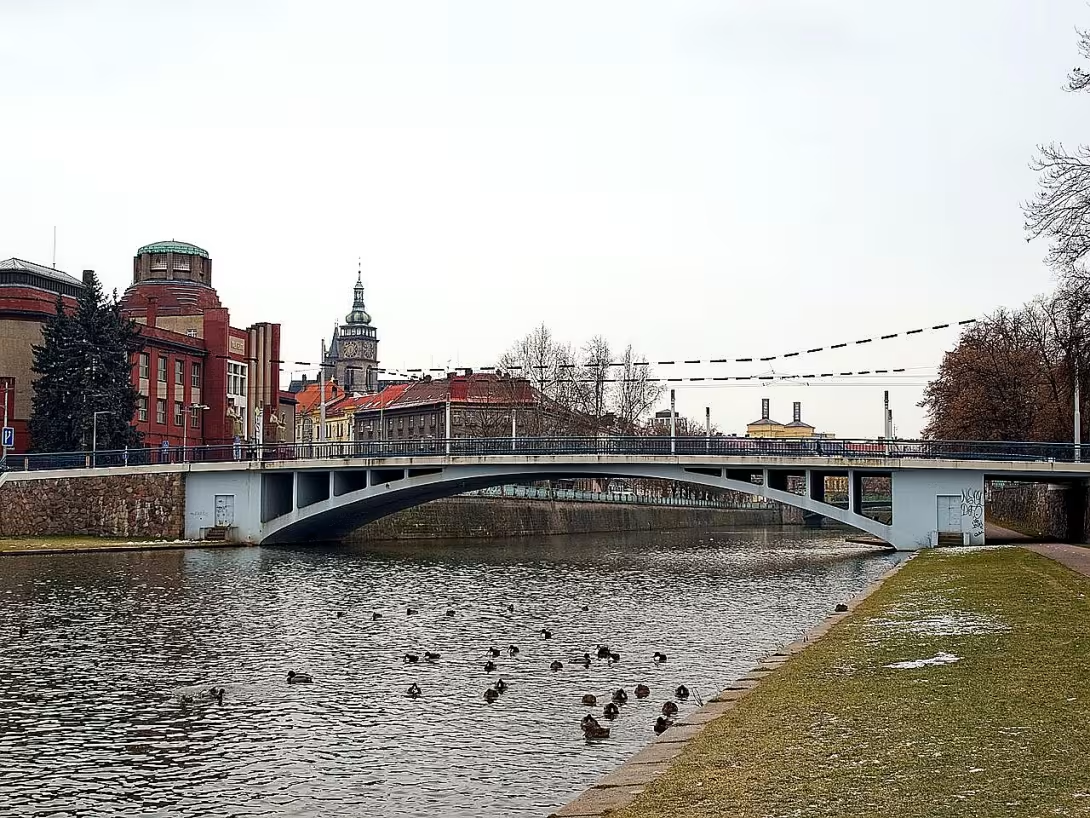
Tyršův most is a functionalist bridge spanning the Elbe River in Hradec Králové, Czech Republic. Constructed between 1932 and 1933, it connects the local Sokol hall with the historic Museum of East Bohemia building. Named after Dr. Miroslav Tyrš, co-founder of Sokol, this bridge is a notable example of functionalist architecture in the region. Its construction reflects a period of architectural innovation during Czechoslovakia's post-World War I recovery.
The origins of Tyršův most date back to the early 1930s when Czechoslovakia faced political and economic challenges. Designed by Ing. Dr. Fifka and Ing. Moravec from the Prague firm Fifka and Moravec, the bridge underwent modifications by Josef Gočár. Construction began in August 1932 and concluded with a ceremonial opening on June 25, 1933. Notable figures such as then-mayor Josef V. B. Pilnáček and minister Jan Dostálek attended this event, highlighting its community significance.
Architecturally, Tyršův most exemplifies functionalism through its streamlined design and practical construction. The bridge measures 60 meters in length with a span of 40 meters between piers, while its foundations are set 5 meters below the Elbe's water level. Constructed by approximately 300 workers, it stands as a testament to early 20th-century engineering prowess.
Throughout its history, Tyršův most has witnessed significant events. In April 1945, during World War II, German forces mined both ends of the bridge near the museum side and constructed a tank barrier from granite blocks. Despite these wartime alterations, the bridge remained an integral part of Hradec Králové's infrastructure.
Today, Tyršův most continues to be a focal point in the cityscape of Hradec Králové. It is annually featured in the 'Mezi Mosty' boat race for middle schools, held between Prague Bridge and Tyršův most, adding to its cultural significance. The bridge's proximity to the local Sokol hall and the Museum of East Bohemia enhances its appeal as a historical landmark.
Visitors today can appreciate Tyršův most not only for its architectural elegance but also for its rich history. Its role in both peaceful community events and wartime activities underscores its importance in Czech heritage. As such, it remains a must-visit site for those interested in exploring the intersection of architecture, history, and culture in Hradec Králové.
Then and now
Drag the slider to compare how the landmark may have looked when it was built with the view today.
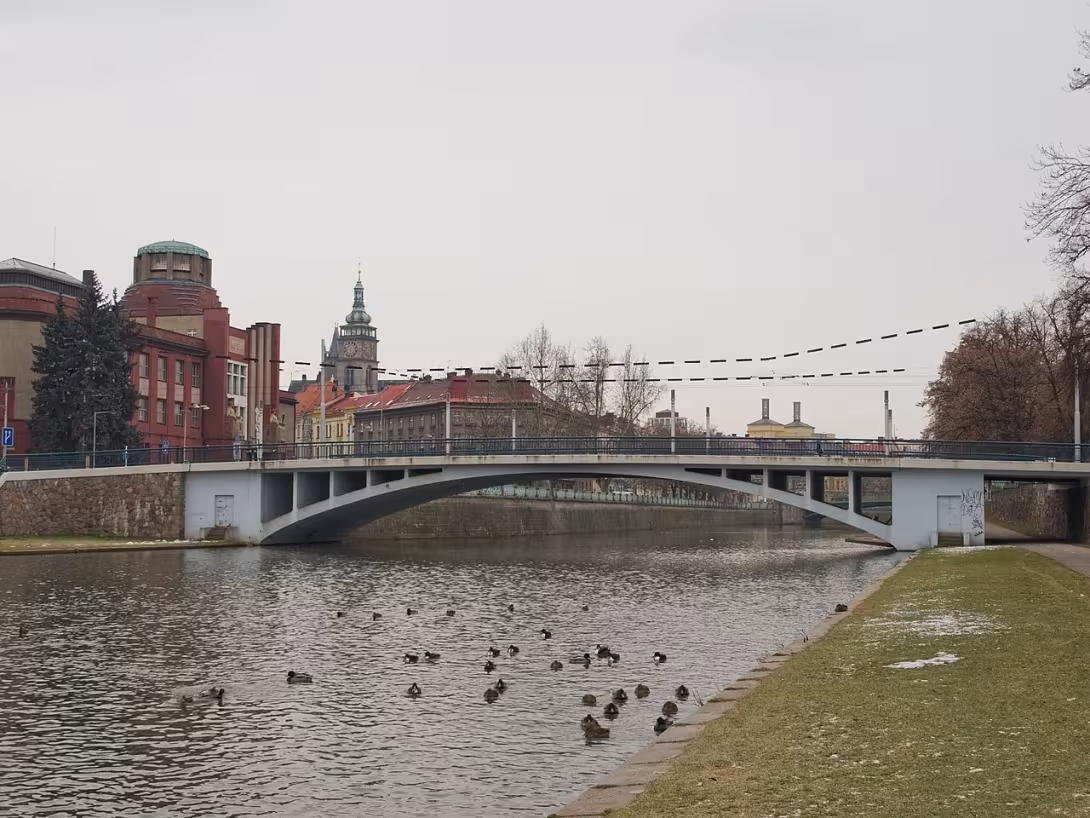
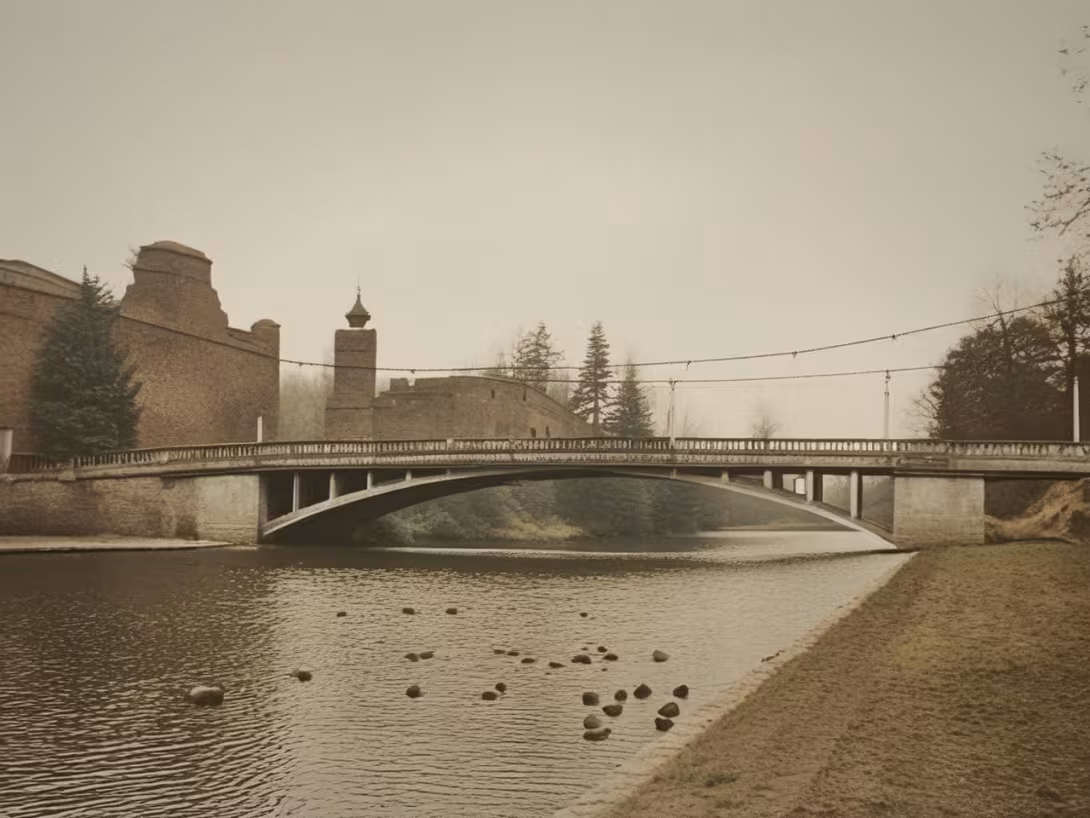
The historical appearance on the left is an AI-generated visualisation and serves as inspiration only.
Historical milestones
- 1932
- Začátek stavby Tyršův mostu.
- 1933
- Slavnostní otevření Tyršův mostu.
- 1945
- Německé síly minou obě končiny mostu během druhé světové války.
Architectural development
Designed by Ing. Dr. Fifka and Ing. Moravec of the Prague firm Fifka and Moravec, Tyršův most underwent modifications by Josef Gočár. The bridge measures 60 meters in length with a span of 40 meters between piers, and its foundations are set 5 meters below the Elbe's water level.
Historical events
The construction of Tyršův most began in August 1932 and was officially opened on June 25, 1933, attended by notable figures such as then-mayor Josef V. B. Pilnáček.
In April 1945, the bridge was mined by Germans at both ends near the museum side, where a tank barrier was constructed from granite blocks.
Points of interest
- During World War II, German forces mined both ends of Tyršův most near the museum side and constructed a tank barrier from granite blocks, yet it remained intact throughout the conflict. - The bridge's design was initially conceived by Ing. Dr. Fifka and Ing. Moravec but underwent significant modifications by renowned Czech architect Josef Gočár, showcasing collaboration between different architectural minds.
- Tyršův most is annually featured in the 'Mezi Mosty' boat race for middle schools, held between Prague Bridge and Tyršův most, highlighting its ongoing role in local cultural events.
- The bridge's construction was completed by approximately 300 workers within a year, from August 1932 to June 25, 1933, reflecting the efficiency and skill of early 20th-century engineering teams.
- Despite being named after Dr. Miroslav Tyrš, co-founder of Sokol, the bridge connects not only geographical points but also historical ones, linking the local Sokol hall with the Museum of East Bohemia, symbolizing a blend of cultural heritage and modern functionality.
Guide
This guide is narrated by a synthetic voice generated by artificial intelligence.
Show guide text
This text was created by artificial intelligence and has not been editorially reviewed. It may contain inaccuracies.
Welcome to the historic site of Tyršův most in Hradec Králové. As you stand here, take a moment to appreciate the elegant arches and streamlined lines that define this functionalist masterpiece spanning the Elbe River. The bridge connects two significant landmarks: the Sokol hall and the Museum of East Bohemia, creating not just a passage but a link between culture and history.
The story of Tyršův most begins in 1932 when its construction was initiated to serve both practical and symbolic purposes. Named after Dr. Miroslav Tyrš, co-founder of the Sokol movement which promoted physical education and national pride, this bridge stands as a testament to Czech functionalist architecture. It was completed just one year later, in 1933, marking an era of modernity with its innovative design by Ing. Dr. Fifka, Ing. Moravec, and Josef Gočár.
As you look closely at the structure, notice how the clean lines and geometric shapes embody the principles of functionalism—form follows function. The bridge's design was a collaborative effort that underwent significant modifications to achieve this aesthetic. Its simplicity is its strength, with an emphasis on utility without sacrificing beauty.
Dr. Miroslav Tyrš himself looms large in the history of this site. His legacy as a key figure in promoting physical culture and national identity is immortalized not just through the bridge's name but also through its purposeful connection to the Sokol hall.
Now, let your imagination wander to World War II when German forces mined both ends of Tyršův most near the museum side and constructed a tank barrier from granite blocks. Remarkably, the bridge withstood these challenges and remained intact throughout the conflict—a testament to its robust design and construction.
As you continue to explore this remarkable site, consider how it has stood the test of time, not just as a physical structure but as a symbol of resilience and cultural identity. We invite you to delve deeper into the history that surrounds Tyršův most, discovering more about its architectural significance and the stories it holds.
Thank you for joining us on this journey through history. May your visit inspire further exploration and appreciation of Hradec Králové's rich heritage.
Tips for visitors
The best time to visit Tyršův most is during the late spring or early autumn months, when the weather is pleasant for walking along the Elbe River and enjoying the scenic views without the crowds of summer tourists. During these times, the surrounding nature is in full bloom or displaying rich autumn colors, enhancing the beauty of your visit.
Check local transit websites or apps for the latest routes and schedules to plan your journey efficiently.
When visiting, it's advisable to bring comfortable walking shoes as there are several interesting spots around the area worth exploring on foot. A camera or smartphone is recommended for capturing the picturesque views of the Elbe River and the historic architecture nearby. Don't forget a light jacket in case of sudden weather changes.
For photography enthusiasts, the best spot to capture Tyršův most is from the banks of the Elbe River during early morning or late afternoon when the sunlight creates dramatic shadows and highlights on the bridge's structure. The soft natural lighting at these times can enhance your photos significantly.
Within a 30-minute walk from Tyršův most, you can visit the Museum of East Bohemia, which offers insights into the region’s history and culture. Additionally, the local Sokol hall is nearby, showcasing Czech gymnastic traditions. These attractions provide enriching experiences for those interested in learning more about Hradec Králové.
Frequently asked questions
Can the monument be visited?
This is a structure in a public space that can usually be seen from outside free of charge. We have not verified that this particular one is freely accessible.
Where is the monument?
Location: Hradec Králové, Královéhradecký kraj. The map on this page shows the exact spot.
Businesses nearby
Do you run a restaurant, accommodation, shop, museum, rental, wellness or other visitor service near this monument? Show yourself directly to the people heading to it — this is how they will see you in the app and on the web:
Nearby
The area around Tyršův most includes the local Sokol hall and the Museum of East Bohemia. The Elbe River flows through this central part of Hradec Králové, adding to its scenic landscape.
Accommodation nearby
Themed route
Tyršův Most and Surroundings Tour
1. Tyršův most (Bridge) Begin your journey at Tyršův most, a historic bridge that spans the Elbe River in Hradec Králové. This architectural gem offers stunning views of the river and serves as a central landmark connecting various parts of the city. The bridge is named after Miroslav Tyrš, an influential figure in Czech history known for founding the Sokol movement.
2. Sokol Hall (Cultural Venue) A short walk from Tyršův most will bring you to the local Sokol hall. This venue is a testament to the vibrant cultural life of Hradec Králové, hosting various events and performances that reflect the city's rich traditions. The Sokol movement, with its emphasis on physical education and national pride, has deep roots in this region.
3. Museum of East Bohemia (Museum) Continue your exploration by visiting the Museum of East Bohemia, located nearby. This museum offers insights into the history and culture of the region through its diverse exhibits. It's an ideal place to learn more about the local heritage and understand the historical context that shapes Hradec Králové today.
4. Elbe River Promenade (Scenic Walk) Conclude your tour with a leisurely stroll along the Elbe River promenade, accessible from both Tyršův most and the museum area. This scenic walk provides an opportunity to relax and enjoy the natural beauty of the riverbanks while reflecting on the cultural experiences you've just encountered.
This thematic route offers a blend of historical architecture, cultural insights, and natural scenery, making it a perfect day trip in Hradec Králové.
Seasonal recommendations
Spring: As spring breathes new life into Hradec Králové, Tyršův most offers a picturesque setting with blooming flora and vibrant colors enveloping the landscape. The gentle warmth of the season invites visitors to enjoy leisurely walks along the riverbank, where the air is filled with the fresh scent of flowers. During this time, the natural beauty around the bridge is particularly striking, making it an ideal period for photography enthusiasts. With moderate crowds, spring is a perfect opportunity to explore without the hustle and bustle of peak tourist seasons. Visitors are advised to wear comfortable layers as temperatures can vary, allowing them to adapt to changing weather conditions throughout their visit.
Summer: Summer at Tyršův most is characterized by long days filled with sunlight that enhances the bridge's architectural features and the surrounding greenery. This is a popular time for both locals and tourists, who flock to enjoy outdoor activities along the Vltava River. The lively atmosphere is complemented by occasional events in Hradec Králové, adding to the vibrant community spirit. To avoid larger crowds, consider visiting early in the morning or later in the afternoon. Light clothing is recommended due to warmer temperatures, and sun protection such as hats and sunscreen are essential for a comfortable experience.
Autumn: The autumn season transforms Tyršův most into a canvas of warm hues, with leaves turning shades of gold, red, and orange. This period offers a serene and picturesque atmosphere, ideal for those seeking tranquility amidst nature's splendor. As the days shorten, visitors can enjoy cooler temperatures that make walking along the bridge more comfortable. It’s a less crowded time compared to summer, providing an intimate experience with fewer people around. Layered clothing is advisable as evenings can become quite chilly, and carrying a light jacket or scarf will ensure comfort during your visit.
Winter: Winter at Tyršův most presents a magical setting with the bridge often adorned by gentle snowfall, creating a fairy-tale-like atmosphere. The river may freeze over, offering unique opportunities for ice skating when conditions permit. While fewer visitors brave the cold weather, those who do are rewarded with a peaceful and enchanting environment. Winter attire is crucial; warm clothing, including coats, hats, gloves, and boots, will help you stay comfortable during your visit.
Visualizations and artistic views


The visualisations are generated by artificial intelligence and serve as inspiration.
Photos from the area
Real photos taken near the monument

Zdroj a licence jsou uvedeny u každého snímku.
Tips from visitors
No tips yet. Be the first!
Log in and add your tip.
Sources and literature
Photos: Honza Groh (Jagro) / CC BY-SA 3.0 — Wikimedia Commons. The author and licence also appear when you hover over the image.
Faktickým podkladem tohoto textu byl článek na Wikipedii, jehož autory jsou přispěvatelé Wikipedie. Článek je dostupný pod licencí CC BY-SA 4.0.
Location on the map
More monuments – Hradec Králové
Show all in the municipality
Příběhy a pověsti
Legendy, pověsti a příběhy spjaté s touto památkou

Fotografie návštěvníků
Zatím žádné fotografie. Buďte první, kdo přidá fotografii z návštěvy!
Log in a přidejte svou fotografii nebo hodnoťte.
Za ověřenou návštěvu v aplikaci získáte víc bodů — poznáme podle GPS, že jste na místě.
Reviews and comments