






Usedlost čp. 3 (Tuřany) Homestead
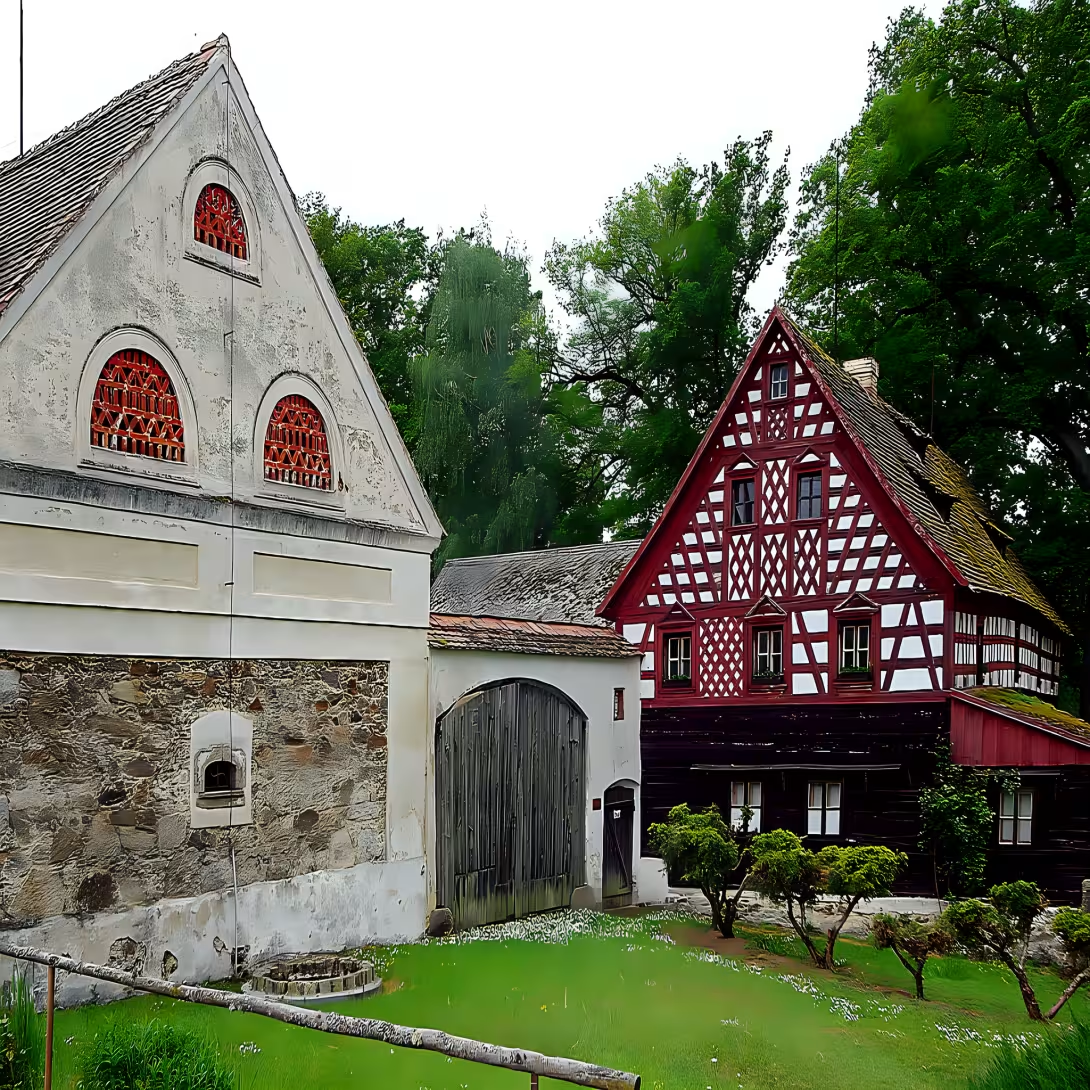
Nestled in Tuřany near Kynšperk nad Ohří, within the Cheb district, lies Rural Homestead No. 3. This site is a remarkable example of traditional architecture and cultural heritage from the Cheb region. Dating back to 1854, it represents the Cheb-type farmsteads that embody mid-19th century folk architectural styles in what was then part of the Austrian Empire. Its status as a protected cultural monument highlights its historical significance and preservation of regional building techniques and rural life.
The homestead's origins trace back to the 19th-century transition from feudalism to modern agricultural practices. Constructed in 1854, it reflects both architectural influences and socio-economic changes within the Austrian Empire. Traditional Germanic-influenced folk architecture is evident throughout its structure, offering insights into cultural exchanges of that era.
Architecturally, this homestead exemplifies Cheb-type farmsteads with timber-framed and half-timbered construction techniques. The residential building features a timber-framed ground floor and a half-timbered upper story, topped by a saddle roof—a style both functional and aesthetically aligned with regional preferences. Surrounding the main house are various outbuildings like stables, a granary, a barn, and an external bread oven, contributing to the enclosed courtyard layout typical of rural homesteads in this area.
The residential building is notable for its architectural details. The ground floor's timber framing transitions into half-timbering on the upper level, with a distinctive gable end featuring board-and-batten siding. A key feature of the stables includes an inscribed portal bearing the initials 'M.W.' and the date 1854, linking it directly to its origins. Inside, the ground floor houses a vaulted black kitchen—a characteristic element of traditional rural homes—while the upper floor contains living quarters and a loft space.
Today, the homestead stands as a well-preserved cultural monument, offering visitors a glimpse into the past through its authentic architecture and layout. Its protected status ensures it remains an important educational resource for those interested in historical architecture and rural life. Visitors are encouraged to explore this remarkable example of 19th-century Cheb-type farmsteads, appreciating both its architectural beauty and its role in preserving the cultural narrative of the region.
In conclusion, Rural Homestead No. 3 in Tuřany is more than just a historical site; it is a living testament to the craftsmanship and way of life that defined the Cheb region during a transformative period in history. Its preservation as a cultural monument allows current and future generations to connect with their heritage, making it an invaluable destination for anyone interested in exploring Czech architectural history. A visit promises not only an educational experience but also an opportunity to reflect on the enduring legacy of traditional craftsmanship and rural community life.
Historical milestones
- 1854
- Construction of the rural homestead
Architectural development
The homestead was established in 1854. The residential building combines a timber-framed ground floor with a half-timbered upper floor and a saddle roof. The complex includes masonry stables with a triangular gable and a board-and-batten barn. A masonry shed with three supporting pillars completes the enclosed courtyard.
Points of interest
- Nestled in Tuřany near Kynšperk nad Ohří within the Cheb district, Rural Homestead No. 3 is a remarkable example of traditional architecture and cultural heritage from the Cheb region. - Dating back to 1854, it represents the Cheb-type farmsteads that embody mid-19th century folk architectural styles in what was then part of the Austrian Empire. - The homestead's origins trace back to the 19th-century transition from feudalism to modern agricultural practices, reflecting both architectural influences and socio-economic changes within the Austrian Empire. - Architecturally, it exemplifies Cheb-type farmsteads with timber-framed and half-timbered construction techniques, featuring a distinctive gable end with board-and-batten siding and an inscribed portal bearing the initials 'M.W.' and the date 1854. - Today, as a well-preserved cultural monument, it offers visitors a glimpse into past rural life and serves as an important educational resource for those interested in historical architecture.
Guide
Show guide text
This text was created by artificial intelligence and has not been editorially reviewed. It may contain inaccuracies.
Welcome to the historical gem of Rural Homestead No. 3 in Tuřany! As you stand here, imagine yourself stepping back into a time when this structure was newly built, its walls echoing with the sounds and stories of the mid-19th century. Nestled near Kynšperk nad Ohří within the Cheb district, this homestead is not just a building; it's a living testament to the traditional architecture and cultural heritage of the Cheb region.
Let’s start by taking in your surroundings. Before you lies a charming closed courtyard that has stood since 1854. The complex includes several key structures: a residential building with its timber-framed ground floor and half-timbered upper level, stables, a granary, a barn, and an external bread oven. Each of these elements plays a crucial role in the life of this farmstead, reflecting the ingenuity and resourcefulness of those who lived here.
Now, let's delve into its history. Constructed in 1854, Rural Homestead No. 3 is a significant example of the Cheb-type farmsteads that were prevalent during this period. While the architects remain unknown, their work has been preserved as an integral part of cultural heritage. This homestead was built to serve not just as a residence but as a self-sufficient unit for farming and daily life in rural Bohemia.
As you walk around, take a moment to appreciate the architectural details. Notice how the timber-framed ground floor transitions into the half-timbered upper level of the residential building. This design is characteristic of the Cheb region's folk architecture, showcasing both functionality and aesthetic appeal. The stables, granary, and barn are arranged in such a way that they form an efficient layout for managing livestock and storing produce.
While there might not be specific historical figures directly tied to this site, imagine the generations who have lived here, each contributing to its story. Think of the farmers tending their fields, the families gathering around the hearth, and the community coming together in times of need. Each person left an imprint on these walls, adding layers to the homestead’s rich narrative.
Now, let's uncover a bit of mystery that surrounds this place. Despite being built over 160 years ago, Rural Homestead No. 3 has retained its charm and historical integrity. It stands as a rare example of how traditional architecture can endure through time, offering us insights into the past while continuing to serve as a cultural landmark.
As you conclude your visit here, I invite you to explore further. Take in the atmosphere, let your imagination wander, and perhaps consider visiting other sites within the Cheb region to discover more about its unique architectural heritage. Thank you for joining me today at Rural Homestead No. 3, where history comes alive with every step you take. Safe travels on your journey of discovery!
Tips for visitors
The best time to visit Usedlost čp. 3 (Tuřany) is during the spring or summer months. This allows you to fully appreciate the rural landscape and the architectural details of the 1854 complex in natural light.
The site is accessible by both car and public transport. To ensure a smooth journey, please check current transit connections and schedules using a local search engine or transit application.
Visitors should bring comfortable walking shoes and a camera. The closed courtyard design of this Cheb-type farm offers excellent photographic opportunities, particularly during the golden hour when the light emphasizes the traditional folk architecture.
For families with children, the area provides a peaceful and quiet rural environment, perfect for a gentle walk around the historic homestead.
Businesses nearby
Do you run a restaurant, accommodation, shop, museum, rental, wellness or other visitor service near this monument? Show yourself directly to the people heading to it — this is how they will see you in the app and on the web:
Events nearby

Zdroj akcí: otevřená data měst a obcí ČR (Národní katalog otevřených dat) a kalendář akcí Národního památkového ústavu.
Accommodation nearby
Themed route
1. Courtyard of Usedlost čp. 3 (Tuřany) (Outdoor area): The starting point of the visit, where you can appreciate the traditional layout and atmosphere of the historical estate.
2. Main Residential Building (Architecture): The heart of the property, showcasing the living quarters and the architectural style of the manor.
3. Utility Buildings (Agricultural structures): These buildings offer a glimpse into the historical economic functions and farming operations of the estate.
4. Estate Garden (Green space): A peaceful area surrounding the complex that demonstrates how the manor was integrated with its immediate natural environment.
Seasonal recommendations
In spring, Usedlost čp. 3 (Tuřany) comes alive as the surrounding gardens begin to bloom and fresh greenery returns to the landscape. The soft, morning light is ideal for capturing the architectural details of the homestead in a gentle glow. Visitors should wear layered clothing to adapt to the fluctuating temperatures and consider visiting during the weekdays to enjoy a more peaceful atmosphere.
The summer months bring a vibrant energy to the site, with lush foliage providing natural shade around the historical buildings. The atmosphere is bright and lively, making it an excellent time for outdoor exploration. To avoid the peak midday heat and larger crowds typical of the main summer season, it is advisable to arrive early in the morning and wear light, breathable fabrics.
Autumn transforms the area around Usedlost čp. 3 (Tuřany) into a palette of gold and orange, creating a nostalgic and cozy mood. The crisp air and clear skies offer excellent visibility of the historical structures. Sturdy walking shoes are recommended for navigating the grounds, and late afternoon visits are best for experiencing the warm, golden hour lighting.
During winter, the homestead takes on a quiet, serene character, often highlighted by frost or a blanket of snow that emphasizes the stark lines of the architecture. The atmosphere is calm and reflective, offering a different perspective on the site's history. Because of the cold, heavy thermal clothing is essential, and visitors should be mindful of shorter opening hours typically observed during the winter months.
Visualizations and artistic views


The visualisations are generated by artificial intelligence and serve as inspiration.
Photos from the area
Real photos taken near the monument


Zdroj a licence jsou uvedeny u každého snímku.
Tips from visitors
No tips yet. Be the first!
Log in and add your tip.
Sources and literature
Fotografie: Lubor Ferenc / CC BY-SA 4.0, rozlišení zvýšeno umělou inteligencí — Wikimedia Commons. The author and licence also appear when you hover over the image.
Faktickým podkladem tohoto textu byl článek na Wikipedii, jehož autory jsou přispěvatelé Wikipedie. Článek je dostupný pod licencí CC BY-SA 4.0.
Location on the map
More monuments – Karlovarský kraj
Show all in the region
Příběhy a pověsti
Legendy, pověsti a příběhy spjaté s touto památkou
Fotografie návštěvníků
Zatím žádné fotografie. Buďte první, kdo přidá fotografii z návštěvy!
Přihlaste se a přidejte svou fotografii nebo hodnoťte.
Za ověřenou návštěvu v aplikaci získáte víc bodů — poznáme podle GPS, že jste na místě.
Reviews and comments