






včelín v Milíčevsi Other
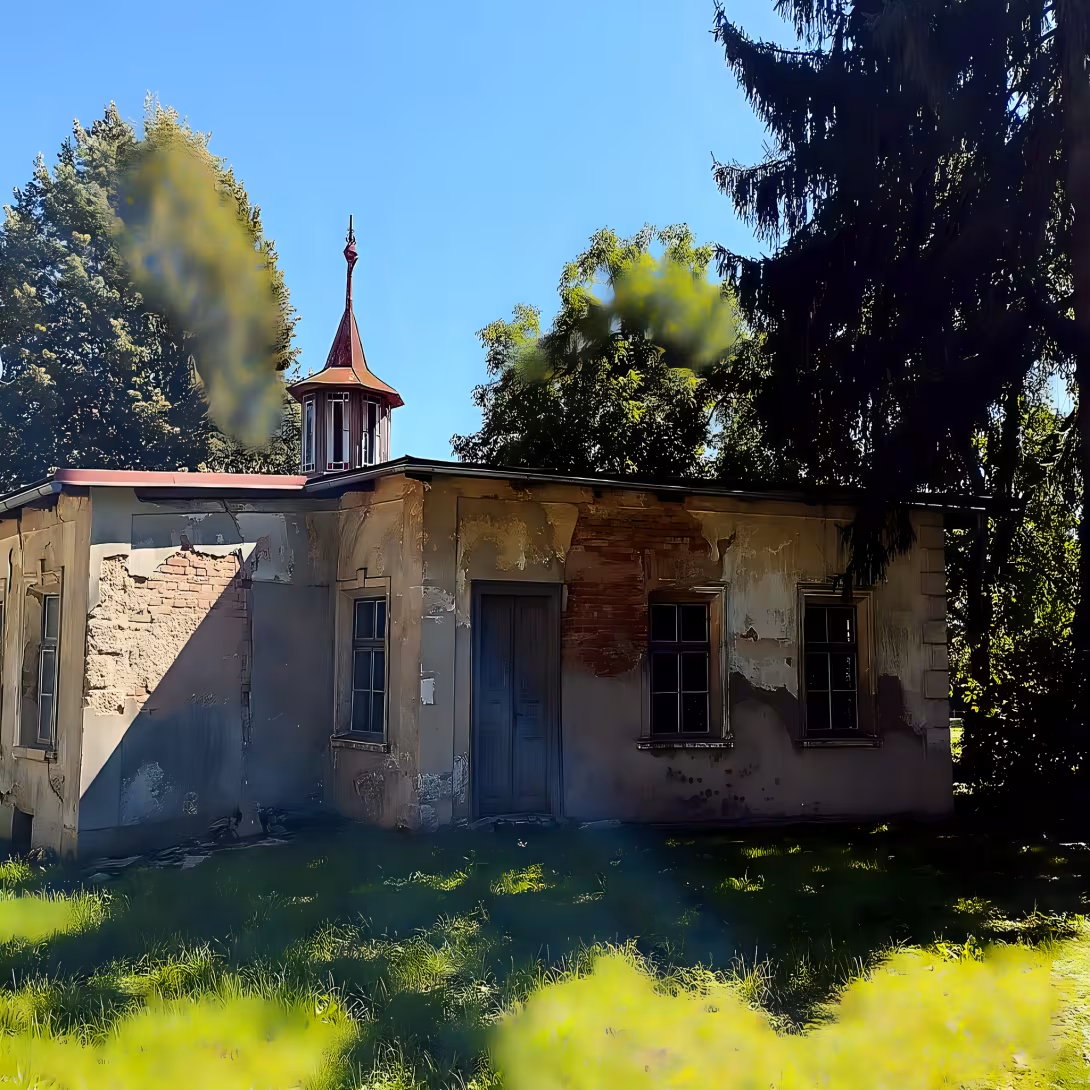
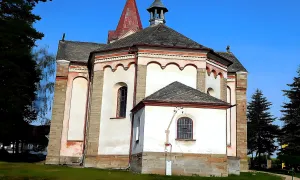
The apiary in Milíčeves is a small masonry building situated opposite the main entrance to the castle area in the village of Milíčeves, part of Slatiny in the Jičín district. Constructed around the turn of the twentieth century, it is recognized as a cultural monument of the Czech Republic for its unique architectural form and historical role in local apiculture.
The exact date of construction is not definitively known, though historical sources suggest it was erected between 1900 and 1904. Ing. Václav Krejcar built it at a cost of 12,000 gold coins.
The structure features a saddle roof and a distinctive horseshoe-shaped floor plan. Rectangular windows with surrounds illuminate its northern side. A projection extends from the southern side towards the fields. The roof is dominated by a glazed lantern at the peak, ending in a spire. Originally designed to house up to 108 beehives, the interior reflects its apicultural purpose.
Ownership changed several times throughout the twentieth century. In 1916, Jaroslav Litochleb from Semily purchased the land and apiary. After World War I, Vladimír Syrovátko, a Volhynian Czech, acquired them. He conducted partial repairs and maintained around fifty bee colonies until the 1950s. His son later managed the farm before transferring it to the newly established Unified Agricultural Cooperative of Milíčeves. The apiary remained unused thereafter. At the beginning of the twenty-first century, a new owner undertook partial repairs. On December 14, 2018, the apiary was officially declared a cultural monument of the Czech Republic.
Today, the site stands as a preserved example of specialized agricultural architecture from the early twentieth century, retaining its unusual horseshoe-shaped layout and roof lantern. Visitors to Milíčeves can view the structure opposite the main entrance to the castle area. A visit offers insight into regional agricultural history and early twentieth-century apicultural practices.
Historical milestones
- 1900–1904
- Construction of the apiary by Ing. Václav Krejcar
- 1916
- Jaroslav Litochleb purchased the land and the apiary
- 2018
- The apiary was declared a cultural monument of the Czech Republic
Architectural development
The building is a small masonry structure with a saddle roof and a distinctive glazed lantern topped with a spire. It features a horseshoe-shaped floor plan and rectangular windows with surrounds on the northern side. A projection extends from the southern side towards the fields.
Historical events
In 1916, Jaroslav Litochleb purchased the land and the apiary. After World War I, the farm and apiary were acquired by Vladimír Syrovátko. On December 14, 2018, the building was declared a cultural monument of the Czech Republic.
Owners
Ing. Václav Krejcar (builder); Jaroslav Litochleb (from 1916); Vladimír Syrovátko (after WWI); the son of Vladimír Syrovátko; Jednotné zemědělské družstvo Milíčeves; and a current owner (early 21st century).
Points of interest
- The apiary in Milíčeves is a small masonry building constructed around the turn of the twentieth century and recognized as a cultural monument for its unique architectural form. - Ing. Václav Krejcar built it at a cost of 12,000 gold coins between 1900 and 1904. - The structure features a distinctive horseshoe-shaped floor plan with rectangular windows on its northern side and a glazed lantern ending in a spire on the roof. - Ownership changed several times throughout the twentieth century, including being purchased by Jaroslav Litochleb in 1916 and later acquired by Vladimír Syrovátko after World War I. - On December 14, 2018, the apiary was officially declared a cultural monument of the Czech Republic.
Guide
Show guide text
This text was created by artificial intelligence and has not been editorially reviewed. It may contain inaccuracies.
Welcome. You are standing right in front of a fascinating piece of local history, located just opposite the main entrance to the castle area in Milíčeves. Take a moment to look at the small masonry building right before your eyes. At first glance, its purpose might surprise you, as it is not a traditional gatehouse or a small residential lodge, but a historic apiary that has stood here for more than a century, holding a unique place in the heritage of local apiculture and serving as an official cultural monument of the Czech Republic.
Let us step back in time to explore how this remarkable structure came to be. The apiary was constructed around the turn of the twentieth century, specifically between 1900 and 1904. The driving force behind its creation was Ing. Václav Krejcar, who envisioned and built the structure at a notable cost of 12,000 gold coins. In those years, regional beekeeping was gaining scientific and economic importance, and Ing. Krejcar invested both significant resources and visionary planning into realizing this project, establishing a dedicated space for bee keeping right near the castle grounds.
Now, let us examine the architecture itself. Take a close look at the masonry work of the building standing before you. The structure is most celebrated for its truly distinctive horseshoe-shaped floor plan, a rare and deliberate design choice that sets it apart from standard agricultural outbuildings of the era. As you observe the exterior, notice how this curved layout frames the space and reflects both practical considerations for tending to beehives and an aesthetic sensibility unusual for its utilitarian function. While you take in the masonry and the overall proportions, appreciate how well the building has retained its historical footprint through the decades, standing as a quiet testament to turn-of-the-century craftsmanship.
Pojďme se posunout through the timeline of the people who shaped the destiny of this place. Beyond its original builder, Ing. Václav Krejcar, the apiary is connected to other notable historical figures over the course of the twentieth century. In 1916, a new chapter began when Jaroslav Litochleb purchased the land and the apiary, taking over its stewardship during the challenging years of the First World War and ensuring its continued preservation. Alongside these figures, the intellectual and practical legacy of the site is also tied to Vladimír Syrovátko, whose association with the location further enriches its historical narrative. Each of these individuals contributed in their own way to the story of the Milíčeves apiary, passing down a heritage of dedication to the land and its specialized crafts.
Nyní věnujte pozornost the fascinating details that make this site truly special. The apiary in Milíčeves is not merely an old agricultural shed; it is a recognized cultural monument specifically because of its unique architectural form and its role in the region's agricultural history. Investing 12,000 gold coins between 1900 and 1904 was a substantial financial commitment for an apiary, highlighting just how seriously the art and science of beekeeping were taken by its creator, Ing. Václav Krejcar. The horseshoe-shaped floor plan remains a remarkable architectural feature that continues to capture the imagination of visitors and historians alike, offering a glimpse into a time when even utilitarian structures were given thoughtful, distinctive designs.
As we reach the end of our time together at this stop, I invite you to take one last look at the masonry walls and the curved layout of the Milíčeves apiary, letting the quiet atmosphere of the Milíčeves landscape sink in. We hope you have enjoyed uncovering the history behind this unique cultural monument. Thank you for listening, and we wish you a wonderful continuation of your journey as you explore more sights and stories around Milíčeves.
Tips for visitors
The apiary in Milíčeves is best visited during the spring and summer months when the surrounding greenery is fully alive and the historic architecture stands out clearly against the landscape. Early mornings offer the calmest atmosphere and the softest light for appreciating the masonry details of this turn-of-the-century structure.
For transport and parking, the site is accessible by car and public transport, though you should verify current connections via an online transport planner. Visitors arriving by car can utilize general parking options available nearby in the village of Milíčeves.
When preparing for your visit, bring comfortable walking shoes for exploring the immediate area and weather-appropriate gear, as the site is entirely outdoors. A camera or smartphone is essential for capturing the unique historic masonry of the apiary.
For photography enthusiasts, the best spots are positioned directly opposite the main entrance to the castle area, which provides a clear framing of the apiary. Morning and late afternoon sunlight cast attractive shadows across the historic bricks, highlighting the architectural features built around 1900 to 1904.
Families with children will find the compact location easy to visit as a quick educational stop during a broader trip. While exploring, you can easily view the exterior structure and talk about the history of beekeeping and local architecture in a relaxed setting.
Businesses nearby
Do you run a restaurant, accommodation, shop, museum, rental, wellness or other visitor service near this monument? Show yourself directly to the people heading to it — this is how they will see you in the app and on the web:
Nearby
Located opposite the main entrance to the castle area in Milíčeves.
Accommodation nearby
Themed route
1. Milíčeves Castle Area Type: Historic Castle Area Why visit: This grand architectural site sets a historic atmosphere right in the heart of the village, offering a glimpse into the regional heritage and serving as the main landmark of the area.
2. včelín v Milíčevsi Type: Beehive Why visit: Located conveniently opposite the main entrance to the castle area, this interesting local beehive provides a unique look at traditional beekeeping in a charming setting.
Seasonal recommendations
Visiting the historical site of včelín in Milíčeves offers a unique experience throughout the year, each season bringing its own charm and considerations.
In spring, the awakening nature around Milíčeves paints a picturesque backdrop for your visit to the apiary. The soft light of longer days enhances the beauty of blooming flowers and budding trees, creating an idyllic atmosphere perfect for photography or leisurely walks. This is also a time when bee activity increases, so wearing protective clothing might be advisable if you plan to explore closer to the hives. Early mornings are ideal to avoid larger crowds as people take advantage of the pleasant weather.
Summer in Milíčeves brings vibrant energy and warmth, making it an excellent time for outdoor activities at the apiary. The lush greenery is in full bloom, providing a stunning visual feast, while the longer daylight hours allow for extended visits. However, this season also sees higher visitor numbers, so arriving early can help you avoid the crowds. Comfortable, light clothing and sun protection are essential to enjoy your time comfortably under the summer sun.
Autumn offers a serene and colorful experience at Milíčeves, with the changing leaves creating a stunning tapestry around the apiary. The cooler temperatures make it an ideal time for those who prefer milder weather, and the reduced number of visitors allows for a more peaceful exploration. This is also a great season to appreciate the natural cycle of bees as they prepare for winter. Layered clothing can help you stay comfortable during your visit.
Winter transforms Milíčeves into a quiet, almost magical landscape with snow-covered grounds around the apiary. The shorter days mean that visits are best planned in the morning when there's still plenty of daylight to explore. While the site remains open, it's important to dress warmly and be prepared for potentially icy paths. This season offers a unique perspective on the apiary, as you witness how nature rests and readies itself for spring.
Each season at včelín in Milíčeves provides its own distinct experience, inviting visitors to appreciate the beauty and tranquility of this historical site year-round.
Visualizations and artistic views


The visualisations are generated by artificial intelligence and serve as inspiration.
Photos from the area
Real photos taken near the monument


Zdroj a licence jsou uvedeny u každého snímku.
Tips from visitors
No tips yet. Be the first!
Log in and add your tip.
Sources and literature
Fotografie: JanaJin / CC BY-SA 4.0, rozlišení zvýšeno umělou inteligencí — Wikimedia Commons. The author and licence also appear when you hover over the image.
Faktickým podkladem tohoto textu byl článek na Wikipedii, jehož autory jsou přispěvatelé Wikipedie. Článek je dostupný pod licencí CC BY-SA 4.0.
Location on the map

Příběhy a pověsti
Legendy, pověsti a příběhy spjaté s touto památkou
Fotografie návštěvníků
Zatím žádné fotografie. Buďte první, kdo přidá fotografii z návštěvy!
Přihlaste se a přidejte svou fotografii nebo hodnoťte.
Za ověřenou návštěvu v aplikaci získáte víc bodů — poznáme podle GPS, že jste na místě.
Reviews and comments