






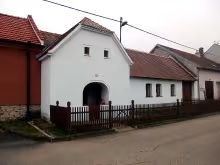
Venkovská usedlost čp. 12 in Kučerov is a remarkable Hanakian-style brick farmhouse notable for its use of unfired bricks and distinctive architectural features such as the 'žudro' with a ram's horn arch above the entrance. Constructed in the 1830s, this structure reflects the influence of German colonists on local architecture. It has been protected since 1958 and was declared a national cultural monument in 2014. The farmhouse serves both as a recreational residence and an open-air museum showcasing regional history.
The origins of Venkovská usedlost čp. 12 date back to the early 19th century, specifically the 1830s, when it was built during a period marked by German colonization in the region. This era introduced architectural styles and cultural elements that blended with local traditions, significantly impacting social and economic structures as industrialization began across Europe. The 'žudro,' a characteristic feature of this farmhouse, exemplifies the integration of these influences into Hanakian architecture.
Architecturally, Venkovská usedlost čp. 12 is distinguished by its traditional Hanakian style, utilizing unfired bricks and featuring a 'žudro' that served both as storage and a social gathering space. The interior includes a large hall with a truss roof, a built-in black kitchen, and a loft accessible via stairs. Restoration efforts have focused on preserving these original elements while incorporating thematic exhibitions to enhance its historical narrative.
Ownership of the farmhouse changed dramatically over time. Originally owned by the Butschkova family until their expulsion in 1947, it was later acquired by the Dvořák couple in 2012. The Dvořáks have since dedicated themselves to restoring the property, a commitment recognized when they received the Cenu Národního památkového ústavu Patrimonium pro futuro for their efforts.
Key events include its designation as a protected cultural heritage site in 1958 and its declaration as a national cultural monument on October 1, 2014. The farmhouse's exterior features original plaster reliefs created by pressing fingers into wet clay, adding to its historical charm. Today, the interior is adorned with period-appropriate furniture from the local German community around the turn of the 19th and 20th centuries.
Currently, Venkovská usedlost čp. 12 operates as both a recreational residence and an open-air museum. It offers visitors insights into regional history through its exhibitions, including a regional display on the Vyškovský jazykový ostrůvek in the restored front section of the house. The property is surrounded by a modern courtyard with new barns, providing additional context to its historical significance.
Venkovská usedlost čp. 12 stands as a testament to the rich cultural tapestry woven from local and German influences during a transformative period in European history. Its preservation allows visitors to experience firsthand the architectural ingenuity and social dynamics of the past. This unique site invites exploration, offering both educational value and a glimpse into the region's heritage.
Historical milestones
- 1958
- The farmhouse was designated as a protected cultural heritage site.
- 2014
- It was declared a national cultural monument.
Architectural development
The farmhouse features traditional Hanakian architecture with an unfired brick structure and a 'žudro' used for storage and social gatherings. The interior includes a large hall with a truss roof, a built-in black kitchen, and a loft accessed by stairs. Restoration efforts have focused on preserving its original architectural elements while adding thematic exhibitions.
Historical events
Declared a national cultural monument on October 1, 2014.
Protected as a cultural heritage site since 1958.
Owners
The Butschkova family owned the property until their expulsion in 1947. Subsequently, it was acquired by the Dvořák couple who have been restoring it since 2012.
Points of interest
- The use of unfired bricks in the construction of Venkovská usedlost čp. 12 is a distinctive feature that highlights the resourcefulness and adaptation to local materials during the early 19th century. - The 'žudro' with its ram's horn arch not only served practical purposes such as storage but also symbolized cultural integration, blending German architectural elements with Hanakian traditions.
Guide
Show guide text
Welcome to the historic site of Venkovská usedlost čp. 12 in Kučerov, a remarkable example of Hanakian-style architecture that stands as a testament to the rich cultural tapestry of this region. As you stand here, take a moment to absorb your surroundings—the rustic charm and timeless beauty of this preserved farmhouse envelops you.
This unique structure was constructed in the 1830s, reflecting the significant influence German colonists had on local architectural styles during that era. The use of unfired bricks is particularly striking—a testament to the resourcefulness and adaptation to available materials by those who built it. These bricks not only add a distinctive texture but also connect you to the past, reminding us of the ingenuity required in an age before modern conveniences.
As you gaze upon the building, notice its architectural details that speak volumes about its history. The 'žudro' with its ram's horn arch above the entrance is one such feature. This element wasn't just decorative; it served practical purposes like storage and adds a unique character to the facade. Such thoughtful design elements are what make this farmhouse stand out as an example of Hanakian-style architecture.
The history of Venkovská usedlost čp. 12 is intertwined with the Butschkova family, who played a significant role in its story. Their legacy lives on through the preservation and stories shared about this site, offering us glimpses into their lives and times.
A fascinating aspect of this farmhouse that you might find intriguing is its designation as a protected cultural heritage site since 1958. This recognition underscores its importance not just to Kučerov but also to national history when it was declared a national cultural monument in 2014. These designations ensure that future generations can appreciate and learn from this architectural gem.
As you continue your exploration, take time to immerse yourself in the atmosphere of this historic site. Let your imagination wander through its past, envisioning the lives once lived here and the stories yet to be told. Venkovská usedlost čp. 12 is not just a building; it's a portal into history.
Thank you for joining us on this journey through time. We invite you to delve deeper into the rich tapestry of Kučerov's heritage, discovering more about its people, architecture, and enduring legacy. Safe travels as you continue your exploration!
Tips for visitors
The best time to visit Venkovská usedlost čp. 12 is during the late spring or early autumn months. During these periods, the weather is typically mild, making it pleasant for exploring both the farmhouse and its exhibitions. The surrounding countryside offers beautiful natural scenery that complements the historical ambiance of the site.
Parking and transportation to Venkovská usedlost čp. 12 are convenient. There is parking available on-site, which makes it accessible by car. For those preferring public transport, Kučerov can be reached via regional bus services. It's advisable to check current routes and schedules in a travel planner or local transit app for the most accurate information.
When visiting, consider bringing comfortable walking shoes as you'll likely spend time exploring both indoors and outdoors. A camera is recommended to capture the unique architectural features of the Hanakian-style farmhouse and its picturesque surroundings. Don't forget to bring water and perhaps a light snack, especially if you plan on spending several hours at the site.
Photography enthusiasts will find several spots around Venkovská usedlost čp. 12 ideal for capturing stunning images. Early morning or late afternoon provides soft lighting that enhances the textures of the unfired bricks and the rustic charm of the barns. The courtyard offers a great vantage point for wide-angle shots, while the interior features like the 'žudro' are perfect for close-up photography.
For families with children, Venkovská usedlost čp. 12 provides an engaging historical experience. The exhibitions offer insights into regional history that can be both educational and entertaining for kids. Additionally, the open spaces around the farmhouse allow for some outdoor playtime. Nearby, within a 30-minute drive, are other attractions such as local nature trails or small museums in Kučerov that could complement your visit.
Businesses nearby
Do you run a restaurant, accommodation, shop, museum, rental, wellness or other visitor service near this monument? Show yourself directly to the people heading to it — this is how they will see you in the app and on the web:
Nearby
Located in Kučerov, the farmhouse is surrounded by a modern courtyard with new barns. The area offers insights into regional history through its exhibitions.
Accommodation nearby
Trips and activities nearby
Guided tours, tickets and activities nearby from GetYourGuide
Search tours and activities →Themed route
Thematic Walking Tour: Kučerov Farmhouse and Surroundings
1. Kučerov Farmhouse (Venkovská usedlost čp. 12) - *Type:* Historical Farmhouse - *Why Visit:* Begin your journey at the heart of this picturesque village with the Kučerov farmhouse, a quintessential example of rural architecture surrounded by modern amenities like new barns. This site offers a unique glimpse into regional history through its exhibitions that showcase local farming traditions and lifestyle.
2. Farmyard Exhibitions - *Type:* Historical Exhibition - *Why Visit:* Explore the farmyard where various exhibits provide insights into the historical evolution of agriculture in the region. These displays highlight traditional farming techniques, tools, and practices, offering visitors a deeper understanding of how rural life has shaped local culture over generations.
3. Modern Barns - *Type:* Agricultural Structures - *Why Visit:* Take a walk around the newly constructed barns that stand as a testament to modern agricultural advancements while still respecting traditional methods. These structures not only serve practical purposes but also illustrate the blend of old and new in rural development.
4. Regional History Insights - *Type:* Educational Experience - *Why Visit:* Engage with interactive displays scattered throughout the farm area that delve into the rich tapestry of regional history. This segment is perfect for those interested in learning about the socio-economic changes that have influenced this part of Jihomoravský kraj over time.
5. Scenic Walkways - *Type:* Scenic Route - *Why Visit:* Conclude your tour with a leisurely walk along the scenic pathways that meander through the farm's surroundings. These routes offer tranquil views and an opportunity to reflect on the harmonious relationship between nature and agriculture in this serene setting.
This thematic walking tour provides a comprehensive exploration of Kučerov’s farmhouse, emphasizing its historical significance and modern adaptations within the charming rural landscape.
Seasonal recommendations
Spring: The arrival of spring at Kučerov's Countryside Farmstead, with its ongoing reconstruction, offers a unique opportunity to witness the rebirth of nature. As the landscape bursts into life with vibrant wildflowers and budding trees, visitors can enjoy the gentle warmth of the sun and the fresh scent of new growth. This season is perfect for those who appreciate natural beauty in transition, as it provides an ideal backdrop for photography enthusiasts eager to capture the farmstead's evolving charm. To make the most of your visit, consider arriving early in the day when the light is soft and the crowds are fewer. Wearing comfortable walking shoes and layers that can be adjusted with changing temperatures will ensure a pleasant experience.
Summer: Summer at Kučerov's Countryside Farmstead is characterized by long days filled with sunshine, making it an ideal time for outdoor exploration. The lush greenery and blooming gardens create a picturesque setting perfect for leisurely strolls or picnics amidst nature. However, the peak of summer also brings larger crowds eager to enjoy the farmstead's charm during its busiest season. To avoid the hustle and bustle, plan your visit early in the morning or later in the afternoon when it's cooler. Don't forget to wear sun protection such as hats, sunglasses, and sunscreen, and stay hydrated by bringing a water bottle.
Autumn: Autumn transforms Kučerov's Countryside Farmstead into a kaleidoscope of colors with its rich tapestry of reds, oranges, and yellows. The crisp air and milder temperatures make it an inviting time to explore the farmstead while enjoying the serene beauty of falling leaves. This season is particularly magical for those who love nature photography or simply wish to immerse themselves in a tranquil environment. As the days begin to shorten, ensure you plan your visit during daylight hours to fully appreciate the scenery. Wearing layers will help you stay comfortable as temperatures can vary throughout the day.
Winter: Winter at Kučerov's Countryside Farmstead offers a serene and peaceful atmosphere, with snow-covered landscapes providing a stunning contrast against the historic architecture. The quiet of this season allows for a more intimate experience, where visitors can appreciate the farmstead's charm without the distraction of large crowds. However, winter also brings shorter days and colder temperatures, so it is essential to plan accordingly. Visiting during daylight hours will maximize your time exploring, and dressing warmly in layers, including hats, gloves, and insulated footwear, will ensure a comfortable experience. Be mindful that some facilities may have limited access due to the weather conditions.
Visualizations and artistic views

Vizualizace jsou generovány umělou inteligencí a slouží jako inspirace.
Tips from visitors
No tips yet. Be the first!
Log in and add your tip.

Reviews and comments