






Vernerův vodní mlýn Mill
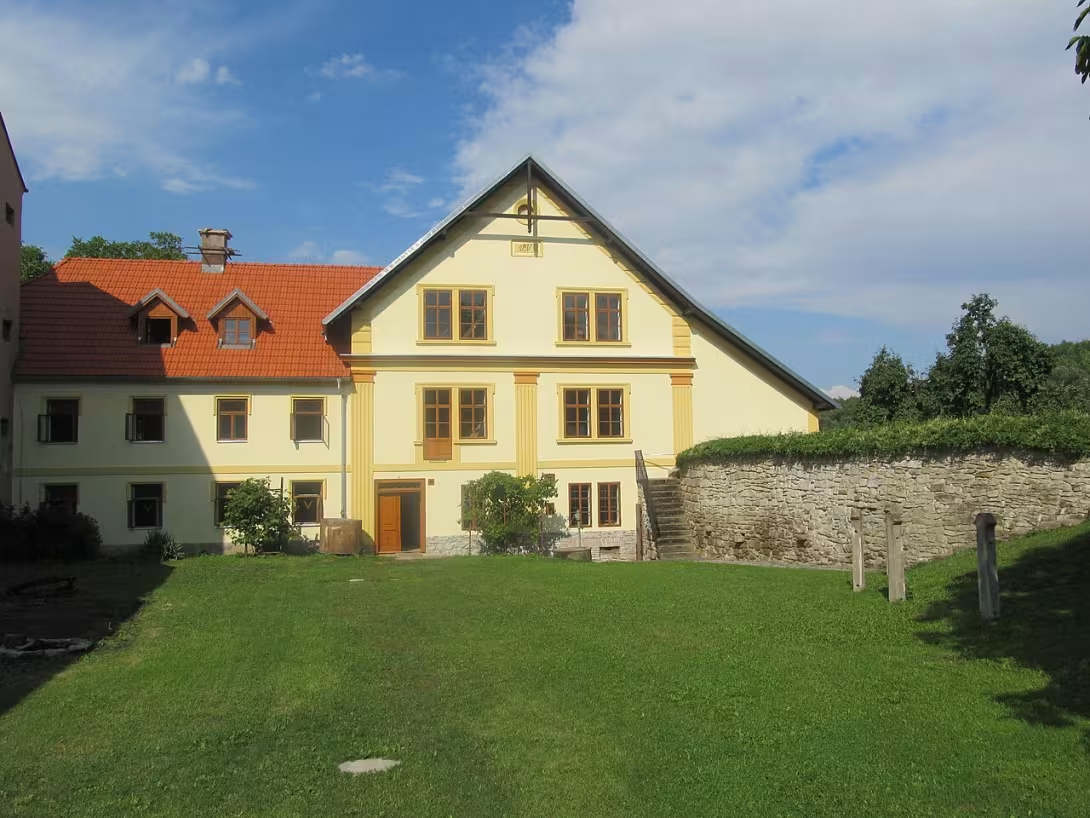
Vernerův vodní mlýn in Brloh near Louny is a remarkable late Baroque water mill. It stands as a testament to historical craftsmanship and cultural heritage. Located north of the village on Smolnický potok, this site has been preserved as a protected cultural monument of the Czech Republic. Constructed in the first half of the 17th century, it underwent significant modernization at the turn of the 18th and 19th centuries. The mill is notable for its comprehensive preservation of milling operations, including an overhead water wheel supplemented by a combustion engine from L&K, making it a unique example of historical industrial technology.
The origins of Vernerův vodní mlýn date back to the early 17th century, during a period when Bohemia was part of the Habsburg Monarchy. This era was marked by significant political and religious upheavals, including the Thirty Years' War, which profoundly impacted the region. The construction of the mill during this time reflects the economic activities that persisted despite these challenges.
Architecturally, Vernerův vodní mlýn is a quintessential example of late Baroque design. The complex includes residential buildings, a mill house, stables, agricultural structures, gates, and a channel system. A distinctive feature is its five-story section housing the complete milling operations. This part of the structure showcases an overhead water wheel driven by a stream, with additional power provided by a L&K combustion engine. The main building features a stylistically pure Empire facade, adding to its architectural significance.
Throughout its history, Vernerův vodní mlýn has retained much of its original technological equipment from various manufacturers. This includes machinery from Jan Prokopec, Friedrich Wegmann, Gabriel Žižka, Prager Maschinenbau Actien-Gesellschaft, and a Laurin & Klement motor. These elements highlight the mill's evolution and adaptation over time, particularly with modernization efforts at the turn of the 18th and 19th centuries.
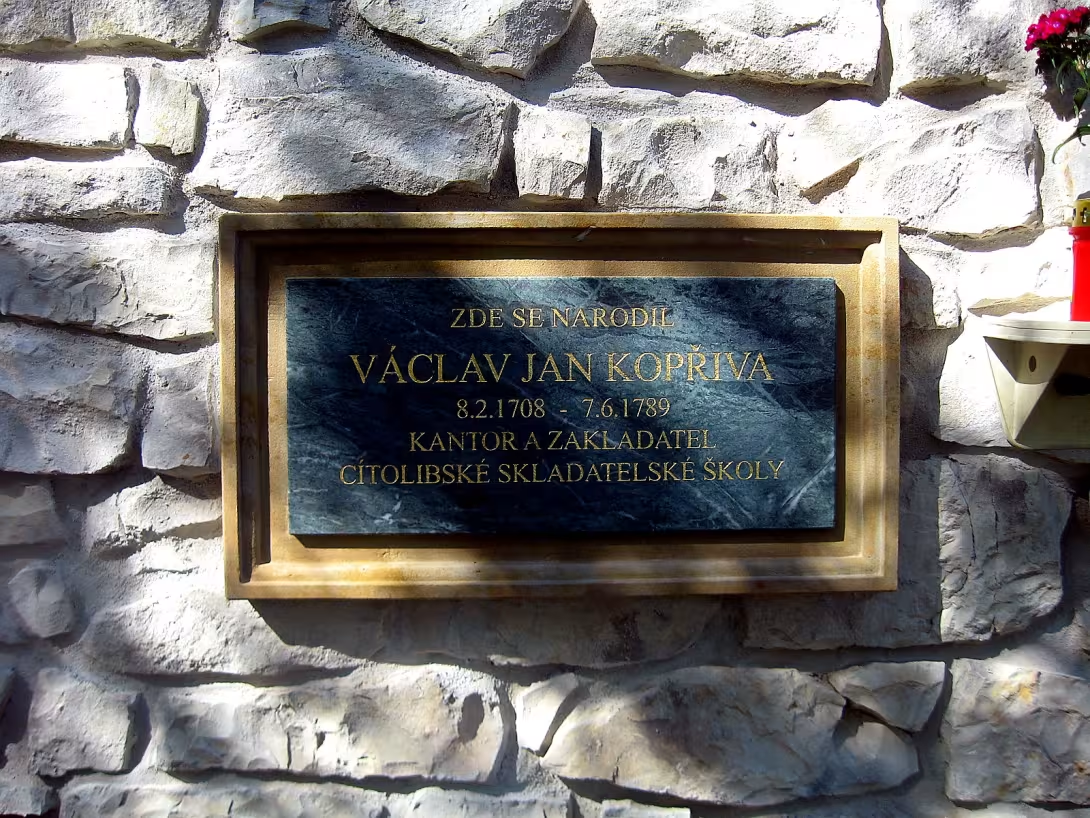
A notable curiosity associated with Vernerův vodní mlýn is its connection to composer Václav Jan Kopřiva, who was born in the mill. In recognition of this cultural link, a commemorative plaque was unveiled in 2009, further enhancing the site's historical and artistic significance.
Today, Vernerův vodní mlýn remains an accessible and intriguing destination for visitors interested in industrial heritage and history. Its well-preserved state offers a rare glimpse into past milling operations and technological advancements. The mill's combination of architectural beauty, historical depth, and cultural connections makes it a worthwhile visit for anyone exploring the region.
Vernerův vodní mlýn stands as a valuable piece of Czech cultural heritage, offering insights into both industrial history and artistic legacy. Its preservation allows visitors to appreciate the intricate blend of technology and architecture from centuries past. For those interested in history, architecture, or simply exploring unique sites, Vernerův vodní mlýn is an inviting destination worth experiencing firsthand.
Then and now
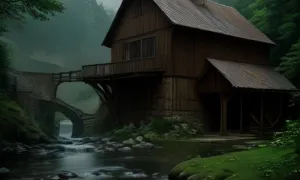
Drag the slider to compare how the landmark may have looked when it was built with the view today.

The historical appearance on the left is an AI-generated visualisation and serves as inspiration only.
Architectural development
Vernerův vodní mlýn is a late Baroque structure with a five-story section housing complete milling operations. It features an overhead water wheel and a supplementary combustion engine by L&K. The mill's technology includes equipment from manufacturers such as Jan Prokopec, Friedrich Wegmann, Gabriel Žižka, Prager Maschinenbau Actien-Gesellschaft, and a Laurin & Klement motor.
Historical events
The mill was constructed in the first half of the 17th century.
It underwent modernization at the turn of the 18th and 19th centuries.
Points of interest
- Despite the tumultuous period of the Thirty Years' War that affected Bohemia, Vernerův vodní mlýn was constructed in the early 17th century, illustrating resilience and continuity in local economic activities during a time of significant upheaval.
- The mill features an unusual combination of historical industrial technologies: it retains its original overhead water wheel while also incorporating a combustion engine from L&K, showcasing an innovative blend of traditional and modern power sources for milling operations.
- Among the various manufacturers whose equipment is preserved at Vernerův vodní mlýn are Jan Prokopec, Friedrich Wegmann, Gabriel Žižka, Prager Maschinenbau Actien-Gesellschaft, and Laurin & Klement. This diverse collection highlights the mill's evolution through different technological eras.
- Composer Václav Jan Kopřiva was born in Vernerův vodní mlýn, adding a layer of cultural significance to the site beyond its industrial heritage. A commemorative plaque unveiled in 2009 honors his connection to this historic location.
- The mill's five-story section dedicated entirely to milling operations is an architectural rarity, featuring both a stream-driven water wheel and additional power from a combustion engine, making it a unique example of preserved historical industrial architecture.
Guide
This guide is narrated by a synthetic voice generated by artificial intelligence.
Show guide text
This text was created by artificial intelligence and has not been editorially reviewed. It may contain inaccuracies.
Welcome to Verner's Water Mill, a unique heritage site in Brloh near Loun. You are standing before the remains of baroque architecture from the late 17th century. The mill is a testament to the resilience and continuity of local economic activities during times of great social change.
Let us move on to the historical context. The mill was built during a time when the Thirty Years' War was taking place on Czech territory. Despite this, local economy managed to continue, as evidenced by this water mill.
Now pay attention to the architecture. The mill is characterized by its five floors and complete milling setup. Water from an inlet drives the water wheel, which is supplemented by water from a surface stream. Notice how the water wheel turns, driving the grinding stones. Take a look at the façade and observe details that testify to its original function.
Verner's Water Mill is also interesting for its combination of various architectural styles. The mill is evidence of how local residents were able to utilize available resources and materials in building their structures.
The mill also has a rich history. In the 18th and 19th centuries, it underwent modernization that made it more efficient and capable of meeting the growing demand for milled goods. The mill remained operational until the 20th century when it was eventually abandoned.
Here we have stopped at Verner's Water Mill, a unique heritage site that testifies to the resilience and continuity of local economic activities. Explore other parts of the complex and take part in this historical event.
Tips for visitors
The best time to visit Vernerův vodní mlýn is during the late spring or early autumn months, when the weather is pleasant for exploring the outdoor areas of the mill complex and its surroundings. During these times, you'll enjoy comfortable temperatures and lush greenery, making it ideal for a leisurely stroll around the site. Additionally, visiting outside of peak tourist seasons can mean fewer crowds, allowing for a more intimate experience with this historical monument.
For those traveling by car, consider arriving early or during weekdays to secure a spot more easily. Regardless of your mode of transportation, planning ahead will ensure a smoother visit.
When visiting Vernerův vodní mlýn, it's recommended to bring comfortable walking shoes as you'll likely be exploring the grounds on foot. Given that some areas might not have extensive shade, sun protection such as hats or sunscreen is advisable during sunny days. Additionally, bringing a camera can help capture the picturesque views of the mill and its late Baroque architecture, especially in natural lighting conditions.
For photography enthusiasts, early morning or late afternoon light offers the best conditions for capturing the beauty of Vernerův vodní mlýn. The soft golden hues during these times enhance the textures and details of the building's architecture. Try to find a spot where you can include both the mill house and the surrounding landscape in your shots, as this will provide context and depth to your photographs.
For families with children, Vernerův vodní mlýn offers an educational outing that combines history with nature. The open spaces around the mill are perfect for kids to explore, making it a great spot for a family picnic or a leisurely walk. While there may not be specific attractions designed solely for children within the site itself, the opportunity to learn about historical milling processes and enjoy outdoor activities nearby can make for an enjoyable day out.
Frequently asked questions
Can the monument be visited?
This is a technical monument. Some are open as exhibitions, others are out of use or on private land. We have not verified whether this one is accessible.
What are the opening hours and admission?
We have not verified the opening hours or admission. Current information is published by the operator. Official website: http://www.vernermlyn.cz/
Where is the monument?
Location: Louny, Ústecký kraj. The map on this page shows the exact spot.
Why is the monument protected?
It is listed in the Central List of Cultural Monuments of the Czech Republic as a cultural monument (register no. 1698941430).
Businesses nearby
Do you run a restaurant, accommodation, shop, museum, rental, wellness or other visitor service near this monument? Show yourself directly to the people heading to it — this is how they will see you in the app and on the web:
Accommodation nearby
Themed route
Vodní mlýn Vernerův
1. Louny (město) - Discover how Louny developed from the Middle Ages to the present day. 2. Louny - kostel svatého Bartoloměje (kostel) - An interesting church with a rich history and stunning architecture. 3. Vodní mlýn Vernerův (mlýn) - The main destination of the route, visit this beautiful water mill and its exhibition.
Seasonal recommendations
Jaro
Spring is the ideal time to visit Verner's Water Mill because nature around it evokes a sense of amazing vitality. The forests are in full bloom, the air is filled with floral scents, and the mill looks like something out of a fairy tale. The lighting also creates a pleasant, warm atmosphere. Visit the mill during the spring season to enjoy beautiful nature and a romantic setting.
Summer
Summer is the main season for visitors to Verner's Water Mill. It is the peak summer season, and many people choose to visit this landmark. We recommend arriving early to avoid crowds and enjoy peaceful tours. Don't forget to bring your sunglasses and an umbrella to protect yourself from the sun.
Fall
Autumn is a beautiful season for visiting Verner's Water Mill. The forests are in full autumn colors, creating a wonderful atmosphere. The lighting is also pleasant and creates a warm environment. Visit the mill during the fall season to enjoy beautiful nature and a romantic setting.
Winter
Winter is a quiet season for visitors to Verner's Water Mill. The mill has more limited hours of operation, so it’s best to visit at a prearranged time. Don’t forget to bring warm clothing and shoes to protect yourself from the cold. The atmosphere is calm and romantic, making it ideal for winter comfort enthusiasts.
Visualizations and artistic views


The visualisations are generated by artificial intelligence and serve as inspiration.
Photos from the area
Real photos taken near the monument


Zdroj a licence jsou uvedeny u každého snímku.
Tips from visitors
No tips yet. Be the first!
Log in and add your tip.
Sources and literature
Photos: Gortyna / CC BY-SA 3.0 — Wikimedia Commons. The author and licence also appear when you hover over the image.
Faktickým podkladem tohoto textu byl článek na Wikipedii, jehož autory jsou přispěvatelé Wikipedie. Článek je dostupný pod licencí CC BY-SA 4.0.
Location on the map


Příběhy a pověsti
Legendy, pověsti a příběhy spjaté s touto památkou
Fotografie návštěvníků
Zatím žádné fotografie. Buďte první, kdo přidá fotografii z návštěvy!
Log in a přidejte svou fotografii nebo hodnoťte.
Za ověřenou návštěvu v aplikaci získáte víc bodů — poznáme podle GPS, že jste na místě.
Reviews and comments