

Větrní jáma Vrbice Mine
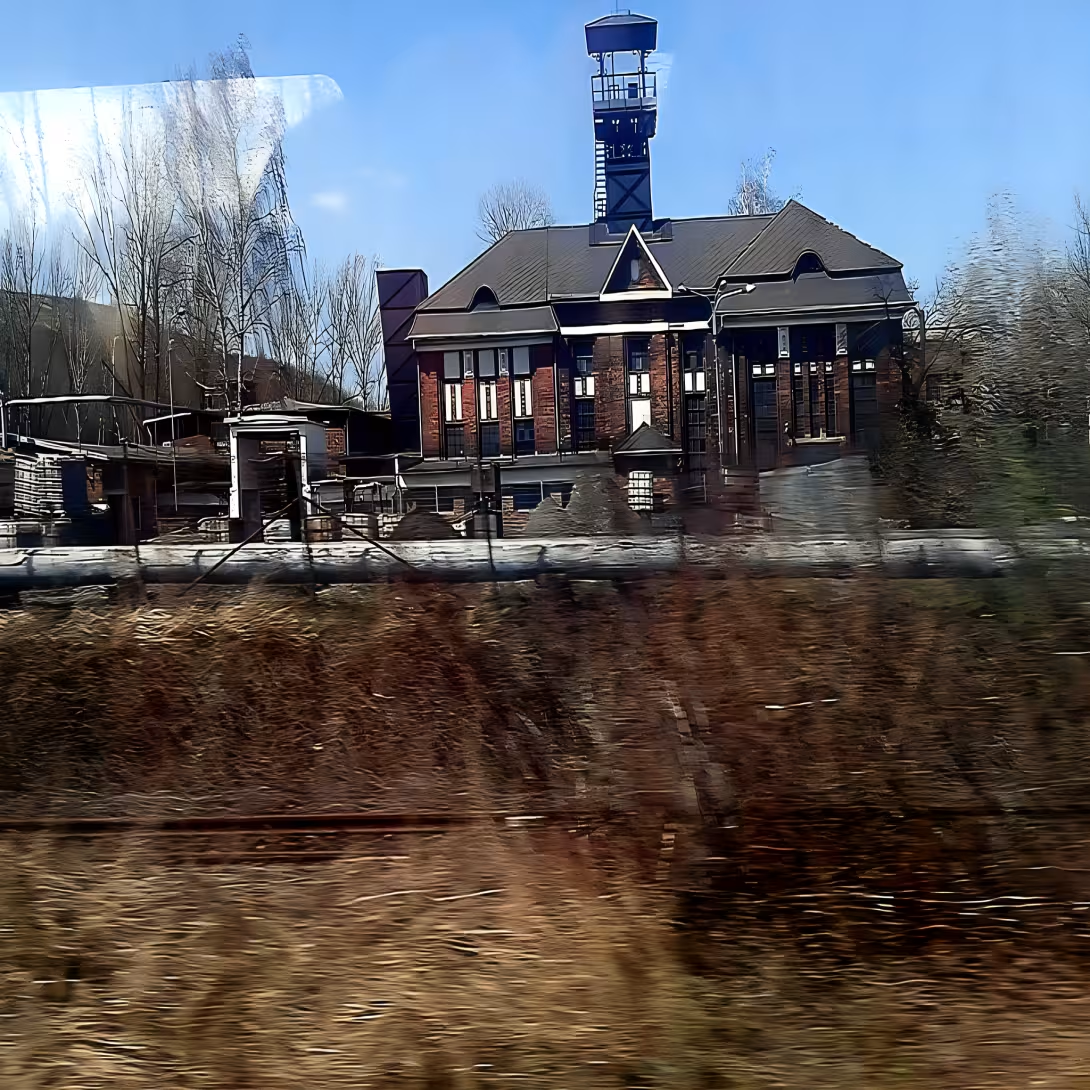
The Větrní jáma Vrbice, a former mine shaft in Hrušov, Czech Republic, was built in 1911 as part of the Hubert coal mine. It served as a ventilation shaft for the eastern part of the mine, featuring unique architectural design with mansard roofs and a distinctive layout.
During its operational years, the Větrní jáma Vrbice underwent several architectural phases. In 1928, two electric ventilators were installed, followed by the installation of an electric compressor in 1942. The complex also featured a pioneering innovation – a system for heating water using methane gas.
The mine shaft played a significant role in Bohemia's coal mining industry during the early 20th century. Its construction began and ended in 1911. Designed to provide ventilation for the eastern part of the mine, it was equipped with a unique system for heating water using methane gas.
Today, the Větrní jáma Vrbice is a cultural monument, declared as such by the Ministry of Culture in 1993. It has undergone significant restoration efforts, including major renovations in the 1950s and 1960s. The site remains an important part of Czech industrial heritage, worth visiting for its unique architecture and historical significance.
Located in Hrušov, a small town in the Ostrava district, visitors can access the site through guided tours, gaining insight into its history and operations. The site's current state reflects its former life as an industrial monument, with many original features still intact.
The Větrní jáma Vrbice is a testament to the region's rich industrial heritage and the innovative spirit of its workers. Its unique architecture and historical significance make it a must-visit destination for anyone interested in Czech history and industry.
Then and now
Drag the slider to compare how the landmark may have looked when it was built with the view today.
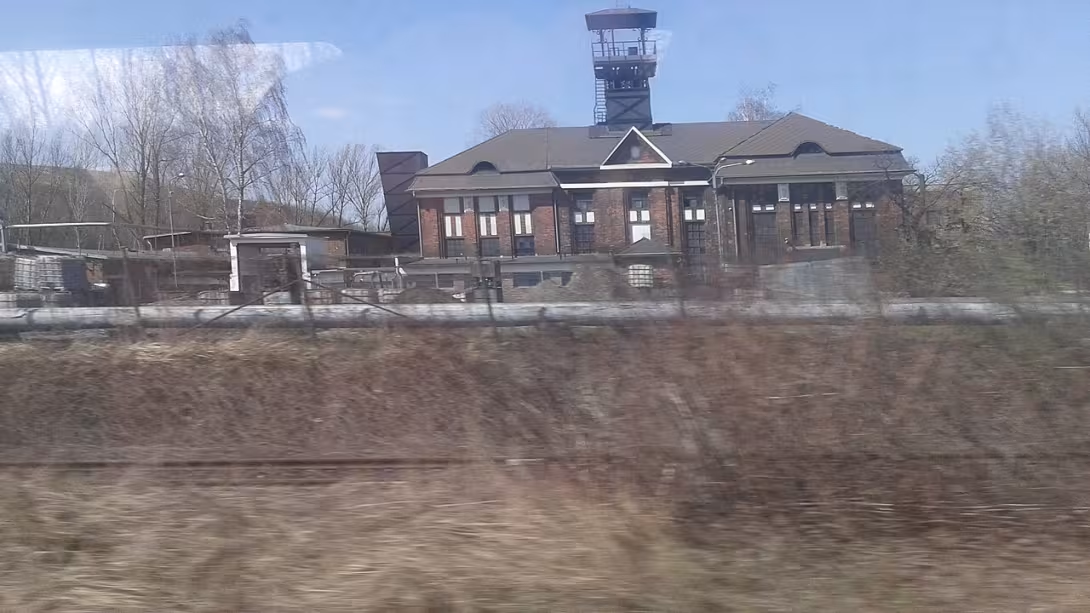
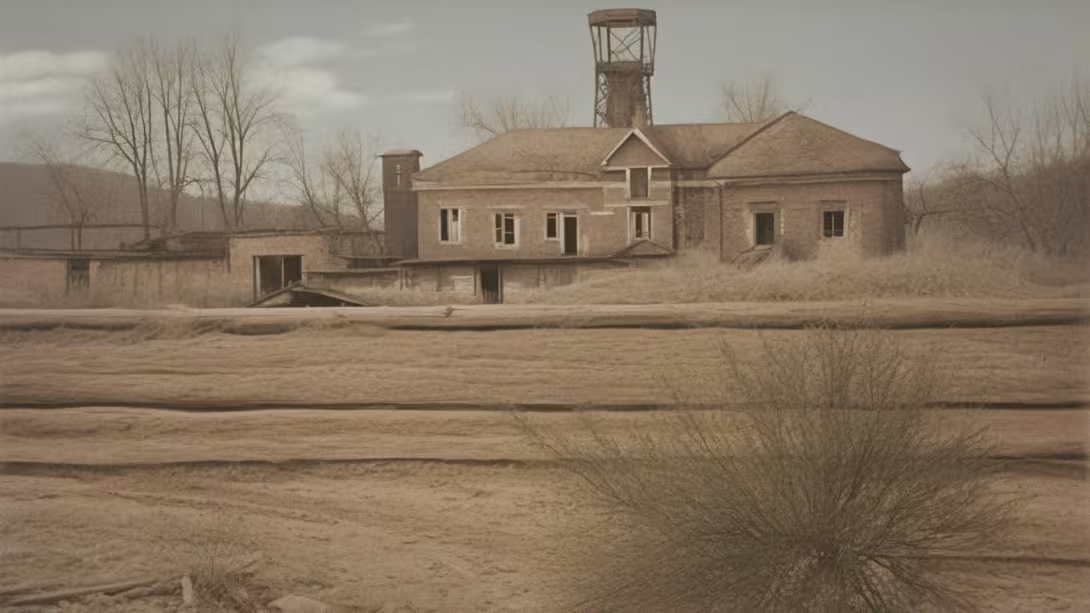
The historical appearance on the left is an AI-generated visualisation and serves as inspiration only.
Historical milestones
- 1911
- Construction of the Větrní jáma Vrbice mine shaft began and ended.
- 1928
- Two electric ventilators were installed.
- 1942
- An electric compressor was installed.
- 1950
- Major renovations took place.
- 1960
- Further major renovations occurred.
- 1993
- The Větrní jáma Vrbice was declared a cultural monument by the Ministry of Culture.
Architectural development
The mine shaft underwent several architectural phases, including the installation of an electric compressor and two electric ventilators. The complex features a unique design with mansard roofs and a distinctive layout.
Historical events
The mine shaft was built in 1911
An electric compressor was installed in 1942
A second electric ventilator was installed in 1928
Points of interest
– The Větrní jáma Vrbice was built in 1911 as part of the Hubert coal mine and served as a ventilation shaft for the eastern part of the mine.
– In 1928, two electric ventilators were installed, followed by the installation of an electric compressor in 1942.
– The site features a pioneering innovation – a system for heating water using methane gas.
– Today, the Větrní jáma Vrbice is a cultural monument, declared as such by the Ministry of Culture in 1993.
– The site has undergone significant restoration efforts, including major renovations in the 1950s and 1960s.
Guide
This guide is narrated by a synthetic voice generated by artificial intelligence.
Show guide text
This text was created by artificial intelligence and has not been editorially reviewed. It may contain inaccuracies.
Welcome to Hrušov. As you stand here, facing the Větrní jáma Vrbice, take a moment to let the atmosphere of this place settle around you. You are standing before a structure that, while perhaps appearing quiet now, was once a vital, pulsing part of a much larger industrial organism. This is not just a building; it is a testament to an era when the earth beneath our feet held the energy that powered a nation. As you look at the silhouette of the shaft against the sky, try to imagine the sounds and the energy that once defined this landscape.
To understand what you see, we must travel back in time to the beginning of the twentieth century. The Větrní jáma Vrbice was born in 1911, a year of significant industrial growth. It was constructed as an essential component of the Hubert coal mine, serving a very specific and critical purpose. In the deep, dark tunnels of a coal mine, the air is everything. Without a constant, controlled flow of fresh air, the work of the miners would be impossible and incredibly dangerous. This structure was designed to be the lungs of the eastern part of the Hubert mine. It was a ventilation shaft, a conduit through which the mine could breathe. When the construction was completed in 1911, it represented the cutting edge of mining infrastructure, ensuring that the lifeblood of the operation—the air—could reach the workers deep underground.
Now, I invite you to turn your attention to the architecture of the building itself. It is easy to assume that industrial structures of this period were purely functional, stripped of any aesthetic consideration. However, as you observe the Větrní jáma Vrbice, you will notice that this is not the case. The architect, František Fiala, brought a sense of deliberate design to this utility. Notice the distinctive layout and the way the structure commands its immediate surroundings. One of the most striking features to observe is the presence of the mansard roofs. This choice of roofing is quite unusual for a ventilation shaft, lending the building a sense of dignity and architectural character that sets it apart from standard industrial sheds. It suggests that even in the height of the industrial age, there was a desire to marry utility with elegance. As you look at the lines of the building, appreciate how František Fiala managed to transform a piece of heavy machinery into a landmark that possesses its own unique personality.
As we move through the history of this site, we can see how it evolved alongside the technology of the time. The shaft was not a static object; it was a living part of the mining industry that underwent constant adaptation. Let us consider the year 1928. By this time, the needs of the Hubert mine had grown, and the technology of ventilation had advanced. In that year, two electric ventilators were installed here. This was a significant moment, marking a transition from older, perhaps less efficient methods of air management to the precision of electric power. The installation of these ventilators would have fundamentally changed the rhythm of the mine, providing a more reliable and powerful breath to the eastern sectors.
The evolution continued as the decades progressed. In 1942, during a period of immense global upheaval, an electric compressor was installed within this complex. This addition further modernized the site, enhancing the technical capabilities of the shaft. Even as the mid-century approached, the importance of the Větrní jáma Vrbice remained clear. Major renovations were undertaken in 1950, and again in 1960. These periods of renewal tell us that the shaft remained a critical asset, a piece of infrastructure that required constant care and upgrading to meet the demands of an evolving mining industry. Each renovation was a layer of history, a sign that the Hubert mine was still very much alive and dependent on this very spot.
There is a certain mystery in the silence that surrounds the shaft today. While we know the technical milestones and the names of the architects, the individual stories of the men and women who worked in its shadow remain largely unknown. We do not have the names of the specific engineers who oversaw the 1950s renovations, nor the personal accounts of the miners who felt the rush of air from these vents every single day. Yet, their presence is felt in the very stones and structures of the site. Every piece of equipment installed, every renovation completed, was driven by the human need to work more safely and more efficiently.
Perhaps the most remarkable fact about this site is how its perception has changed over the last century. For many decades, it was seen purely through the lens of industry—a tool, a machine, a necessity. However, in 1993, a profound shift occurred. The Větrní jáma Vrbice was officially declared a cultural monument by the Ministry of Culture. This designation changed everything. It moved the shaft from the category of "industrial equipment" to "cultural heritage." It recognized that this structure is not just a relic of coal mining, but a piece of the history of the Czech Republic, a monument to the ingenuity and the labor of the people of Hrušov and the surrounding regions.
As you stand here, I encourage you to look closely at the details that have survived the passage of time. Notice how the structure stands as a bridge between the industrial past and our present moment. It is a reminder of the immense effort required to extract the resources that built our modern world. The Větrní jáma Vrbice is a silent witness to the rise and fall of the coal era, a dignified survivor of a time of great change.
Thank you for joining me on this brief journey through the history of this remarkable site. As you continue your walk through Hrušov, I invite you to keep your eyes open for the small traces of history that linger in the landscape. There is so much more to discover in this area, and each step you take is a step further into the story of this land. Please, enjoy the rest of your visit and continue to explore the beauty and the history that surrounds you.
Tips for visitors
The best time to visit Větrní jáma Vrbice is during the spring and autumn seasons when the weather is mild and sunny, making it ideal for photography and exploration.
Visitors can park their vehicles near the entrance of the mine shaft.
When visiting Větrní jáma Vrbice, be sure to bring comfortable walking shoes, as you'll need to navigate uneven terrain and stairs. Don't forget your camera and a bottle of water!
The best spots for photography at Větrní jáma Vrbice are near the entrance, where you can capture the mine shaft's unique architecture and surrounding landscape.
For families with children, consider visiting nearby Hrušov, which offers playgrounds and green spaces perfect for a picnic or some fresh air.
Frequently asked questions
Can the monument be visited?
This is a technical monument. Some are open as exhibitions, others are out of use or on private land. We have not verified whether this one is accessible.
What are the opening hours and admission?
We have not verified the opening hours or admission. Current information is published by the operator.
Where is the monument?
Location: Hrušov. The map on this page shows the exact spot.
Why is the monument protected?
It is listed in the Central List of Cultural Monuments of the Czech Republic as a cultural monument (register no. 1000120136).
Businesses nearby
Do you run a restaurant, accommodation, shop, museum, rental, wellness or other visitor service near this monument? Show yourself directly to the people heading to it — this is how they will see you in the app and on the web:
Nearby
🏰 Historic sites (176)
- I WŚ 1.3 km
- Landek 2.5 km
- Památník Rudé armády 2.9 km
- I WŚ 3.0 km
- Hornické muzeum 3.0 km +420 596 131 804 web
- Oběti 2. světové války 3.2 km
- Hornik 3.2 km
- Zámek Rychvald 3.4 km
- Parní lokomotiva 3.4 km
- Hasičské muzeum města Ostravy 3.4 km Zákrejsova 53/3 +420 596 136 841 web
- Petr Bezruč 3.5 km
- Jan Amos Komenský 3.6 km
- Klubovna Jeden Tag & Galerie Nibiru 3.6 km U Tiskárny 2
- Památník válečným veteránům 3.9 km
- Pomník osvobození Rudou armádou 4.0 km
- Muzeum Keltičkova kovárna 4.0 km web
- Petr Bezruč 4.1 km
- Pomník Miloše Sýkory 4.1 km
- Zborovský památník 1. a 2. zahraničního odboje 4.1 km
- Karel Kryl 4.2 km
🍽️ Restaurants and dining (862)
- ISORA 1.7 km
- Bufet u ŽABY 1.8 km
- Restaurace Beseda 2.3 km Vrbická 614/131 +420774943788 web
- Restaurace Prostorica 2.3 km web
- Stop Cafe 2.4 km Muglinovská 901/69 web
- Kavárna U Kapličky 2.5 km
- Slezská zahrada 2.7 km
- Restaurace Eden 2.7 km web
- Restaurace U Sněhoty 2.9 km +420 732 541 647
- KFC 3.0 km Antošovická +420 235 013 446 web
- U Dzina 3.0 km +420 596 116 617 web
- Restaurace U Lucy 3.0 km
- BistrOpen 3.1 km web
- Club restaurant Na Hájkové 3.1 km Hájkova 558/1 +420 777 592 886 web
- Tenisová restaurace 3.1 km web
- Asijské bistro 3.1 km
- Harenda u Barborky 3.1 km +420 604 638 684 web
- Stop Cafe 3.1 km web
- Áčko Hladnov 3.2 km Kranichova 1433/8
- Na Hrázi 3.2 km
🏨 Accommodation (72)
- Hotel-ISORA, s.r.o. 1.7 km
- Sdružení naturistů Ostrava 2.3 km
- Slezská zahrada 2.7 km
- Camp Landek Park 3.2 km +420 702 206 683; +420724539719 web
- city-city 3.4 km web
- Nikolas 3.5 km +420 596 134 000 web
- Hotel Slezská 3.6 km Keltičkova 1297/60 web
- Hotel Max Šimek 3.7 km Nádražní 839/186 web
- Studentská Residence Slezská, a.s. 3.9 km +420555558231 web
- Green Hotel 3.9 km
- Penzion Silma 4.0 km Úvozní 5 web
- Hotel Maria 4.0 km
- Hotel Mercure Ostrava Center 4.1 km
- Ubytovna BOSPOR 4.3 km Revoluční +420 730 521 454; +420 731 134 096 web
- Polský dům 4.3 km Poděbradova 1152/53
- Quality Hotel Ostrava City 4.5 km +420 595 195 000 web
- Hotel Brioni 4.5 km web
- Hotel Imperial 4.6 km Tyršova 211/4 +420 599 099 099 web
- Pension Eva 4.6 km
- Kampus Palace 4.7 km +420 777 101 615 web
🚲 Rentals and sport (118)
- Sportisimo outlet shop 1.4 km
- Sportovní hala SAREZA 3.0 km
- Bowling U Barborky 3.1 km
- SC Ostrava 3.1 km web
- Čapkova sokolovna 3.4 km web
- Bazénové centrum 3.5 km web
- Koupaliště 3.5 km
- Via ferrata Bazaly 3.5 km
- Cargo Bike Daddy 3.9 km Sokolská třída 318/39 +420 721 573 679 web
- Adidas 4.1 km
- HUDYsport 4.2 km +420596115176 web
- Joma 4.2 km Na Hradbách 1161/5 web
- Sportisimo 4.3 km
- Bicykly.cz 4.3 km Nádražní 385 +420 773 594 957 web
- D-Sport Outlet 4.3 km
- D-Sport 4.3 km
- Alpsport 4.4 km web
- Bang bang 4.5 km +420 734 876 767 web
- Husky 4.8 km web
- Bonver aréna 4.9 km
🥾 Hiking and nature (203)
- Přívozská halda 2.6 km
- Žirafy 2.9 km
- Lemuři 2.9 km
- Velbloudi 2.9 km
- Zebry 3.0 km
- Michalíkův sad 3.0 km
- Kočkodam dianin 3.0 km
- Expozice báňského záchranářství 3.1 km
- Jeleni 3.1 km
- Řetízková šatna 3.1 km
- Ráj lemurů 3.1 km
- Chacharova vyhlídka 3.1 km
- Hřbitov vyhynulých zvířat 3.1 km
- Orli 3.2 km
- Mini ZOO 3.2 km
- Sloni 3.2 km
- Komenského sady 3.2 km
- Sovy 3.2 km
- Expozice důlních strojů 3.2 km
- Malé šelmy 3.2 km
Accommodation nearby
Themed route
Windy Hole Vrbice Tour
The main attraction of this tour is the Větrní jáma Vrbice (důl), a fascinating wind tunnel located in the heart of Hrušov.
Stop 1: The Windy Hole Vrbice Type: Geological feature Why visit: This unique natural wonder offers an insight into the region's geological history. As you descend into the wind tunnel, you'll experience the thrill of being surrounded by the rushing air.
Stop 2: Hrušov Village Type: Local community Why visit: Take a stroll through this charming village and get a glimpse into rural life in the Czech Republic. Admire the traditional architecture and soak up the friendly atmosphere.
Stop 3: The Surrounding Countryside Type: Scenic landscape Why visit: Enjoy the picturesque views of the rolling hills and fields, which offer a serene contrast to the excitement of the wind tunnel. Take a moment to appreciate the beauty of nature and the tranquility of the surroundings.
This tour is approximately 5 kilometers long and takes around 2-3 hours to complete.
Seasonal recommendations
Spring
As you visit Větrní jáma Vrbice, you'll be greeted by the awakening nature around you. The spring season brings vibrant greenery and blooming flowers to the area, creating a picturesque atmosphere. Take advantage of the mild weather and plan your visit during the morning or late afternoon to avoid crowds.
Summer
During the summer months, Větrní jáma Vrbice transforms into a warm and welcoming destination. Enjoy the sunshine and take in the sights and sounds of nature in full bloom. Be prepared for larger crowds and consider arriving early to beat the heat. Wear comfortable clothing and don't forget your sunscreen!
Autumn
As autumn arrives, Větrní jáma Vrbice takes on a cozy and inviting charm. The foliage is ablaze with vibrant colors, creating a stunning backdrop for your visit. Take in the crisp air and enjoy the peaceful atmosphere as you explore the area. Be mindful of the cooler temperatures and dress accordingly.
Winter
As winter sets in, Větrní jáma Vrbice becomes a serene and magical destination. The snow-covered landscape creates a tranquil atmosphere, perfect for a quiet and contemplative visit. Wrap up warm and plan your visit during the morning or early afternoon to avoid the cold.
Visualizations and artistic views


The visualisations are generated by artificial intelligence and serve as inspiration.
Photos from the area
Real photos taken near the monument

Zdroj a licence jsou uvedeny u každého snímku.
Tips from visitors
No tips yet. Be the first!
Log in and add your tip.
Sources and literature
Photos: Ikcur / CC BY-SA 4.0, rozlišení zvýšeno umělou inteligencí — Wikimedia Commons. The author and licence also appear when you hover over the image.
Faktickým podkladem tohoto textu byl článek na Wikipedii, jehož autory jsou přispěvatelé Wikipedie. Článek je dostupný pod licencí CC BY-SA 4.0.
Location on the map

Příběhy a pověsti
Legendy, pověsti a příběhy spjaté s touto památkou

Fotografie návštěvníků
Přidat fotografiiZatím žádné fotografie. Buďte první, kdo přidá fotografii z návštěvy!
Máte k místu vzpomínku nebo zajímavý příběh?
Log in a přidejte svou fotografii nebo hodnoťte.
Za ověřenou návštěvu v aplikaci získáte víc bodů — poznáme podle GPS, že jste na místě.
Reviews and comments