






Věž smrti Tower
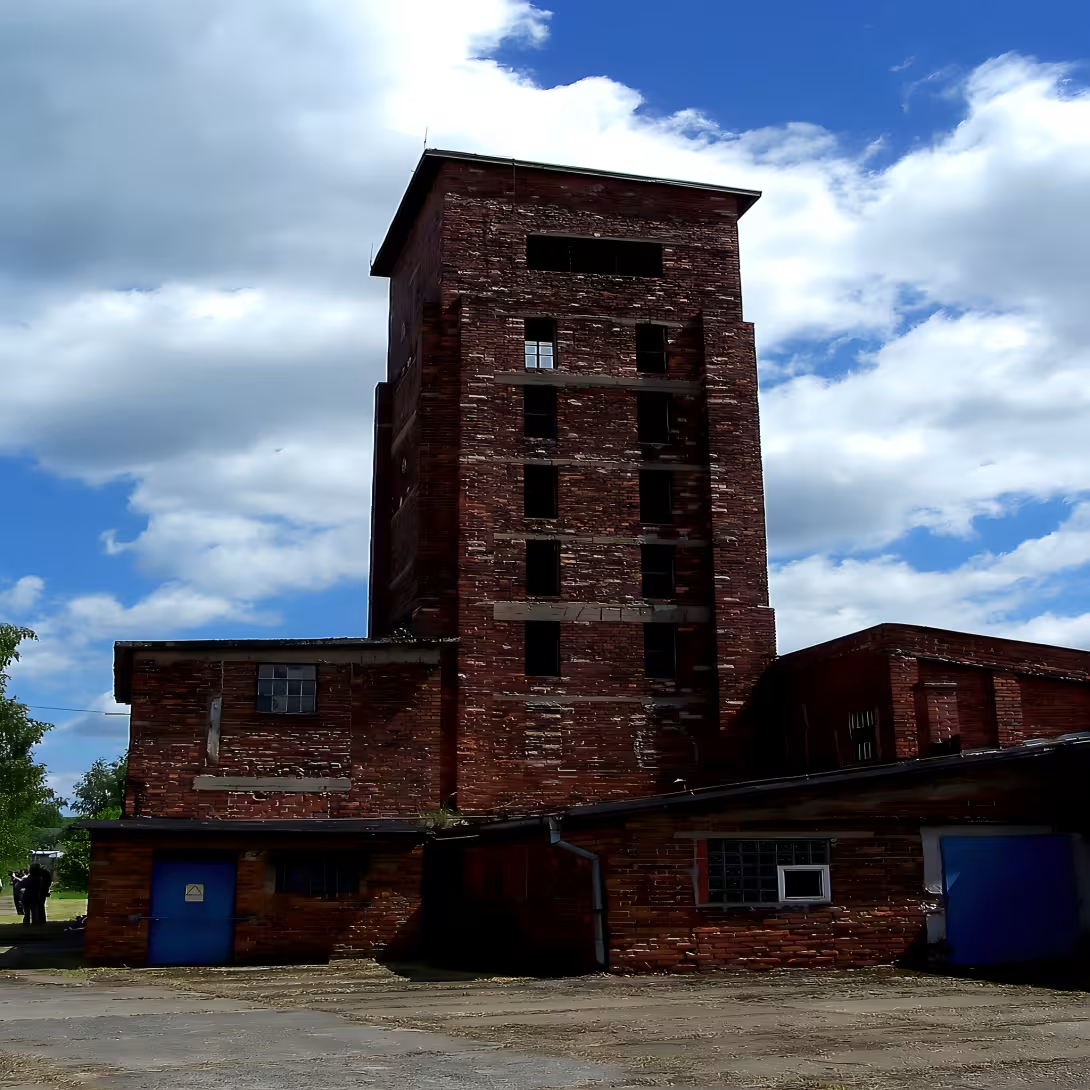
The Red Tower of Death, a national cultural monument in the Czech Republic, commemorates the dark era of communist rule. Originally an uranium ore processing facility within a political prisoner labor camp, it is part of UNESCO's World Heritage List.
This seven-story structure was built in the 1950s and served as a crucial facility in the communist-era labor camp. Dubbed the 'Red Tower of Death' due to its red color and harsh conditions faced by prisoners, many died from radiation exposure, poor living conditions, and exhaustion.
The camp was part of a larger uranium mining operation in the Krušnohoří region. During the communist era, the Czechoslovak government forced political prisoners to work in labor camps like this one, extracting uranium for nuclear weapons production.
The tower's history began in 1951 when the camp was established. Miroslav Pibil led the camp until 1955, and it closed in 1956. The tower serves as a testament to the harsh conditions faced by prisoners who worked there and reminds us of the dark era of communist rule.
Today, the Red Tower of Death is owned by the Confederation of Political Prisoners of the Czech Republic and managed by the National Monument Institute. Visitors can access the tower by prior arrangement with the owner. In 2022, an exhibition was opened in the tower, showcasing the lives of prisoners in the uranium mine labor camp.
The Red Tower of Death is a significant historical monument offering a glimpse into the harsh conditions faced by political prisoners during the communist era. It is worth visiting to learn more about this dark period in Czech history and pay respects to those who suffered and died under the communist regime.
Then and now
Drag the slider to compare how the landmark may have looked when it was built with the view today.
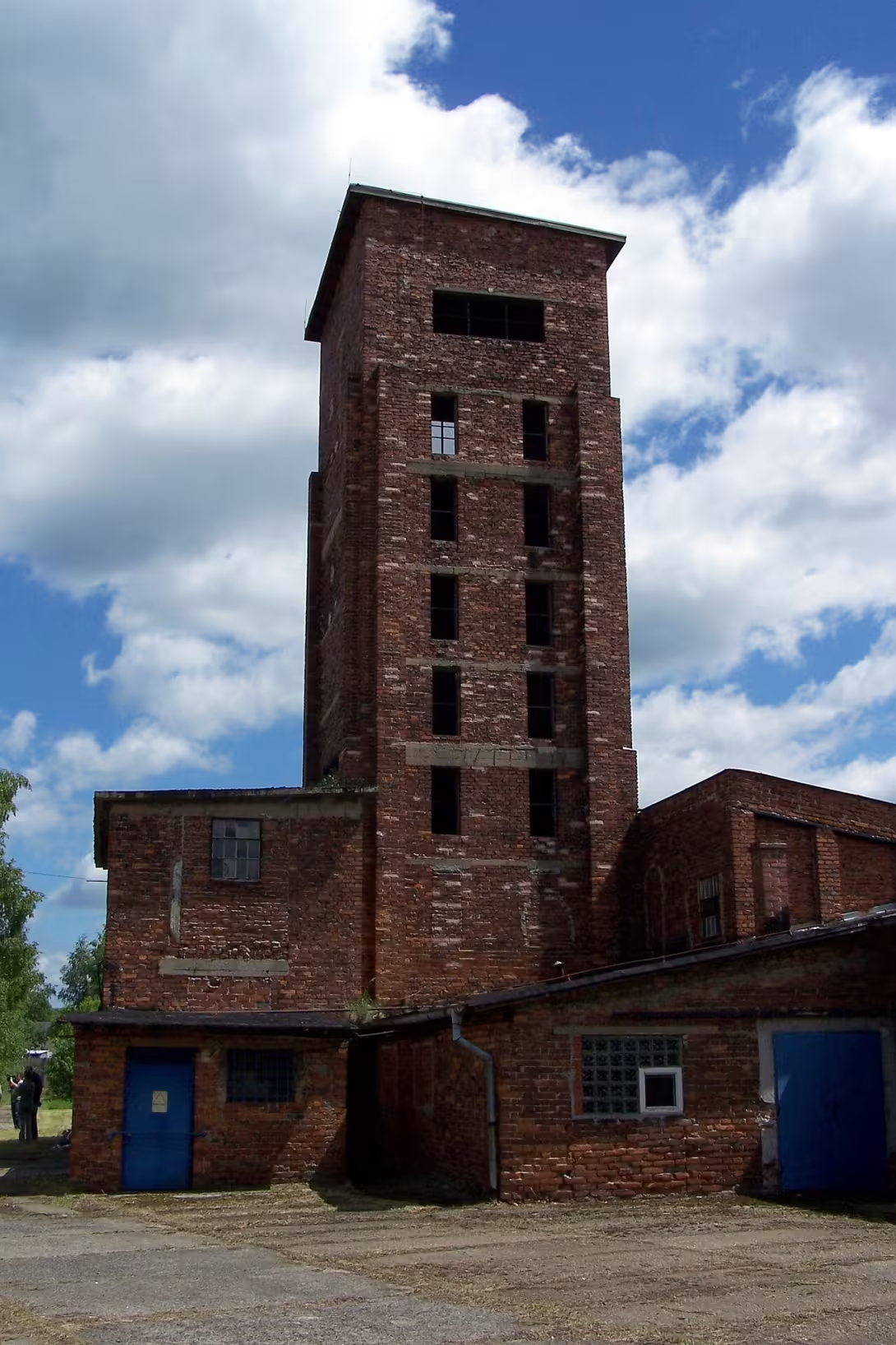
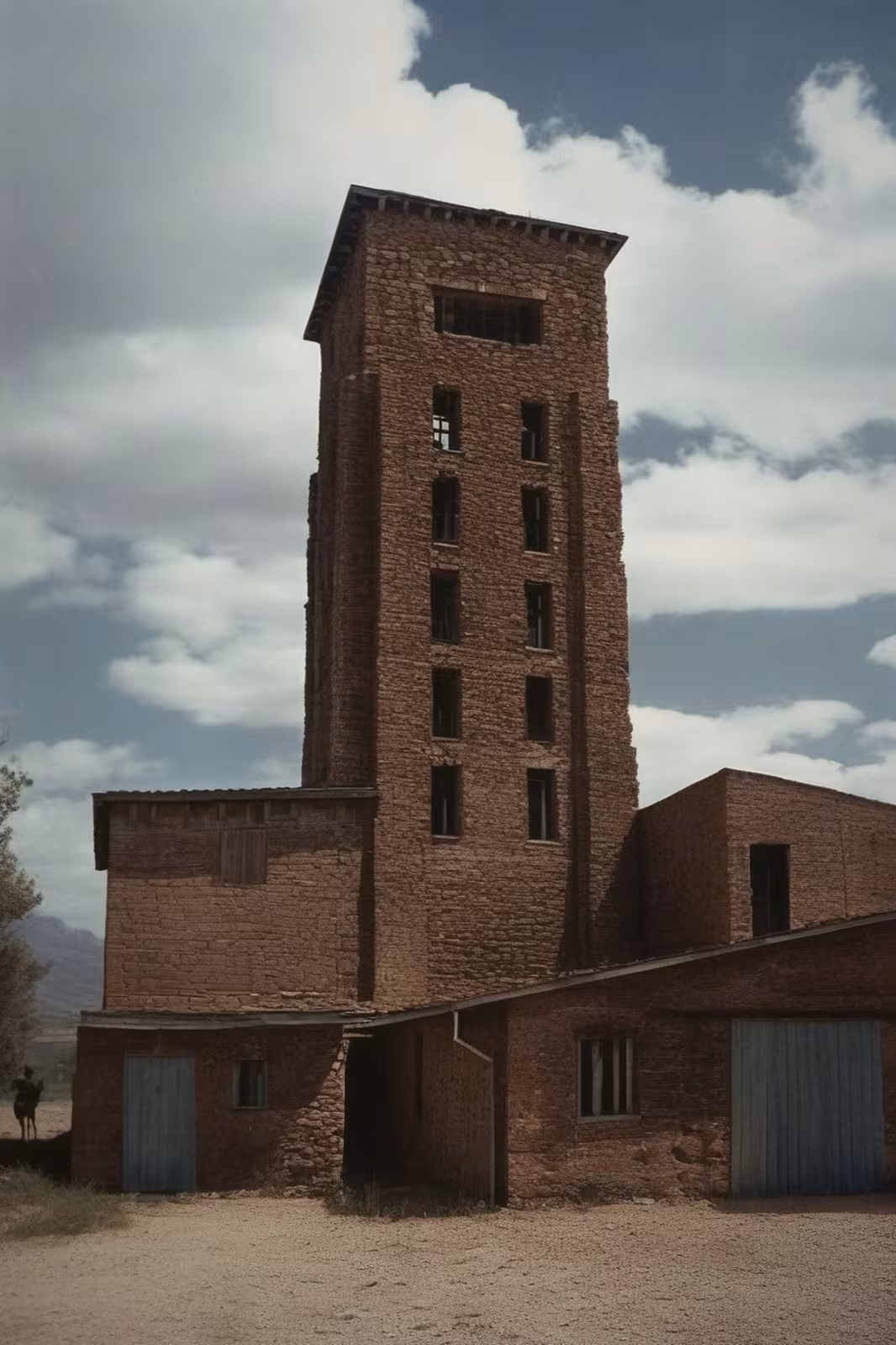
The historical appearance on the left is an AI-generated visualisation and serves as inspiration only.
Historical milestones
- 1951
- The camp began operating.
- 1955
- Miroslav Pibil became the camp's leader.
- 1956
- The camp was closed.
Architectural development
The tower is a seven-story structure used for processing uranium ore. It was built in the 1950s and served as a key facility in the communist-era labor camp.
Historical events
- 1951
- The camp was established.
- 1955
- Miroslav Pibil became the camp's leader until 1955.
- 1956
- The camp was closed.
Owners
Konfederace politických vězňů České republiky
Národní památkový ústav
Points of interest
– The Red Tower of Death was originally built to process uranium ore, but it also served as a makeshift hospital for prisoners who fell ill due to harsh working conditions and poor living conditions.
– Despite its ominous name, the tower's red color is not due to its original purpose, but rather from the rust that formed on the exterior walls over time.
– The camp where the tower was located was one of many labor camps established by the communist government, with estimates suggesting that tens of thousands of political prisoners were forced to work in such conditions throughout the country.
– The exhibition opened in 2022 inside the Red Tower of Death features personal stories and artifacts from former prisoners who worked in the uranium mine labor camp, offering a poignant glimpse into their lives under harsh communist rule.
Guide
This guide is narrated by a synthetic voice generated by artificial intelligence.
Show guide text
This text was created by artificial intelligence and has not been editorially reviewed. It may contain inaccuracies.
Welcome to the Red Tower of Death, a national cultural monument in the Czech Republic. As you stand before this historic landmark, take a moment to absorb its imposing presence.
As you gaze upon the tower's rugged exterior, you might wonder about its origins and significance. Well, let me tell you that this structure has a rich history dating back to 1951 when it was built as an uranium ore processing facility in a political prisoner labor camp. Yes, you heard that right - a prison camp.
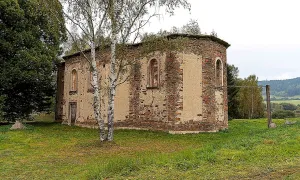
Now, take a closer look at the tower's architecture. Notice how its imposing walls seem to loom over you, casting long shadows on the ground below. The red hue of the stone gives it a sense of foreboding, as if warning visitors of the dark era it commemorates.
As you explore this site, you may be interested to know that Miroslav Pibil was the camp's leader from 1955 until its closure in 1956. His story is just one of many fascinating tales surrounding this place.
But what might surprise you is that The Red Tower of Death wasn't just a processing facility - it also served as a makeshift hospital for prisoners who fell ill due to harsh working conditions and poor living conditions. It's a sobering reminder of the human cost of political oppression.
As you continue your exploration, take a moment to appreciate the atmosphere of this place. The weight of history hangs heavy in the air, and yet, there's a sense of hope and resilience that permeates every stone.
Before we part ways, let me share one more fascinating fact with you - did you know that The Red Tower of Death is actually part of UNESCO's World Heritage List? It's a testament to the enduring significance of this site as a symbol of resistance and perseverance in the face of adversity.
As you leave this historic landmark, I hope you'll carry with you not only a deeper understanding of its past but also a sense of respect for the people who lived through those tumultuous times. Thank you for joining me on this journey - I hope to see you again soon.
Tips for visitors
Best Time to Visit: The Red Tower of Death is open year-round, but the best time to visit is during spring and autumn when the weather is mild and sunny. This allows for optimal photography opportunities and a more enjoyable experience overall. The surrounding landscape features rolling hills and forests, making it an ideal spot for a scenic drive. What to Bring: Wear comfortable shoes and dress according to the weather. It's recommended to bring water and snacks as there are no facilities available on site. Photography – Best Spots and Light: The tower is most photogenic during sunrise or sunset when the light is soft and golden. Try capturing the tower from different angles, such as from the nearby hills or forests, for unique perspectives. What to See Nearby (30 minutes away): Visit the charming town of Vykmanov, which offers a glimpse into traditional Czech life. Explore the surrounding forests and rolling hills for scenic views and hiking opportunities.
Frequently asked questions
Can the monument be visited?
We have not verified whether this monument is accessible. Please ask the owner or operator, or the local municipal office. According to the heritage register the structure is in poor condition – do not enter it and take care nearby.
Where is the monument?
Location: Dolní Žďár, Karlovarský kraj. The map on this page shows the exact spot.
Why is the monument protected?
It is listed in the Central List of Cultural Monuments of the Czech Republic as a national cultural monument (register no. 317).
Businesses nearby
Do you run a restaurant, accommodation, shop, museum, rental, wellness or other visitor service near this monument? Show yourself directly to the people heading to it — this is how they will see you in the app and on the web:
Nearby
The tower is located near Vykmanov, Dolní Žďár, Karlovy Vary District. The surrounding landscape features rolling hills and forests.
Accommodation nearby
Trips and activities nearby
Guided tours, tickets and activities nearby from GetYourGuide
Affiliate link: if you buy from the partner, we may receive a commission. The price for you does not change.
Search tours and activities →Themed route
Death Tower Trail
This thematic trail takes you through the rolling hills and forests surrounding the Wież smrti (Death Tower), a unique landmark located near Vykmanov in Dolní Žďár.
Stop 1: Vykmanov Village Type: Village Why visit: Get a glimpse of rural life in this charming village, surrounded by picturesque hills and forests. Take a stroll along the main street to admire the traditional architecture and visit the local church.
Stop 2: Rolling Hills** Type: Nature Why visit: Enjoy the breathtaking views from the top of these rolling hills, which offer a panoramic view of the surrounding landscape. Take a moment to appreciate the tranquility of this natural setting.
Stop 3: Wież smrti (Death Tower) Type: Landmark Why visit: This unique tower is steeped in history and offers stunning views of the surrounding countryside. Learn about its significance and take a moment to reflect on the stories it holds.
This trail takes you through the heart of nature, allowing you to connect with the beauty of the landscape while exploring the fascinating Wież smrti (Death Tower).
Seasonal recommendations
Here are the seasonal recommendations for visiting the Death Tower ( Věž smrti) in Dolní Žďár, Karlovarský kraj:
Spring
As the snow melts and the trees regain their vibrant colors, the atmosphere around the Death Tower becomes more serene. The surrounding nature awakens from its winter slumber, with blooming flowers and chirping birds adding to the peaceful ambiance. In the spring, the tower's dark stone walls seem even more imposing against the bright green backdrop.
Practical tips: Be prepared for moderate weather conditions, with temperatures ranging from 10°C to 15°C (50°F-59°F). Wear comfortable shoes and layers of clothing to adjust to changing temperatures. Avoid visiting during peak hours (9 am - 11 am) when the site can get busy.
Summer
During the summer months, the Death Tower is surrounded by lush greenery, with wildflowers blooming in every direction. The warm sunshine casts long shadows across the stone walls, giving the structure an even more ominous appearance. Visitors flock to the site during this time, so be prepared for larger crowds and longer lines.
Practical tips: Plan your visit early in the morning or later in the evening to avoid the peak sun hours (11 am - 3 pm). Wear comfortable clothing and shoes suitable for walking on uneven terrain. Don't forget sunscreen and a hat to protect yourself from the summer sun.
Autumn
As autumn arrives, the surrounding landscape transforms into a kaleidoscope of colors, with golden leaves rustling in the gentle breeze. The air is crisp and cool, carrying the scent of ripe fruit and damp earth. The Death Tower stands tall against this picturesque backdrop, its stone walls seeming even more foreboding.
Practical tips: Be prepared for cooler temperatures (5°C-15°C / 41°F-59°F) and potential rain showers. Wear layers of clothing and bring a waterproof jacket to stay dry. Avoid visiting during peak hours when the site can get busy with tourists and locals alike.
Winter
During the winter months, the Death Tower is shrouded in a thick layer of snow, giving it an even more mystical appearance. The surrounding landscape becomes a winter wonderland, with frozen lakes and snow-covered trees creating a serene atmosphere.
Practical tips: Dress warmly in layers, including a hat, gloves, and scarf. Bring waterproof shoes or boots suitable for walking on icy terrain. Avoid visiting during peak sun hours (11 am - 1 pm) when the site can get busy with winter enthusiasts.
Visualizations and artistic views


The visualisations are generated by artificial intelligence and serve as inspiration.
Photos from the area
Real photos taken near the monument


Zdroj a licence jsou uvedeny u každého snímku.
Tips from visitors
No tips yet. Be the first!
Log in and add your tip.
Sources and literature
Photos: Michal Louč / CC BY-SA 4.0, rozlišení zvýšeno umělou inteligencí — Wikimedia Commons. The author and licence also appear when you hover over the image.
Location on the map
Fotografie návštěvníků
Zatím žádné fotografie. Buďte první, kdo přidá fotografii z návštěvy!
Log in a přidejte svou fotografii nebo hodnoťte.
Za ověřenou návštěvu v aplikaci získáte víc bodů — poznáme podle GPS, že jste na místě.
Reviews and comments