






Věžka Ruin
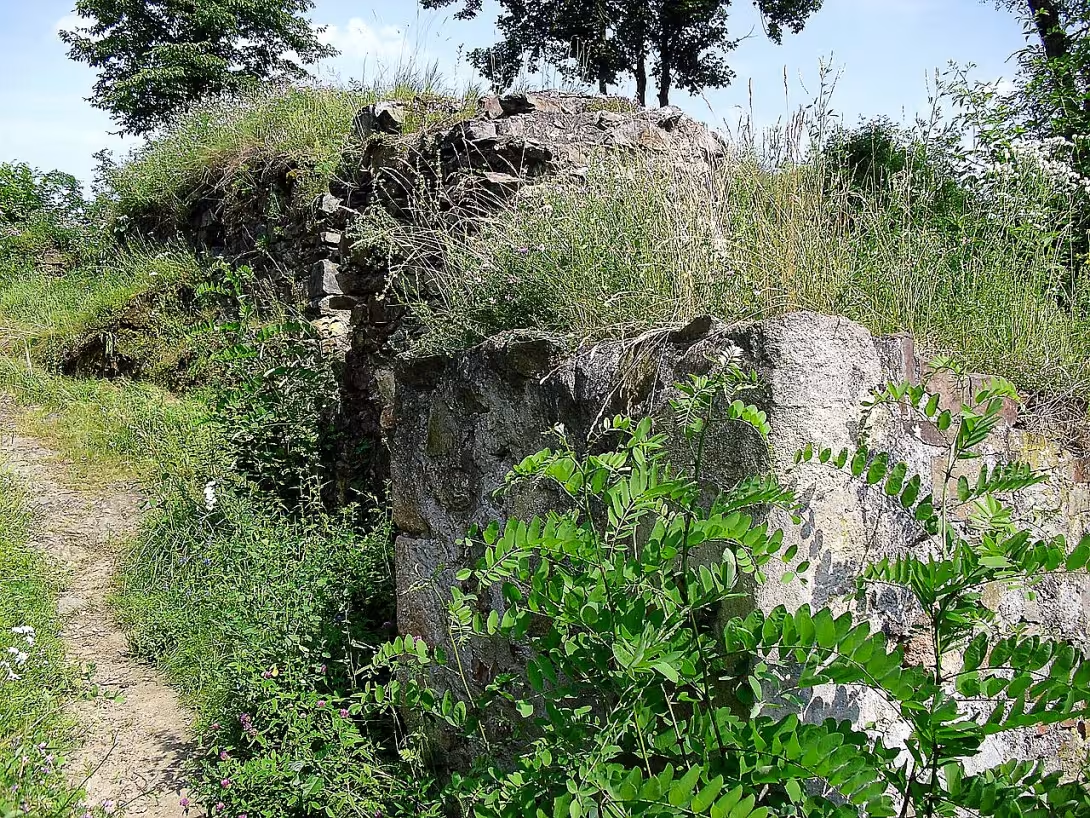
Věžka is a medieval castle ruin located on a rocky hill above the Berounka River in Druztová, Plzeňský kraj. This site has been protected as a cultural monument since 1958 and provides insights into the region's historical architecture and strategic importance. Originally constructed by Racek ze Švamberka in the mid-14th century, Věžka played a significant role during regional conflicts, including an infamous siege in 1406. Today, it is accessible via a marked tourist trail.
The origins of Věžka date back to prehistoric times when the area was already inhabited. Archaeological excavations conducted in 1967 uncovered pottery fragments from both the Chamské culture and the late Bronze Age, indicating early human activity on the site. The construction of the medieval castle itself is attributed to Racek ze Švamberka around 1351, marking its first documented mention during a period of political turmoil in Bohemia.
Architecturally, Věžka featured an oval structure stretching from north to south. The central part housed buildings on both sides, with a gate protected by a forecourt located south of the western building. It is assumed that the main structure included a possibly vaulted palace on the west side, serving as both residential and defensive. A fortified rampart approximately 100 meters north may have been related to its defense during sieges.
Ownership of Věžka changed hands several times throughout history. Initially built by Racek ze Švamberka, it later came under Otík z Chrástu's control after Racek's death in 1377. Otík was involved in a conflict with King Václav IV, leading to a siege of the castle in 1405 and its eventual capitulation in 1406. Following this event, Petr z Chrástu acquired the site before it ultimately fell into ruin after being destroyed by Matyáš Korvín's forces in 1478.
Key events at Věžka include its first documented mention in 1351 and the significant siege led by King Václav IV's forces. The castle's strategic location made it a focal point during regional conflicts, reflecting the turbulent political landscape of medieval Bohemia. In the early 1960s to 1972, efforts were made by Václav Uchytil and local children to restore parts of the ruin, highlighting its cultural significance.
Today, Věžka is maintained with permission from the Plzeňský památkový ústav and support from the obec Druztová. The site is gradually being cleared of invasive vegetation, and ongoing assessments evaluate the condition of the remaining structures. Visitors can explore this historical monument via a yellow-marked tourist trail, offering scenic views along the Berounka River.
Věžka stands as a testament to the region's rich history and architectural heritage. Its preservation allows visitors to connect with the past and appreciate its former strategic importance. For those interested in medieval history and architecture, Věžka is undoubtedly worth visiting.
Then and now
Drag the slider to compare how the landmark may have looked when it was built with the view today.
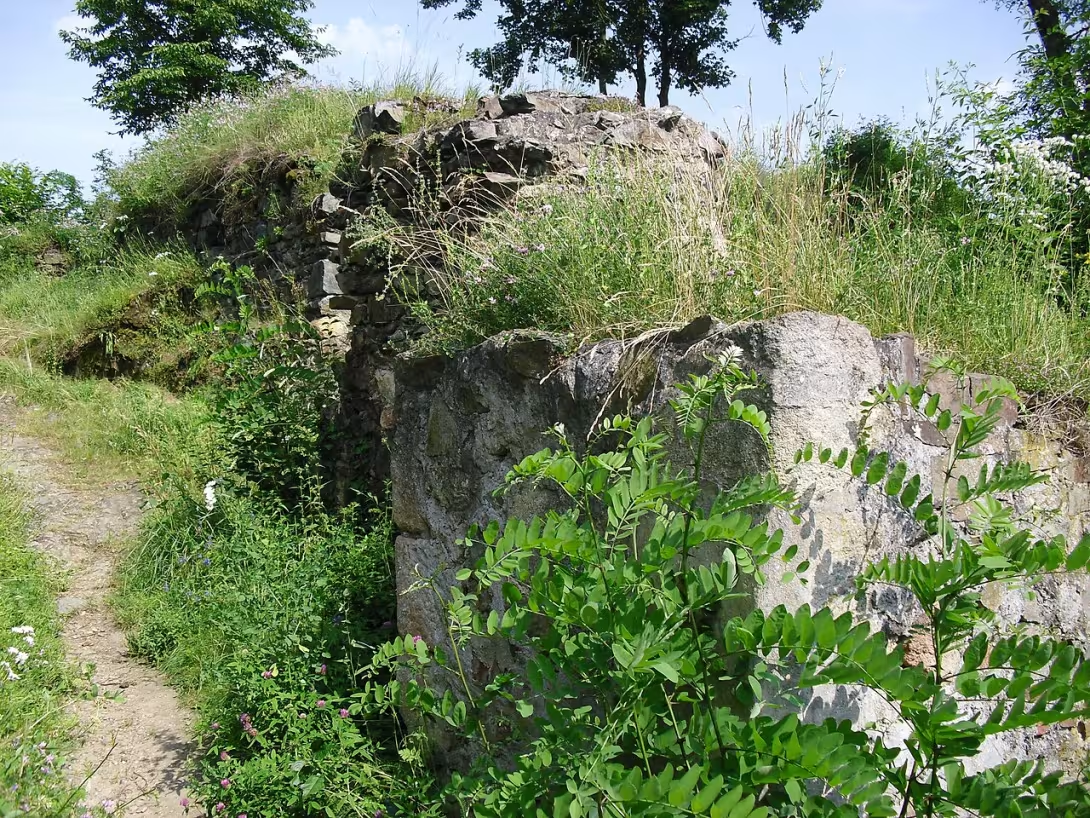

The historical appearance on the left is an AI-generated visualisation and serves as inspiration only.
Historical milestones
- 1405
- Siege by King Václav IV's forces.
- 1406
- Capitulation of the castle after a six-month siege.
Architectural development
The castle was likely built with a protective wall and featured buildings on both sides of its oval site. The main structure included a possibly vaulted palace on the west side. A gate protected by a forecourt was located south of the western building. Over time, the castle underwent various ownership changes and suffered damage during conflicts.
Historical events
First documented mention in 1351.
Siege by King Václav IV's forces in 1405, leading to capitulation in 1406.
Owners
Racek ze Švamberka (1351 - 1377)
Otík z Chrástu (post-1377 until before 1410)
Petr z Chrástu (before 1434 - post-1434)
Points of interest
- The site of Věžka has been inhabited since prehistoric times, with archaeological excavations in 1967 revealing pottery fragments from both the Chamské culture and the late Bronze Age. - In an intriguing twist of history, after Racek ze Švamberka's death in 1377, Otík z Chrástu took control of Věžka and later faced a siege led by King Václav IV due to political conflicts. - A unique restoration effort took place between the early 1960s and 1972 when Václav Uchytil, along with local children, worked on restoring parts of the ruin, highlighting community involvement in preserving cultural heritage. - The castle's strategic location made it a focal point during regional conflicts, including an infamous siege in 1406 led by King Václav IV's forces, reflecting the turbulent political landscape of medieval Bohemia. - Despite its destruction by Matyáš Korvín's forces in 1478, efforts to maintain and clear invasive vegetation at Věžka continue today with support from Plzeňský památkový ústav and obec Druztová.
Guide
This guide is narrated by a synthetic voice generated by artificial intelligence.
Show guide text
This text was created by artificial intelligence and has not been editorially reviewed. It may contain inaccuracies.
Welcome to the historic site of Věžka, a remarkable medieval castle ruin nestled on a rocky hill above the Berounka River in Druztová, Plzeňský kraj. As you stand here, imagine the ancient stones whispering stories of bygone eras. The ruins before you have been recognized as a cultural monument since 1958 and offer a window into the region's storied past.
The origins of Věžka trace back to the mid-14th century when it was constructed by Racek ze Švamberka. Its strategic location on this elevated terrain highlights its historical importance, serving both defensive purposes and as a symbol of power in regional conflicts. The architecture, though now partially reclaimed by nature, speaks volumes about medieval construction techniques and priorities.
As you take in the surroundings, notice how the remnants of walls and foundations suggest the castle's former grandeur. While specific architectural details are lost to time, the overall layout hints at its strategic design. This site was once a fortress that played a pivotal role during regional conflicts, including a notable siege by King Václav IV's forces in 1405. After six grueling months, the castle capitulated in 1406, marking a significant event in its history.
Věžka is also intertwined with fascinating historical figures such as Racek ze Švamberka, who originally built it, and Otík z Chrástu, who assumed control after Racek's death. These individuals left their mark on the castle’s storied past, influencing its role in regional politics and conflicts.
An intriguing aspect of Věžka is its ancient roots that predate even medieval times. Archaeological excavations conducted in 1967 unearthed pottery fragments from both the Chamské culture and the late Bronze Age, revealing that this site has been inhabited since prehistoric times. This discovery adds a layer of mystery and depth to the castle's history, inviting us to ponder the lives of those who once called it home.
As you stand here, surrounded by these ancient stones, take a moment to reflect on the passage of time and the countless stories etched into this landscape. We invite you to explore further, perhaps wandering along the paths that lead around the ruins or imagining what life might have been like within its walls centuries ago.
Thank you for joining us at Věžka. As we conclude our audio guide, may your curiosity about history continue to inspire exploration and discovery. Safe travels as you venture onward in your journey through time and place.
Tips for visitors
The best time to visit the Věžka ruin is during late spring or early autumn when the weather is mild, making it ideal for exploring the site comfortably. These seasons offer pleasant temperatures and fewer crowds, allowing you to fully appreciate the natural beauty surrounding the area, including the scenic views along the Berounka River. Additionally, visiting during these times provides optimal lighting conditions for photography, capturing the ruins against a backdrop of vibrant foliage or clear skies.
When visiting Věžka, it's recommended to bring comfortable walking shoes as there are natural paths leading up to the ruins. A hat, sunscreen, and water are also advisable due to exposure to the elements while exploring outdoor sites. For those interested in photography, a camera with a zoom lens can be beneficial for capturing details of the ruin from various angles.
For families with children, Věžka offers an adventurous experience as they explore the rocky terrain and learn about medieval history. The natural surroundings provide opportunities for imaginative play, while the site's historical significance makes it educational. Ensure that children are supervised at all times due to uneven ground and potential hazards in a ruin environment.
Nearby attractions within 30 minutes include the fortified rampart located approximately 100 meters north of Věžka. This feature offers additional insights into medieval fortifications and provides more picturesque views along the Berounka River, making it an excellent complement to your visit to the castle ruins.
Frequently asked questions
Can the monument be visited?
This is a ruin. Such sites are often freely accessible, but some can only be visited with a guide or are closed for safety reasons. We have not verified the current situation – take care and respect any restrictions.
Where is the monument?
Location: Druztová, Plzeňský kraj. The map on this page shows the exact spot.
Why is the monument protected?
It is listed in the Central List of Cultural Monuments of the Czech Republic as a cultural monument (register no. 16501/4-1208).
Businesses nearby
Do you run a restaurant, accommodation, shop, museum, rental, wellness or other visitor service near this monument? Show yourself directly to the people heading to it — this is how they will see you in the app and on the web:
Events nearby

Zdroj akcí: otevřená data měst a obcí ČR (Národní katalog otevřených dat) a kalendář akcí Národního památkového ústavu.
Nearby
The site is surrounded by natural beauty, including a fortified rampart approximately 100 meters north of the castle. The area offers scenic views along the Berounka River.
Accommodation nearby
Trips and activities nearby
Guided tours, tickets and activities nearby from GetYourGuide
Affiliate link: if you buy from the partner, we may receive a commission. The price for you does not change.
Search tours and activities →Themed route
Thematic Walking Tour: The Ruins of Věžka and Surrounding Attractions
1. Věžka (Zřícenina) - Type: Historical Ruin - Why Visit: Begin your journey at the captivating ruins of Věžka, a testament to medieval architecture nestled in Druztová. Explore its remnants and imagine the stories it holds from centuries past.
2. Fortified Rampart - Type: Historical Site - Why Visit: Located approximately 100 meters north of Věžka, this fortified rampart offers a glimpse into the defensive strategies of yesteryears. Walk along its perimeter to appreciate the strategic significance and panoramic views it once provided.
3. Scenic Views Along the Berounka River - Type: Natural Scenery - Why Visit: Stroll along the banks of the Berounka River, where nature's beauty unfolds in serene landscapes. The river provides a tranquil backdrop and an opportunity to reflect on the harmonious blend of history and nature.
This route offers a seamless journey through historical intrigue and natural splendor, all within walking distance from each other, making it perfect for history enthusiasts and nature lovers alike.
Seasonal recommendations
Spring: Visiting the Druztová Tower ruin during spring offers a unique experience as nature begins to awaken around this historic site. The surrounding landscape is adorned with vibrant wildflowers and fresh greenery, creating a picturesque setting that enhances the melancholic beauty of the ancient structure. Spring's mild weather allows for comfortable exploration, but it's wise to check the forecast in case of rain showers. This season sees fewer visitors compared to summer, providing a more tranquil atmosphere. Dressing in layers is advisable, as temperatures can vary throughout the day.
Summer: Summer at Druztová Tower is characterized by lush greenery and long daylight hours, making it an ideal time for photography enthusiasts to capture the ruin's majestic presence against a bright blue sky. The site becomes more popular during this period, so arriving early in the morning helps avoid larger crowds. With warm temperatures, light clothing is recommended, along with sun protection such as hats and sunscreen. Summer evenings can be particularly enchanting, offering cooler air for a leisurely stroll around the area.
Autumn: Autumn transforms Druztová Tower into a stunning canvas of reds, oranges, and yellows, providing a breathtaking backdrop to explore this historic site. The cooler weather makes it comfortable to spend extended periods outside, appreciating both the ruin and its natural surroundings. While autumn is less crowded than summer, visitors should still plan for potential rain showers by bringing waterproof jackets or umbrellas. This season's softer light in the late afternoon creates a magical atmosphere perfect for photography.
Winter: Winter at Druztová Tower offers a serene and atmospheric experience as snow blankets the landscape, adding an ethereal quality to the ruin. The shorter daylight hours mean that visits should be planned earlier in the day, while temperatures can drop significantly, necessitating warm clothing, including thermal layers, hats, gloves, and sturdy boots. Although visitor numbers are lower due to the cold, those who venture out during this season are rewarded with a quiet and peaceful setting, ideal for reflection amidst nature's winter beauty.
Visualizations and artistic views


The visualisations are generated by artificial intelligence and serve as inspiration.
Photos from the area
Real photos taken near the monument

Zdroj a licence jsou uvedeny u každého snímku.
Tips from visitors
No tips yet. Be the first!
Log in and add your tip.
Sources and literature
Photos: Lenka64 / Public domain — Wikimedia Commons. The author and licence also appear when you hover over the image.
Faktickým podkladem tohoto textu byl článek na Wikipedii, jehož autory jsou přispěvatelé Wikipedie. Článek je dostupný pod licencí CC BY-SA 4.0.
Location on the map

Příběhy a pověsti
Legendy, pověsti a příběhy spjaté s touto památkou
Fotografie návštěvníků
Zatím žádné fotografie. Buďte první, kdo přidá fotografii z návštěvy!
Log in a přidejte svou fotografii nebo hodnoťte.
Za ověřenou návštěvu v aplikaci získáte víc bodů — poznáme podle GPS, že jste na místě.
Reviews and comments