



Vídeňský viadukt Viaduct
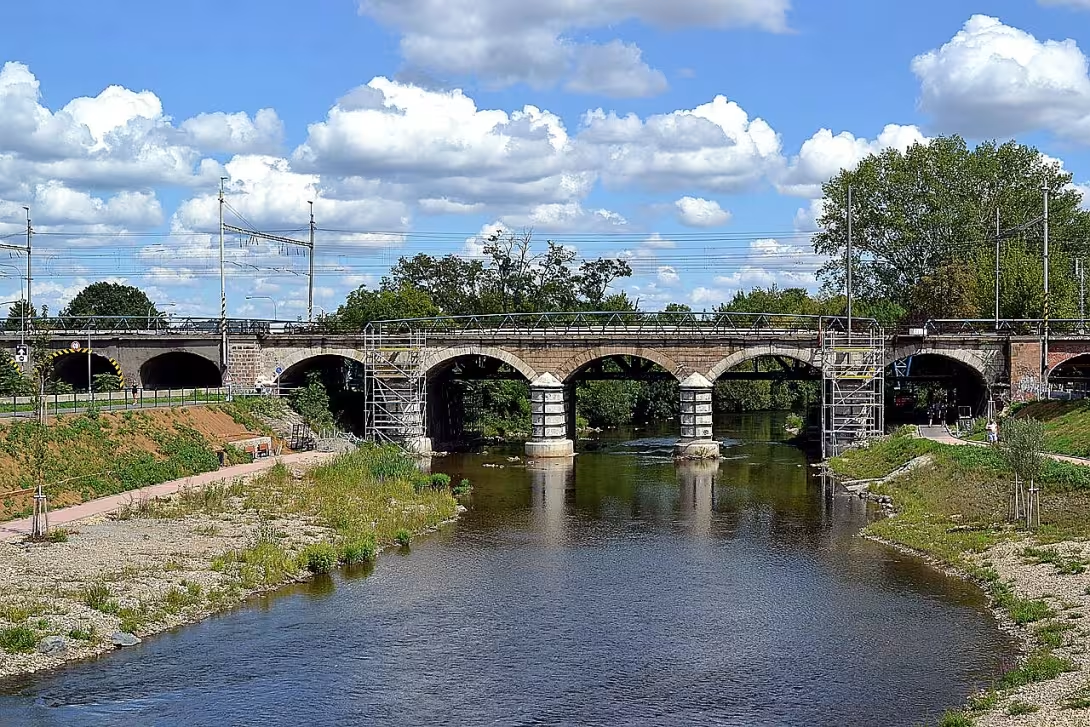
Vídeňský viadukt, also known as the Brno viaduct, is a historical railway monument located in the village of Brno-město on the eastern edge of the Staré Brno district. This bridge was built in the 1930s and is part of the first paratrophic railway line in the Austrian Empire, which connected Vienna with Břeclav, Ostrava and Bočná. Viaduct crosses the river Svratku and several local roads and is today protected as a monument in the territory of Brno Central Station.
The creation of the Vienna viaduct was linked to the development of paratropic railways in the Austrian Empire, which were to link the main European centres. The first section of the line from Vranovice to Brno was realized by businessman Franz Klein, a member of the well-known family of Klein. Viaduct was created as part of this track and was built between 1838 and 1839. Regular operation on the section from Vienna to Brno began on July 7, 1839, which meant the launch of the first paratrooper railway line in the Czech Republic.
The original viaduct was one-track and formed from three successive bridge objects. The southernmost part was a five-arch bridge over the Svratek River, which had a light aperture of 9,5 meters and was built from brick vaults lined with stone blocks. There was a walled viaduct of 637 metres in length with 72 arches with elliptic arches which had a clearance of 7.6 metres. The third part consisted of a bridge with three oblique segmented arches for the passage of the road and Svratecký's drive.
In 1869 the viaduct was extended by a second track in connection with the construction of the line from Brno to Přerov. This section was double-lined and similar stone vaults were added to the west side of the original bridge, increasing the width of the viaduct to about 10 metres. Over the years, further adjustments were made, especially in the 1990s, when most of the viaduct was buried in the embankment and replaced by new structures made of concrete and steel.
The ownership and administration of the viaduct throughout the whole time belonged to the North Way of Emperor Ferdinand (KFNB), which was associated with problems of undisputed spatial limitations in Brno. In the 1990s, the viaduct was fundamentally rebuilt when KFNB purchased the land under the New Sets and built a new freight station with a modern warehouse. The Viaduct became part of a massive emblem, while the most preserved section across the Svratku River was extended for further tracks.
Key events in the history of viaducts include electrification of the line over the bridge in 1967 and the declaration of monument protection of the entire complex of Brno Central Station, including the viaduct, in 1983. There are also plans for possible detection and revitalisation of the viaduct as part of the city park in the event of the transfer of the main station.
Today, Vídeňský viadukt is an important part of Brno infrastructure, which serves as a link for the railway line leading to Breclav, Přerov, Jihlava and Hrušvan nad Jevišovka. The most significant part of the bridge over the Svratku River remains as a monument-protected structure that shows historical significance and architectural art of the 19th century.
Visiting the Vienna Viaduct offers a unique opportunity to explore important building monuments from the period of industrial revolution. The Viaduct is not only a technical milestone but also a witness to the history and development of railway transport in the region. His visit brings an understanding of the importance of infrastructure progress for local and European society.
Historical milestones
- 1838
- start of the implementation of the section from Vranovice to Brno
- 1839
- start of regular steam operation on the line to Brno
- 1869
- double-rail section in connection with line construction to Přerov
- 1894
- starting major modifications and filling part of the viaduct into the embankment
- 1983
- a declaration of historical protection of the viaduct
Architectural development
The original single-track bridge from the 1930s was mostly filled and integrated in the 1990s. Some vaults were replaced by steel structures and used here the first railway bridges from simple concrete. The most preserved part is the five-arch bridge over the Svratek River.
Historical events
July 7, 1839 - ceremonial opening of regular operation on the downstream section to Brno; 1983 - declaration of the viaduct as a protected object; 1967 - electrification of the line via viaduct.
Owners
The northern runway of Emperor Ferdinand (KFNB)
Points of interest
- Vídeňský viadukt is a historic railway monument located in the village Brno-město on the eastern edge of Staré Brno. - The Viaduct was built in the 1930s and is part of the first paratrophic railway track in the Austrian Empire, which connected Vienna with Breclav, Ostrava and Bochá. - Regular operation on the section from Vienna to Brno began on July 7, 1839, which meant the start of the first paratroop railway line in the Czech Republic. - The Viaduct was extended by the second track in 1869 in connection with the construction of the line from Brno to Přerov. - The whole area of the Brno main station, including the viaduct, was declared a monument protected in 1983.
Guide
Show guide text
This text was created by artificial intelligence and has not been editorially reviewed. It may contain inaccuracies.
Welcome! You are facing a unique historical monument - Vienna viaduct in Brno-town. There is a massive structure under your feet, which is partially filled and crosses the Svratku River and several roads. At first glance, you will notice its robust design, which shows the technical art of past times.
The creation of the viaduct is closely linked to the beginnings of paranormal railway operations in the Austrian Empire. In 1838 its construction started as part of the section connecting Vranovice and Brno. For the following year, in 1839, regular steam operations started on the line leading to Brno. The Viaduct was built in the 1930s and remains an important part of the first paratrophic railway line connecting Vienna with Breclav, Ostrava and Bochá.
The viaduct is the work of Franz Klein, whose work left a significant impression on the city's face. Look up and notice the elegant combination of traditional design with the functionality needed for railway operation. Although part of the viaduct was buried in the embankment in 1894, it is still possible to appreciate its historical importance and architectural value.
The key personality associated with this monument is of course Franz Klein. Its contribution was not only limited to the design of the viaduct, but also to the development of the railway infrastructure at that time. Viaduct has become a key element in the integration of various parts of Austria and has supported economic and social development.
An interesting fact, which may be particularly attractive, is that the viaduct has undergone several significant modifications. In 1869 it was double-lined in connection with the construction of the line to Přerov, indicating its adaptability and importance for the railway network. Moreover, it was already declared a monument protection in 1983, which underlines its historical importance.
Let's move closer and look at the details. Note how parts of the viaduct are integrated into the local environment, although partial flooding changed its original appearance. The atmosphere of this place bears a mark of the past and tells stories of engineering achievements and technological progress.
I hope you have managed to appreciate Vídeňský viadukt as a key part of Brno's history. If you are interested in further discoveries, prepare time to explore the surrounding areas and enjoy the deep roots of this fascinating city. Thank you for your visit and I hope you will return with new impressions from Brno!
Tips for visitors
The best time to visit the Vienna viaduct is in the early morning or evening when there are fewer people and light provides beautiful shadows on the structures. This moment is ideal for photography because the sun is not directly above the bridge.
When visiting the viaduct, bring protective clothing such as shoes with good elasticity and hat. It may be cold, especially in the early morning or evening, so make sure you have frozen clothes.
For photography is the best place on the north side of the viaduct where you can get a view of the bridge and surrounding landscape. Don't forget to also use the lights of the evening when the bridge turns into a stunning picture with bright powers.
In the vicinity of the viaduct you can visit Brno Main Station or explore Brno Exhibition Centre. These places are also suitable for families with children, where children can learn more about the history and architecture of the region.
Frequently asked questions
Can the monument be visited?
This is a structure in a public space that can usually be seen from outside free of charge. We have not verified that this particular one is freely accessible.
Where is the monument?
Location: Brno-město, Jihomoravský kraj. The map on this page shows the exact spot.
Why is the monument protected?
It is listed in the Central List of Cultural Monuments of the Czech Republic as a cultural monument (register no. 1000144791_0010). It is protected as part of a larger listed ensemble.
Businesses nearby
Do you run a restaurant, accommodation, shop, museum, rental, wellness or other visitor service near this monument? Show yourself directly to the people heading to it — this is how they will see you in the app and on the web:
Events nearby


Zdroj akcí: otevřená data měst a obcí ČR (Národní katalog otevřených dat) a kalendář akcí Národního památkového ústavu.
Nearby
Brno hlavní nádraží, řeku Svratku, brněnské výstaviště, Velký městský okruh.
Accommodation nearby
Trips and activities nearby
Guided tours, tickets and activities nearby from GetYourGuide
Affiliate link: if you buy from the partner, we may receive a commission. The price for you does not change.
Search tours and activities →Themed route
Thematic cruise route from Brno
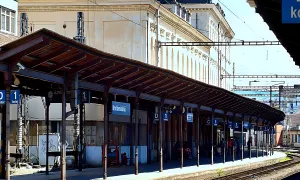
1. Brno Main Railway Station (Railway Station) Start your trip at the most important transport hub in Brno, where you can see the architectural elements and history of the station building. It is an ideal place to understand the transport network of the region.
2. Svratka river (Greek section) Shortly from the main railway station there is the river Svratka, which can be passed or explored from nearby pavements. This water flow is an important element of local ecology and offers beautiful views of the natural landscape.
3. Brno Exhibition Centre (Exhibition Centre) The next step is to visit the Brno Exhibition Centre, which is famous for its history and architecture. Here you can explore various buildings while enjoying a quiet surroundings.
4. Large city circuit (roads) Take a look at the Great City Circuit, which is not only an important transport artery for Brno, but also offers views of the city from different angles. It is an ideal place to understand the layout and infrastructure of the city.
5.Vídeňský viadukt (bridge) Finally, the main destination of the route is Vídeňský viadukt, which is one of the most important bridges in Brno. His history and architecture make him a fascinating subject of exploration.
This route offers a combination of urban environment, nature and technical monuments, allowing a comprehensive view of the Brno-město.
Seasonal recommendations
Spring: In the spring season Vídeňský viadukt in Brno is dazzling bright thanks to the shining flowering bushes and trees that add landscape shine. Sun rays are projected on the bridge, creating a magical atmosphere for visitors. This time of year is ideal for short walks because temperatures are pleasant and crowds have not yet appeared in their full amount. It is recommended to visit early afternoons when the sun lights the bridge in a special way and the crowd is minimal. A good idea is to wear clothes suitable for mild weather, such as a warm dress with umbrella for a possible spring collision.
Summer: In the summer months Vídeňský viadukt gains life thanks to long sunny days that attract a large crowd of visitors. The bridge becomes a popular place for relaxation and tours in the presence of green surroundings. The best time to visit him is early in the morning or later in the evening to avoid heat and crowd density during the day. Visitors should wear light clothes and not be able to forget the sun protection - sunglasses, cap and plenty of water are essential for comfortable experience of this historic place.
Autumn: In the autumn period, Vídeňský viadukt offers a lovely atmosphere with colourfully glowing tree leaves that give the bridge a finely melancholy look. Sun rays are projected on coloured leaves, creating beautiful photographic moments. This time of year is ideal for visiting because the crowd is less and the temperature is pleasant. It is recommended to visit the viaduct on Wednesday week, when the place is the quietest. A good idea for clothes is to wear layered clothes and a warm fur coat for any cold weather.
Winter: During winter Vídeňský viadukt gets a more cloudy look when the bridge covers with snow and the trees are without leaves. This adds some mystery and peace to the historical monument. In winter months the opening is usually shorter, so it is good to visit the viaduct early in the morning or later in the evening. Hot clothes, including fur coat and umbrella on the snowstorm, are essential for a comfortable stay. In addition, it is recommended to bring warm drinks because cold weather can be challenging for a long time.
Visualizations and artistic views


The visualisations are generated by artificial intelligence and serve as inspiration.
Photos from the area
Real photos taken near the monument


Zdroj a licence jsou uvedeny u každého snímku.
Tips from visitors
No tips yet. Be the first!
Log in and add your tip.
Sources and literature
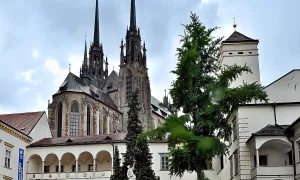
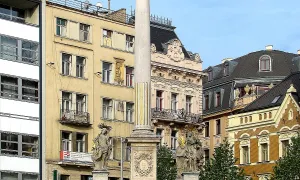
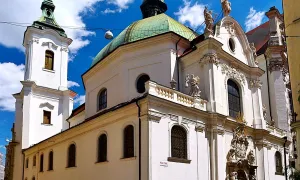
Photos: Roman Mifek / CC BY-SA 4.0 — Wikimedia Commons. The author and licence also appear when you hover over the image.
Faktickým podkladem tohoto textu byl článek na Wikipedii, jehož autory jsou přispěvatelé Wikipedie. Článek je dostupný pod licencí CC BY-SA 4.0.
Location on the map
Příběhy a pověsti
Legendy, pověsti a příběhy spjaté s touto památkou
Fotografie návštěvníků
Zatím žádné fotografie. Buďte první, kdo přidá fotografii z návštěvy!
Log in a přidejte svou fotografii nebo hodnoťte.
Za ověřenou návštěvu v aplikaci získáte víc bodů — poznáme podle GPS, že jste na místě.
Reviews and comments