






Vila Adolfa Suesse Villa
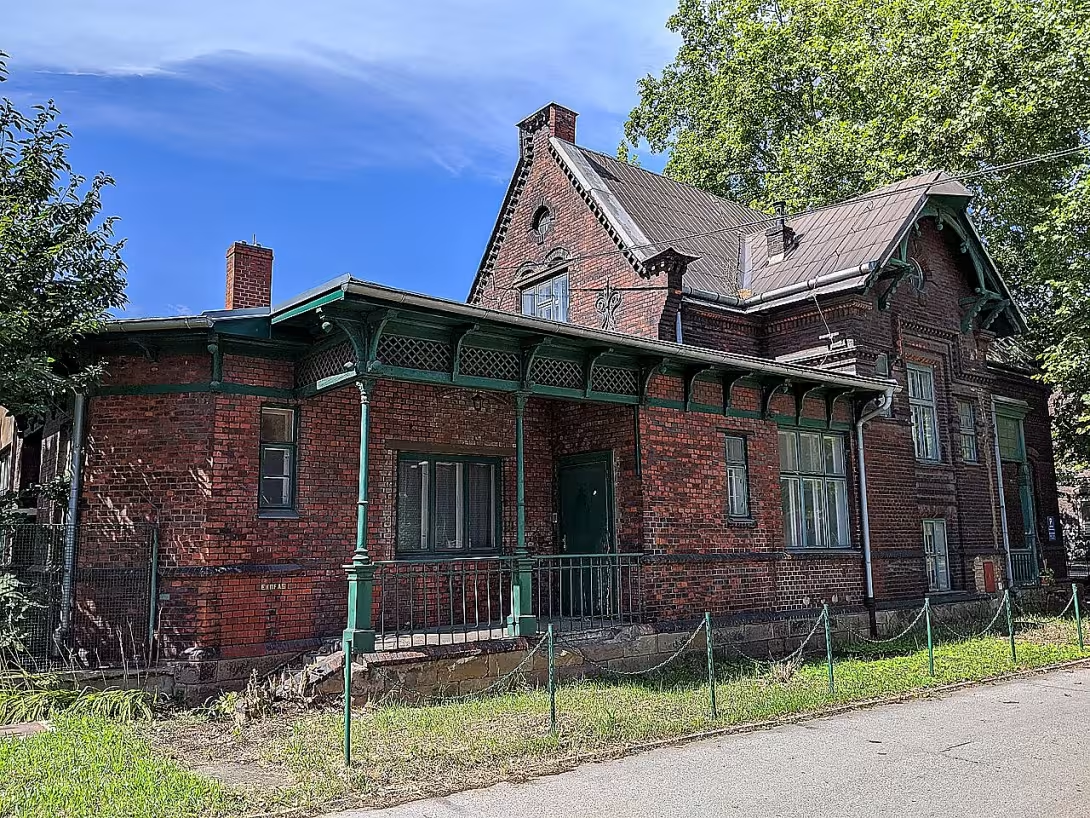
Villa Adolfa Suesse stands as a testament to Ostrava–Vítkovice's industrial heritage, showcasing architectural ingenuity and historical significance. Built in 1886 for Adolf Suesse, director of the local cement plant, this standalone villa is notable for its unique design and designation as a cultural monument since 2008. Located in an area renowned for its industrial past, it offers visitors insight into late 19th-century Bohemian architecture and history.
Commissioned by Vítkovický horní a hutní těžířstvem during rapid industrial growth in the Austro-Hungarian Empire, Adolf Suesse played a pivotal role in its construction. The villa's completion in 1886 coincided with significant development in heavy industries like steel production.
Architect Heinrich Heindl designed Villa Adolfa Suesse in a historicizing style incorporating neo-Gothic elements. This is evident in its single-story structure, attic floor, and rectangular plan. The facade features brickwork, wooden elements, shallow reliefs, triangular gables, segmental arch windows, and dormer additions. Some original flooring and door frames remain inside despite alterations to many windows.
Initially owned by Adolf Suesse as part of his role at the Vítkovice cement plant, the villa transitioned into municipal ownership. It was recognized for its cultural value in 2008 when designated a cultural monument, underscoring its importance within regional industrial history.
Today, Villa Adolfa Suesse remains accessible to visitors interested in Ostrava–Vítkovice's architectural and historical narratives. Its preservation highlights its significance as part of local heritage and the broader story of Bohemian industrialization during the Austro-Hungarian Empire. Visitors are encouraged to explore this remarkable site for insights into both architectural history and the region's industrial past.
Then and now
Drag the slider to compare how the landmark may have looked when it was built with the view today.
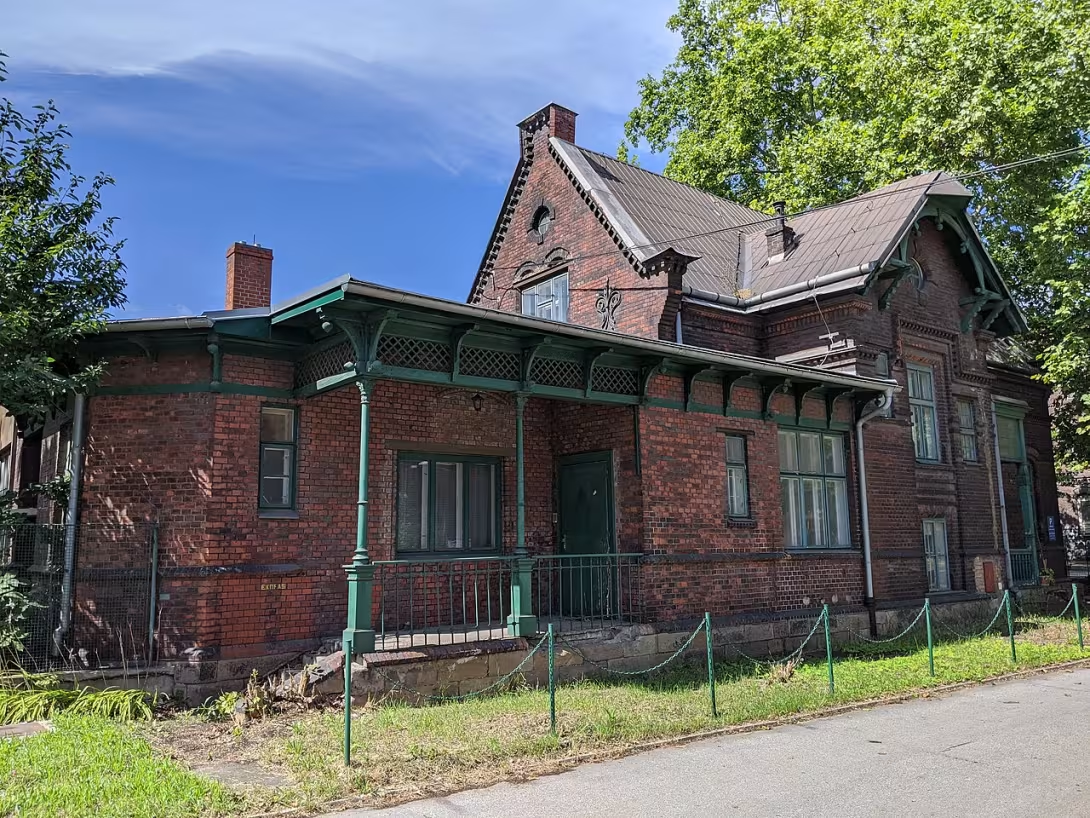
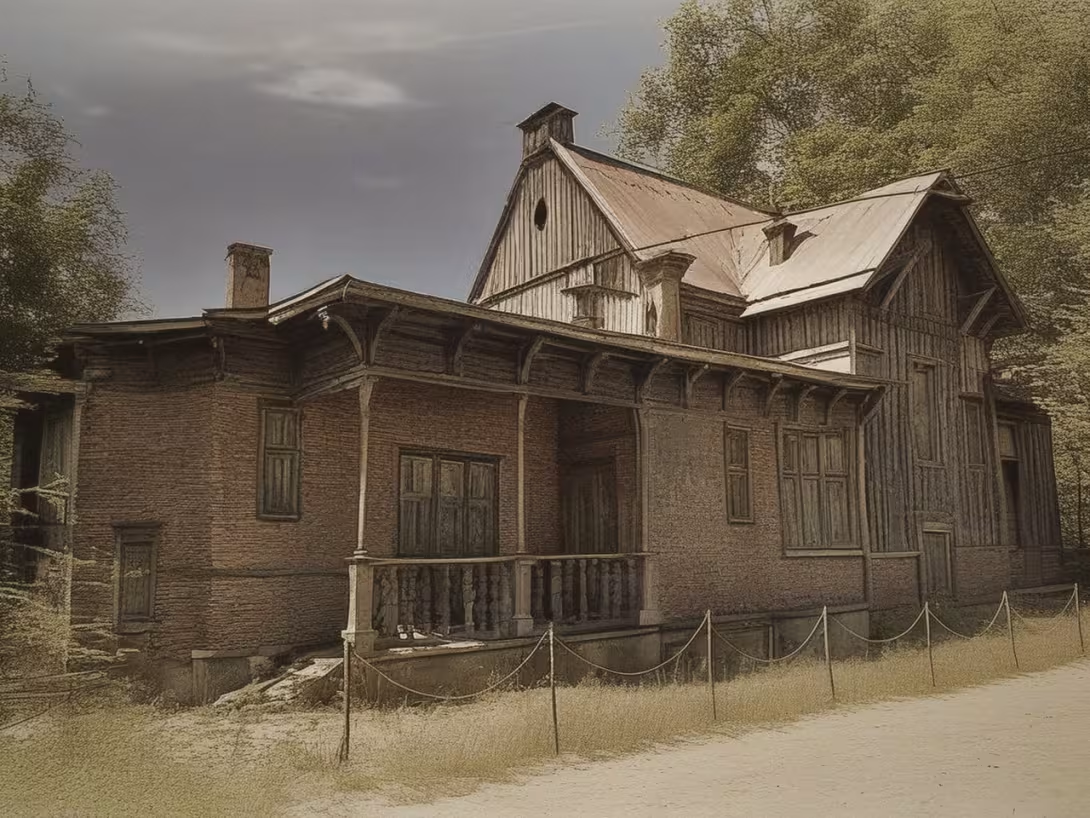
The historical appearance on the left is an AI-generated visualisation and serves as inspiration only.
Historical milestones
- 1886
- Vila Adolfa Suesse byla postavena pro Adolfa Suesse.
- 2008
- Vila byla vyhlášena kulturním památkou.
Architectural development
The villa was designed by architect Heinrich Heindl in a historicizing style with neo-Gothic elements. It features a single-story structure with an attic floor, built on a rectangular plan. The original interior includes some preserved flooring and door frames. Over time, many windows were altered or bricked up during renovations.
Historical events
1886: Construction completed for Adolf Suesse, director of the Vítkovice cement plant.
2008: Designated as a cultural monument.
Owners
Originally owned by Adolf Suesse as part of his role at the Vítkovice cement plant; later became a cultural monument under municipal ownership.
Guide
This guide is narrated by a synthetic voice generated by artificial intelligence.
Show guide text
This text was created by artificial intelligence and has not been editorially reviewed. It may contain inaccuracies.
Welcome to the historic Vila Adolfa Suesse, a remarkable architectural gem nestled in Ostrava–Vítkovice. As you stand here today, take a moment to absorb the serene presence of this standalone villa. Its distinctive facade, characterized by an intriguing blend of brickwork and wooden features, invites your curiosity.
Let's delve into its origins and historical context. Built in 1886 for Adolf Suesse, the director of the local cement plant, this villa was commissioned by Vítkovický horní a hutní těžířstvem. The era marked significant industrial growth, yet here stands a structure that marries functionality with ornate design—a rarity in its time.
Now, turn your attention to the architectural details crafted by Heinrich Heindl. Notice how the villa harmoniously integrates neo-Gothic elements into its historical styling. This choice of design is unique for an area predominantly known for industrial buildings and worker housing, making it a rare example of such architecture in Ostrava–Vítkovice.
Adolf Suesse himself played a pivotal role in this story, not just as the villa's first resident but also as a key figure in the local industry. His influence is palpable here, where industrial prowess meets architectural elegance.
One fascinating aspect to ponder is how this building transitioned from being an emblem of personal and professional stature to becoming a cultural monument in 2008. This transformation underscores its enduring significance beyond its initial purpose.
As you continue your exploration, I invite you to immerse yourself further into the history and beauty surrounding Vila Adolfa Suesse. Each corner holds stories waiting to be discovered. Thank you for joining me on this journey through time and architecture. Enjoy the rest of your visit!
Tips for visitors
The best time to visit Vila Adolfa Suesse is during the late spring or early fall when the weather is pleasant, and the natural surroundings are particularly beautiful. This period often offers milder temperatures and fewer crowds compared to summer months, allowing for a more relaxed exploration of the villa and its historical context.
Parking and transportation options around Vila Adolfa Suesse include both private vehicles and public transport. The area is accessible by car, with parking likely available nearby, though it's advisable to check local resources or maps for specific details. Public transportation can also be used; however, exact bus or tram routes should be verified through a current transit search tool to ensure the most direct route.
When planning your visit, consider bringing comfortable walking shoes and weather-appropriate clothing, as you may explore both the villa grounds and surrounding areas. A camera is recommended for capturing the architectural details of the villa and its picturesque setting. Additionally, carrying water and perhaps a light snack can enhance your experience during longer stays.
Photography enthusiasts will find several spots around Vila Adolfa Suesse ideal for taking pictures, especially during the golden hours of early morning or late afternoon when natural lighting is soft and warm. The villa's historicizing architecture provides striking visuals against the backdrop of Ostrava–Vítkovice’s industrial heritage.
Nearby attractions within a 30-minute journey include other historical sites related to Vítkovice ironworks and mining operations, offering insights into the area's rich industrial past. These sites complement your visit by providing broader context about the region's development and significance in Czech history.
Businesses nearby
Do you run a restaurant, accommodation, shop, museum, rental, wellness or other visitor service near this monument? Show yourself directly to the people heading to it — this is how they will see you in the app and on the web:
Events nearby
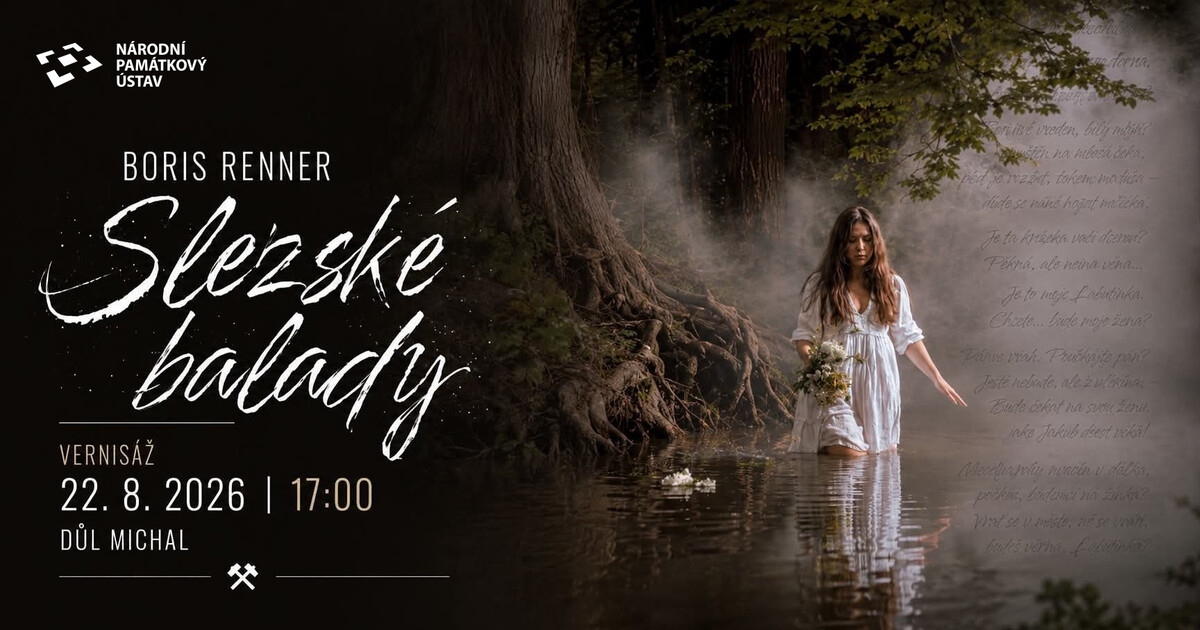
Zdroj akcí: otevřená data měst a obcí ČR (Národní katalog otevřených dat) a kalendář akcí Národního památkového ústavu.
Nearby
The villa is situated in Ostrava–Vítkovice, an area known for its industrial heritage. Nearby are other historical sites related to the Vítkovice ironworks and mining operations.
Accommodation nearby
Themed route
Thematic Walking Tour: Industrial Heritage of Vítkovice
1. Adolf Suss's Villa - Type: Historical Residence - Why Visit: Begin your tour at the stunning Vila Adolfa Suesse, a prime example of industrial-era architecture in Ostrava–Vítkovice. This villa offers insights into the lifestyle and architectural preferences during the peak of Vítkovice's industrial development.
2. Vítkovice Ironworks - Type: Industrial Heritage Site - Why Visit: Just a short walk from the villa, explore the historic Vítkovice Ironworks. This site is pivotal in understanding the region’s industrial past and its role in shaping modern industry. The preserved structures provide a tangible connection to the era of iron production.
3. Mining Museum - Type: Historical Exhibition - Why Visit: Located near the ironworks, the Mining Museum offers an immersive experience into the mining operations that were central to Vítkovice's economy. Exhibits and interactive displays illustrate the technological advancements and daily life of miners.
4. Vítkovice Park - Type: Historical Green Space - Why Visit: Conclude your tour at the serene Vítkovice Park, once part of the industrial complex’s recreational area. The park provides a peaceful contrast to the industrial sites, showcasing how green spaces were integrated into workers' lives.
This tour offers a comprehensive look at the industrial heritage of Vítkovice, highlighting key historical and cultural landmarks in the vicinity of Vila Adolfa Suesse.
Seasonal recommendations
Spring: Visiting Vila Adolfa Suesse during the spring offers a refreshing experience as nature begins to awaken. The surrounding landscape is adorned with vibrant colors from blooming flowers and budding trees, creating an idyllic atmosphere perfect for photography enthusiasts. This season often brings mild weather, making it ideal for leisurely strolls around the villa's grounds. Visitors should wear comfortable clothing suitable for variable temperatures and consider bringing a light jacket as evenings can be cooler. While the site is less crowded compared to summer, arriving early in the day ensures you can enjoy the gardens without the midday sun.
Summer: Summer at Vila Adolfa Suesse is characterized by long daylight hours and warm weather, perfect for exploring both indoors and outdoors. The lush greenery and well-maintained gardens provide a picturesque backdrop, ideal for picnics or outdoor activities. However, this season also attracts more visitors, so it's advisable to arrive early to avoid the crowds. Wearing light, breathable clothing is recommended, along with sun protection such as hats and sunscreen. Staying hydrated is crucial due to higher temperatures, making carrying a water bottle a practical tip for your visit.
Autumn: Autumn brings a stunning display of colors at Vila Adolfa Suesse, as the foliage transforms into shades of red, orange, and yellow. The cooler weather creates a cozy atmosphere, perfect for enjoying the villa's historical charm without the summer heat. This season typically sees fewer visitors, offering a more tranquil experience. Dressing in layers is advisable to accommodate fluctuating temperatures throughout the day. A light jacket or sweater can be useful as evenings tend to be brisk, and carrying an umbrella might be wise due to occasional autumn showers.
Winter: Winter at Vila Adolfa Suesse offers a unique charm with its serene snow-covered landscapes, providing a picturesque setting that enhances the villa's historical architecture. The cooler temperatures mean shorter opening hours, so planning your visit in advance is essential. Visitors should dress warmly in layers and wear waterproof boots to navigate potentially icy paths comfortably. While winter can be quieter due to reduced visitor numbers, it also means fewer amenities may be available on site. Bringing a thermos with hot drinks can add warmth and comfort during your exploration of this enchanting historical site.
Visualizations and artistic views


The visualisations are generated by artificial intelligence and serve as inspiration.
Photos from the area
Real photos taken near the monument


Zdroj a licence jsou uvedeny u každého snímku.
View from the area
This animation was generated by artificial intelligence from a real photograph of the surroundings. The motion and details are not real footage of the location.
Atmosphere of the place
This atmospheric visualisation of the place and period was generated by artificial intelligence. It is not real footage of the location.
Tips from visitors
No tips yet. Be the first!
Log in and add your tip.
Sources and literature
Photos: MartinVeselka / CC BY-SA 4.0 — Wikimedia Commons. The author and licence also appear when you hover over the image.
Faktickým podkladem tohoto textu byl článek na Wikipedii, jehož autory jsou přispěvatelé Wikipedie. Článek je dostupný pod licencí CC BY-SA 4.0.
Location on the map
More monuments – Vítkovice
Show all in the municipality
Příběhy a pověsti
Legendy, pověsti a příběhy spjaté s touto památkou
Fotografie návštěvníků
Zatím žádné fotografie. Buďte první, kdo přidá fotografii z návštěvy!
Log in a přidejte svou fotografii nebo hodnoťte.
Za ověřenou návštěvu v aplikaci získáte víc bodů — poznáme podle GPS, že jste na místě.
Reviews and comments