






Vítkovická radnice Town hall
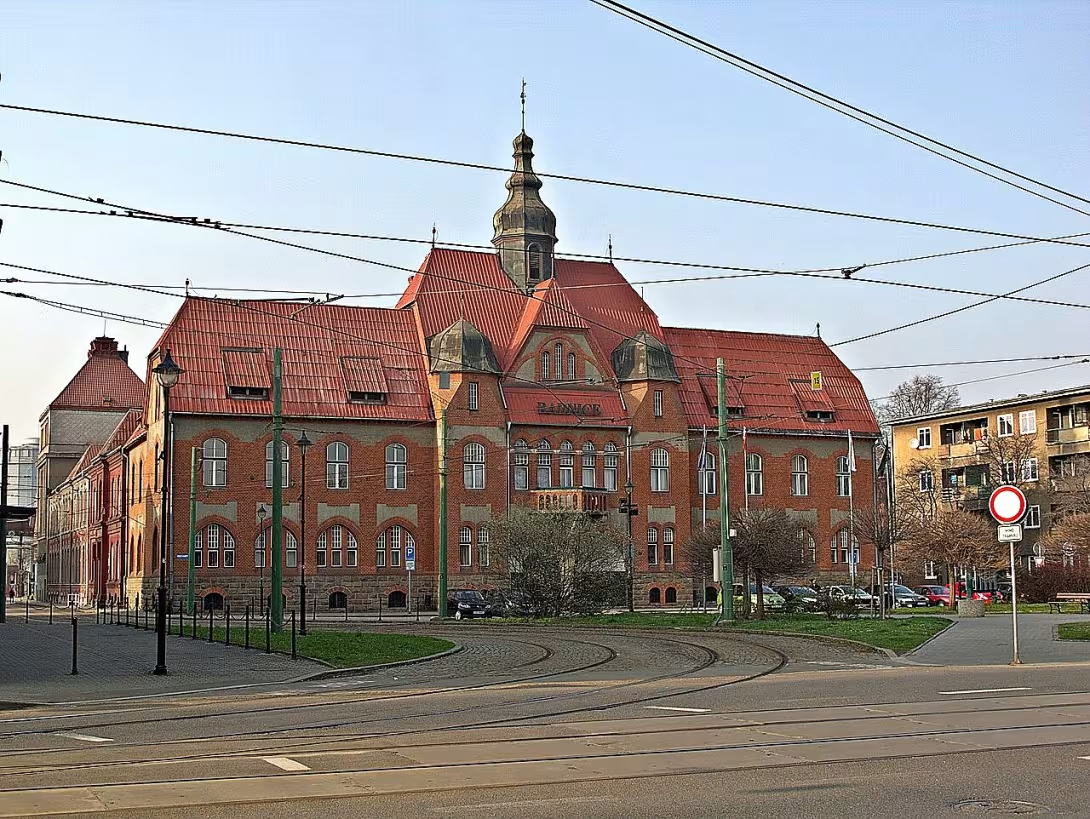
Vítkovická radnice is an important cultural monument in Ostrava's wine district. From 1901 to 1902, created by Austrian architect Max von Ferstel, this building is remarkable for its unique architectural style, which combines neo-Gothic, Renaissance, Baroque, Romanesque and secesionist elements reflecting the industrial heritage of Vitkovic. As part of the New Vítkovice complex, it continues to serve as an administrative centre for housing commemorative plates dedicated to Paul Kupelwieser, a key figure in the steel industry of the region.
The construction took place during significant industrial growth in Bohemia under the Austrian-Hungarian Empire. Progress in steel production and urban development was noted at this time, when Vítkovice emerged as an important centre for these sectors. The town hall was built to serve administrative functions and symbolize the growing industrial fitness of the area.
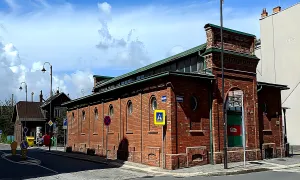
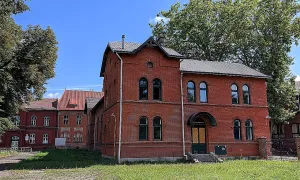
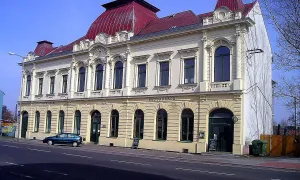
The construction is Vítkovická radnice built with a red brick and illustrates what is known as' Vítkovice style '. This distinctive approach includes a mixture of neo-Gothic, Renaissance, Baroque, Romanesque and Secesionist elements. The interior is an impressive staircase decorated with a secesionist lighting device that complements its artistic attraction.
During his history Vítkovická radnice remained under local administration and preserved his role as a civic centre. In 1919 a commemorative plaque dedicated to Paul Kupelwieser was installed in the building, which reminded of its contributions as director of iron and steel works Vítkovice.
The site remains an important part of Ostrava's cultural landscape today. Visitors can explore rich history and architectural beauty while appreciating its role in the industrial development of the region. The town hall remains open to the public and offers a view of its historical importance and continued administrative functions.
Vítkovická radnice is more than just an administrative building; it is proof of industrial heritage and architectural innovation in the early 20th century Vítkovice. Its unique blend of styles and historical importance make it a must-visit for anyone interested in exploring the cultural and industrial history of the region.
Then and now
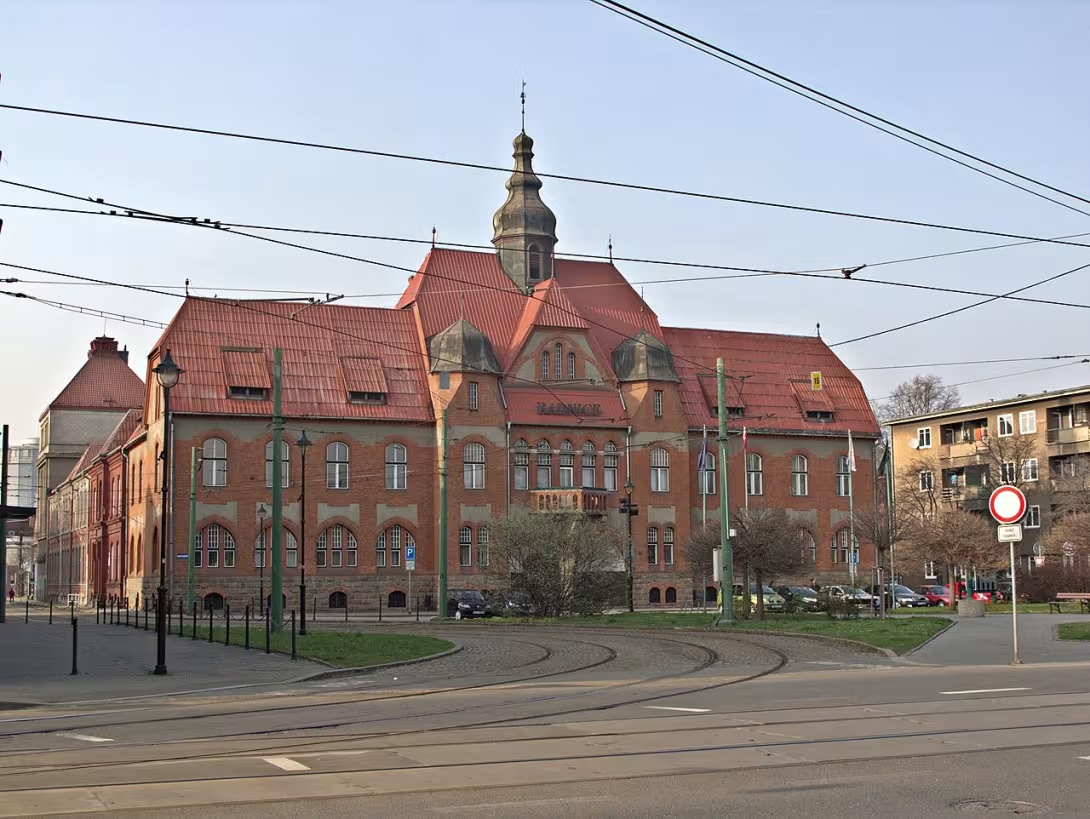
Drag the slider to compare how the landmark may have looked when it was built with the view today.
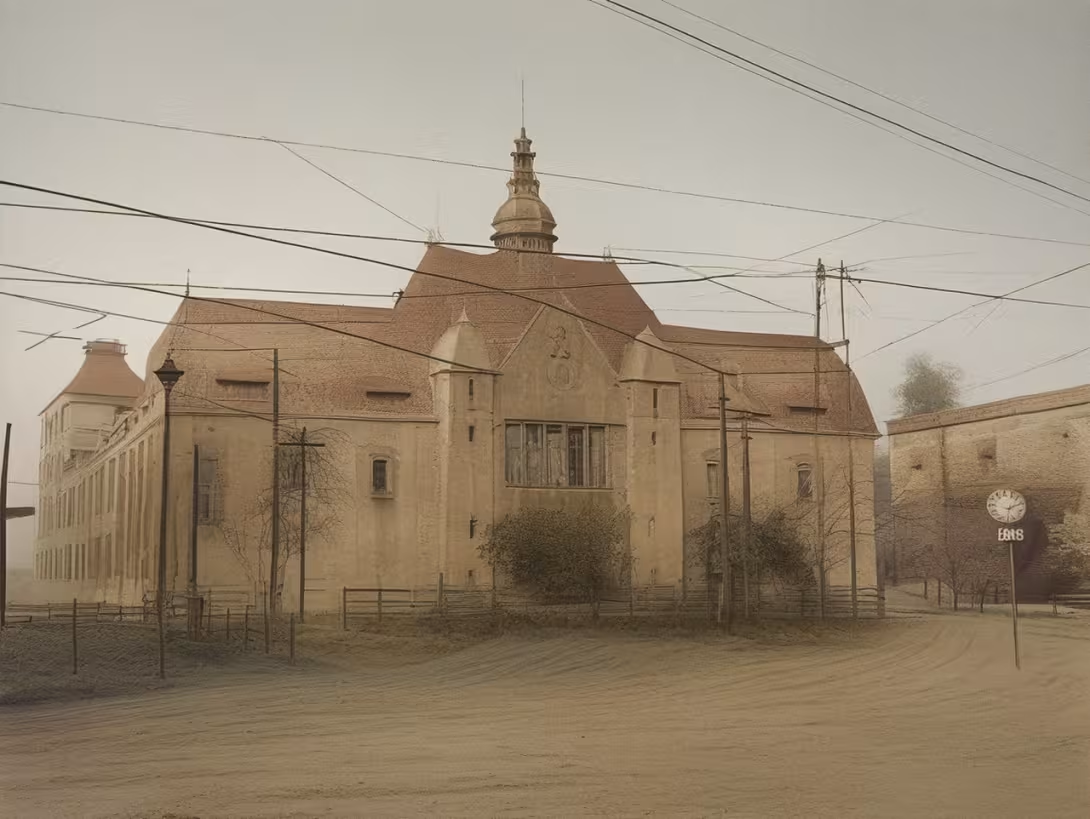
The historical appearance on the left is an AI-generated visualisation and serves as inspiration only.
Historical milestones
- X1901
- The Vítkovická radnice construction has begun.
- 1902
- Completion of construction of Vítkovická radnice.
- 1919
Architectural development
Vítkovická radnice was built with a red brick and is part of an architectural file called New Vítkovice, which includes residential buildings, civic facilities, church and city hall itself. Part of the proposal is a mixture of neo-Gothic, Renaissance, Baroque, Romanesque and Secesionist elements, creating a distinctive style for the region. Its interior is equipped with an impressive staircase with a secesionist lighting device.
Historical events
1901- 1902: Construction of Vítkovická radnice by Max von Ferstel.
1919: Dedication of the memory board Paul Kupelwieser in the building.
Points of interest
- Vítkovická radnice is a Czech cultural monument located on the Peace Square in Ostrava's Vítkovice district.
- The builder of the Vítkovice Town Hall was the Vienna architect Max von Ferstel, son of architect Heinrich von Ferstel.
- The building is built from a concrete masonry and in so-called victorial style or victorial Art Nouveau with elements of neo-gothic, neo-Renaissance, Baroque and Romanesque.
- In the town hall there is a commemorative record commemorating the personality of Paul Kupelwieser, former director of Vítkovický's upper and metallurgical mining.
Guide
This guide is narrated by a synthetic voice generated by artificial intelligence.
Show guide text
This text was created by artificial intelligence and has not been editorially reviewed. It may contain inaccuracies.
Welcome to the historic Vítkovická radnice in the heart of Ostrava wine district. As you stand before this architectural jewel, take a moment to appreciate its noble and complex design that attracts stories from the past.
The journey of this remarkable building began in the early 20th century. The construction began in 1901 under the visionary leadership of Austrian architect Max von Ferstel, famous for its ability to mix the various architectural styles smoothly. By 1902 Vítkovická radnice was completed as proof of the innovative spiritual and cultural ambitions of its era.
As you look at the building, notice how it embodies what is known as' Vítkovice style '. This unique merger includes elements of neo-Gothic, Renaissance, Baroque and Romanesque architecture, all harmonically interwoven with secesionist influences. The eclectic mix creates a visual symphony that attracts attention and invites to explore.
The architectural prowess Max von Ferstel is visible here and in his other remarkable work, in the Vienna State Opera. His ability to combine these different styles into coherent patterns speaks of his creative genius. When examining Vítkovická radnice, observe how each detail contributes to its overall aesthetic and historical significance.
The story of the building is further enriched by numbers such as Paul Kupelwieser, whose contributions left an indelible mark at this point. Their heritage are woven into the fabric structure itself, adding layers of intrigue and depth to your visit.
One of the fascinating aspects of Vítkovická radnice is its integration of a unique function that distinguishes it from other architectural works. While specifics remain part of its attraction, you can feel a difference when you absorb the atmosphere around you.
At the end of this short introduction, I invite you to dive deeper into the history and beauty of Vítkovická radnice. Explore his surroundings, dive into his rich story and let your imagination wander through time. Thank you for joining us on this journey, and may your research be enlightening and inspiring.
Tips for visitors
The best time to visit Vítkovická radnice is at the end of spring or early autumn when the weather is pleasant, so it is ideal for exploring the building itself and its surroundings. These seasons offer comfortable temperatures and natural lighting, which increases the architectural details of this historical structure. In addition, a visit outside the top tourist season can provide a calmer experience, allowing you to appreciate the place without large crowds.
Parking and transport is suitable in the area of Vítkovická radnice. The area is accessible both by car and public transport. When driving, there are parking facilities nearby, although it is advisable to check any restrictions or charges in advance. Public transport, including buses and trams, serves the region well and offers a practical alternative to driving. For the most common routes and plans use the online transport planner.
When visiting Vítkovická radnice, consider bringing comfortable walking shoes as you will probably explore both the building and its surroundings on foot. The camera or smartphone is recommended to capture the architectural beauty of the site, especially during the golden hour, when light beautifully highlights the details of the building. In addition, carrying a bottle of water and some refreshments can improve your visit, especially if you plan to spend several hours exploring.
Photographic enthusiasts find Vítkovická radnice offers excellent opportunities to capture their architectural beauty. Among the best places are the front facade of the building, which shows complex designs in the morning light. For internal images, natural window lighting can create dramatic effects. Always check that the photo is allowed inside and respect all restrictions.
For those interested in exploring nearby attractions within a 30-minute radius, the New Vítkovice complex offers a fascinating view of Ostrava's industrial heritage. This area includes several historical buildings and buildings which are part of the UNESCO World Heritage Site. It's a great opportunity to dig deeper into the region's rich history.
Families with children will find Vítkovická radnice an interesting visit, especially if they are interested in architecture or history. The building itself is evidence of industrial design and can create interesting discussions about its historical context. For younger visitors, exploring the New Vítkovice area offers other activities such as visiting nearby parks or museums that are familyfriendly.
Businesses nearby
Do you run a restaurant, accommodation, shop, museum, rental, wellness or other visitor service near this monument? Show yourself directly to the people heading to it — this is how they will see you in the app and on the web:
Events nearby
Zdroj akcí: otevřená data měst a obcí ČR (Národní katalog otevřených dat) a kalendář akcí Národního památkového ústavu.
Nearby
The area around Vítkovická radnice is located in the Vítkovice district in Ostrava and includes other historic industrial buildings and buildings which form part of the New Vítkovice complex. The region has a rich industrial heritage.
Accommodation nearby
Themed route
Thematic cruise route Vítkovická radnice and surroundings
1. Vítkovická radnice (Town Hall) - Start by knowing that at Vítkovická Town Hall itself, which is the icon of the historic Prague task. This town hall was the headquarter of the Vítkovická Ironworks and remained a significant survival of this industrial house. The food architecture reflects the rich history of the region, which is an essential place for every difficulty.
2. Old metal sites (Industrial buildings) - An exact 5 minutes drive from Vítkovice Town Hall you will find old metal reales that are intended for the new Vítkovice. These historic Prague buildings were covered by ironworks and now connected as a monument on their own responsibility. Their robust construction and architectural beauty representing historians and tourists who think it is industrial products of Ostrava.
3. Old engineering and real estate (Industrial buildings) - Continue along the way and you will reach the old engineering complex, which is another fascination with the new Vítkovice. This complex represents the history of engineering in the areas of ferrous plants and is the building witnessing technological progress 19. Century. The toalar prognosis will be offered in view of the important Prague innovations shaped by the region.
4. Vítkovický brewery (Brewery) - A few minutes from the old engineering area, there is a Vítkovický brewery, which is another piece of industrial heritage. This brewery was a rat-eating railway operation and still produces beer according to traditional recipes. It is carried place for tasting, but also for supporting the history of this industry.
5. Old water (Industrial Exhibition) - The final line is a stellar watercourse which was persistent for the operation of Vítkovická greenery. This prefabricated structure represents technological conditions to maintain the myth at that time and is now bound by the historical monument. It should be ensured that the requirements are met on the basis of the information available.
This route will offer an impact on regional development by travelling combined aid to the premium history of Vítkovice and ječich.
Seasonal recommendations
Spring: Like spring flowers around Vítkovická radnice, the air is filled with a refreshing scent of flowering flowers and promising trees, creating a charming atmosphere for visitors. Soft natural light increases historical architecture, making it ideal for photography. Spring can bring unpredictable weather, so layered clothing is recommended to comfortably adapt between warm sunny spells and colder fresh moments. Morning visits are often quieter and offer a peaceful experience before larger crowds arrive.
Summer: Summer in Vítkovická radnice offers pulsating energy with a long time of day that illuminates the historic building in warm shades. The surrounding greenery is fresh, providing a picturesque background ideal for peaceful walks or picnics around. However, summer can attract more visitors because of its popularity as a travel season, so arriving soon it is advisable to avoid the crowd and fully enjoy the site. Light, breathable clothes are recommended to remain comfortable in warm weather.
Autumn: Autumn brings a stunning palette of red, orange and yellow to the landscape around Vítkovická radnice, which offers a visually charming experience as nature prepares for winter. Colder temperatures make it an ideal time to explore without summer heat, while shorter days mean that planning your visit in the afternoon will help you capture the golden lighting clock. Wearing layers is wise because the weather can be variable with sharp morning and milder afternoon.
Winter: Winter transforms Vítkovická radnice into a quiet wonderland, often decorated with festive lights that create a magical atmosphere during the holiday season. The snow-covered area increases the historical charm of the building, making it a picturesque destination for winter lovers. However, the winter can bring shorter opening times and limited access to certain areas due to weather conditions, so it is recommended to check in advance. Dress warmly in layers and consider bringing gloves and hats to stay comfortable during your visit.
Visualizations and artistic views


The visualisations are generated by artificial intelligence and serve as inspiration.
Photos from the area
Real photos taken near the monument


Zdroj a licence jsou uvedeny u každého snímku.
Tips from visitors
No tips yet. Be the first!
Log in and add your tip.
Sources and literature
Photos: Miroslav Olszewski / CC BY-SA 4.0 — Wikimedia Commons. The author and licence also appear when you hover over the image.
Faktickým podkladem tohoto textu byl článek na Wikipedii, jehož autory jsou přispěvatelé Wikipedie. Článek je dostupný pod licencí CC BY-SA 4.0.
Location on the map
More monuments – Vítkovice
Show all in the municipality
Příběhy a pověsti
Legendy, pověsti a příběhy spjaté s touto památkou

Fotografie návštěvníků
Zatím žádné fotografie. Buďte první, kdo přidá fotografii z návštěvy!
Log in a přidejte svou fotografii nebo hodnoťte.
Za ověřenou návštěvu v aplikaci získáte víc bodů — poznáme podle GPS, že jste na místě.
Reviews and comments