






Vila čp. 418 Villa
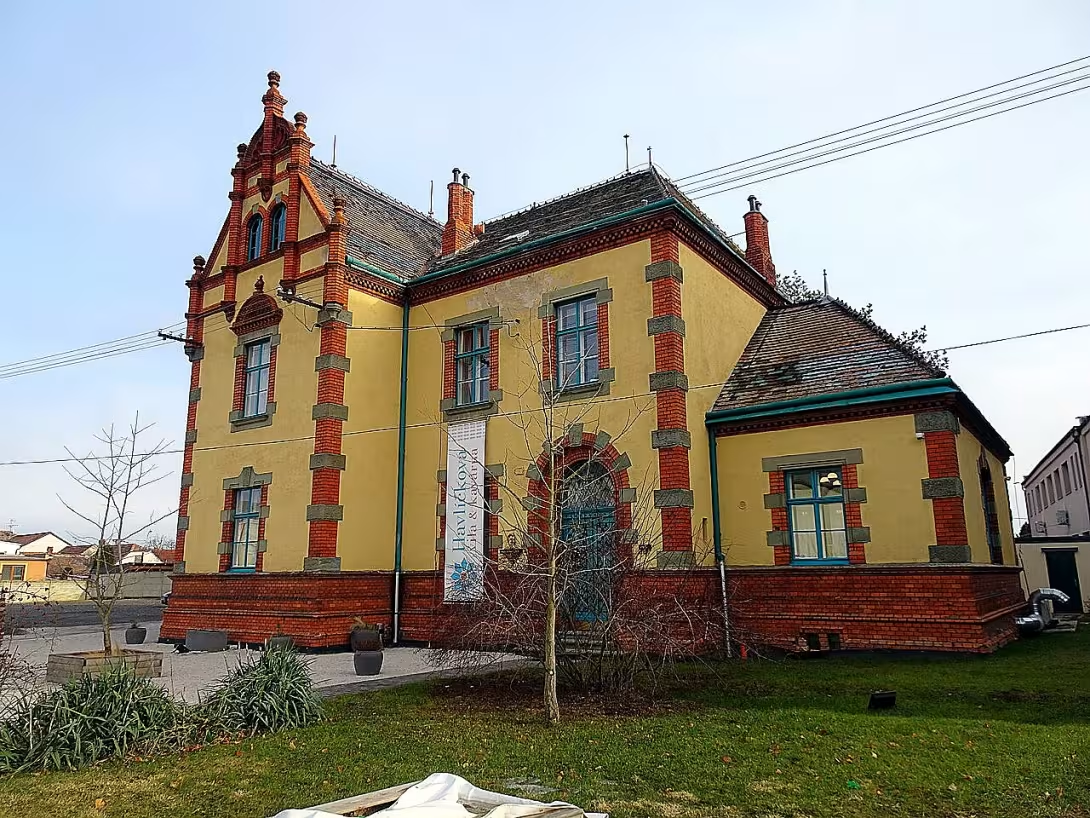
Havlíčkova vila, located in Poštorná near Břeclav, is a historicist villa built at the beginning of the 20th century. Designed by Lichtenštejn court architect Karel Weinbrenner in the Saxon Renaissance Revival style, it reflects the architectural trends of its era. Initially commissioned by Prince Jan II. of Liechtenstein, the villa has served various purposes over time, including a health center and now functions as a cultural center after recent renovations.
The origins of Havlíčkova vila date back to 1902 when it was constructed under the patronage of Prince Jan II. of Liechtenstein. The architectural design by Karel Weinbrenner showcases the Saxon Renaissance Revival style, indicative of the eclectic tastes prevalent in Bohemia during this period as part of the Austro-Hungarian Empire. This era saw a blend of various European influences shaping cultural and architectural developments.
Architecturally, Havlíčkova vila is characterized by its two-story structure with a complex floor plan. The building features decorative elements such as ceramic roof tiles and facade details sourced from local ceramic factories, notable for their craftsmanship. Unique ceramic elements on the facade have been preserved in some areas, adding to the villa's historical charm. A distinctive feature of the interior is its one-sided arcaded staircase, contributing to the villa’s aesthetic appeal.
Ownership of the villa has seen several transitions over the years. After Prince Jan II., it was briefly owned by Poštorné Ceramic Works from 1920 to 1924. In 1924, Rudolf Havlíček acquired the property but faced financial difficulties that led to its repossession by a bank in 1934. Following nationalization in 1948, the villa served as a health center under state ownership until 2010. A notable addition is a memorial plaque at the entrance dedicated to Alois Havlíček, whose son Rudolf once owned the villa.
Throughout its history, Havlíčkova vila has witnessed significant events and transformations. It was declared a cultural monument in 1958 but lost this status in 1987 when the protection was revoked. In recent years, starting from 2021, the villa underwent reconstruction under the guidance of architect Helena Dařbujánová, transforming it into a public cultural center accessible to visitors.
Today, Havlíčkova vila stands as a testament to its rich historical and architectural legacy. The recent renovations have made it an inviting space for cultural activities, offering insights into early 20th-century architecture and local history. Its transformation from a private residence through various utilitarian roles to a cultural hub underscores its enduring significance in the region.
Visitors are encouraged to explore Havlíčkova vila not only for its architectural beauty but also as a window into the past, reflecting the dynamic history of Poštorná and its surroundings. Its current role as a cultural center makes it an enriching destination for those interested in history, architecture, and community heritage.
Then and now
Drag the slider to compare how the landmark may have looked when it was built with the view today.
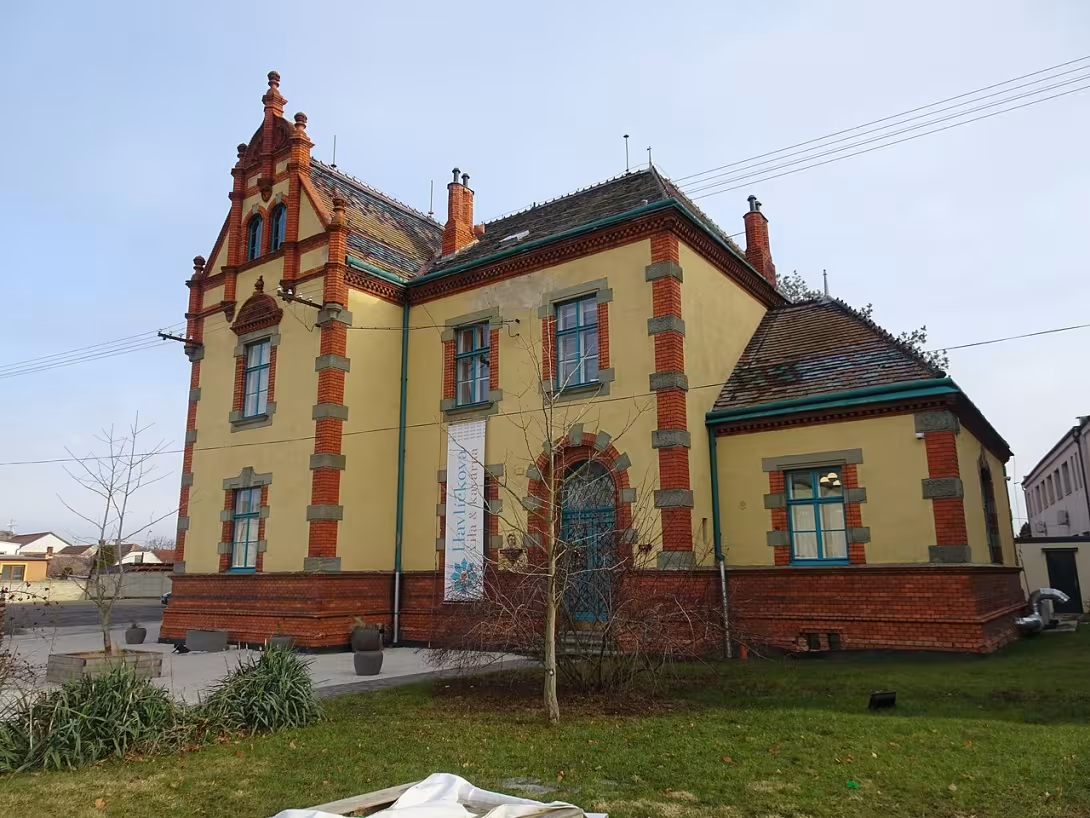
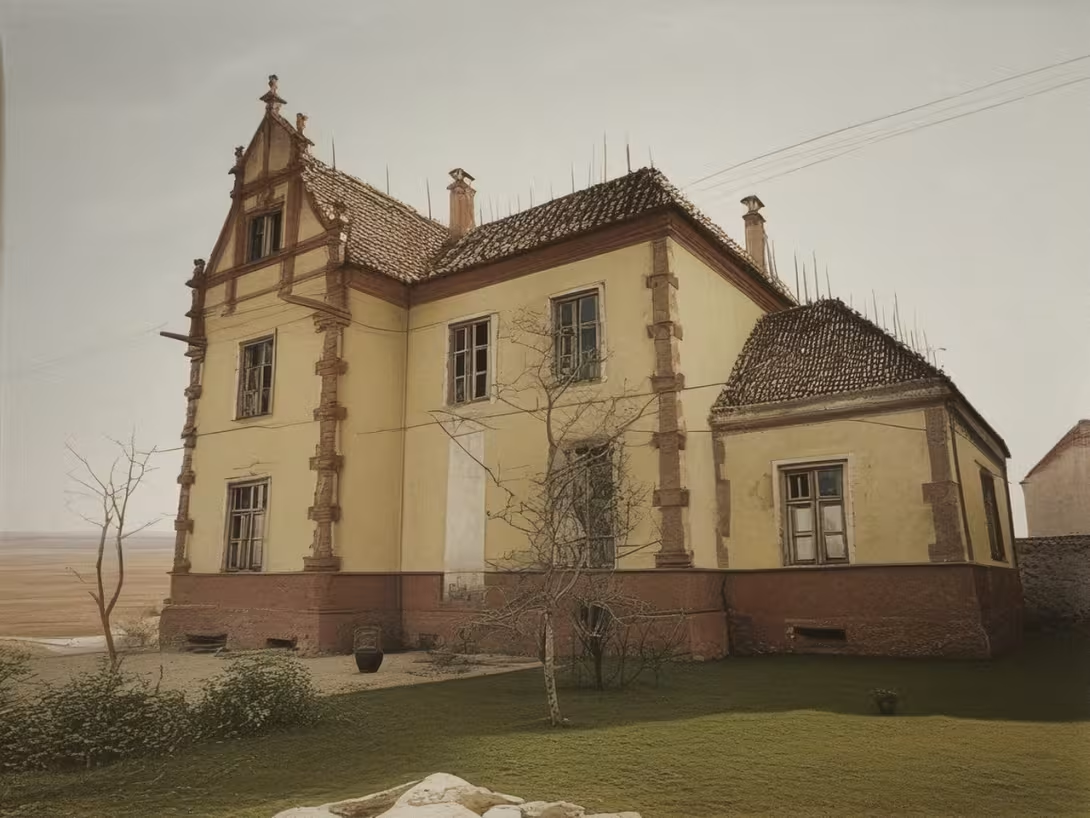
The historical appearance on the left is an AI-generated visualisation and serves as inspiration only.
Historical milestones
- 1958
- Declared a cultural monument.
- 1987
- Cultural monument protection was revoked.
Architectural development
The villa was designed in the Saxon Renaissance Revival style by Karel Weinbrenner. It features a two-story structure with decorative elements such as ceramic roof tiles and facade details from local ceramic factories. The building underwent significant changes, including its use as a health center post-1948 nationalization.
Historical events
Built in 1902 by Prince Jan II. of Liechtenstein.
Nationalized and used as a health center from 1950 to 2010.
Reconstruction began in 2021, transforming it into a cultural center.
Owners
Prince Jan II. of Liechtenstein (1902-1920)
Poštorné Ceramic Works (1920-1924)
Rudolf Havlíček (1924-1934)
Bank (1934-1948)
State ownership post-nationalization (1948-2010)
Points of interest
- Despite its initial commission by Prince Jan II. of Liechtenstein, the villa's ownership was briefly transferred to Poštorné Ceramic Works between 1920 and 1924, reflecting the economic shifts in the region during that period.
- The interior of Havlíčkova vila features a unique one-sided arcaded staircase, which is not commonly found in other villas from the same era, showcasing an innovative architectural design choice by Karel Weinbrenner.
- In 1987, the villa lost its status as a cultural monument, a surprising turn given its historical significance and architectural beauty, highlighting the changing priorities in heritage conservation during that time.
- The memorial plaque at the entrance honors Alois Havlíček, whose son Rudolf once owned the villa. This personal connection adds a layer of human history to the building's storied past.
- Architect Helena Dařbujánová played a crucial role in the recent transformation of the villa into a cultural center starting from 2021, ensuring that its historical essence was preserved while adapting it for modern use.
Guide
This guide is narrated by a synthetic voice generated by artificial intelligence.
Show guide text
This text was created by artificial intelligence and has not been editorially reviewed. It may contain inaccuracies.
Havlíčkov villa in Břeclavi-Poštorné, building number four hundred eighteen, is a historicizing building from the beginning of the twentieth century. The year of origin is stated as nineteen hundred and two, according to other data it was built in the years nineteen hundred and eight to nineteen hundred and nine. The investor was Prince Jan Druhý from Liechtenstein. The design was prepared by the Liechtenstein court architect Karel Weinbrenner in the style of Saxon neo-renaissance.
The owners then changed. After nineteen twenty the villa was briefly owned by the Poštorné ceramic factories. In nineteen twenty-four it was bought by wine merchant Rudolf Havlíček, son of the Poštorné mayor Alois Havlíček. However, he was unable to meet his financial obligations, and so the villa fell to the bank in nineteen thirty-four. In nineteen forty-eight it was nationalized. From nineteen fifty it was owned by the district national committee of Břeclav and until the year two thousand ten it housed a health center. There was then consideration of dividing it into smaller apartments or a home for the elderly, but this did not happen. In twenty twenty-one reconstruction began according to the design by architect Helena Dařbujánová. After that the villa serves the public as a cultural center. It was a cultural monument from nineteen fifty-eight, but in nineteen eighty-seven the monument protection was cancelled.
It is a two-story detached building with a complex floor plan. The brick plinth with open joints is finished with a belt cornice. The bosses on the corners are also from ceramic brick facing. The remaining facade areas have smooth plaster. In the street facade on the right is the main entrance with a semicircular arch and decorated wooden doors. To the left of the facade projects a massive risalit, three axes on the side. The window on its floor is decorated with a semicircular suprafen estra, that is a decorative element above the window, and the gable is carried by pillars with ornamental finials. A similar risalit with gable with finials also has the left side facade. To the right side facade is attached a ground floor extension. Another entrance, also semicircularly arched, is in the garden facade. The roof is gable-shaped, over the extensions it is hipped.
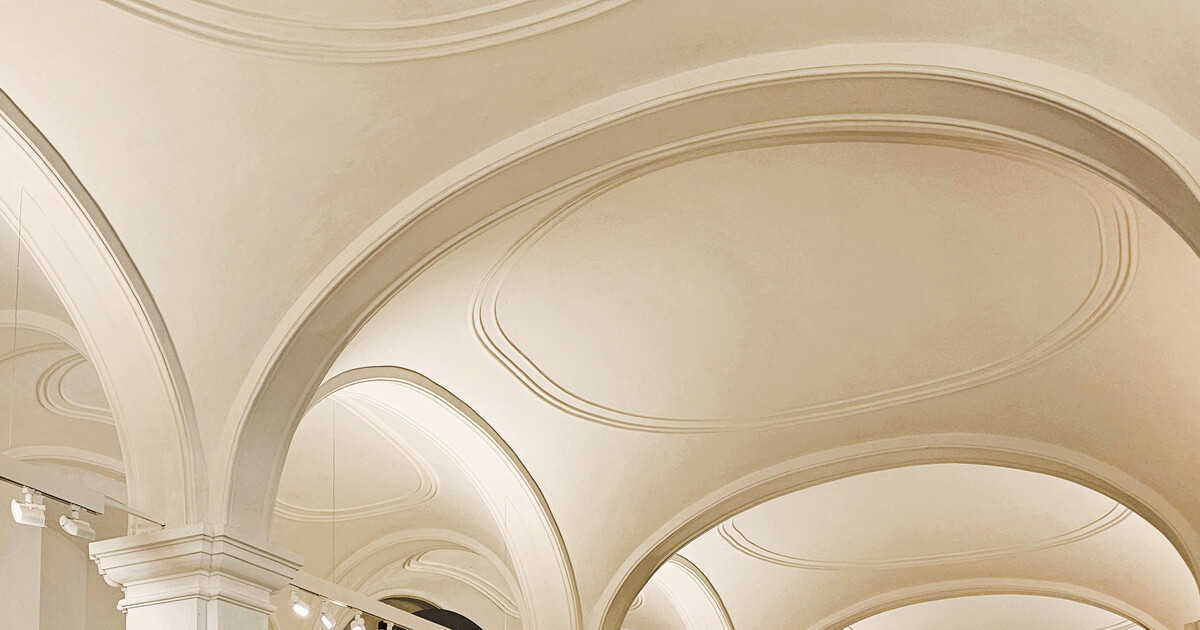
The ceramic roof tiles and ceramic facade elements come from the local ceramic factories. Some have been preserved in their original form. In the interior, a single-flight arcade staircase catches the eye. At the entrance doors is placed a commemorative plaque of mayor Alois Havlíček, after whom the villa bears its name.
Tips for visitors
The best time to visit Havlíčkova vila is during late spring or early autumn when the weather is pleasant, making it ideal for exploring both the villa and its surrounding landscape. During these months, you can enjoy the blooming gardens without the summer crowds, providing a serene experience. Additionally, visiting on weekdays might offer a quieter atmosphere compared to weekends.
Public transport options are also accessible, including buses that connect Poštorná with Břeclav and other surrounding areas.
When planning a visit to Havlíčkova vila, consider bringing comfortable walking shoes as you'll likely explore both the villa grounds and nearby attractions. A camera is recommended for capturing the architectural beauty of the historicist villa and its picturesque surroundings. Don't forget to bring water, snacks, and perhaps a hat or sunscreen if visiting during warmer months.
Photography enthusiasts will find several spots around Havlíčkova vila offering excellent lighting conditions, especially in the early morning or late afternoon when the sunlight is softer. The villa's facade provides striking views, while the surrounding landscape offers diverse backdrops for nature shots. Exploring different angles and times of day can yield varied photographic results.
For those looking to extend their visit beyond Havlíčkova vila, Poštorná and its vicinity offer several attractions within a 30-minute drive or walk. Nearby historical sites include other villas and landmarks that reflect the region's rich cultural heritage. Exploring these can provide additional context and enjoyment for visitors interested in history and architecture.
Frequently asked questions
Can the monument be visited?
This is a residential or farm building, not a museum with opening hours. Please view it from public space and respect the owners' privacy. We have no information about access to the interior. According to the heritage register restoration is under way, so access may be restricted.
Where is the monument?
Location: Poštorná, Jihomoravský kraj. The map on this page shows the exact spot.
Why is the monument protected?
It is listed in the Central List of Cultural Monuments of the Czech Republic as a cultural monument (register no. 1000160881).
Businesses nearby
Do you run a restaurant, accommodation, shop, museum, rental, wellness or other visitor service near this monument? Show yourself directly to the people heading to it — this is how they will see you in the app and on the web:
Events nearby


Zdroj akcí: otevřená data měst a obcí ČR (Národní katalog otevřených dat) a kalendář akcí Národního památkového ústavu.
Nearby
Havlíčkova vila is situated in Poštorná, near Břeclav, surrounded by a landscape that includes other historical sites and natural features within a 5 km radius.
Accommodation nearby
Themed route
Trasa: Poštorná and its historical surroundings
1. Havlíčkova vila (villa)
Havlíčkova vila is worth visiting due to its unique architecture and historical significance. It was built in 1880 and is one of the most important cultural landmarks in the region.
2. Kostel svatého Václava (church)
The Church of Saint Wenceslas is a beautiful sacred building located in the center of Poštorná. It is an important cultural and historical site worth visiting.
3. Kaple svatého Jana Nepomuckého (chapel)
Kaple svatého Jana Nepomuckého is a small but beautiful chapel located near Havlíčkova vila. It is a peaceful and pilgrimage site worth visiting.
4. Hřbitov v Poštorné (cemetery)
The cemetery in Poštorná is a quiet place where many historical graves and monuments are found. It is a place to stop and reflect on the history of the town.
5. Nadlesní lokalita (natural site)
Nadlesní lokalita is a natural site located near Poštorná. It is a place to stop and immerse yourself in nature.
Seasonal recommendations
Jaro
In the spring season, Villa No. 418 is surrounded by blooming nature that adds a romantic atmosphere to the place. The pathways and lawns are covered with flowers beautifully reflecting the sun's rays. Flags and decorations on the villa's façade have been restored, creating a warm and welcoming impression.
Practical tips: The best time to visit Villa No. 418 in spring is in the first half of April when the weather is mild and temperatures are suitable for strolls. Suitable clothing: summer clothes, an umbrella, comfortable shoes.
Summer
Summer is the ideal time to visit Villa No. 418 as it is the main season and most tourists are already on their summer holidays. The flags and decorations still feature spring colors, but temperatures are warmer and the sun shines late into the night.
Practical tips: The best time to visit Villa No. 418 in summer is in the first half of June when the weather is sunny and temperatures are suitable for strolls. Suitable clothing: summer clothes, sunglasses, comfortable shoes.
Autumn
The autumn season is an ideal time to visit Villa No. 418 as there are fewer tourists and the atmosphere is more tranquil. The pathways and lawns are covered with leaves beautifully reflecting the sun's rays.
Practical tips: The best time to visit Villa No. 418 in autumn is in the first half of October when the weather is mild and temperatures are suitable for strolls. Suitable clothing: autumn clothes, an umbrella, comfortable shoes.
Winter
The winter season is an ideal time to visit Villa No. 418 as there are fewer tourists and the atmosphere is more tranquil. The flags and decorations are adorned with snow, creating a romantic atmosphere.
Practical tips: The best time to visit Villa No. 418 in winter is in the first half of January when the weather is cold and temperatures are suitable for strolls. Suitable clothing: warm clothes, a scarf, comfortable shoes.
Visualizations and artistic views


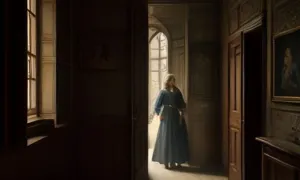
The visualisations are generated by artificial intelligence and serve as inspiration.
Photos from the area
Real photos taken near the monument


Zdroj a licence jsou uvedeny u každého snímku.
Tips from visitors
No tips yet. Be the first!
Log in and add your tip.
Sources and literature
Photos: Palickap / CC BY-SA 4.0 — Wikimedia Commons. The author and licence also appear when you hover over the image.
Faktickým podkladem tohoto textu byl článek na Wikipedii, jehož autory jsou přispěvatelé Wikipedie. Článek je dostupný pod licencí CC BY-SA 4.0.
Location on the map


Příběhy a pověsti
Legendy, pověsti a příběhy spjaté s touto památkou
Fotografie návštěvníků
Zatím žádné fotografie. Buďte první, kdo přidá fotografii z návštěvy!
Log in a přidejte svou fotografii nebo hodnoťte.
Za ověřenou návštěvu v aplikaci získáte víc bodů — poznáme podle GPS, že jste na místě.
Reviews and comments