






Vila Franke Villa
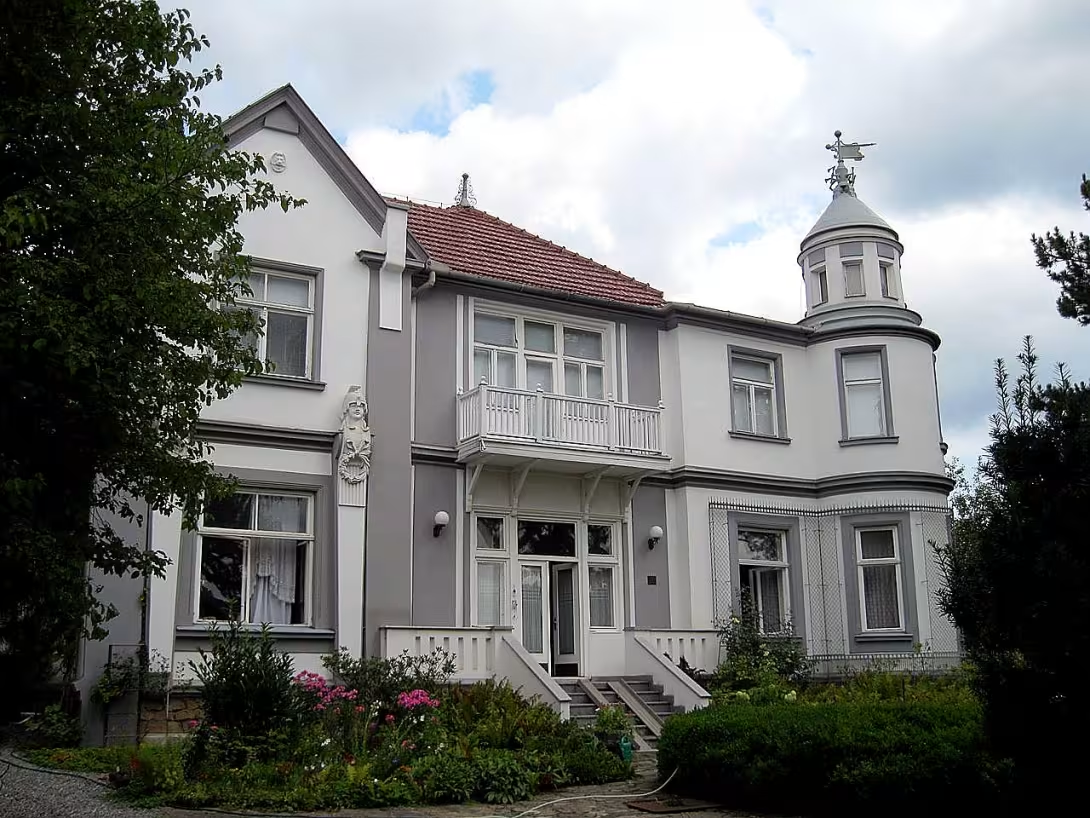
Vila Franke, originally known as the Japp Villa, is a Art Nouveau residential building in Tišnov built in 1898-1899. It is characterized by architecture in English chalets style. This historical monument is important for its rich historical course, host traditions and important personalities that visited it.
At the end of the nineteenth century, Tišnov was declared a climatic site, which led to the development of spa and relaxation building. As part of this new construction, Riegrova Street was established, where in 1899 the Kuthan Sanatorium and the Franke Villa were completed, which became the first residential building in this location.
The architecture of the building combines English chalet style with Art Nouveau elements and the central hall is located in its interior. Part of the original complex was also a cylindrical winter garden, which was built using Falconniere polygonal needles. The building itself has a memorable pine tree.
The builder was Rudolf Japp, a brewer from Přednátěř, who soon sold the villa due to economic difficulties. In May 1932 the building became the property of the husbands Antonín and Marie Franke who converted it into a guesthouse with a café. At the end of World War II, the villa was badly damaged. After subsequent repairs, it served as classrooms of the Gymnasium and later as residential spaces. The building was equipped with extensive and complete repairs in the years 1990- 1992.
As a guest house she hosted a villa of significant personalities, including Jiří Voskovec, Jan Werich, Vlasta Burian, Bohuslav Fuchs, Eliška Junková or Gustav Frištenský. After reconstruction at the turn of the decade, foreign actors, such as Sigourney Weaver or Sam Neill, also hosted. The building also served as a set for the shooting of the series Četnický humoresky. From the point of view of monument protection, the object underwent complications when the protection ended temporarily in 2016 due to the administrative decision on late registration, but was renewed in 2017.
Vila Franke is an important historical element of Czech architecture that has undergone transformation from luxury residence to pension to apartment building. Its rich history and unique combination of styles make it an interesting goal for interested people interested in the architecture and history of the region.
Then and now
Drag the slider to compare how the landmark may have looked when it was built with the view today.
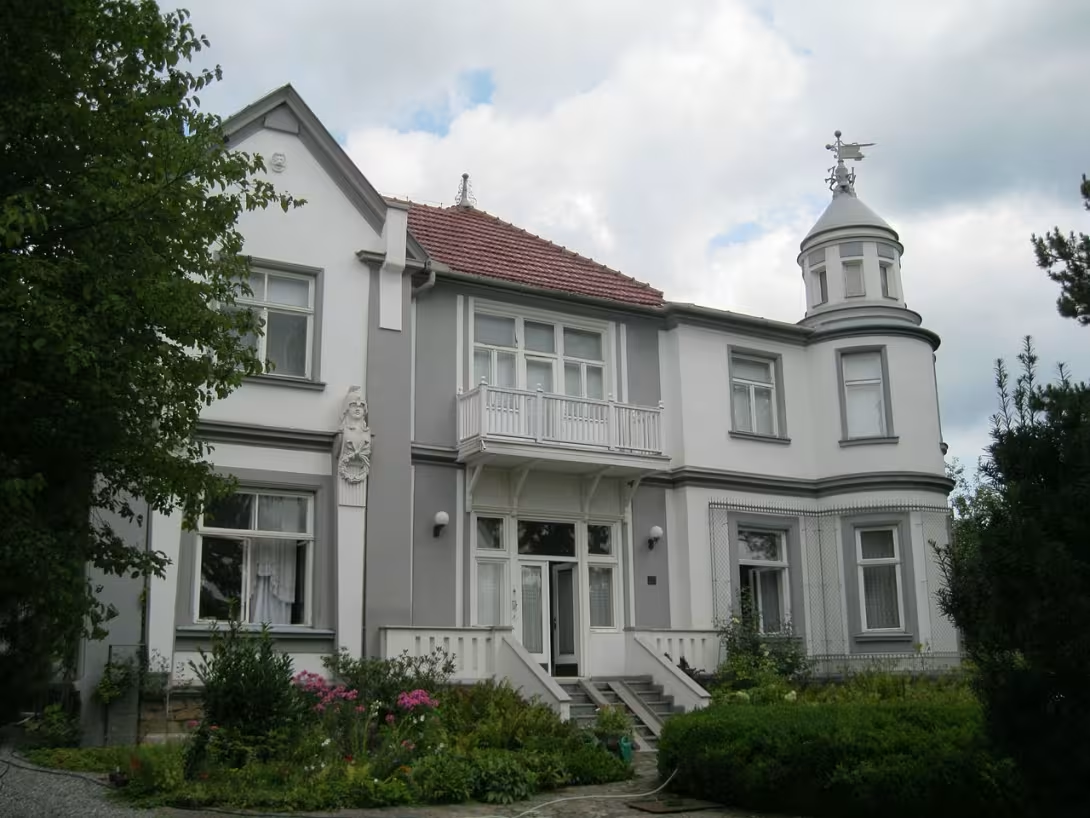
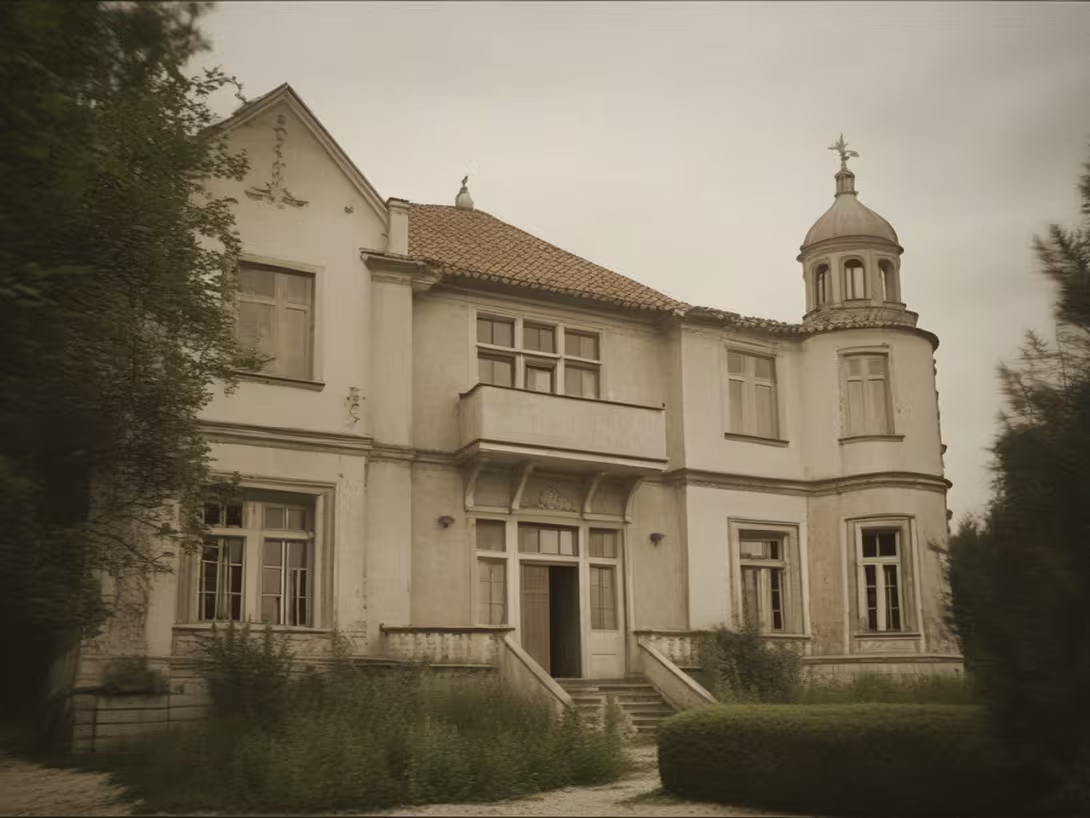
The historical appearance on the left is an AI-generated visualisation and serves as inspiration only.
Historical milestones
- 1898
- The beginning of the building of the villa.
- 1899
- Completion of construction and creation of the first residential building in the location.
- 1932
- The villa was taken over by the husband and wife of the Frankes and its conversion into a guesthouse.
- 1990
- The beginning of extensive reconstruction of the building.
Architectural development
The construction was built in English chalet style with Art Nouveau elements. Also included was a cylindrical winter garden with polygonal needles Falconniere blocks. After the damage in the war, the building was converted into classrooms and later into flats.
Historical events
In 1899 the villa was completed. In May 1932, it was taken over by the Frankes and converted to a boarding house. At the end of World War II, the building was badly damaged. A complete repair took place between 1990- 1992.
Owners
Rudolf Japp (builder), husbands Antonín and Marie Franke (since 1932).
Points of interest
There are memorable pine trees at the villa. There was a series of Četnický humoresky in the building. They hosted famous personalities like Vlasta Burian or foreign stars Sigourney Weaver and Sam Neill.
Guide
Show guide text
This text was created by artificial intelligence and has not been editorially reviewed. It may contain inaccuracies.
Welcome to Tišnov. You're standing in front of a building with an incredible amount of history, peace and elegance. The Vila Franke stands before your eyes. Feel the atmosphere surrounding you right now. It's a place where time seems to flow a little differently, slower and with more respect for the past. Imagine that this view that you're seeing right now was the same for people who lived and hosted here over a hundred years ago. Feel the beauty and calm that radiates from this building, and allow yourself to bear the story that took place here.
In order to truly understand why this building is such an extraordinary place, we need to go back deep into the past together. Let's move on to the late nineteenth century. It's one thousand eight hundred eighty-eight. At this time Tišnov began to change, develop and seek his new face. It was during this period when this new part of the city was born that this building began to be built. Vila Franke was not just an ordinary house; It was the very first residential building in this new location. It created a basic point for the whole neighborhood. Why was this building built here? The answer lies in the very nature of this place. At that time, people became more interested in health and nature. This area was designed as a place for people who were looking for healing peace and clean air. The construction was designed to serve the needs of people who came to rest and regenerate their body and mind thanks to local climate. The first construction works started in the year one thousand eight hundred eighty eight, and one year later, that is, in the year one thousand eight hundred ninety-nine, the whole building was completed. The villa became a symbol of a new, healthy life in this part of the city.
Now pay attention to the very form of the building that now surrounds you. Look at her face and see how two completely different worlds connect in her. The architecture of this villa is a fascinating story about combining tradition and modern taste of the time. At first glance, you can feel the cosy and calm in her lines and overall sound, which resemble English country cottages. There's something in it about the British well-being, the quest for harmony with the surrounding nature. However, when you look closely, you begin to discover in detail something much softer and richer. You will find clear elements of the Art Nouveau in the building. This era brought to the architecture a smooth line, organic shapes and a sense of luxury, which was not rough but very natural. This combination of British rural style and elegance of Art Nouveau creates a unique character that you will not find anywhere else around. If you had the opportunity to enter, your eyes would reveal the central hall, which forms the heart of the entire building and serves as the main point around which the entire inner life revolves. Although the building has undergone changes over many years, from the guest house to today's apartment spaces, its basic character and the special, noble atmosphere have remained.
But this villa is not just about stone, wood or architectural details. It is above all a place that witnessed many human destinies and meetings. Imagine all the important personalities that have ever hosted here. Did you know that this building was a place where the very tip of the culture and art at the time was moving? In these areas, legendary creators such as Jiří Voskovec or Jan Werich could move. Perhaps you can imagine their laughter and insightful considerations, which were probably heard here. There were also incredibly talented people like the famous Vlasta Burian. Vila Franke was simply a place where talent, humor and high society met. And that's not all. This building had international dimensions. Tišnova was attracted to the stars of the world's great canvas. They hosted foreign actors such as Sigourney Weaver or Sam Neill. Imagine a mixture of languages, cultures and stories that have intertwined here over the years. This villa was like a small world in the heart of Tišnov, where the best of our world and abroad met.
Now, if you look a little further away from the building's walls, notice one thing that stands here as a quiet and faithful guardian. There are memorable pine trees at the villa. It's a tree that's been standing here for a very long time and that's probably seen more than any of us. It's living proof of the continuity of this place. And if you're interested in something even more, you might be surprised that this is where the fiction took place, which has become part of our culture. This is where the famous TV series Četnický humoresky was filmed. Perhaps looking at the building, you can imagine the scenes from this work and feel the atmosphere of the old days that the creators were so careful to capture.
The history of the Franke Villa is a constant movement. We saw its creation in the year one thousand eight hundred eighty-eight, its completion and flowering. We saw the year one thousand nine hundred and thirty-two when married Franke took it over and started turning it into a boarding house so they could host other people looking for rest. We also saw major changes in the year one thousand nine hundred and ninety, when the extensive reconstruction began, which gave the building its present form. Each of these ages left a mark in her walls.
But I will no longer hold you back. Just keep drifting through the atmosphere of this place. Look at the building from different angles, see its shapes and try to imagine the people who were here before you. Maybe looking at the old pine tree or the facade details will stop and you'll find a piece of that history that's so close. We wish you a nice walk around Tišnov and hope that this short look into the past of the villa Franke brought you interesting ideas. Thank you for your attention and enjoy the rest of your day.
Tips for visitors
The best time to visit Villa Franke is in the summer months when the weather is favourable and you can enjoy the outdoor area. This time is also ideal because of the beautiful sunsets that give the historic state a romantic atmosphere.
Parking for visitors can be found near the villa itself. For those travelling by public transport, it is advisable to check the current connections by bus or tram which lead to Tišnova and its surroundings.
When visiting, take with you clothes suitable for outdoor walking, especially if you plan to explore the area. Don't forget the umbrella and goggles if you intend to take pictures outside.
The photo of Villa Franke offers several views, especially from nearby pavements. The best light for photography is usually in the early morning or in the evening when the sun's rays illuminate architecture in breathtaking colors.
There is a Kuthan sanitarium in the vicinity of Villa Franke. It is a suitable place to relax and relax after exploring historical monuments. For families with children, it is possible to visit parks or other outdoor areas near an interesting addition.
Businesses nearby
Do you run a restaurant, accommodation, shop, museum, rental, wellness or other visitor service near this monument? Show yourself directly to the people heading to it — this is how they will see you in the app and on the web:
Events nearby


Zdroj akcí: otevřená data měst a obcí ČR (Národní katalog otevřených dat) a kalendář akcí Národního památkového ústavu.
Nearby
V blízkosti se nachází Kuthanovo sanatorium v Riegrove ulici.
Accommodation nearby
Trips and activities nearby
Guided tours, tickets and activities nearby from GetYourGuide
Affiliate link: if you buy from the partner, we may receive a commission. The price for you does not change.
Search tours and activities →Themed route
1. Riegrove street (type: street) This path will guide you around interesting buildings in this part of the village.
2. Kuthan Sanitarium (type: building) This building represents an interesting point for lovers of building art.
3. Vila Franke (type: villa) The main destination of the trip, which will capture you with its unique form.
Seasonal recommendations
Spring in Tišnov brings green and fresh air to the surroundings of Villa Franke. Lighting is soft and diffuse, ideal for capturing facade details without sharp shadows, which are typical of sunny days. Nature comes to life around the monument, trees and bushes bloom, creating a pleasant contrast with historical architecture. The atmosphere is calm and quiet because the main tourist season has not yet begun. Practical advice includes layered clothes because spring weather can be variable with sudden showers. It is recommended to visit the memorial in the morning when the light is most suitable for photo shoots and trips are free from larger groups of visitors. The footwear should be comfortable and waterproof as grass and pavement can be slippery after rain.
Summer offers the longest days and bright sunlight that highlight the colours and textures of the villa materials. Nature is in full bloom, surrounding gardens and parks provide shade and cool, which is a great advantage in hot days. The atmosphere is more lively, there are often families with children and groups of tourists. Practical advice focuses on sun protection such as hat, sunglasses and sufficient drinking mode. Due to the increased attendance, it is best to come as early as morning or late afternoon to avoid the biggest crowds. Clothes should be light and airy, suitable for higher temperatures. If you are planning a longer walk around the city, choose a comfortable shoe that can withstand higher asphalt temperatures.
Autumn brings to Tišnova unique palette of colors, from gold to brown, which gives historical monument a romantic and melancholy touch. The lighting is warmer and lower, which creates dramatic shadows and underlines architectural elements of the villa. Nature around the monument is rich in fallen leaves, which covers the pavement and creates a natural carpet. The atmosphere is calm and thoughtful, ideal for separate walks and photography. Practical advice includes layered clothes with a warm jacket because the wounds and evenings are cold, while the noon can be pleasantly warm. It is recommended to visit the monument in the afternoon, when the light is warmer and softest. Footwear should be waterproof because autumn rain can be frequent and pavement slippery.
Winter in Tišnov brings a quiet and quiet atmosphere to the surroundings of Villa Franke, often sprinkled with snow, which contrasts with dark roofs and facades. The lighting is short and cold, but the snow cover reflects light and creates bright, clean scenes. Nature is in sleep mode, the trees are bare and the landscape acts minimally and cleanly. The atmosphere is intimate and special because there are few visitors and the monument acts as a lonely saint in the white landscape. Practical advice focuses on warm clothes, including gloves, scarf and warm caps, because temperatures may be low. It is recommended to visit the memory in the late morning, when it is warmer and the light is brightest. The shoes should be winter, with good grip to avoid slipping on frozen or bloated surfaces.
Visualizations and artistic views


The visualisations are generated by artificial intelligence and serve as inspiration.
Photos from the area
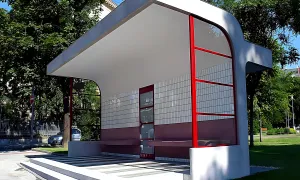
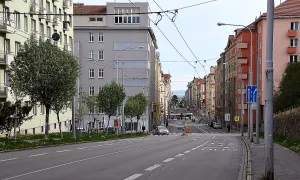
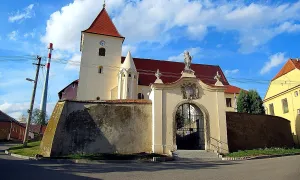
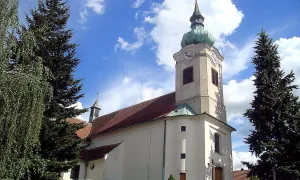
Real photos taken near the monument


Zdroj a licence jsou uvedeny u každého snímku.
Tips from visitors
No tips yet. Be the first!
Log in and add your tip.
Sources and literature
Photos: Lehotsky / CC BY-SA 3.0 — Wikimedia Commons. The author and licence also appear when you hover over the image.
Faktickým podkladem tohoto textu byl článek na Wikipedii, jehož autory jsou přispěvatelé Wikipedie. Článek je dostupný pod licencí CC BY-SA 4.0.
Location on the map

Příběhy a pověsti
Legendy, pověsti a příběhy spjaté s touto památkou

Fotografie návštěvníků
Zatím žádné fotografie. Buďte první, kdo přidá fotografii z návštěvy!
Log in a přidejte svou fotografii nebo hodnoťte.
Za ověřenou návštěvu v aplikaci získáte víc bodů — poznáme podle GPS, že jste na místě.
Reviews and comments