



Vila Košťál Villa
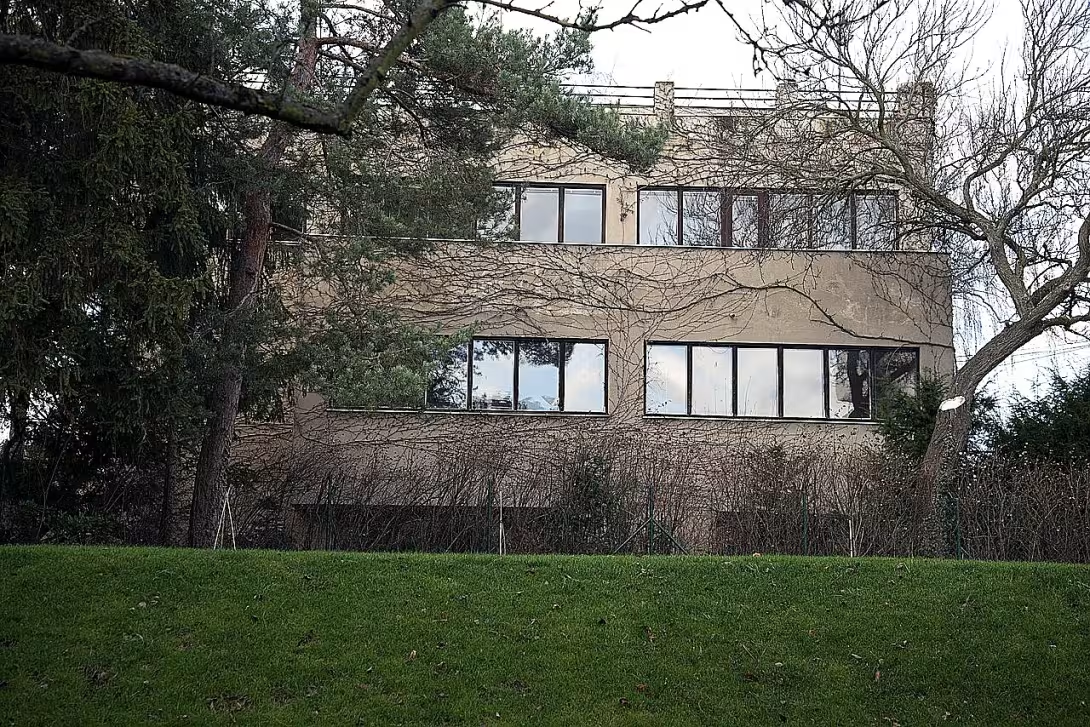
Vila Košťál is a functional building in Prague's Dejvice, which belongs to the important Objects of Osada Baba. It was built for Professor ČVUT Ing. Jan Koštál and his family of four; Her architect was František Kerhart.
The building was built during the flowering of the functionalism of the first republic, when modern houses for the middle class were built in the Czech Republic. Although it is part of Osada Baba, its construction took place only after the completion of the surrounding building in 1934.
The architectural solution of the villa combines a reinforced concrete construction with a 45 cm thick perimeter brick supporting walls. This construction enabled a freer internal plan for a standard functionalist solution which includes living areas on the ground floor and bedroom on the floor. František Kerhart modified the original design by increasing living rooms on the ground floor using a massive longitudinal bay, resulting in a narrow balcony terrace in front of the bedrooms. Due to the northern orientation of the entrance, the south side of the building is decorated with large windows for rich interior lighting. Thanks to the slope of the terrain, the ground floor appears to be a floor from the south view and the garage was located in the basement according to the builder. The upper part of the building has a large roof terrace that offers views of the city.
In 1940, the ground-floor features of this villa, together with the house No. 30 of Jan White Castle, were published in the journal Architecture. These plans were presented by Oldřich Stefan at the exhibition Za new architecture.
Vila Košťál presents a pure example of functionalism with emphasis on light and openness. Its architecture and use of the terrain make it an important sightseeing monument to the modern heritage of the first republic.
Historical milestones
- 1940
- Publication of plans in connection with the exhibition Za new architecture.
Architectural development
The construction uses a combination of reinforced concrete structure and perimeter brick walls with a thickness of 45 cm. Architect Kerhart modified the original project by increasing living space using a massive bay. Thanks to the slope of the terrain, the garage is located in the basement.
Historical events
- 1940
- Presentation of the ground plan of the villa during the lecture by Oldřich Stefan at the exhibition Za new architecture.
Owners
Jan Košťál
Points of interest
- Vila Košťál is part of Osada Baba and was built for Professor ČVUT Ing. Jan Koštál. - Architect František Kerhart designed a construction that combines reinforced concrete construction with brick walls of 45 cm thick. - The villa was built after the completion of the surrounding mansion in 1934 and represents a pure example of functionalism. - The foundations of the villa were published in 1940 in the magazine Architecture at the exhibition Za new architecture. - The villa is an important sightseeing monument to the modern heritage of the first republic with emphasis on light and openness.
Guide
Show guide text
This text was created by artificial intelligence and has not been editorially reviewed. It may contain inaccuracies.
Welcome to Villa Koštál, a unique piece of architecture located in the heart of Prague's Osaka Baba. You stand before a construction that tells the story of modernity and innovation from the first republic. Think of an elegant design that harmoniously intersects with the surrounding landscape. The villa invites you to explore its unique architectural spirit.
The creation of this monument is unheard of as fascinating. In 1940, the ground floor features of Villa Koštál were published in connection with the exhibition Za new architecture, which underlines its importance as a leading example of functionalist thinking. Architect František Kerhart designed this building for Professor ČVUT Ing. Jan Koštál, who became its first owner and user. The villa was built during the period when architecture focused on new concepts of openness and light.
Look up and look around. Vila Košťál is a clean example of functionalism, where emphasis lies on the maximum use of light and space openness. You see how the reinforced concrete structure harmoniously cooperates with 45 centimeters thick brick walls, which represents modern design procedures of that time. This detail is particularly important and points to innovative ideas that were applied at the time.
The architect František Kerhart is of course an important person associated with this monument. His work on Villa Broomstick shows his ability to combine aesthetics and functionality in one piece. Another personality that connects to this monument is Oldřich Stefan, another architect who contributed to the development of Osada Baba.
The interesting thing about this villa is its location on the slope, which offers extremely impressive views of the city. This factor contributes to a unique atmosphere and makes it not only architectural but also visual pearls.
Let's move on to the end of our short parade. Vila Košťál is really a unique place full of history and art. I hope this visitor has inspired you to explore Ossad Baba and her other architectural gems. Thank you for your attention, and I wish you a nice fun next tour!
Tips for visitors
The best time to visit is spring or autumn, when the weather is mild and surrounding green in Osad Baba and Prague's Dejvice is gaining beauty. There are also fewer tourists in these periods, which allows a more peaceful tour of this important building from the period of the first republic.
Transport availability is ensured both by car and public transport. Since you are in Prague's Dejvice, we recommend checking the current connection in the search engine before the trip.
Take your comfortable shoes with you, because the surroundings of the monument can be terrain with inequalities, as well as plenty of drinking water. If you are planning a longer stay in the area, it is advisable to have a light snack and umbrella with you because the Prague weather can be variable.
For photography is ideal morning or late afternoon light, which highlights architectural details of the villa designed by František Kerhart. The best views of the building are opened from the surrounding pavements in Osad Baba, where you can capture the contrast between historical construction and surrounding nature.
The surrounding area is Osada Baba and Prague Dejvice, which are ideal for short walks. In 30 minutes you can move between these locations and discover other historical elements and green zones that supplement the visit to the villa Košíl.
Frequently asked questions
Can the monument be visited?
This is a residential or farm building, not a museum with opening hours. Please view it from public space and respect the owners' privacy. We have no information about access to the interior. According to the heritage register restoration is under way, so access may be restricted.
Where is the monument?
Location: Dejvice, Hlavní město Praha. The map on this page shows the exact spot.
Why is the monument protected?
It is listed in the Central List of Cultural Monuments of the Czech Republic as a cultural monument (register no. 1000140593).
Businesses nearby
Do you run a restaurant, accommodation, shop, museum, rental, wellness or other visitor service near this monument? Show yourself directly to the people heading to it — this is how they will see you in the app and on the web:
Events nearby

Zdroj akcí: otevřená data měst a obcí ČR (Národní katalog otevřených dat) a kalendář akcí Národního památkového ústavu.
Nearby
Osada Baba, Pražské Dejvice
Accommodation nearby
Trips and activities nearby
Guided tours, tickets and activities nearby from GetYourGuide
Affiliate link: if you buy from the partner, we may receive a commission. The price for you does not change.
Search tours and activities →Themed route
Thematic cruise route around the Broomstick Villa
1.Vila Košťál (villa) The main objective of our route is Vila Košťál, an architectural work with a rich history and unique design. It is worth visiting for its elegant style and views on the surrounding green area of Prague's Dejvice.
2. Osada Baba (architectural settlement) After exploring the Villa Koštál we go to Osada Baba, which is famous for its modern and functional apartments. It is an ideal place to walk and observe the architectural development of the area.
3. Prague Dejvice (urban area) The next point is Prague Dejvice itself, where you can explore the diversity of streets and parks. This area offers quiet moments in green and the opportunity to enjoy local restaurants or cafés.
4. Dejvice Garden (park) A perfect goal for relaxation is the Dejvická Garden, which offers beautiful walks and places to relax. It's an ideal place to observe local fauna and flora.
5. Dejvice Square (square) Our route ends in Dejvický Square, the center of social life in the area. Here you can explore local shops and experience the atmosphere of this quiet part of the capital.
This route offers a combination of architectural experiences, nature and local culture around the Villa Koštál.
Seasonal recommendations
Spring: In the spring period the surrounding area of the villa Koštál is revived by flowers and new foliage of trees, which adds color contrasts to historical architecture. The sun's rays are projected through a foggy veil, creating a unique atmosphere of peace and renewal. When visiting, it is advisable to wear mild clothes as the temperature may vary significantly during the day. The best time for a walk is in the afternoon when the sun lights up buildings and gardens even brighter.
Summer: The villa Koštál has become a popular place for visitors seeking relief from urban living. Long sunny days and warm night peace bring the possibility of long walks in gardens. Due to large crowds, it is recommended to visit the memory early in the morning or later in the evening to avoid the peak of the summer visitors. Remember to wear light clothes and sunscreen.
Autumn: In autumn the surroundings of the villa Koštál are covered with golden leaves, which provides a lovely background for photos. Soft light and colder weather bring a calm atmosphere that is ideal for relaxation in garden areas. Clothes should be mild, with the possibility of adding a warm hat or jacket to a cooler afternoon. The best time to visit is in the morning, when the garden environment is calm and the sun's rays penetrate through the leaves.
Winter: Winter brings a cool atmosphere around the Broomstick Villa. Less visitors means that you can enjoy quieter walks and details of architecture without disturbing the crowd. The sun rays are projected on snow or dry roads, creating unique light effects. It is important to wear warm clothes and protective shoes because of the cold and shorter opening times of the sights. The best time to visit is noon, when sunlight provides the most beautiful lighting.
Visualizations and artistic views

The visualisations are generated by artificial intelligence and serve as inspiration.
Photos from the area
Real photos taken near the monument


Zdroj a licence jsou uvedeny u každého snímku.
Tips from visitors
No tips yet. Be the first!
Log in and add your tip.
Sources and literature
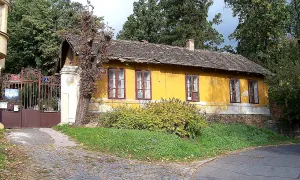
Photos: Jirka Dl / CC BY-SA 4.0 — Wikimedia Commons. The author and licence also appear when you hover over the image.
Faktickým podkladem tohoto textu byl článek na Wikipedii, jehož autory jsou přispěvatelé Wikipedie. Článek je dostupný pod licencí CC BY-SA 4.0.
Location on the map


Příběhy a pověsti
Legendy, pověsti a příběhy spjaté s touto památkou
Fotografie návštěvníků
Zatím žádné fotografie. Buďte první, kdo přidá fotografii z návštěvy!
Log in a přidejte svou fotografii nebo hodnoťte.
Za ověřenou návštěvu v aplikaci získáte víc bodů — poznáme podle GPS, že jste na místě.
Reviews and comments