



Vítův mlýn Water mill
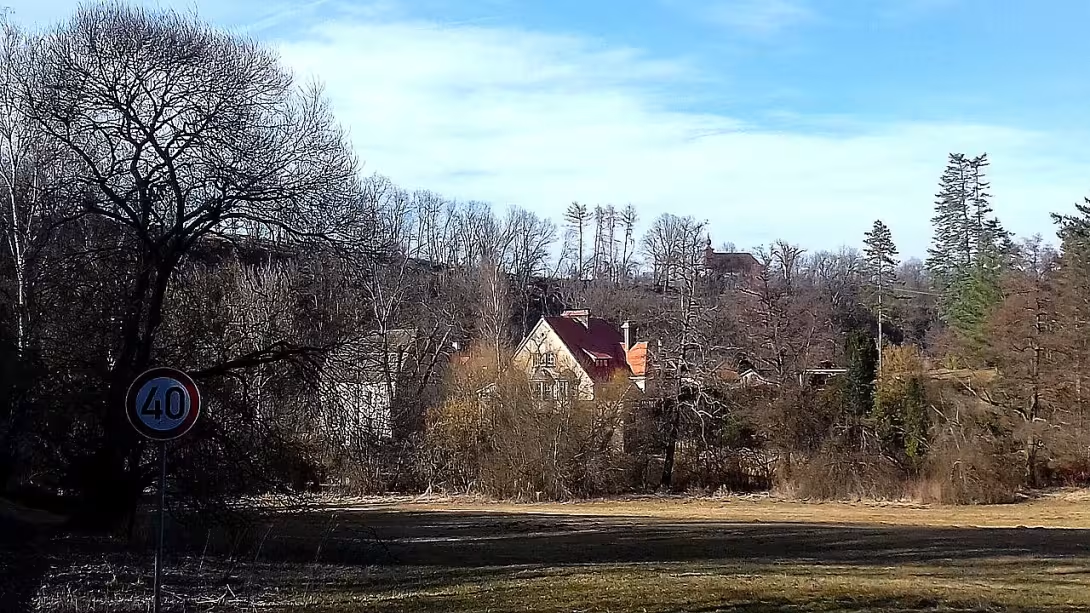
Objekt se nedochoval — na místě dnes nestojí. Následující text popisuje jeho historii, ne současnou návštěvu.
Vítův mlýn, also known as Veit Mühle or Fajt Mill, is a historical monument in the Svěná u Svatava district of Sokolov. This extinct water object was once protected as a cultural monument and belonged to the most valuable architectural elements of the region. He was standing on a stream that was the presence of the Saint.
The first mention about Vít's mill appears in the sources from 1525. The title "Vítov" is confirmed by the document from 1685, which shows its long history and importance to the local population. In 1842 the mill owner Antonín Wölfling was mentioned as the owner or manager of the building, which shows its permanent functionality.
Architecturally, Vítův mlýn was characterized by a rectangular ground plan with a brick floor and a raked floor. The Mansard roof with skylights and triangular shields covered the bags that gave the construction a characteristic look. The windows on the ground floor had a rectangular lining in the plaster while the floor was placed in rectangular wooden frames. The interior contained a flat-ceiling mill, which indicated its technical level and efficiency.
The water was driven to the water wheel by a drive, as indicated by the indication sketch. In 1930 the mill had the performance of four horticultural forces and one water wheel; it was managed by František Sättler.
The Memorial Protection of the Mill repealed the decision of the Ministry of Culture ČSR No. 6883 / 80-VI / 1 of 12 February 1980, which changed his fate. In October 1987, the mill was torn down and no longer exists as a physical object. Although it has disappeared, Vítův mlýn has retained its historical value and place in local traditions.
While you will not see Vítův mlýn physically when visiting the Svatava area, its history and significance for the region remain in local memory. Although the object itself no longer exists, its legacy serves as a reminder of the rich heritage and technical advances of past times.
Vítův mlýn was more than just a water building; was part of local life and culture. His plot reminds us of how important monuments are to preserve cultural heritage. Visit the Svatava area and you will appreciate not only the beautiful nature, but also the rich history that is here.
Historical milestones
- 1525
- First mention of mill in springs
- 1685
- The mill is listed in sources under the name of Vítová
- 1980
- Cancellation of the Memorial Protection Mill
- 1987
- Demolition Mill in October
Architectural development
The construction had a brick ground floor and a paved floor with windows in rectangular wooden frames. The roof was formed by a mansard structure with skylights equipped with triangular shields. The water was guided to the water wheel through the drive.
Historical events
In 1525 the mill is first mentioned in the springs. In 1685 it is listed in documents under the name of Vítov. In October 1987, the mill was torn down.
Owners
Local National Committee (1980)
Points of interest
The first mention of the mill dates back to 1525. - The building had a rectangular plan with a brick floor and a raked floor. - In 1930, the mill had one water wheel and four horsepower. - The building was torn down in October 1987 and no longer exists. - The monument was also known as the Fajt Mill.
Guide
Show guide text
This text was created by artificial intelligence and has not been editorially reviewed. It may contain inaccuracies.
Welcome to a place that may be peaceful and still today, but which carries deep traces of human effort and work. You are standing right where the heart of this place used to beat - where there was a major water mill known as Vítův mlýn. Even if your eyes can't see the tall walls today, the steep roofs and the moving wheels, please try to close your eyes for a moment and let yourself be carried away by your imagination. Imagine the sound of running water, the rhythmic pounding of machines and the constant movement that this water machine used to provide for the whole area. Although the building no longer exists physically, its history is still alive in the memory of this country and in every stone that remains here.
Let us now move further into the past together to understand how deep the roots of this mill had. The history of this place is not short, it tells a story that goes back to a deep period. The first mention of this mill in written sources dates back to fifteen hundred twenty-five. Imagine that time when the world was forming in a completely different way, and yet this mill has served people here. After centuries, the name of the mill developed in the records and it was only in 16 hundred and eighty-five that we could find under the name that became its permanent name - Vítův mlýn. This object was not just an ordinary building work, it was a pillar of the local economy and an important point on the map of the entire region.
Now, I ask you to pay attention to what this building might have looked like when people from around here looked at it. Even though you can only see empty space today, in memory we can draw its lovely form. The mill had a clear and stable rectangular plan. Its construction was a masterpiece of the then construction that associated the fortress with elegance. The ground floor of the building was walled, giving it the necessary stability and protection from moisture, which was a constant companion near the water. Above this solid foundation was a floor that was built in the so-called barrage technique. This means that the wooden frame was filled with material, which created a beautiful and rhythmic pattern on the walls, which was typical of the architecture at the time.
And if you look even higher in your imagination, you'll see this massive roof. The whole building was covered with a Mansard roof, which, with its rich inclination, gave the mill a noble look. This roof was covered with bags and its rich shape was supplemented by skylights. These small window outlets from the roof were not only an aesthetic element, but they allowed the light to penetrate into the inner spaces and allowed people in the upper floors to monitor the surrounding landscape. This whole architecture was seen as one of the most valuable in the whole region, which shows how much respect people had for this construction.
But in the history of this place, not only the story of wood and stone, but above all the story of people. This mill is closely associated with names that remind it of its meaning in documents. The personalities associated with this place include Antonín Wölfling and František Sättler. Although not all of them are known, their presence in history reminds us that the mill was not just a machine, but a home, a workplace and a center of human life. Each of them left his mark on how this place was perceived and how it was lived.
It is very interesting that this mill had a different name, which remained in people's memory. People sometimes called him the Fayt Mill. This double name shows us how much the mill was a part of everyday life and how different layers of people communicated with it. And if we want to look at the technical side of the thing that was the top of our time, we need to focus on its strength. In a thousand nine hundred thirty, the mill had one large water wheel. His performance was incredible - consistent with the strength of four horses. Imagine the incredible energy that was transformed into work, motion, and life for the whole neighborhood.
Unfortunately, even such an important monument can be exposed to a fate that no one had anticipated. Although the mill was considered a rare cultural treasure for a long time and was protected from extinction, in the year of a thousand nine hundred and eighty, this protection was abolished. That was the beginning of a sad ending. Unfortunately, in October of the year a thousand and nine trăm eighty-seven was torn down. This moment, when the mill was destroyed, was a huge loss for the whole area. The place where there used to be such a beautiful and important structure, it remained silent.
Today, you, a visitor, are standing here trying to understand this space through its history. Although the mill is gone, its legacy in the form of this knowledge and in the form of memory of the place still lives. Please let yourself stop for a moment at this silence and feel the atmosphere of a place that once was full of life and work. It's important that we remember these places so that their history doesn't get lost in the dust of time.
Thank you for choosing to pay attention to this history. We hope that this view of the past has helped you better understand this place. Continue to walk now and discover another secret of this region. We'll say goodbye and wish you a pleasant further encounter with history.
Businesses nearby
Do you run a restaurant, accommodation, shop, museum, rental, wellness or other visitor service near this monument? Show yourself directly to the people heading to it — this is how they will see you in the app and on the web:
Nearby
Mlýn stál na potoce, který byl přítokem řeky Svatavy.
Visualizations and artistic views


The visualisations are generated by artificial intelligence and serve as inspiration.
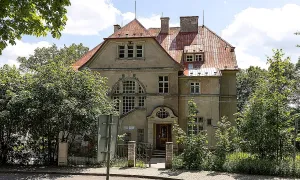
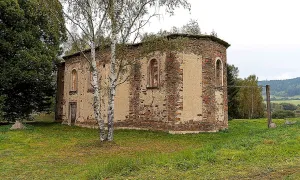
Photos from the area
Real photos taken near the monument

Zdroj a licence jsou uvedeny u každého snímku.
Tips from visitors
No tips yet. Be the first!
Log in and add your tip.
Sources and literature
Faktickým podkladem tohoto textu byl článek na Wikipedii, jehož autory jsou přispěvatelé Wikipedie. Článek je dostupný pod licencí CC BY-SA 4.0.
Location on the map

Příběhy a pověsti
Legendy, pověsti a příběhy spjaté s touto památkou
Fotografie návštěvníků
Zatím žádné fotografie. Buďte první, kdo přidá fotografii z návštěvy!
Log in a přidejte svou fotografii nebo hodnoťte.
Za ověřenou návštěvu v aplikaci získáte víc bodů — poznáme podle GPS, že jste na místě.
Reviews and comments