






Vlašská Palác
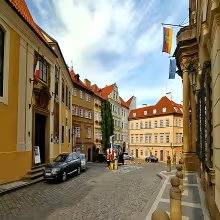
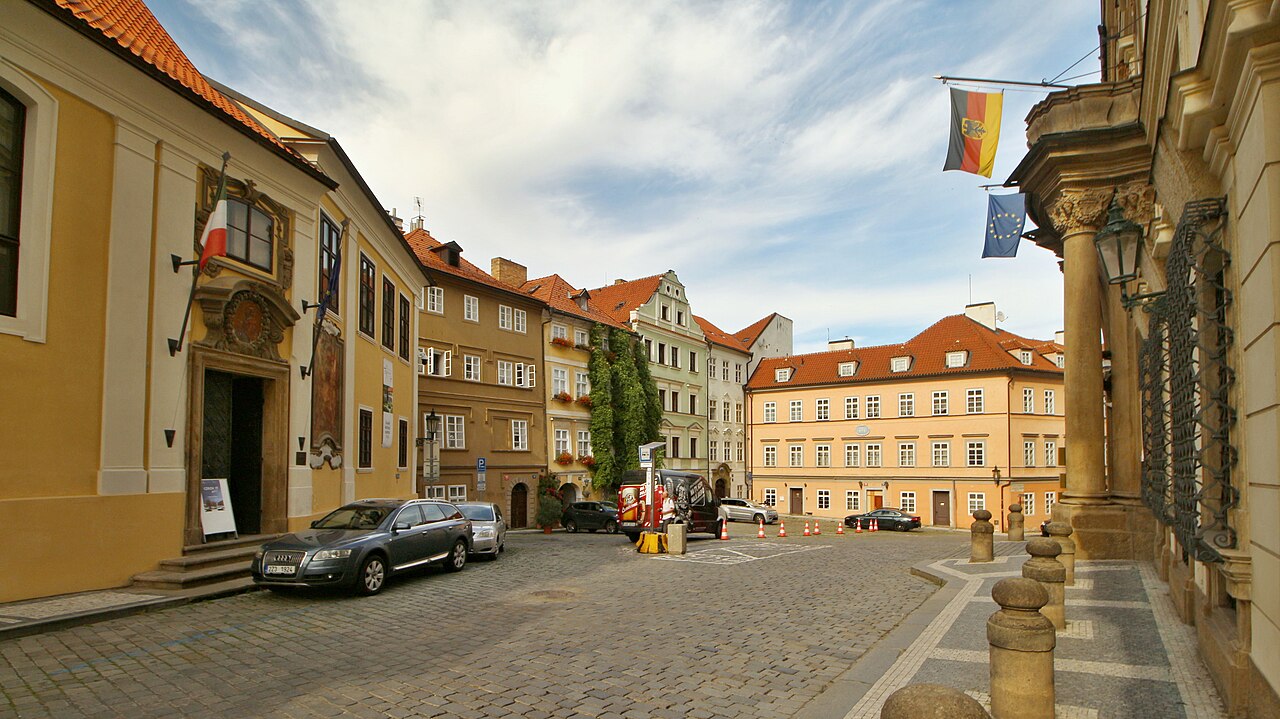
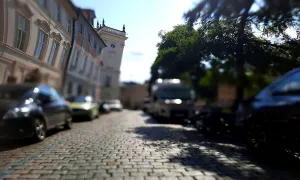
Vlašská Street in Prague's Malá Strana district is renowned for its historical significance and architectural beauty, highlighted by palatial structures like the Lobkowicz Palace and Schönborn Palace. This street connects Tržiště Square with Raoul Wallenberg Street and has been a vibrant cultural hub since the 13th century when it was part of the Obora settlement. The area gained prominence in the mid-16th century when Italians, known as Vlachs, settled here, leading to the establishment of the Vlašská Congregation in 1573.
The historical context of Vlašská Street is deeply intertwined with its architectural evolution. During the 16th century, Bohemia was part of the Habsburg Monarchy, a period marked by significant cultural and architectural influences from across Europe. The arrival of Italians contributed to this rich tapestry, fostering an environment where notable palaces were constructed. These structures reflect the architectural styles of their time and symbolize the diverse cultural interactions that shaped Prague.
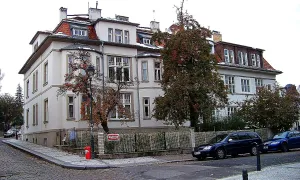
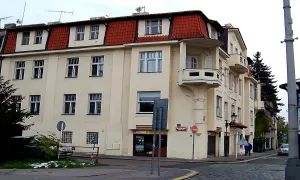
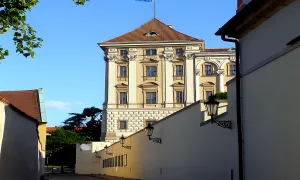
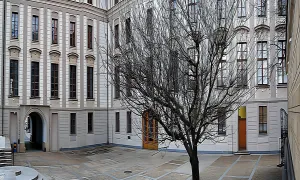
The Lobkowicz Palace, located at Vlašská 347/19, is a prominent example of these historical buildings. It currently serves as the German Embassy, showcasing its diplomatic significance today. Similarly, the Schönborn Palace at Vlašská 1 and Tržiště 15 houses the embassies of the United States and Ireland, further emphasizing the street's role in international relations.
Vlašská Street is also home to other notable sites such as Dům U Velkého střevíce, where the prominent Czech poet and folklorist Karel Jaromír Erben resided from 1857 to 1867. Additionally, the area includes the Nemocnice (hospital) of Milosrdných sester near the Church of Saint Charles Borromeo, adding to its historical and cultural richness.
Today, Vlašská Street remains a testament to Prague's dynamic history and architectural heritage. Its palaces continue to serve important diplomatic functions, while the street itself is easily accessible for visitors interested in exploring Prague's storied past. The blend of historical significance and modern relevance makes Vlašská Street a must-visit destination for anyone seeking to experience the cultural depth of Malá Strana.
In reflecting on its value, Vlašská Street stands as a remarkable example of how history and architecture can coexist harmoniously, offering insights into Prague's past while continuing to play a vital role in contemporary society. Visitors are invited to walk along this historic street, where each building tells a story of cultural exchange and architectural innovation.
Then and now
Drag the slider to compare how the landmark may have looked when it was built with the view today.
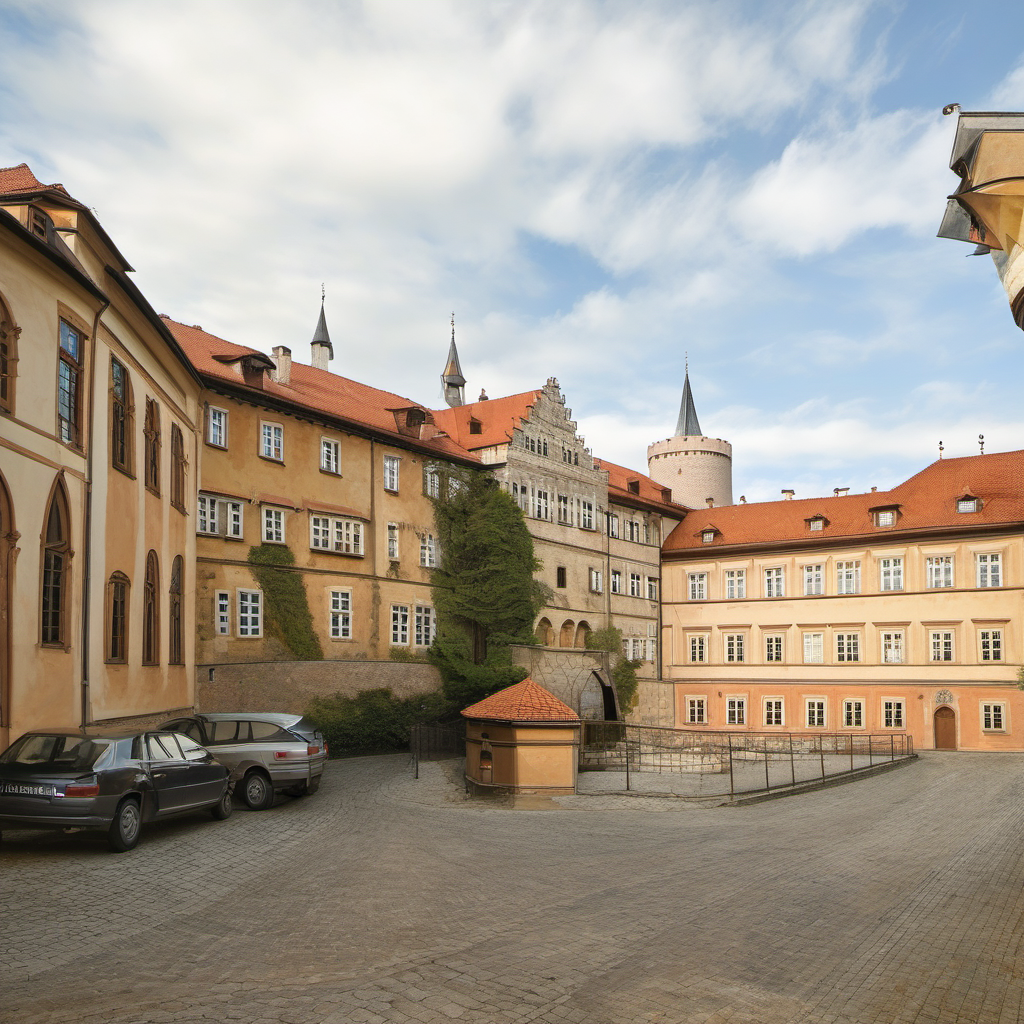
The historical appearance on the left is an AI-generated visualisation and serves as inspiration only.
Historical milestones
- 13th century
- Vlašská Street became part of the Obora settlement.
- mid-16th century
- Italians, known as Vlachs, settled in the area.
- 1573
- Establishment of the Vlašská Congregation.
Architectural development
Vlašská Street has evolved over centuries from its origins as part of the Obora settlement in the 13th century. The street became a cultural hub with the arrival of Italians in the mid-16th century, leading to significant architectural developments including the construction of notable palaces.
Historical events
In the mid-16th century, Italians settled in Prague, leading to the establishment of the Vlašská Congregation in 1573.
Points of interest
- The Vlašská Congregation, established in 1573 by the Italian settlers known as "Vlachs," played a crucial role in fostering cultural and architectural development along Vlašská Street. This congregation was instrumental in promoting Renaissance architecture and arts within Prague.
- Interestingly, during its early history, the area around Vlašská Street served as part of an Obora settlement, which was essentially a game preserve for hunting by nobility. This historical context adds a layer of aristocratic heritage to the street's evolution.
Guide
Show guide text
Welcome to the enchanting Vlašská Street in Prague's historic Malá Strana district. As you stand here, surrounded by the architectural grandeur that has stood for centuries, imagine yourself stepping back into a world where history and culture intertwine seamlessly.
Vlašská Street is not just any street; it’s a living testament to Prague's rich past. The journey of this iconic location began in the 13th century when it became part of the Obora settlement. Fast forward to the mid-16th century, and you'll find Italians, known as Vlachs, settling here, infusing the area with their vibrant culture and architectural flair.
As you look around, take a moment to appreciate the Renaissance architecture that characterizes this street. The palaces lining Vlašská are more than just buildings; they're stories set in stone. Notice the elegant facades of the Lobkowicz Palace and the Schönborn Palace, both of which continue to serve as embassies today.
Let's delve a little deeper into history. In 1573, the Italian settlers established the Vlašská Congregation. This congregation was pivotal in shaping the cultural landscape of Prague, promoting Renaissance arts and architecture that you can still witness here today.
Now, let your curiosity guide you to uncover some intriguing details. The establishment of the Vlašská Congregation wasn't just about building structures; it was a movement that brought together artists, architects, and visionaries who left an indelible mark on Prague's cultural heritage.
As we conclude our brief journey through time, I invite you to continue exploring this remarkable street. Each corner holds secrets waiting to be discovered, each palace has tales of the past whispering through its halls. Thank you for joining me today, and may your exploration of Vlašská Street leave you with a deeper appreciation of Prague's historical tapestry.
Businesses nearby
Nearby
Vlašská Street is located in Prague's Malá Strana district, close to Tržiště Square and bordered by Raoul Wallenberg Street. The area features a mix of historical buildings, churches, and cultural institutions.
Accommodation nearby
Trips and activities nearby
Guided tours, tickets and activities nearby from GetYourGuide
Search tours and activities →Themed route
Thematic Walking Tour: Vlašská Street and Surroundings
1. Vlašská Street - Historical Architecture Begin your journey on Vlašská Street, a picturesque avenue lined with Baroque and Renaissance buildings that reflect Prague's rich architectural heritage. This street is renowned for its vibrant atmosphere and historical significance, offering a glimpse into the past with its beautifully preserved facades.
2. Tržiště Square - Cultural Hub A short walk from Vlašská Street will take you to Tržiště Square, an open space surrounded by historic buildings and bustling cafes. This square serves as a cultural hub where locals gather, making it perfect for experiencing the local lifestyle and enjoying street performances or exhibitions that often occur here.
3. Church of St. Francis of Assisi - Religious Heritage Continue your exploration to the Church of St. Francis of Assisi, located near Tržiště Square. This church is a masterpiece of Baroque architecture and houses an impressive collection of art, including works by renowned artists such as Karel Škréta. Its serene atmosphere makes it a must-visit for those interested in religious heritage and fine arts.
4. Raoul Wallenberg Street - Historical Significance Conclude your tour on Raoul Wallenberg Street, which borders Vlašská Street. This street is named after the Swedish diplomat who saved thousands of Jews during World War II. Walking along this street provides a poignant reminder of historical events and offers beautiful views of the surrounding architecture.
This thematic walking tour offers a blend of architectural beauty, cultural experiences, and historical insights, all within the charming district of Malá Strana in Prague.
Seasonal recommendations
Spring: Visiting the Vlašská Palace during spring offers a delightful experience as nature awakens with vibrant colors and blooming flowers, particularly around the nearby gardens and parks of Malá Strana. The soft, warm light of early mornings or late afternoons enhances the beauty of the palace's architecture, casting long shadows that highlight its intricate details. Spring is generally less crowded than summer, making it an ideal time for a leisurely exploration. Visitors are advised to wear comfortable layers as temperatures can vary throughout the day, and carrying a light jacket might be useful during cooler mornings or evenings.
Summer: Summer at Vlašská Palace is characterized by long days filled with bright sunlight that accentuates the golden hues of its Baroque façade. The atmosphere is lively, with many tourists exploring Prague's historic sites during this peak season. To avoid large crowds, it’s recommended to visit early in the morning or later in the afternoon. Comfortable walking shoes and light clothing are essential due to warmer temperatures, while sunglasses can help protect against the strong sunlight. Don't forget a water bottle to stay hydrated as you enjoy the vibrant outdoor ambiance.
Autumn: Autumn brings a serene and picturesque setting around Vlašská Palace, with the changing leaves providing a stunning backdrop of reds, oranges, and yellows. The cooler temperatures make for pleasant strolls through the area, and the softer light of autumn days enhances the historical charm of Malá Strana. This season is less crowded than summer, offering a more relaxed visit. Layered clothing is advisable to accommodate fluctuating temperatures throughout the day, and carrying an umbrella might be wise as rain showers can occur unexpectedly.
Winter: Winter transforms Vlašská Palace into a magical scene with its Baroque architecture beautifully illuminated against the crisp, snowy backdrop of Malá Strana. The shorter days mean that lighting plays a crucial role in creating a warm and inviting atmosphere during evening visits. While winter is less crowded than summer, it's important to plan for potentially icy conditions on walkways. Warm clothing is essential, including coats, hats, gloves, and scarves, to ensure comfort while exploring the historic site. Additionally, check opening hours as they may be reduced during this season.
Visualizations and artistic views


Vizualizace jsou generovány umělou inteligencí a slouží jako inspirace.


Tips from visitors
No tips yet. Be the first!
Log in and add your tip.
Location on the map
Příběhy a pověsti
Legendy, pověsti a příběhy spjaté s touto památkou

Za ověřenou návštěvu v aplikaci získáte víc bodů — poznáme podle GPS, že jste na místě.
Reviews and comments