






Na baště sv. Tomáše Fortifications
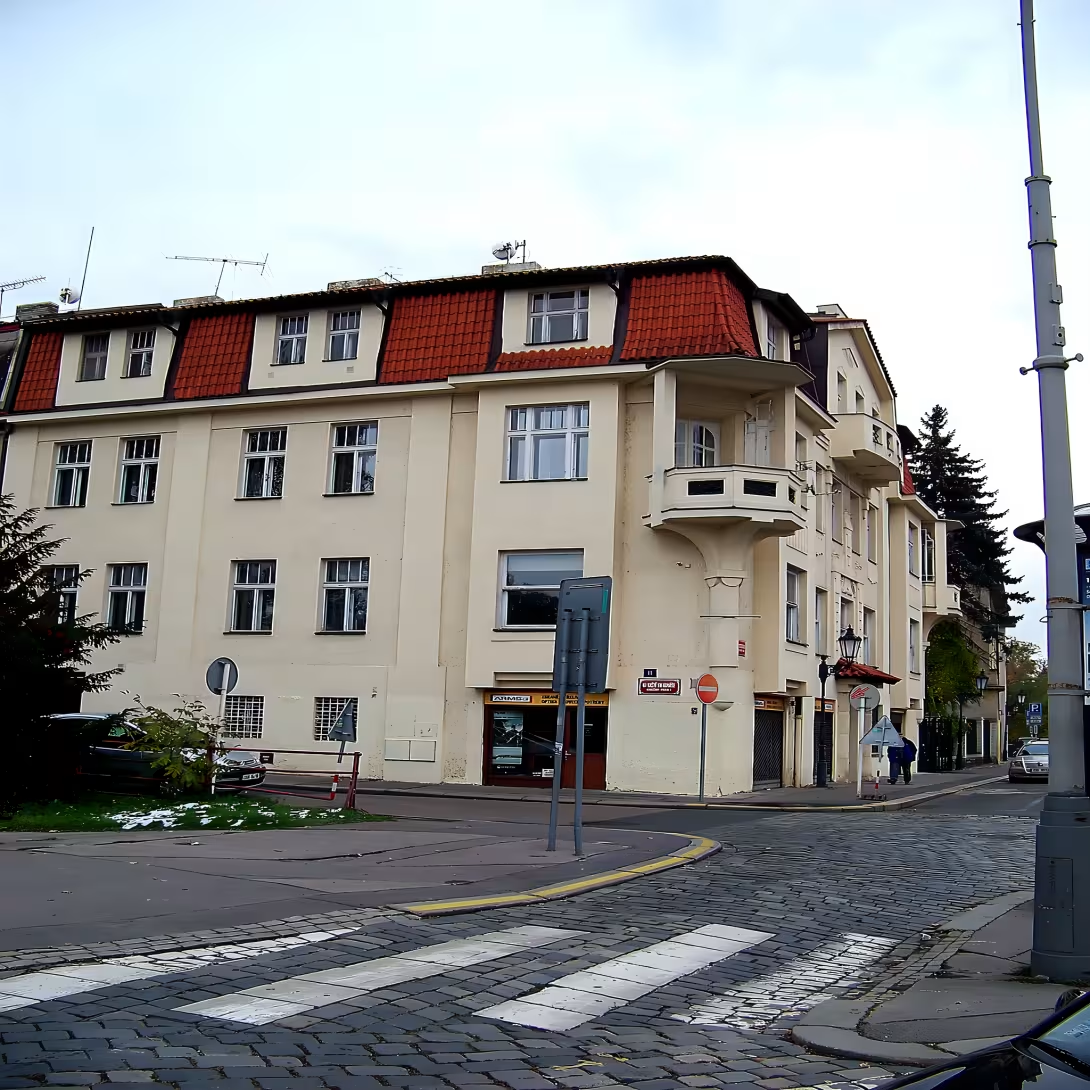
Na baště sv. Tomáše is a historically significant street in Prague's Hradčany district, known for its connection to the baroque fortifications called Mariánské hradby. Constructed between 1654 and 1721, these defenses were built to protect Prague Castle during a period of political and military tension within the Habsburg Monarchy. The street is named after a bastion dedicated to Apostle Thomas, reflecting its historical military architecture.
The Mariánské hradby were erected at the turn of the 17th and 18th centuries to fortify Prague Castle against potential invasions during conflicts like the Thirty Years' War. Construction began in 1654, highlighting the strategic importance of safeguarding this central seat of power within Bohemia, then part of the Habsburg Monarchy. By 1721, these baroque fortifications were completed, showcasing architectural and military advancements of that era.
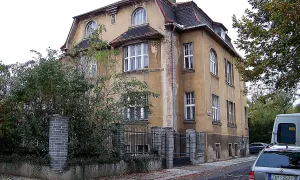
Architecturally, Na baště sv. Tomáše evolved from a military bastion into a street featuring residential and cultural buildings. The area includes secessionist designs, such as the villa by Rudolf Stockar at number 7, marking its transition from a defensive past to a civilian architectural presence. This blend of historical and modern elements makes Na baště sv. Tomáše a unique testament to Prague's evolving urban landscape.
Throughout its history, Na baště sv. Tomáše has experienced various changes in ownership and use. In 1912, the street was officially named 'Na baště sv. Tomáše', commemorating its historical significance. Buildings along this street include a secessionist nájemní dům at number 5, a bytový dům from 1911 at number 3/232, and another nájemní dům at number 9, each contributing to the area's architectural diversity.
Key events associated with Na baště sv. Tomáše include its naming in 1912 and its historical role as part of the Mariánské hradby fortifications. The street follows the outline of a bastion dedicated to Apostle Thomas, linking it directly to its military past. Rudolf Stockar's villa at number 7 stands out as an architectural highlight, reflecting his influence on Czech design.
Today, Na baště sv. Tomáše is accessible and offers visitors a glimpse into Prague's rich history. The street's blend of historical fortifications and modern architecture makes it a worthwhile destination for those interested in exploring the cultural heritage of Prague. Its proximity to significant landmarks such as Prague Castle enhances its appeal, inviting visitors to appreciate both its past and present.
Na baště sv. Tomáše is not just a street but a living narrative of Prague's historical evolution. It offers a unique opportunity to explore the intersection of military history and architectural innovation. Visitors are encouraged to walk along this historic path, where each building tells a story of the city's rich past and vibrant present.
Then and now
Drag the slider to compare how the landmark may have looked when it was built with the view today.
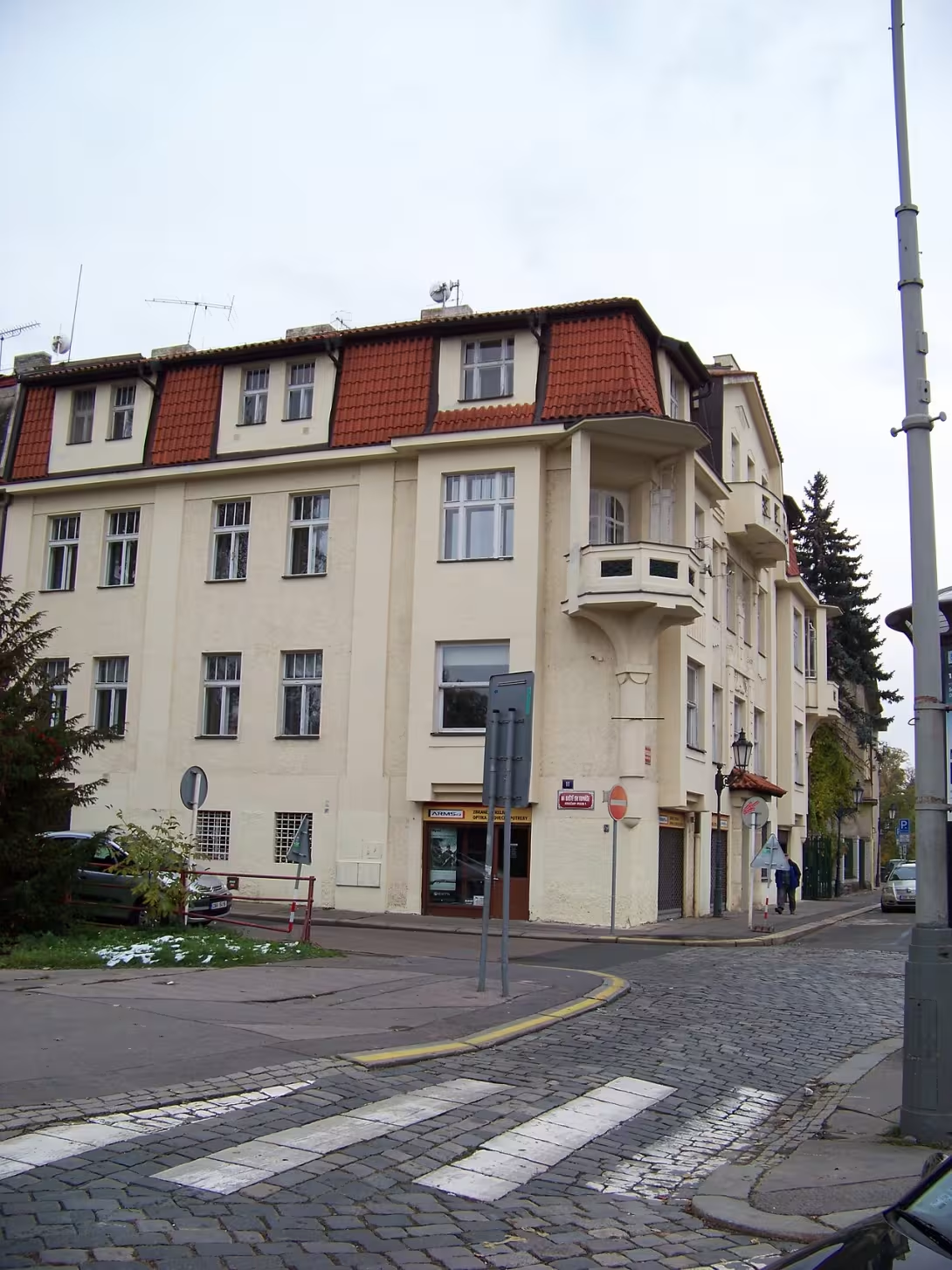
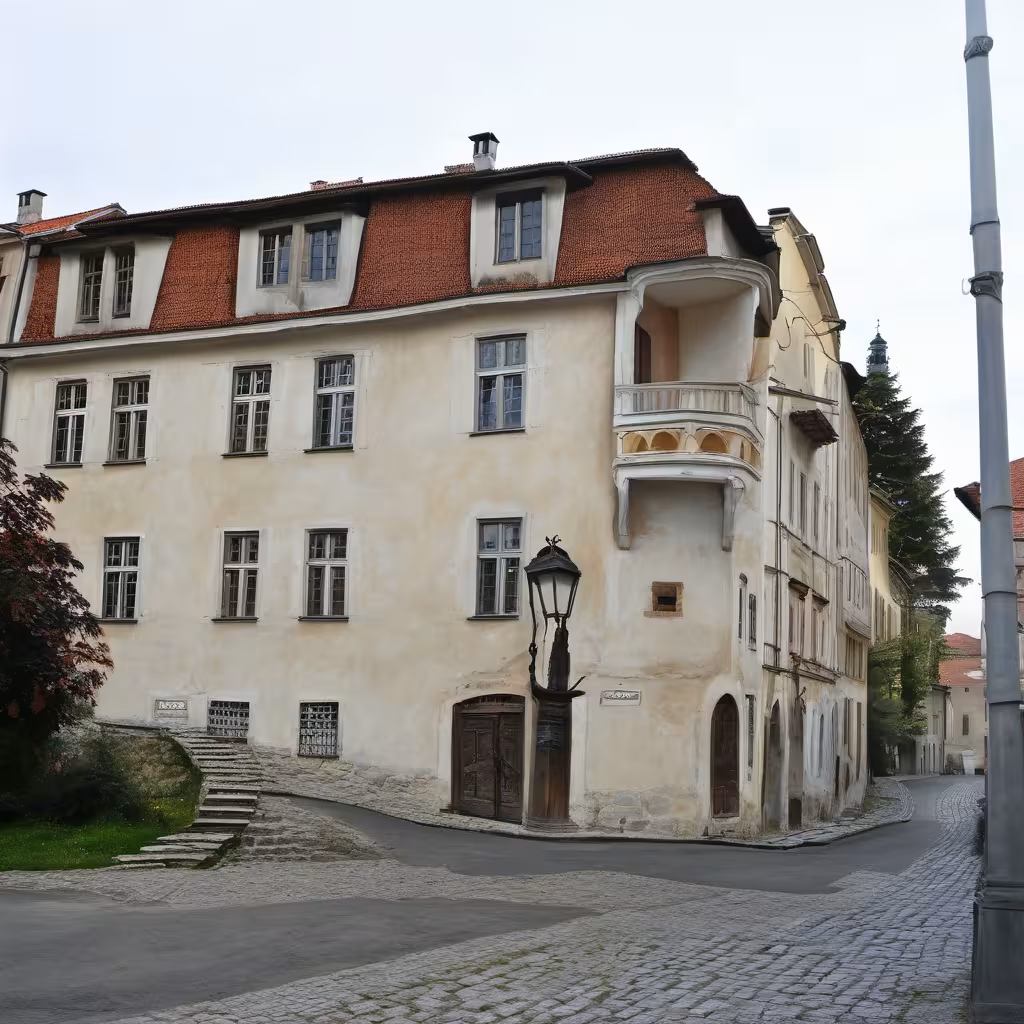
The historical appearance on the left is an AI-generated visualisation and serves as inspiration only.
Historical milestones
- 1654
- Construction of Mariánské hradby began.
- 1721
- Completion of Mariánské hradby.
- 1912
- Street officially named 'Na baště sv. Tomáše'.
Architectural development
Originally part of the baroque fortifications known as Mariánské hradby, Na baště sv. Tomáše has evolved from a military bastion to a residential and cultural street. The area features buildings from various architectural styles, including secessionist designs, such as the villa by Rudolf Stockar.
Historical events
The Mariánské hradby were constructed between 1654 and 1721 to fortify Prague Castle.
In 1912, the street was officially named 'Na baště sv. Tomáše'.
Guide
This guide is narrated by a synthetic voice generated by artificial intelligence.
Show guide text
This text was created by artificial intelligence and has not been editorially reviewed. It may contain inaccuracies.
Welcome to the historic site of Na baště sv. Tomáše! As you stand here on Hradčany in Prague, take a moment to soak in the atmosphere surrounding this significant location. You're standing at a street that carries with it centuries of history, its very name echoing tales from times long past.
Imagine stepping back into the 17th century when construction began on the Mariánské hradby, a series of baroque fortifications designed to protect Prague Castle. Built between 1654 and 1721, these walls were a response to the turbulent periods that threatened the city, such as the Thirty Years' War. The bastion dedicated to Apostle Thomas was an integral part of this defensive network, emphasizing its strategic military importance.
As you look around, notice how the street itself seems to hold stories in every brick and cobblestone. While specific architectural details aren't visible from here, consider the fortifications that once stood proudly along these streets, their purpose clear as they safeguarded one of Europe's most iconic castles.
Though there are no named architects or historical figures directly associated with this site, its significance is undeniable. The very existence of Na baště sv. Tomáše speaks volumes about the efforts made to protect Prague during times of uncertainty and conflict.
Now, let your curiosity be piqued by a fascinating aspect: these fortifications were not merely walls but a testament to resilience and strategic planning in an era when such defenses were crucial for survival. The dedication to Apostle Thomas adds a layer of cultural reverence, intertwining faith with the city's military history.
As you continue your exploration, let this site inspire you to delve deeper into Prague's rich tapestry of history. Each step here is a journey through time, inviting you to discover more about the stories that have shaped this magnificent city. Thank you for joining us on this auditory tour, and we hope it encourages you to explore further and uncover even more hidden gems in Prague. Safe travels!
Tips for visitors
The best time to visit Na baště sv. Tomáše is during the late spring or early fall when the weather is pleasant, allowing for a comfortable exploration of the area's historical sites and beautiful views without the summer crowds. The lighting at this time of year provides excellent conditions for photography, capturing the historic essence of Hradčany with vibrant colors.
Getting to Na baště sv. Tomáše can be conveniently done by public transport or car. Public transportation options include trams and buses that connect directly to Hradčany, making it easy to reach without worrying about parking. For those driving, there are several parking areas nearby, though availability may vary, so checking in advance is advisable.
When visiting Na baště sv. Tomáše, consider bringing comfortable walking shoes as you'll likely be exploring the area on foot. A camera or smartphone for photography is recommended to capture the stunning views and architectural details of the baroque fortifications and surrounding landmarks. Additionally, carrying a water bottle and some snacks can enhance your visit, especially if spending several hours in the area.
For photography enthusiasts, one of the best spots at Na baště sv. Tomáše offers a panoramic view of Prague Castle and the historic center of Prague, particularly enchanting during golden hour when the sunlight casts a warm glow over the cityscape. The interplay of light and shadow on the baroque fortifications creates dramatic scenes perfect for photography.
Nearby attractions within 30 minutes include Prague Castle, with its rich history and stunning architecture, and the historic center of Prague, offering a glimpse into the city's past through its cobblestone streets and Gothic buildings. These sites provide additional cultural experiences and insights into Prague's heritage.
Businesses nearby
Do you run a restaurant, accommodation, shop, museum, rental, wellness or other visitor service near this monument? Show yourself directly to the people heading to it — this is how they will see you in the app and on the web:
Events nearby

Zdroj akcí: otevřená data měst a obcí ČR (Národní katalog otevřených dat) a kalendář akcí Národního památkového ústavu.
Nearby
Na baště sv. Tomáše is situated in Prague's Hradčany district, near significant landmarks such as Prague Castle and the historic center of Prague. The area is rich with cultural heritage sites and offers a picturesque view of the city.
Accommodation nearby
Trips and activities nearby
Guided tours, tickets and activities nearby from GetYourGuide
Affiliate link: if you buy from the partner, we may receive a commission. The price for you does not change.
Search tours and activities →Themed route
Thematic Walking Tour: Prague's Hradčany District
1. Na baště sv. Tomáše (Tower of St. Thomas)
Type: Historical Monument
Why Visit: This tower is part of the iconic city walls that encircle Prague Castle, offering panoramic views of the historic center and Vltava River. It's a perfect starting point to appreciate the architectural grandeur and historical significance of the Hradčany district.
2. Prague Castle
Type: Historic Site
Why Visit: Just a short walk from Na baště sv. Tomáše, Prague Castle is one of Europe’s largest castle complexes. Explore its rich history, stunning architecture, and visit St. Vitus Cathedral within the grounds to experience centuries of Bohemian heritage.
3. Klementinum Library
Type: Cultural Institution
Why Visit: Located near Prague Castle, this historic library is renowned for its beautiful Baroque interiors and impressive collection of manuscripts. It's an ideal spot for those interested in history, literature, or simply enjoying the serene atmosphere of one of Europe’s oldest libraries.
4. Church of Our Lady before Týn
Type: Gothic Church
Why Visit: This striking church is known for its towering twin spires and intricate gothic architecture. It offers a glimpse into Prague's religious history and provides stunning views from its tower, making it a must-visit for anyone exploring the Hradčany district.
5. Karmelitský Garden
Type: Historic Garden
Why Visit: Adjacent to the Church of Our Lady before Týn, this tranquil garden offers a peaceful retreat with beautiful plantings and historic statues. It's an excellent place to relax after exploring the bustling sites nearby.
This tour provides a comprehensive exploration of Prague’s Hradčany district, highlighting its historical landmarks and cultural treasures within a short walking distance from each other.
Seasonal recommendations
Spring: Visiting Na Baště sv. Tomáše in spring offers a refreshing experience as nature awakens with vibrant colors and blossoming flora. The soft, diffused light of early morning or late afternoon enhances the historical architecture, creating a picturesque atmosphere perfect for photography. While the weather can be unpredictable, bringing layers is advisable to accommodate sudden temperature changes. Spring often sees moderate crowds, making it an ideal time to explore without long waits.
Summer: Summer at Na Baště sv. Tomáše provides warm and inviting conditions with extended daylight hours that allow visitors to enjoy the site well into the evening. The lush greenery surrounding the fortifications is in full bloom, offering a stunning backdrop for leisurely strolls. However, this peak season also attracts larger crowds, so arriving early in the day can help avoid congestion. Comfortable walking shoes and light clothing are recommended due to the heat.
Autumn: Autumn brings a unique charm to Na Baště sv. Tomáše with its rich tapestry of reds, oranges, and yellows as the leaves change color. The cooler temperatures make it an ideal time for longer visits without the discomfort of summer heat. The gentle autumn breeze adds to the serene ambiance, perfect for reflection or a quiet walk along the ramparts. This season typically sees fewer visitors, offering a more peaceful experience.
Winter: Winter at Na Baště sv. Tomáše offers a magical atmosphere with snow-covered landscapes that transform the historic site into a winter wonderland. The shorter days mean visiting in the afternoon is best to make the most of daylight hours. Layered clothing and warm accessories are essential to stay comfortable during your visit, as temperatures can be quite chilly. Winter often brings fewer tourists, allowing for a more intimate exploration of the fortifications.
Visualizations and artistic views


The visualisations are generated by artificial intelligence and serve as inspiration.
Photos from the area
Real photos taken near the monument


Zdroj a licence jsou uvedeny u každého snímku.
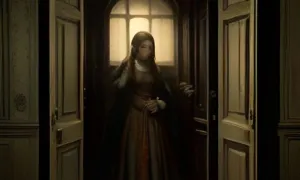
Atmosphere of the place
This atmospheric visualisation of the place and period was generated by artificial intelligence. It is not real footage of the location.
Tips from visitors
No tips yet. Be the first!
Log in and add your tip.
Sources and literature
Photos: ŠJů (cs:ŠJů) / CC BY-SA 3.0, rozlišení zvýšeno umělou inteligencí — Wikimedia Commons. The author and licence also appear when you hover over the image.
Faktickým podkladem tohoto textu byl článek na Wikipedii, jehož autory jsou přispěvatelé Wikipedie. Článek je dostupný pod licencí CC BY-SA 4.0.
Location on the map

Příběhy a pověsti
Legendy, pověsti a příběhy spjaté s touto památkou
Fotografie návštěvníků
Zatím žádné fotografie. Buďte první, kdo přidá fotografii z návštěvy!
Log in a přidejte svou fotografii nebo hodnoťte.
Za ověřenou návštěvu v aplikaci získáte víc bodů — poznáme podle GPS, že jste na místě.
Reviews and comments