






Kostel svatého Jana Nepomuckého na Hradčanech Church
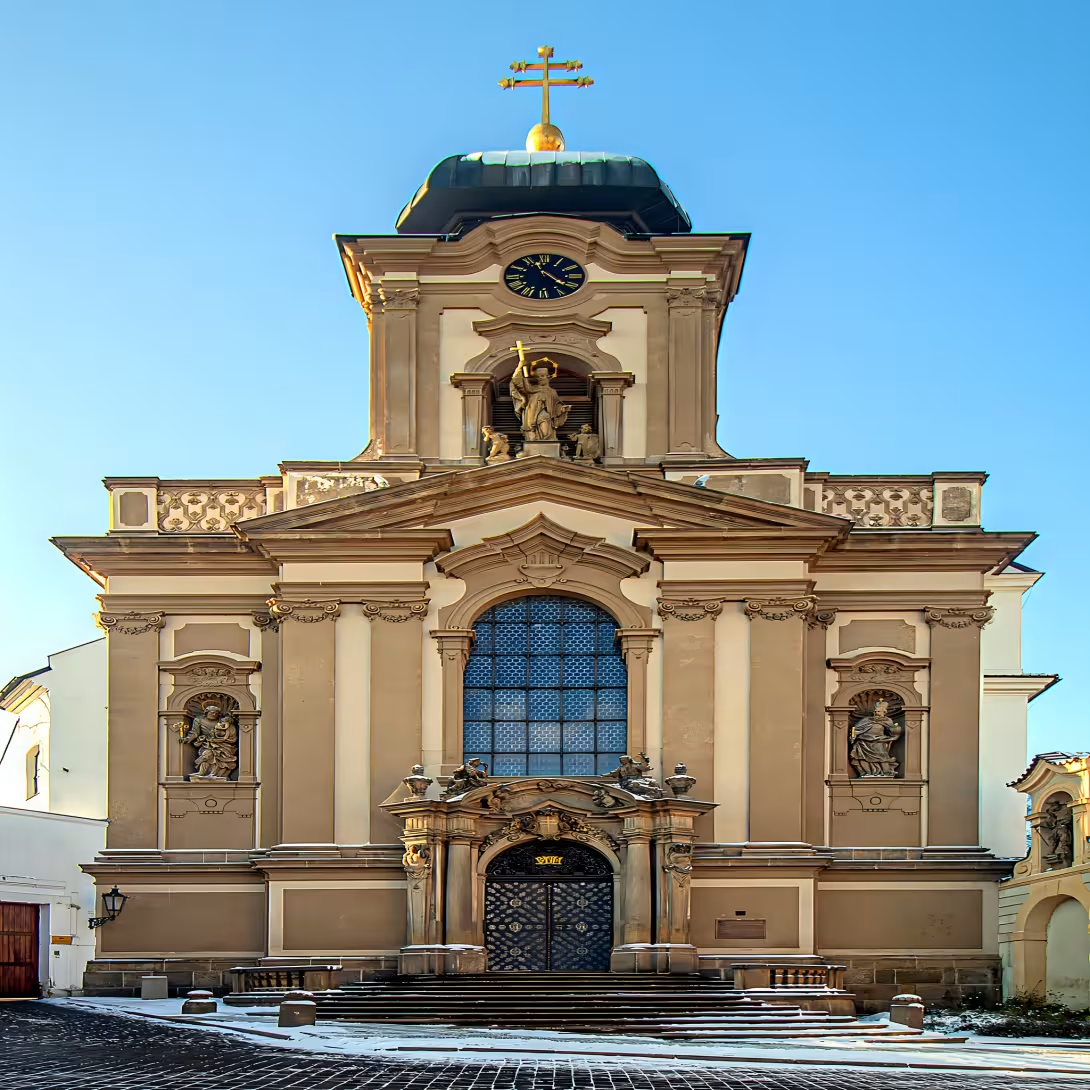
The Church of Saint John Nepomuk on Hradčany is a notable Baroque monument in Prague's historic district near the Poor Clares' convent. Built between 1720 and 1728 by Kilian Ignaz Dientzenhofer, it reflects early 18th-century architectural and spiritual developments. The church gained prominence before Saint John Nepomuk’s canonization in 1729, symbolizing confessional secrecy and Counter-Reformation influences.
The origins of this church are linked to the Poor Clares' convent on Hradčany. Around 1700, they established their second Prague convent. Terezie Veronika Krebsová, sister to nun Anna Johanka Krebsová, played a key role in Saint John Nepomuk's canonization through her miraculous healing attributed to his intercession. This event led to the decision to build a new church dedicated to him, replacing an existing chapel of Saint Anne. Construction began on October 20, 1720, under Kryštof Dientzenhofer and was completed by his son Kilian Ignaz after Kryštof's death in 1722.
Architecturally, the church is a Baroque masterpiece with an oval plan and unusual east-west orientation. It features a prominent tower housing a statue of Saint John Nepomuk flanked by angels. Its interior boasts a grand illusionistic fresco cycle by Václav Vavřinec Reiner depicting the life and miracles of Saint John Nepomuk. The design reflects Kilian Ignaz Dientzenhofer’s architectural prowess, marking it as his first sacral project.
Throughout its history, the Church of Saint John Nepomuk has experienced various ownerships and transformations. Initially belonging to the Poor Clares, financial difficulties led them to pay tributes to Swedish and Prussian forces. In 1784, Emperor Joseph II's reforms dissolved their convent, leading the church to serve as a salt warehouse until 1861. It then became an Evangelical church before being repurposed for military use by the Prague garrison.
Significant events include its completion in 1728 and designation as a military chapel in 2001, where it now serves as a place of prayer for fallen soldiers and world peace. The church's history is enriched by the relocation of Václav Vavřinec Reiner’s main altar painting from another Baroque church demolished to make way for the Obecní dům.
Today, the Church of Saint John Nepomuk stands as a military chapel under the spiritual care of the Czech Republic's Armed Forces. Its rich history and architectural beauty make it an intriguing site for visitors interested in Prague’s religious heritage. The church remains accessible to those who wish to explore its storied past and appreciate its artistic significance, offering a unique glimpse into the Baroque era's cultural and spiritual landscape.
Then and now
Drag the slider to compare how the landmark may have looked when it was built with the view today.
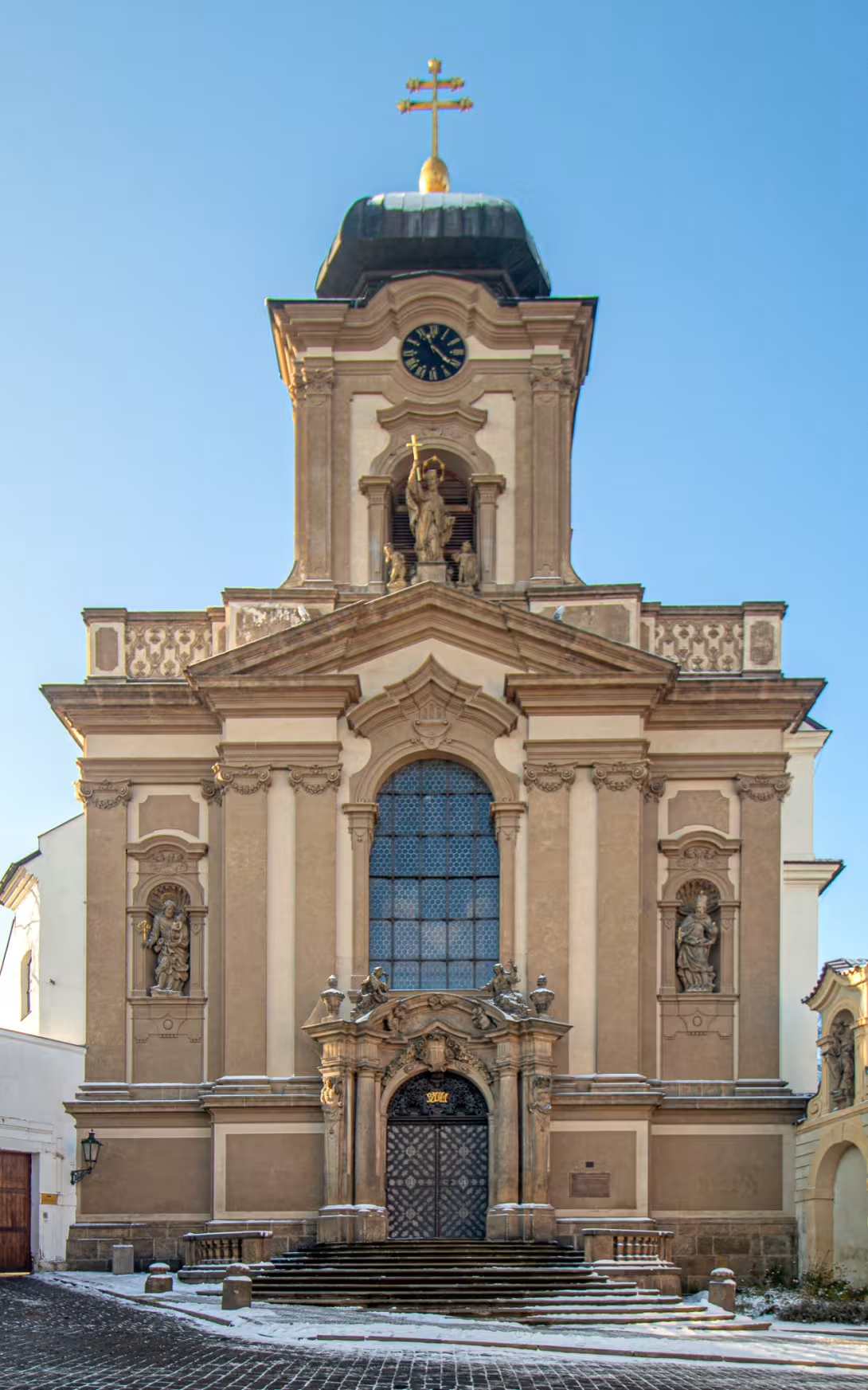
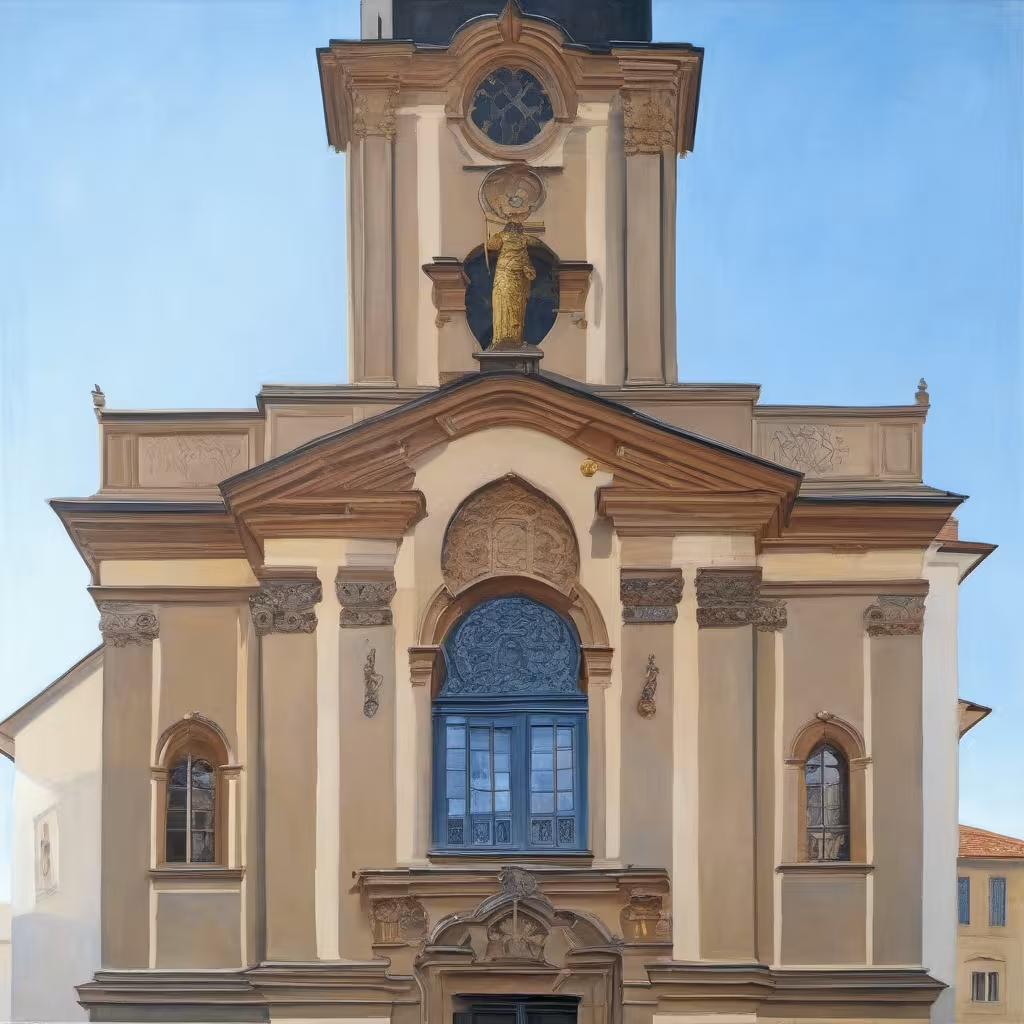
The historical appearance on the left is an AI-generated visualisation and serves as inspiration only.
Historical milestones
- 1720
- Construction of the church began.
- 1728
- The church was completed.
- 1784
- The convent of Poor Clares was dissolved.
- 2001
- The church became a military chapel.
Architectural development
The church was initially designed by Kryštof Dientzenhofer but completed under his son Kilian Ignaz after his death in 1722. It features Baroque architecture with a unique oval plan and an east-west orientation, unusual for churches. The interior is adorned with a large illusionistic fresco cycle by Václav Vavřinec Reiner.
Historical events
Construction began on October 20, 1720, with Kryštof Dientzenhofer leading initially.
The church was completed in 1728, one year prior to Saint John Nepomuk's canonization.
In 1784, the convent of Poor Clares was dissolved as part of Joseph II's reforms.
In 2001, the church was designated a military chapel for prayers for fallen soldiers and world peace.
Owners
Initially owned by the Order of Poor Clares; later used as a salt warehouse until 1861. Subsequently, it served as an Evangelical church and then a military chapel for soldiers stationed at nearby barracks. After World War II, it was returned to the Catholic Church and became an archbishop's church before being designated a military church in 2001.
Points of interest
- The Church of Saint John Nepomuk is notable for its unique east-west orientation, a rare feature among Baroque churches which typically follow the traditional north-south alignment. - The church's main altar painting by Václav Vavřinec Reiner was originally part of another Baroque church that was demolished to make way for the Obecní dům, highlighting its historical significance and artistic value. - After serving as a salt warehouse following the dissolution of the Poor Clares' convent in 1784, the church underwent a transformation into an Evangelical church before being repurposed for military use by the Prague garrison. - The miraculous healing attributed to Saint John Nepomuk's intercession by Terezie Veronika Krebsová was pivotal not only in his canonization but also in the decision to replace an existing chapel of Saint Anne with a new church dedicated to him. - In 2001, the church gained a unique role as a military chapel, serving as a place of prayer for fallen soldiers and world peace, reflecting its evolving significance over centuries.
Guide
This guide is narrated by a synthetic voice generated by artificial intelligence.
Show guide text
This text was created by artificial intelligence and has not been editorially reviewed. It may contain inaccuracies.
Welcome to the Church of Saint John Nepomuk on Hradčany, a captivating Baroque monument nestled in the heart of Prague. As you stand here, take a moment to soak in the serene atmosphere and elegant architecture that surrounds you. This church is not just a structure; it's a testament to spiritual devotion and architectural innovation from the 18th century.
The story of this remarkable church begins in 1720 when construction commenced under the visionary guidance of Kilian Ignaz Dientzenhofer. It was completed by 1728, just in time for Saint John Nepomuk's canonization—a momentous event that would forever link his legacy to this sacred place. The church stands near the former convent of the Poor Clares, a site dissolved in 1784 but whose spiritual echoes still resonate here.
As you explore, notice how the church defies conventional Baroque design with its unique east-west orientation. This rare feature sets it apart from other churches that typically follow a north-south alignment. The architecture invites you to delve deeper into its history and significance.
Kryštof Dientzenhofer, alongside Kilian Ignác Dientzenhofer, played pivotal roles in shaping this sacred space. Their contributions are evident in the harmonious blend of form and function that characterizes the church's design.
The legacy of Saint John Nepomuk is intertwined with notable historical figures such as Terezie Veronika Krebsová, Anna Johanka Krebsová, Eleonora hraběnka Berková z Dubé, and František Ferdinand z Kuenburgu. Each played a part in the church's storied past.
One intriguing aspect of this church is its main altar painting by Václav Vavřinec Reiner. Originally part of another Baroque church, it found its home here, adding layers to the church's rich artistic tapestry.
As you continue your journey through this sacred space, let yourself be drawn into the stories and mysteries that have unfolded within these walls over centuries. The Church of Saint John Nepomuk invites you to explore further, offering a glimpse into a world where history and spirituality converge.
Thank you for joining us on this exploration. May your visit inspire reflection and discovery as you delve deeper into the wonders of Prague's historical treasures.
Tips for visitors
The best time to visit the Church of Saint John of Nepomuk on Hradčany is during late spring or early fall when the weather is pleasant, making it ideal for exploring both the church and its surroundings without the crowds typical of peak tourist seasons. The natural light during these months beautifully illuminates the Baroque architecture, enhancing your experience.
Parking near the Church can be challenging due to its central location in Prague; however, there are several parking lots within walking distance. Public transport is highly recommended for convenience and ease of access. The area is well-served by trams and buses that connect you directly from major parts of the city. Check a local transportation app or website for the most current routes.
When visiting, it's advisable to wear comfortable shoes as there will be some walking involved, especially if you plan to explore nearby sites. A camera with a zoom lens can be beneficial for capturing the intricate details of the church’s architecture and artwork from various angles. Don't forget your water bottle and perhaps an umbrella or raincoat, depending on the season.
For photography enthusiasts, early morning or late afternoon light provides the best conditions to capture the stunning façade and interior of the Church of Saint John of Nepomuk. The soft lighting accentuates the Baroque details and creates dramatic shadows that highlight the church’s architectural features. Inside, look for spots near the altar and along the nave where natural light filters through stained glass windows.
In addition to visiting the Church itself, consider exploring nearby historical sites within a 30-minute walk. Hradčanské Square offers panoramic views of Prague Castle and the city skyline. The remnants of the former convent of the Poor Clares provide insight into the area's rich history. These sites are perfect for extending your visit and immersing yourself in the cultural heritage of Hradčany.
Families with children will find the Church of Saint John of Nepomuk an engaging experience, especially if they have an interest in history or architecture. The church’s story and its connection to St. John of Nepomuk can be fascinating for kids. Nearby, there are also several parks where families can enjoy a leisurely stroll or picnic after exploring the historical sites.
Businesses nearby
Do you run a restaurant, accommodation, shop, museum, rental, wellness or other visitor service near this monument? Show yourself directly to the people heading to it — this is how they will see you in the app and on the web:
Nearby
Located near Hradčanské Square and close to Nový Svět, the area is rich in historical sites including other churches and remnants of the former convent.
Accommodation nearby
Themed route
Thematic Walking Tour: Hradčany's Historical and Religious Heritage
1. Kostel svatého Jana Nepomuckého na Hradčanech (Church of Saint John of Nepomuk) - Type: Church - Why Visit: This Baroque masterpiece, designed by Christoph Dientzenhofer, is renowned for its stunning architecture and the legend surrounding Saint John of Nepomuk. The church's interior features exquisite frescoes and a remarkable organ, making it a must-see for those interested in religious art and history.
2. Hradčanské náměstí (Hradčany Square) - Type: Public Square - Why Visit: Located just near the church, Hradčanské náměstí offers a glimpse into Prague's historical urban landscape. This charming square is surrounded by beautiful Baroque buildings and provides an excellent vantage point to appreciate the architectural harmony of the area.
3. Remains of the Former Convent - Type: Historical Site - Why Visit: The remnants of this former convent near Hradčanské náměstí are a testament to Prague's rich monastic history. Exploring these ruins offers insight into the religious and cultural life that once thrived in this part of the city, adding depth to your understanding of the area’s historical context.
4. Churches Nearby - Type: Churches - Why Visit: The vicinity around Hradčanské náměstí is dotted with several other churches, each offering unique architectural styles and histories. These ecclesiastical buildings provide a broader perspective on the religious heritage of Prague's Hradčany district.
This tour allows you to immerse yourself in the historical and spiritual essence of Hradčany, exploring its significant landmarks while staying within the rich tapestry of nearby historical sites.
Seasonal recommendations
Spring: Visiting the Church of Saint John Nepomucene during spring offers a unique experience as nature begins to awaken, with blooming flowers and fresh greenery enhancing the church's historic beauty. The soft light filtering through the vibrant foliage creates an enchanting atmosphere around this architectural gem. As the weather can be unpredictable, it is advisable to dress in layers that allow for comfort both indoors and outdoors. Early mornings or late afternoons are ideal times to visit when temperatures are milder, helping you avoid larger crowds who typically gather during midday.
Summer: Summer at the Church of Saint John Nepomucene is characterized by long, sunny days that illuminate its intricate details, making it a perfect time for photography enthusiasts. The lush greenery and warm sunlight create an inviting ambiance, ideal for leisurely exploration. Given that this is peak tourist season, arriving early in the morning can help you enjoy the church with fewer visitors. Comfortable walking shoes and light clothing are recommended due to increased foot traffic and warmer temperatures.
Autumn: Autumn brings a stunning transformation to the Church of Saint John Nepomucene as the surrounding landscape turns into a palette of fiery reds, oranges, and yellows. The cooler weather allows for comfortable exploration without the summer heat, making it an excellent time for those who enjoy crisp air and picturesque scenery. As daylight hours shorten, planning your visit in the late morning or early afternoon ensures ample natural light to appreciate the church's architectural features. Layered clothing is advisable to adjust to fluctuating temperatures throughout the day.
Winter: Winter at the Church of Saint John Nepomucene offers a serene experience with its snow-covered surroundings and festive atmosphere, especially during Advent when lights often adorn the area. The shorter days mean that visiting earlier in the day can maximize your time under natural light while also avoiding potential crowds attracted to holiday events. Due to colder temperatures, dressing warmly is essential, along with wearing comfortable shoes for navigating potentially icy paths. The church's interior provides a warm respite from the chilly weather outside, perfect for contemplation and enjoying its historic ambiance.
Visualizations and artistic views


The visualisations are generated by artificial intelligence and serve as inspiration.
Photos from the area
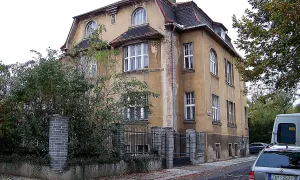
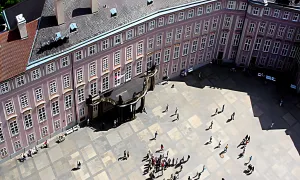
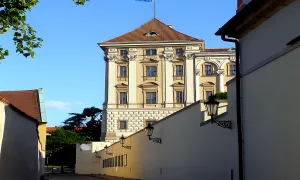
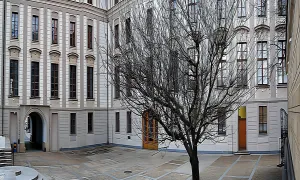
Real photos taken near the monument

Zdroj a licence jsou uvedeny u každého snímku.
Tips from visitors
No tips yet. Be the first!
Log in and add your tip.
Sources and literature
Photos: VitVit / CC BY-SA 4.0, rozlišení zvýšeno umělou inteligencí — Wikimedia Commons. The author and licence also appear when you hover over the image.

Příběhy a pověsti
Legendy, pověsti a příběhy spjaté s touto památkou
Fotografie návštěvníků
Zatím žádné fotografie. Buďte první, kdo přidá fotografii z návštěvy!
Log in a přidejte svou fotografii nebo hodnoťte.
Za ověřenou návštěvu v aplikaci získáte víc bodů — poznáme podle GPS, že jste na místě.
Reviews and comments