






Čtvrté nádvoří Pražského hradu Courtyard
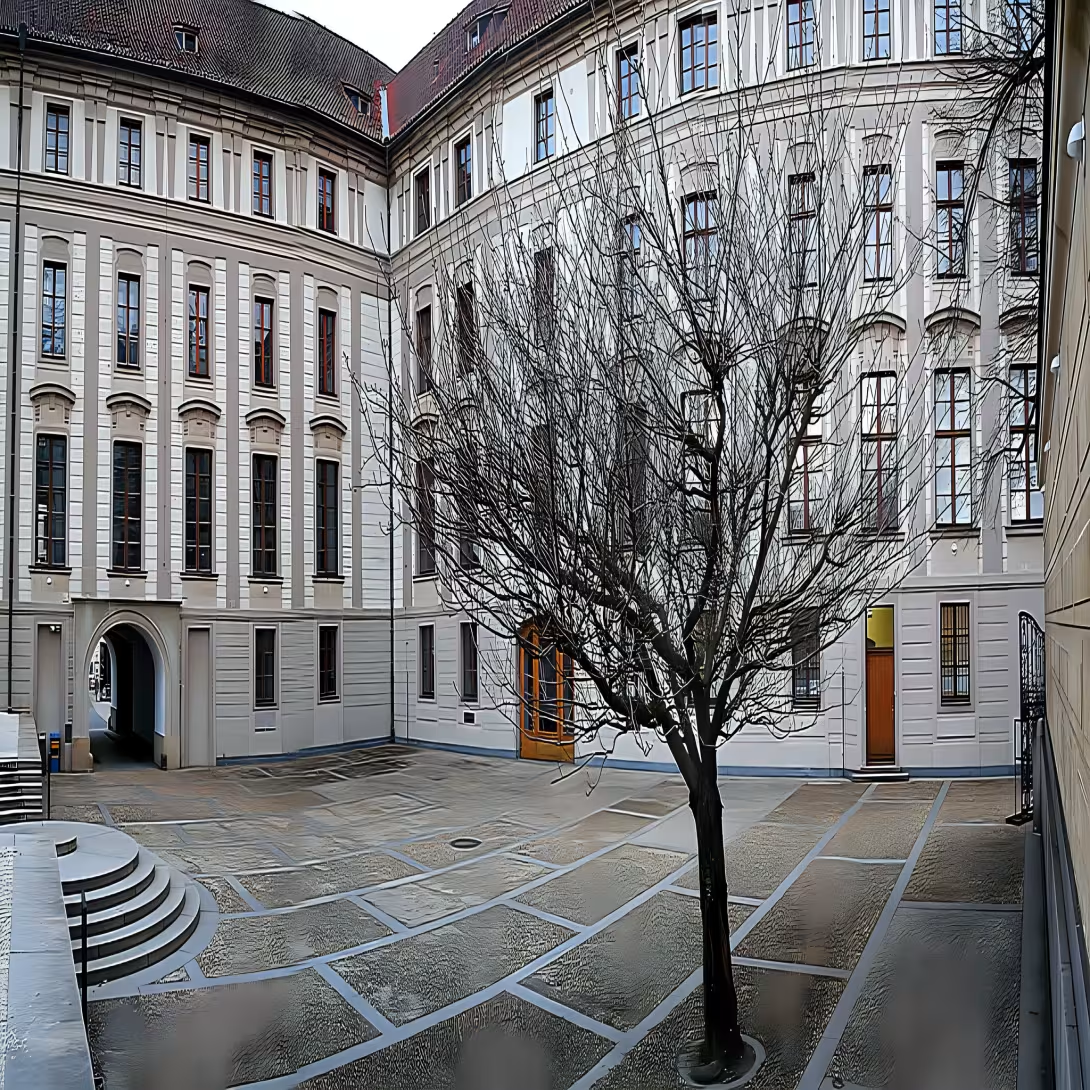
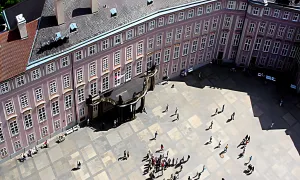
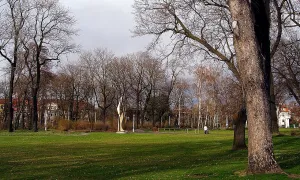
The Fourth Courtyard of Prague Castle, known as Čtvrté nádvoří Pražského hradu, is one of four courtyards within this iconic castle complex in Prague, Czech Republic. Situated on the western side, it stands out for its baroque architecture and unique layout, featuring a southern paved area and a northern elevated garden called Na Baště. Unlike other courtyards at Prague Castle, it includes greenery and lacks a traditional courtyard design, with buildings serving purposes beyond defining the space. This courtyard is notable not only for its architectural evolution over centuries but also for its historical significance as part of one of Europe's most important royal residences.
The origins of the Fourth Courtyard trace back to the 9th century when it was part of Prague Castle's residential area, separated from Hradčanské Square by a deep ravine. By the turn of the 10th century, this site became integrated into the castle’s fortified precinct, complete with a moat and ramparts. In the late 13th century, Přemysl Otakar II transformed the area into a triple line of ditches, including the existing ravine, enhancing its defensive capabilities.
Architecturally, the Fourth Courtyard has undergone several transformations reflecting different historical periods. Initially part of a residential district in the 9th century, it later became fortified under Přemysl Otakar II. The Renaissance and Baroque eras brought further developments; notably, during Rudolf II's reign, the northern wing with the Spanish Hall was constructed. In the 18th century, Empress Maria Theresa commissioned new palace wings designed by Nicolo Pacassi, featuring a portico leading to the Spanish Hall. Josip Plečnik also contributed to its unique character by designing a pergola covering a medieval bastion in the garden area.
Throughout its history, various owners and administrators have influenced the courtyard's development. Přemysl Otakar II played a crucial role in fortifying the area, while Rudolf II's reign marked significant architectural advancements with the construction of the Spanish Hall. Empress Maria Theresa later commissioned new structures that further defined the courtyard’s appearance.
The Fourth Courtyard is accessible through several entrances, including one near the Archbishop's Palace and another from Jelení Ditch. Its proximity to other historical sites such as St. Vitus Cathedral and Hradčanské Square enhances its appeal. The courtyard's blend of architectural styles and historical layers makes it a fascinating site for visitors interested in exploring Prague Castle’s rich heritage.
Today, the Fourth Courtyard remains an integral part of Prague Castle, offering insights into the castle’s evolving history and architecture. Its unique layout, featuring both paved areas and green spaces, provides a distinct experience compared to other courtyards within the complex. Visitors can appreciate the blend of Renaissance and Baroque elements alongside modern contributions by architects like Nicolo Pacassi and Josip Plečnik.
The Fourth Courtyard is worth visiting for its historical significance and architectural beauty. It offers a glimpse into the past while showcasing the artistic transformations that have shaped Prague Castle over centuries. Whether drawn to its unique layout, rich history, or stunning architecture, this courtyard provides a compelling reason to explore one of Europe's most iconic royal residences.
Then and now
Drag the slider to compare how the landmark may have looked when it was built with the view today.
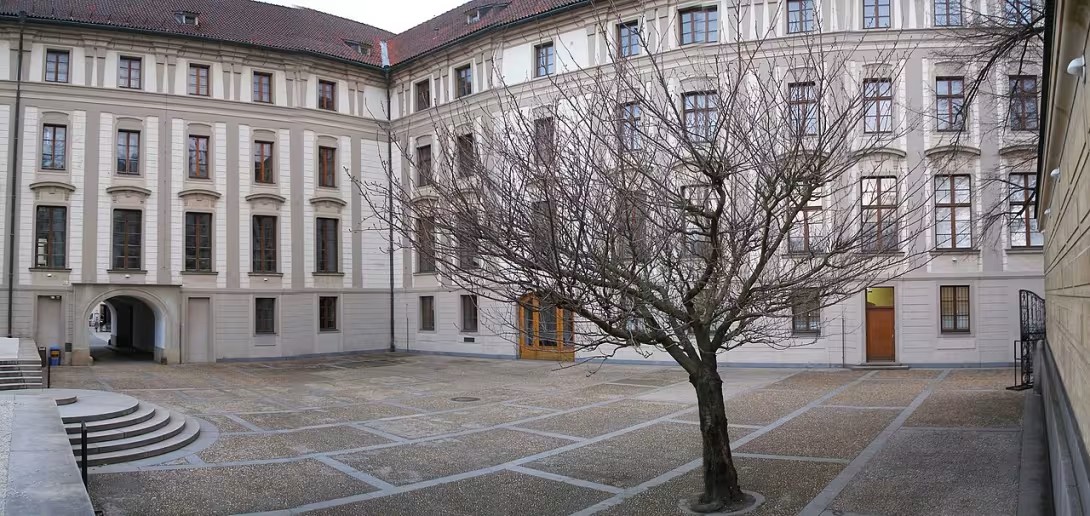
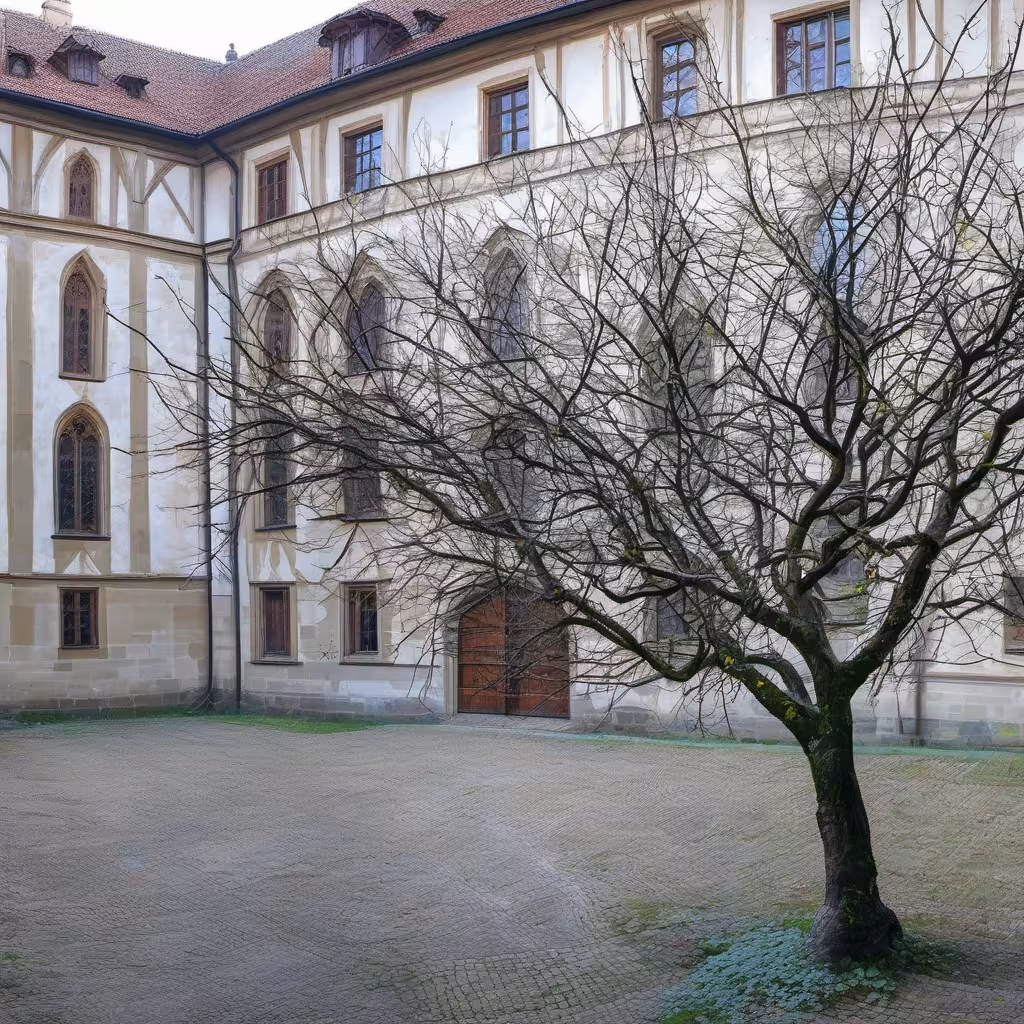
The historical appearance on the left is an AI-generated visualisation and serves as inspiration only.
Historical milestones
- 870
- The area was part of the castle's residential district.
- 1280
- Přemysl Otakar II transformed the precinct into a triple line of ditches with fortifications.
Architectural development
The Fourth Courtyard has undergone significant architectural transformations. Initially part of a residential area in the 9th century, it later became fortified under Přemysl Otakar II. The Renaissance and Baroque periods saw further developments, including the construction of the northern wing with the Spanish Hall during Rudolf II's reign. In the 18th century, Empress Maria Theresa commissioned new palace wings designed by Nicolo Pacassi, featuring a portico leading to the Spanish Hall.
Historical events
In the 9th century, the site was part of the castle's residential area, separated from Hradčanské Square by a deep ravine.
At the turn of the 10th century, it became part of the fortified precinct with a moat and ramparts.
Under Přemysl Otakar II in the late 13th century, the area was transformed into a triple line of ditches (including the ravine) with fortifications.
Points of interest
- The Fourth Courtyard's unique blend of greenery and architecture is unusual for a castle courtyard, which traditionally focuses on enclosed spaces defined by buildings rather than open gardens.
- Přemysl Otakar II significantly enhanced the defensive capabilities of the area in the late 13th century by adding a triple line of ditches, including the existing ravine, demonstrating early medieval military engineering techniques.
- The Spanish Hall, constructed during Rudolf II's reign in the northern wing, is notable for its Renaissance architectural style and historical significance as part of the cultural renaissance that Prague experienced under his rule.
- Empress Maria Theresa commissioned Nicolo Pacassi to design new palace wings in the 18th century, featuring a portico leading to the Spanish Hall, showcasing Baroque influences and her vision for modernizing the castle complex.
- Josip Plečnik's contribution of a pergola covering a medieval bastion in the garden area Na Baště adds a layer of architectural innovation that blends historical elements with early 20th-century design sensibilities.
Guide
This guide is narrated by a synthetic voice generated by artificial intelligence.
Show guide text
This text was created by artificial intelligence and has not been editorially reviewed. It may contain inaccuracies.
Welcome to the Fourth Courtyard of Prague Castle, a remarkable blend of baroque architecture and lush greenery that sets it apart from its counterparts within this historic complex. As you stand here in Praha, Hlavní město Praha, take a moment to absorb your surroundings. To your left, the smaller paved area stretches out, while to your right, an elevated garden known as Na Baště unfolds before you. Unlike traditional castle courtyards that are typically enclosed by buildings, this space invites nature into its embrace.
The origins of this unique courtyard can be traced back to 870 when it was part of the castle's residential district. Over time, in 1280, Přemysl Otakar II transformed the precinct into a formidable defensive structure with triple lines of ditches and fortifications. This strategic enhancement not only fortified the area but also laid the groundwork for its evolution.
As you explore further, take note of the baroque architectural elements that define this space. The work of Nicolo Pacassi and later Josip Plečnik has left an indelible mark here, blending functionality with aesthetic appeal. While specific buildings may serve purposes beyond traditional courtyard functions, their design still contributes to the overall harmony of the area.
This courtyard has been a silent witness to the lives of significant historical figures like Přemysl Otakar II and Rudolf II, whose influence is woven into its very fabric. Their stories are etched into the stones and pathways that you walk upon today.
One fascinating aspect of this courtyard is its unusual blend of greenery within a castle setting—a rarity among traditional courtyards which often prioritize enclosed spaces defined by buildings. This integration of nature offers a refreshing contrast to the usual stone-clad environments, inviting visitors to pause and appreciate its unique character.
As you continue your journey through Prague Castle, let this courtyard inspire you to explore further and discover more hidden gems within this historic site. Thank you for joining us on this auditory tour, and we hope it has enriched your experience of this extraordinary place.
Tips for visitors
The best time to visit the Fourth Courtyard of Prague Castle is during late spring or early autumn, when the weather is pleasant for exploring its baroque architecture without the crowds typical of peak tourist seasons. During these times, the courtyard's gardens are in full bloom, offering a picturesque setting that enhances your experience.
Parking and transportation to the Fourth Courtyard can be managed by utilizing public transport options such as trams or buses, which provide convenient access to Prague Castle. For those driving, there are parking facilities nearby; however, it is advisable to check for availability in advance due to high demand during peak times. Public transport tends to offer a more stress-free arrival.
When planning your visit, consider bringing comfortable walking shoes and weather-appropriate clothing, as you'll be exploring both indoor and outdoor areas of the courtyard. A small backpack with water, snacks, and perhaps a camera is also recommended, especially if you plan to spend several hours at the site. Sunscreen might be necessary during sunny days.
Photography enthusiasts will find that early morning or late afternoon light provides the best conditions for capturing the baroque details of the Fourth Courtyard. The northern area with its greenery offers a stunning backdrop for photos, while the southern paved section is ideal for architectural shots. Be mindful of any photography restrictions in place.
In addition to exploring the Fourth Courtyard itself, visitors can enjoy nearby attractions such as St. Vitus Cathedral and Hradčanské Square within a 30-minute walk. These sites offer further insight into Prague's rich history and provide additional photo opportunities with their stunning architecture and views of the Vltava River.
Businesses nearby
Do you run a restaurant, accommodation, shop, museum, rental, wellness or other visitor service near this monument? Show yourself directly to the people heading to it — this is how they will see you in the app and on the web:
Nearby
Surrounding Prague Castle are significant historical sites such as St. Vitus Cathedral and Hradčanské Square, set against the backdrop of the Vltava River.
Accommodation nearby
Themed route
Tematická výletní trasa: Historický a architektonický průzkum Pražského hradu
1. Čtvrté nádvoří Pražského hradu (hrad) Typ: Hrad Proč stojí za návštěvu: Začněte svou cestu v srdci Pražského hradu, kde Čtvrté nádvoří nabízí pohled na historický komplex a jeho architektonickou krásu. Toto místo sloužilo jako klíčové centrum moci a bylo svědkem důležitých událostí v české historii, což je ideálním začátkem pro pochopení bohaté minulosti regionu.
2. St. Vitus Cathedral Typ: Katedrála Proč stojí za návštěvu: Krátce od Čtvrtého nádvorí se nachází St. Vitus Cathedral, nejvýznamnější sakrální památka v Praze a ikonický příklad gotické architektury. Její impozantní stavba a historie jako sídlo českých králů a korunovační místo nabízejí hluboký vhled do náboženského a kulturního významu, který měla tato struktura pro region.
3. Hradčanské Square Typ: Náměstí Proč stojí za návštěvu: Přibližně na stejné vzdálenosti od St. Vitus Cathedral se nachází Hradčanské Square, živý srdce historické části Prahy. Toto místo sloužilo jako centrum politických událostí a je známé svými krásnými budovami a panoramatickým výhledem na Vltavu, což poskytuje úchvatné pojetí historie a současnosti Prahy.
4. Vltava River Typ: Řeka Proč stojí za návštěvu: Z Hradčanského Square můžete uvolněně procházet k Vltavě, která tvoří živou hranici s Pražským hradem. Tato řeka je nejen klíčovým přírodním prvkem v krajině města, ale také symbolizuje historický a kulturní tok, který formoval rozvoj Prahy po staletí.
Tato trasa nabízí poutavou cestu skrze klíčová místa kolem Pražského hradu, kde každý bod přispívá k hlubšímu porozumění historické a kulturní důležitosti tohoto oblasti.
Seasonal recommendations
Spring: Visiting the Fourth Courtyard of Prague Castle during spring offers a refreshing experience as nature awakens around this historic site. The castle grounds are adorned with blooming flowers and lush greenery, creating a picturesque setting that enhances the beauty of the architecture. The mild weather allows for comfortable exploration without the need for heavy clothing. However, be prepared for occasional showers typical of this season, which can add to the charm but may require an umbrella or raincoat. Springtime also brings longer daylight hours, making it ideal for leisurely visits in the late afternoon when the setting sun casts a warm glow over the castle.
Summer: Summer at Prague Castle is vibrant and lively, with extended opening hours that accommodate tourists eager to explore its grandeur. The courtyard becomes a popular destination, often bustling with visitors drawn by the pleasant weather and longer days. To avoid crowds, consider visiting early in the morning or later in the afternoon when temperatures are more bearable. Light, breathable clothing is recommended to stay comfortable during your visit. Summer evenings can be particularly enchanting as twilight enhances the historic ambiance of the courtyard.
Autumn: The autumn season transforms Prague Castle into a canvas of warm hues, with foliage providing an ideal backdrop for photography and leisurely strolls through the Fourth Courtyard. Cooler temperatures make it a comfortable time to explore without the summer crowds. As days shorten, planning your visit during daylight hours is advisable to fully appreciate the site's beauty. Layered clothing will help you stay cozy as the weather cools down, especially in the evenings.
Winter: Winter at Prague Castle offers a magical atmosphere with snow often blanketing the courtyard, creating a fairy-tale setting that enhances its historic allure. The shorter days mean visiting early is wise to maximize your time before closing hours. Dress warmly in layers and wear sturdy shoes for navigating potentially icy paths. Despite fewer visitors compared to summer, winter's charm attracts those seeking a serene experience amidst Prague’s iconic landmarks.
Visualizations and artistic views


The visualisations are generated by artificial intelligence and serve as inspiration.
Photos from the area
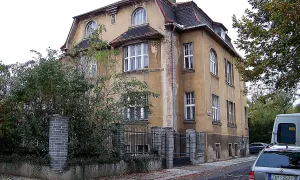
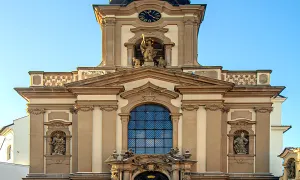
Real photos taken near the monument


Zdroj a licence jsou uvedeny u každého snímku.
Atmosphere of the place
This atmospheric visualisation of the place and period was generated by artificial intelligence. It is not real footage of the location.
Tips from visitors
No tips yet. Be the first!
Log in and add your tip.
Sources and literature
Photos: Jan Polák / CC BY-SA 3.0, rozlišení zvýšeno umělou inteligencí — Wikimedia Commons. The author and licence also appear when you hover over the image.
Faktickým podkladem tohoto textu byl článek na Wikipedii, jehož autory jsou přispěvatelé Wikipedie. Článek je dostupný pod licencí CC BY-SA 4.0.

Příběhy a pověsti
Legendy, pověsti a příběhy spjaté s touto památkou

Fotografie návštěvníků
Zatím žádné fotografie. Buďte první, kdo přidá fotografii z návštěvy!
Log in a přidejte svou fotografii nebo hodnoťte.
Za ověřenou návštěvu v aplikaci získáte víc bodů — poznáme podle GPS, že jste na místě.
Reviews and comments