






Vosáhlova vila Villa
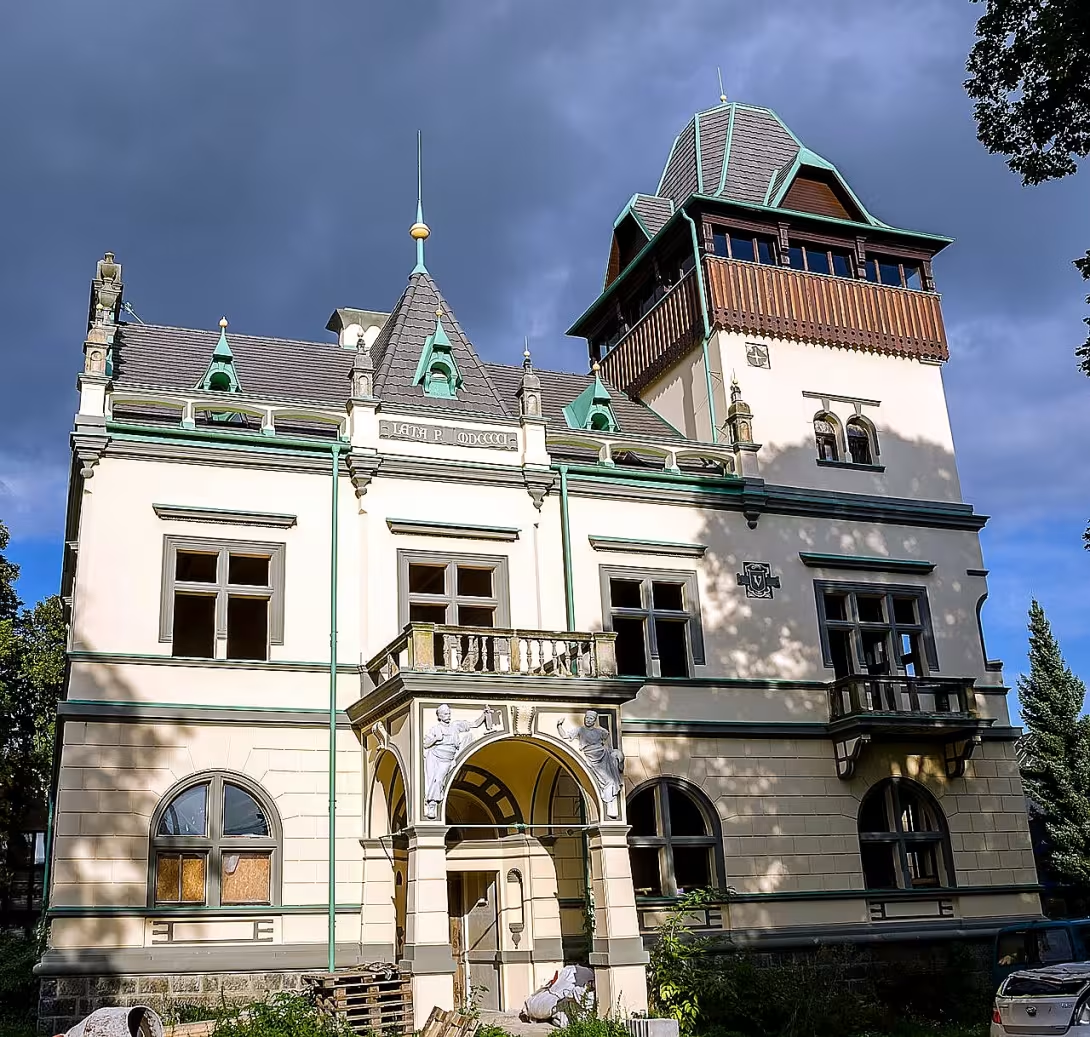
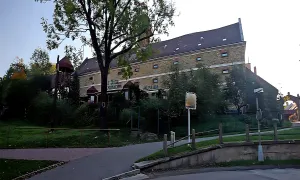
Vosáhlova vila is a Neo-Renaissance building in Jungmann Street in Dashic, Pardubick. The building was built between 1900 and 1901 by the local manufacturer Josef Vosáhlo according to the design of the important architect Jan Vejrý. Today it is a cultural monument that is undergoing a gradual reconstruction.
The foundation of the villa dates back to the turn of the 19th and 20th centuries, when Czech industrial business was booming. Economic growth was reflected in the construction of representative houses of rich factories. History dominated the architecture at the time, which often used Renaissance patterns as a symbol of national prosperity and the social position of owners.
The architectural design was developed by Jan Vejrych, a sought-after designer and author of the form of Pardubice Town Hall. The building is built in a neoRenaissance style. During the period of socialism, however, the construction suffered considerable damage which led to its near-emergency condition. There was a collapse of the roof and a leak in the structures.
The owner of the villa was since its inception in 1900 Josef Vosáhlo. After 1948 the building was nationalized and subsequently served as a repair plant for agricultural machinery. This use has led to gradual decay. Since 1958 the villa has been guided as a protected cultural monument of the Czech Republic.
The key moment in modern history was 2014, when the gradual reconstruction started. The work focuses on saving the mantle of the building, restoring the roof and restoring original elements such as historic windows and doors. Despite long-term neglect and destruction of the roof structure, the monument was saved.
Today, Vosáhlova vila is in the process of recovery, which returns its original form. For visitors to Dashic it is an interesting example of the architecture of the turn of the century and a proof of the industrial history of the region. Her rescue is an important contribution to the preservation of cultural heritage, which is worth paying attention when visiting this town in Polabi.
Historical milestones
- 1900
- The construction of the villa by the factory Josef Vosahal.
- 1948
- The nationalisation of the villa and its subsequent use as a repair plant for agricultural machinery.
- 1958
- The villa was declared a protected cultural monument.
- 2014
- Starting a gradual reconstruction of the building.
Architectural development
The villa was built in a neo-Renaissance style according to the Jan Veirhu project. During the period of socialism, the object suffered considerable damage, including the collapse of the roof and the leakage into the structures. The current restoration focuses on saving the building's mantle and restoring historic windows and doors.
Historical events
1900- 1901: Construction of the villa. 1948: Nationalization of an object. 1958: Registration between cultural monuments of the Czech Republic. 2014: Start of gradual reconstruction.
Owners
Josef Vosáhlo (since 1900), after 1948 state (nationalized).
Points of interest
- Vosáhlova vila is a non-Renaissance building that was built between 1900 and 1901 by a local manufacturer Josef Vosáhlo. - The author of the architectural design was Jan Vejrych, which is also the author of the Pardubice City Hall. - After nationalization in 1948, the villa served as a repair shop for agricultural machinery, which led to its decay. - During the period of socialism, the construction suffered considerable damage involving the collapse of the roof and the leakage into the structures. - Since 1958, the villa has been guided as a protected cultural monument of the Czech Republic.
Guide
Show guide text
This text was created by artificial intelligence and has not been editorially reviewed. It may contain inaccuracies.
Welcome to Dashice. You've just stopped at Jungmann Street and are standing right in front of one of the most important construction units in this city. Before your eyes, the Vosáhlova vila, a non-Renaissance jewel, brings a sense of history, nobility and stability to this part of the city. Stop for a moment, relax and feel the atmosphere of this place. This building is not just a brick construction, it is a living witness to the transformation of the entire region and the story of a man who wanted to build his own kingdom and leave a permanent trail.
Imagine now the atmosphere of the late nineteenth century, when the world was changing faster than ever. It was during this period, in the years one thousand nine hundred and one thousand nine hundred one, that a new era began to be born here for this place. The main mover of everything you see was the local manufacturer Josef Vosáhlo. He was a man with great ambitions, a man who, thanks to his business, achieved success and wanted his home to reflect his social standing. He didn't just want an ordinary house for his needs, but a representative mansion that would inspire wonder and respect. Vosáhlova vila was his vision, his personal manifestation of strength and success, which at that time represented a new, dynamic force in Dashice.
Now pay attention to the architecture itself and how the building is formed. Feel the non-Renaissance aesthetic that is so typical of this object. At that time, this style returned to the ideals of classical beauty, harmony and order. Now, if you look at the general appearance of the building, notice the balance and dignity that the architect put in the design. A man named Jan Vejrych was behind this masterpiece. If you know Pardubice, you've probably seen City Hall there. Yes, it was Jan Vejrych who designed her form. This must give you an idea of the quality and prestige this project had. The leprechaun style brings to the street a sense of stability and artistic maturity. Feel how the building lines connect and how the whole building acts as a unified, thought-out entity that was designed to withstand time trials.
But the history of this villa was not just a celebration of success and beauty. It's a story that even has its dark and hard chapters. After a thousand and nine hundred forty-eight, there came an era that would break every owner's heart. The villa was nationalized. What was supposed to be a family home, what was supposed to be a symbol of the personal success of the Vosahl factory, became the property of the state. And that wasn't the worst part. The building was used to repair agricultural machinery. Imagine the huge contrast that must have been so difficult for this object. The noble Neo-Renaissance architecture, fine shapes and spaces designed for life and representation had to be adapted to hard, constant work. Imagine the noise of the machines, the smell of the lubricant and the dust from the repair machines that settled on the facade and in the interior. This operation led to the villa becoming quite dry. She lost her original shine, her walls absorbed the filth of everyday work, and the building gradually lost its soul and its dignity.
Yet this building has given up. Even in the most difficult times, when her fate seemed to be lost and that she would be left with a shadow of former glory, something fundamental happened. It's the fascinating thing to tell you. In the year one thousand nine hundred and ten eight, the villa was declared a protected cultural monument. That was a turning point. Even though the building was in a bad state at the time and its condition was very bad, the state and experts acknowledged its immense historical and artistic value. This is the power of this place - although the villa was almost destroyed by its function, its essence as a cultural heritage was recognized and saved. This decision could have made what we see today happen. In the year two thousand fourteen, its gradual reconstruction began. It's a story about rebirth, about how an abandoned and neglected repair shop becomes a rare monument to history again.
When you look at the building now, try to see not only what is seen now, but also what was in the year one thousand nine hundred and one. Try to see the struggle between the beauty of architecture and the roughness of industrial use. It is a fascinating idea that this building survived everything - from the factory's wealth to the gray years of nationalization to today's efforts to return to its original glory.
Now please continue to walk around this monument. Feel how Vosáhlova vila returns to its natural environment and how its presence affects the entire Jungmann street. I hope this brief insight into the past has helped you better understand the importance of this place. Thank you for stopping by and paying attention to this piece of history. Read what else your eye hasn't caught, and enjoy the rest of your day in Dachice. Goodbye.
Tips for visitors
Due to the ongoing reconstruction, we recommend planning the visit during the period when the villa is made available to the public, ideally during sunny days, when the non-oresant architecture of the facade excels. Follow the official notice about the state of work to prevent disappointment from a closed facility. You can easily reach Dasic by car or public transport; parking is possible in adjacent streets, check the current connection in the traffic search engine. To visit, pack comfortable shoes suitable for movement around the building and the camera, with the best light to capture the details of the villa in the morning. If you are planning a trip with children, use the surrounding space to walk through the city of Dašice, where children can recognize the peaceful atmosphere of Polabi. In the wider area of the villa is the picturesque agricultural landscape of Polabi, which is ideal for simple family walks in nature.
Businesses nearby
Do you run a restaurant, accommodation, shop, museum, rental, wellness or other visitor service near this monument? Show yourself directly to the people heading to it — this is how they will see you in the app and on the web:
Events nearby
Zdroj akcí: otevřená data měst a obcí ČR (Národní katalog otevřených dat) a kalendář akcí Národního památkového ústavu.
Nearby
City of Dašice in Pardubice district, surrounding agricultural landscape Polabi.
Accommodation nearby
Themed route
1. City Dašice (Type: Local Center) - Great place to start a trip and a short survey of the village. 2. Vosáhlova vila (Type: Architectural monument) - The main objective, which offers a tour of historical interiors and exhibitions. 3. Agricultural landscape Polabi (Type: Rural landscape) - The large surrounding area offers a peaceful walk between the field for final rest.
Seasonal recommendations
Spring: In the spring season Vosáhlova vila is surrounded by flowering gardens that offer a wonderful view of diverse flowers. Sun rays illuminating green meadows and trees create an attractive atmosphere for relaxation. Although not all the lots are open yet, you can enjoy the first warm days on the outdoor platforms. We recommend visiting this time of morning, when there are not too many crowds yet and you can fully immerse yourself in the peace of spring. Put on a suitable suit because the weather can still be cold in the morning, but warmer in the afternoon.
Summer: In the main summer season Vosáhlova vila is a popular destination for visitors seeking relief before urban life. The sunny days offer ideal conditions to walk through gardens and enjoy outdoor space. Although the atmosphere is full of light and heat, the trip can be very hot. We recommend arriving at Vosajlo's villa earlier to avoid the largest crowds while enjoying a peaceful walk around historic rooms. Do not forget the sun protection - ungrouped clothes, hat and sunglasses are necessary.
Autumn: In the autumn period Vosáhlova vila offers unique views of colored tree leaves that add mild melancholy and beauty to the atmosphere. The sun illuminates the garden with fine rays, creating ideal conditions for relaxation on outdoor platforms during quiet days. Although all the parcels may not be open yet, you can enjoy a beautiful view and a mild temperature. We recommend to visit the center of the day when the temperature is best for walking while avoiding possible rain in the afternoon. Put on a mild outfit with a possible warm coat pocket.
Winter: In winter, the Vosáhlova vila offers quiet and quiet visitors looking for an escape from freezing days. Sun rays illuminating snow cover or cool green create a unique atmosphere that attracts visitors looking for peace and quiet. Opening hours can be limited due to winter conditions, so it is important to check before visiting. We recommend visiting in the early part of the day and wearing warm clothes with quality gloves and shirts to make it possible to enjoy historical spaces without discomfort.
Visualizations and artistic views

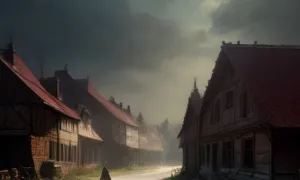
The visualisations are generated by artificial intelligence and serve as inspiration.
Photos from the area
Real photos taken near the monument


Zdroj a licence jsou uvedeny u každého snímku.
Tips from visitors
No tips yet. Be the first!
Log in and add your tip.
Sources and literature
Photos: JanHubik / CC BY-SA 3.0 — Wikimedia Commons. The author and licence also appear when you hover over the image.
Faktickým podkladem tohoto textu byl článek na Wikipedii, jehož autory jsou přispěvatelé Wikipedie. Článek je dostupný pod licencí CC BY-SA 4.0.
Location on the map

Příběhy a pověsti
Legendy, pověsti a příběhy spjaté s touto památkou
Fotografie návštěvníků
Zatím žádné fotografie. Buďte první, kdo přidá fotografii z návštěvy!
Přihlaste se a přidejte svou fotografii nebo hodnoťte.
Za ověřenou návštěvu v aplikaci získáte víc bodů — poznáme podle GPS, že jste na místě.
Reviews and comments