






Vyšehradský hřbitov Cemetery
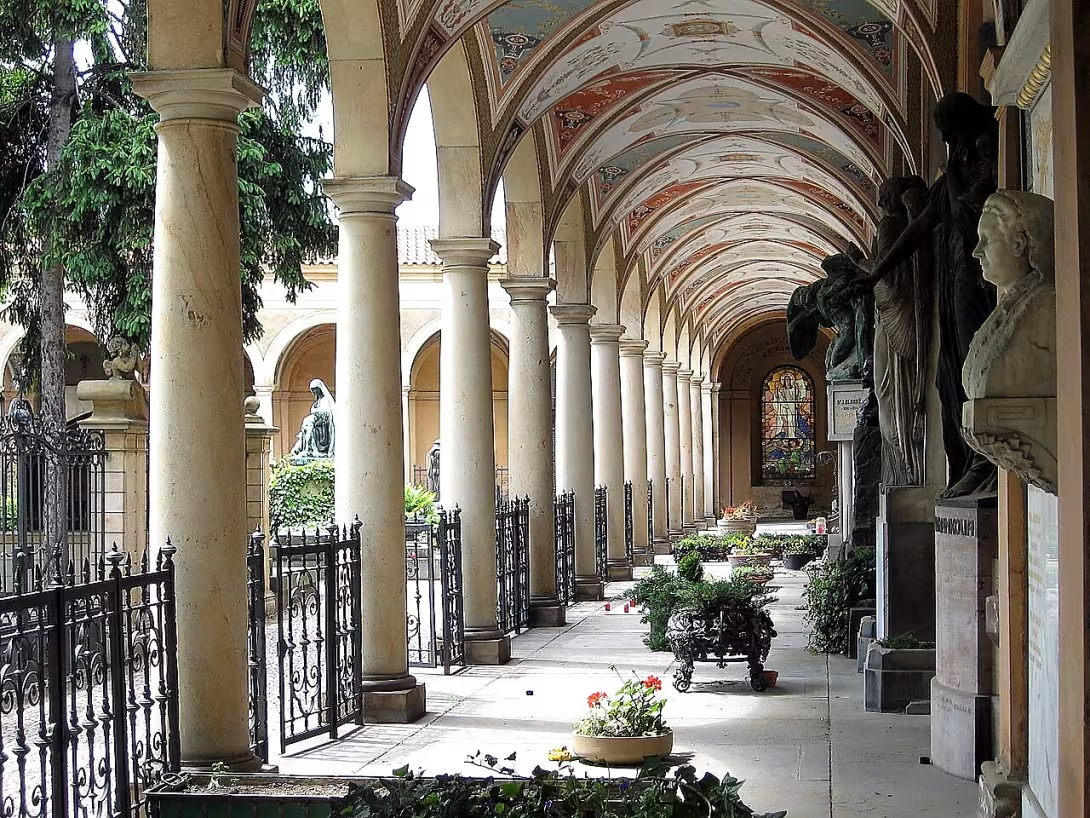
Vyšehrad Cemetery, located in Prague at Vyšehrad, is a national cemetery established in 1869. It holds significant historical importance as the final resting place for many prominent Czech figures and their families. The cemetery's centerpiece, Slavín, is a communal tomb designed by Antonín Wiehl, serving as a monument to distinguished personalities in Czech history. Situated on the grounds of Vyšehrad Castle, this site offers both a rich historical narrative and scenic views of Prague, along with proximity to other significant monuments like St. Peter and Paul Church.
The origins of Vyšehrad Cemetery trace back to burials that began as early as the 11th or 12th century in the Vyšehrad area. The first documented mention dates to 1660 when construction of a cemetery wall was recorded. In the 1860s, the idea emerged to transform this site into a national cemetery to honor important Czech personalities. This transformation officially took place in 1869 under the initiative of František Ladislav Rieger and Václav Štulc, marking its establishment as a significant cultural landmark.
Architecturally, Vyšehrad Cemetery underwent substantial development in the late 19th century. In 1887, architect Antonín Wiehl constructed new Renaissance arcades on the northern and western edges of the cemetery. Between 1889 and 1893, Slavín was built as a communal tomb for notable Czech cultural figures, designed by Wiehl and sculpted by Josef Mauder. The neo-Renaissance arcade that surrounds most of the cemetery's perimeter adds to its artistic value, showcasing works from leading Czech sculptors and architects.
Throughout its history, Vyšehrad Cemetery has been administered with a focus on preserving its status as a national cultural monument. In 2014, a nine-member commission of the Prague City Hall was established to approve burials of notable personalities in the cemetery, reflecting its continued importance in Czech culture. The site's historical significance is further underscored by events such as the reburial of poet Karel Hynek Mácha on May 7, 1939, which became a national protest against Nazi occupation.
Today, Vyšehrad Cemetery covers an area of 0.81 hectares and contains approximately 1,200 grave sites, several church grave sites closed to the public, and over 100 tombs, with 57 being arcaded. It is home to about 550 notable individuals, including 56 interred in Slavín. Due to its historical significance and limited capacity, new burial spaces are available only sporadically. Despite these constraints, the cemetery remains a vital cultural site, offering visitors insight into Czech history and art.
Visiting Vyšehrad Cemetery provides an opportunity to explore a place steeped in national heritage and artistic achievement. Its proximity to the historic Vyšehrad fortress and other monuments enhances its appeal as a destination for those interested in Czech culture and history. The cemetery's rich tapestry of notable interments and architectural beauty makes it a must-see for anyone seeking to understand the cultural legacy of the Czech Republic.
Then and now
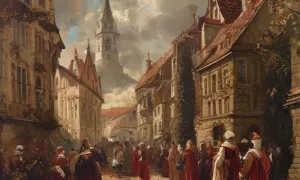
Drag the slider to compare how the landmark may have looked when it was built with the view today.
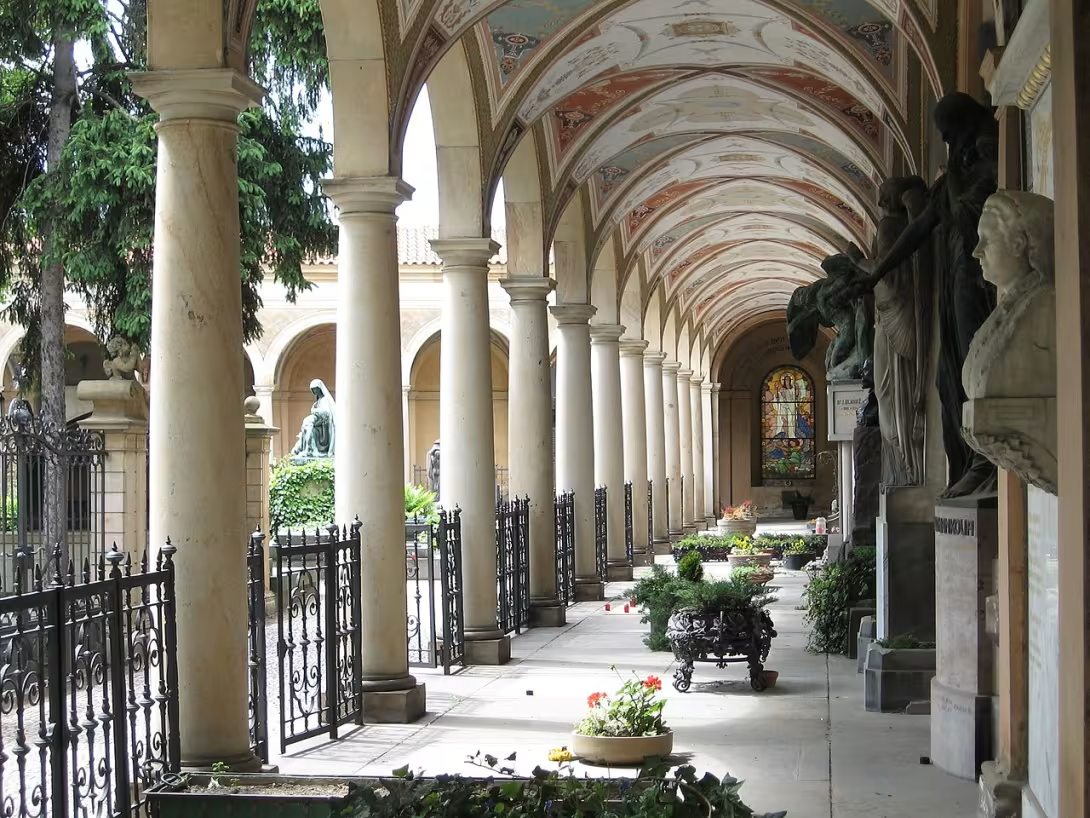
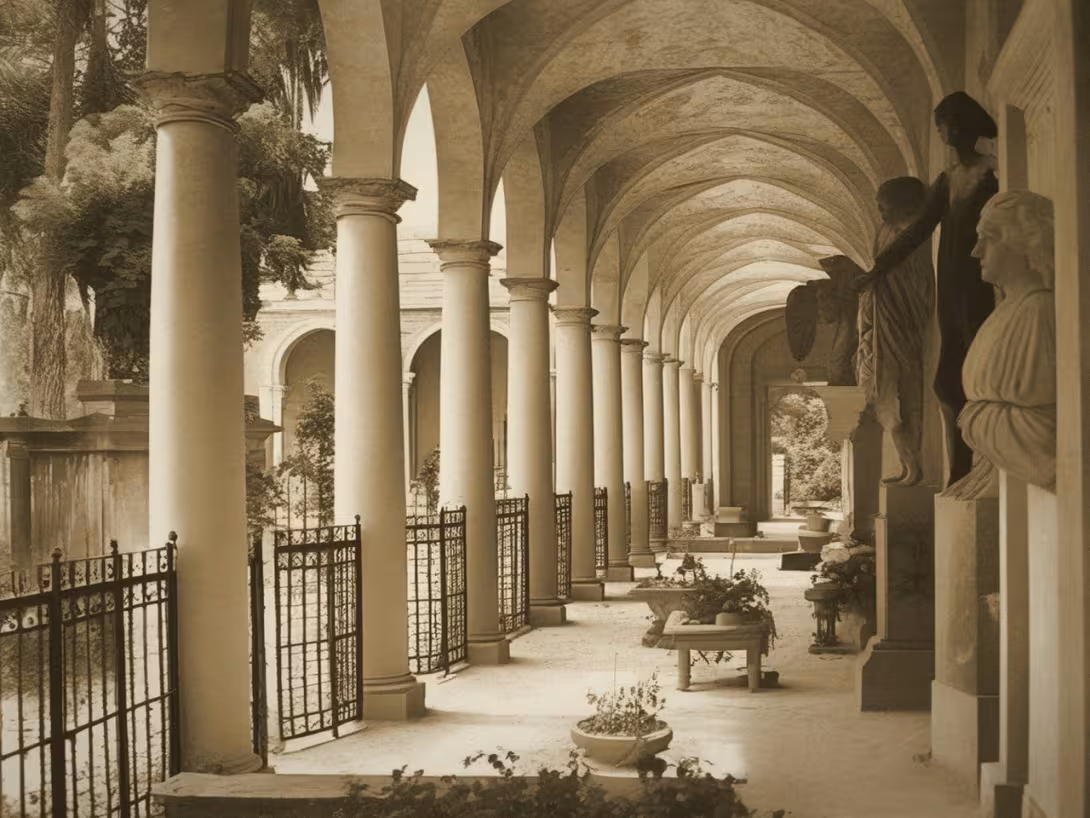
The historical appearance on the left is an AI-generated visualisation and serves as inspiration only.
Historical milestones
- 1869
- The cemetery was transformed into a national burial site under the initiative of František Ladislav Rieger and Václav Štulc.
- 1939
- Reburial of Karel Hynek Mácha became a significant anti-Nazi protest.
Architectural development
The cemetery underwent significant development in the late 19th century. In 1887, new Renaissance arcades were constructed on its northern and western edges by architect Antonín Wiehl. Between 1889 and 1893, Slavín was built as a communal tomb for distinguished Czech cultural figures.
Historical events
In 1785, Vyšehradský hřbitov was uniquely permitted to continue burials within city limits when other urban cemeteries were closed for hygienic reasons.
On May 7, 1939, the reburial of poet Karel Hynek Mácha at Vyšehradský hřbitov became a national protest against Nazi occupation.
Points of interest
- One of the lesser-known facts about Vyšehrad Cemetery is that it was initially established to serve as a burial ground for the local community in the 11th or 12th century, long before its designation as a national cemetery.
- The architectural transformation of Vyšehrad Cemetery included the construction of Renaissance arcades by Antonín Wiehl in 1887, which were designed not only for aesthetic enhancement but also to protect graves from weather conditions and vandalism.
- A unique aspect of Vyšehrad Cemetery is Slavín, a communal tomb that serves as a monument to distinguished Czech figures. It was built between 1889 and 1893 and features sculptures by Josef Mauder, highlighting the cemetery's role in celebrating national cultural heritage.
- The reburial of poet Karel Hynek Mácha on May 7, 1939, at Vyšehrad Cemetery turned into a significant political event. It was used as a platform for Czech resistance against Nazi occupation, demonstrating how the site has been intertwined with pivotal moments in Czech history.
- Despite its rich cultural significance and limited space, new burial sites are available only sporadically due to the cemetery's status as a national monument. This scarcity underscores its importance and reverence within Czech society.
Guide
This guide is narrated by a synthetic voice generated by artificial intelligence.
Show guide text
This text was created by artificial intelligence and has not been editorially reviewed. It may contain inaccuracies.
Welcome to the historic Vyšehradský hřbitov, a site of profound cultural and historical significance nestled in the heart of Prague at Vyšehrad. As you stand here, take a moment to absorb the serene atmosphere that envelops this national cemetery. The air carries whispers of history with each step on its ancient pathways.
The origins of Vyšehrad Cemetery trace back to either the 11th or 12th century, initially serving as a burial ground for the local community. However, it was in 1869 that the cemetery underwent a significant transformation into a national burial site, thanks to the vision and initiative of František Ladislav Rieger and Václav Štulc. This change marked its evolution from a local resting place to a revered site for many prominent Czech figures.
As you walk along these hallowed grounds, take note of the architectural elements that tell their own stories. The cemetery was designed by Antonín Wiehl, whose work can be seen in the thoughtful layout and structures that have stood the test of time. One cannot help but admire Slavín, a communal tomb for notable personalities, which stands as a testament to Czech history and culture.
Among the many historical figures interred here are František Ladislav Rieger and Václav Štulc themselves, whose contributions helped shape this sacred space. Their legacy is palpable in every corner of the cemetery, where history seems to come alive with each step you take.
A fascinating aspect that adds depth to Vyšehrad Cemetery's narrative is its role during a pivotal moment in 1939. The reburial of Karel Hynek Mácha here became an act of defiance against Nazi oppression—a significant anti-Nazi protest that underscored the cemetery’s importance beyond just being a final resting place.
As you continue your exploration, let yourself be drawn into the stories and secrets this site holds. Each gravestone, each path, speaks volumes about the lives and times of those who rest here.
We invite you to wander further, to delve deeper into the history that surrounds you at Vyšehrad Cemetery. May your journey through its gates inspire reflection on the past and an appreciation for the stories etched in stone.
Thank you for visiting this remarkable site. We hope it leaves a lasting impression as you continue your exploration of Prague’s rich tapestry of history.
Tips for visitors
The best time to visit Vyšehradský hřbitov is during the late spring or early autumn months, when the weather is mild and pleasant for walking. During these times, you can enjoy the blooming flowers around the cemetery without the summer crowds or winter chill. The soft light of these seasons also enhances the beauty of the gravestones and monuments, making it ideal for photography.
You can reach the site using Prague's metro or tram services.
When visiting Vyšehradský hřbitov, it is recommended to bring comfortable walking shoes as there are many paths to explore within the cemetery grounds. A camera or smartphone with a good camera can help capture the stunning views of Prague from the site. Additionally, carrying water and wearing weather-appropriate clothing will ensure a more enjoyable visit.
For photography enthusiasts, some of the best spots at Vyšehradský hřbitov include areas near St. Peter and Paul Church, where you can capture both the church's architecture and panoramic views of Prague. The morning light is particularly favorable for photographs as it casts soft shadows across the cemetery. Be mindful of lighting conditions throughout the day to make the most of your photography session.
In terms of nearby attractions within a 30-minute walk or short public transport ride, visitors can explore the historic Vyšehrad fortress and its grounds, which offer additional scenic views and historical insights. Families with children might enjoy visiting the nearby Petržílkovy sady (Petržílka Gardens), where they can relax in a green space close to the river Vltava.
Frequently asked questions
Can the monument be visited?
Cemeteries and graves are usually accessible; please respect the dignity of the place. We have not verified the opening hours of this cemetery.
Where is the monument?
Location: K rotundě, Vyšehrad, Praha, Hlavní město Praha. The map on this page shows the exact spot.
Why is the monument protected?
It is listed in the Central List of Cultural Monuments of the Czech Republic as a national cultural monument (register no. 113). It is protected as part of a larger listed ensemble.
Businesses nearby
Do you run a restaurant, accommodation, shop, museum, rental, wellness or other visitor service near this monument? Show yourself directly to the people heading to it — this is how they will see you in the app and on the web:
Events nearby

Zdroj akcí: otevřená data měst a obcí ČR (Národní katalog otevřených dat) a kalendář akcí Národního památkového ústavu.
Nearby
Vyšehradský hřbitov is situated near the historic Vyšehrad fortress, offering scenic views of Prague. The area includes other significant monuments such as St. Peter and Paul Church.
Accommodation nearby
Trips and activities nearby
Guided tours, tickets and activities nearby from GetYourGuide
Affiliate link: if you buy from the partner, we may receive a commission. The price for you does not change.
Search tours and activities →Themed route
Vyšehrad Walking Tour
1. Vyšehrad Cemetery Begin your tour at the historic Vyšehrad Cemetery, known for its impressive sculptures and monuments. It is a place of peace and reverence where you can explore the artistic works of some of the most significant Czech sculptors and architects.
2. Church of Sts. Peter and Paul Approximately 5 minutes' walk from the cemetery, you'll find the important Gothic structure, Church of Sts. Peter and Paul. It is one of the oldest parish churches in Prague and is renowned for its history as well as architectural beauty. Visit to admire its richly decorated interior and enjoy stunning panoramic views of Prague.
3. Vyšehrad Chapel of St. George A short walk from the church, you'll find the Vyšehrad Chapel of St. George, accessible via a brief stroll. This small Gothic chapel is known as the resting place for notable figures in Czech history and culture. It's an ideal spot for those who appreciate both history and art.
4. Ancient Cemetery near Vyšehrad Returning to the cemetery, you can explore the older section of the burial ground where you'll find some of the oldest and most remarkable monuments. This area offers a unique insight into the local funeral rituals and artistic traditions.
This tour will provide you with deep knowledge of Prague's historical and cultural heritage while allowing you to enjoy beautiful panoramic views of the city.
Seasonal recommendations
Spring: Spring at Vyšehradský hřbitov is a time of renewal and beauty, with the landscape coming alive as cherry blossoms and other spring flowers begin to bloom. The soft morning light enhances the ethereal atmosphere, making it an ideal time for photography enthusiasts. Visitors should take advantage of the generally mild weather by wearing layers that can be adjusted throughout the day. Early mornings are recommended to avoid larger crowds as people flock to enjoy the fresh blooms.
Summer: During summer, Vyšehradský hřbitov offers a vibrant and lively atmosphere with lush greenery and long daylight hours. The warm sun casts a golden hue over the historic tombs and monuments, creating a picturesque setting. This is peak tourist season, so visitors are advised to arrive early in the morning or later in the afternoon to avoid crowds. Comfortable walking shoes and light clothing are recommended due to the warmer temperatures.
Autumn: Autumn transforms Vyšehradský hřbitov into a tapestry of warm colors as the leaves turn shades of red, orange, and gold. The crisp air adds a serene quality to the visit, perfect for contemplation or leisurely walks. This season is less crowded than summer, offering a more peaceful experience. Visitors should dress in layers to accommodate the cooler temperatures and consider bringing an umbrella, as autumn weather can be unpredictable.
Winter: Winter at Vyšehradský hřbitov provides a quiet and introspective atmosphere under a blanket of snow, with the historic structures taking on a mystical appearance. The shorter days mean that visits should be planned earlier in the day to make the most of daylight hours. It's essential to dress warmly in layers, including hats and gloves, as temperatures can drop significantly. Despite the cold, the hushed beauty of the cemetery during winter is truly unique.
Visualizations and artistic views


The visualisations are generated by artificial intelligence and serve as inspiration.
Photos from the area
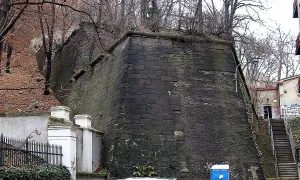
Real photos taken near the monument


Zdroj a licence jsou uvedeny u každého snímku.
Atmosphere of the place
This atmospheric visualisation of the place and period was generated by artificial intelligence. It is not real footage of the location.
Tips from visitors
No tips yet. Be the first!
Log in and add your tip.
Sources and literature
Photos: Ludek / CC BY-SA 3.0 — Wikimedia Commons. The author and licence also appear when you hover over the image.
Faktickým podkladem tohoto textu byl článek na Wikipedii, jehož autory jsou přispěvatelé Wikipedie. Článek je dostupný pod licencí CC BY-SA 4.0.
Location on the map
Příběhy a pověsti
Legendy, pověsti a příběhy spjaté s touto památkou
Fotografie návštěvníků
Zatím žádné fotografie. Buďte první, kdo přidá fotografii z návštěvy!
Log in a přidejte svou fotografii nebo hodnoťte.
Za ověřenou návštěvu v aplikaci získáte víc bodů — poznáme podle GPS, že jste na místě.
Reviews and comments