



Výšinné neopevněné sídliště u Dubečku Hillfort
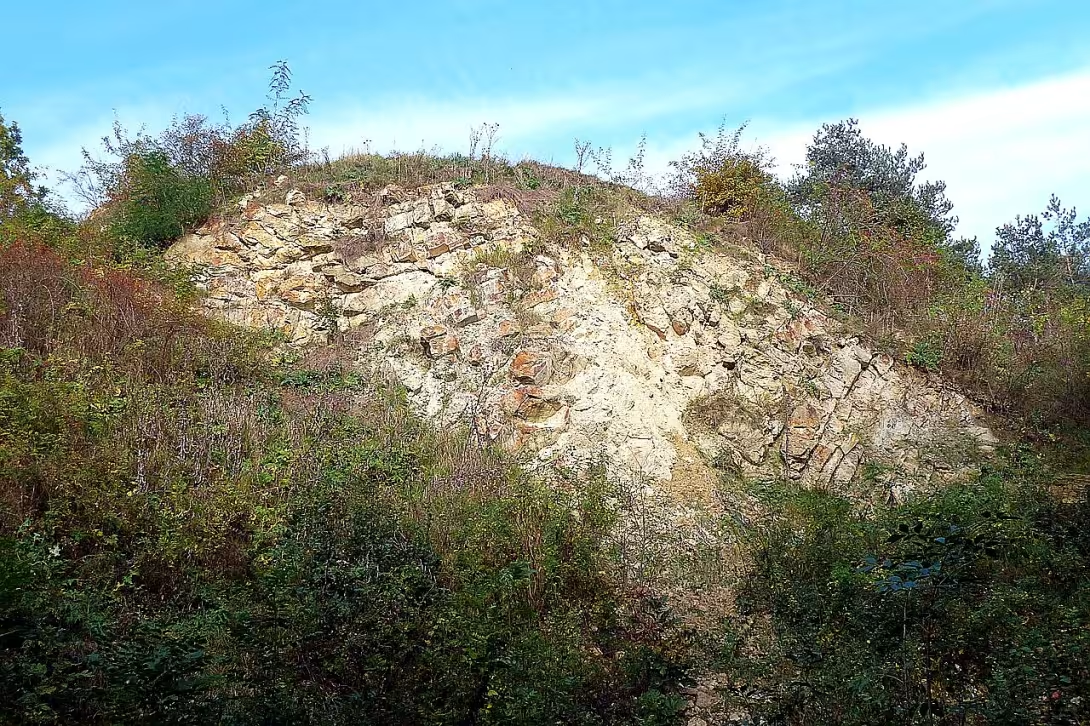
Výšinné neopevněné sídliště u Dubečku is an archaeological site in the village of Dubči, located on a rocky hill near the settlement Dubeček. This place is characterized by a history dating back to the late stone and older bronze times, when people lived here for almost 3,000 years. The settlement is protected as a cultural monument of the Czech Republic, although it has suffered some damage due to quarry mining in nearby Rohožnik. The archaeological survey took place in the 1940s and 1950s, with key discoveries of Bohuslav Novotný from 1951 and other excavations between 1964 and 1969.
The site comes from the eneolite, when the roving culture developed, and older bronze times associated with the utenistic culture. It was an important place for nomadic groups to leave a trail in the form of ceramics. The interesting thing is that the settlement was not fortified, which distinguishes its architecture from many other sites of that time. The remains of ceramics found show similarities to the types found in Prague's settlements such as Butovice and Castle.
The survey began in the 1940s when archaeological excavations were first carried out. In 1951, Bohuslav Novotný carried out significant research which brought new knowledge of the site. Between 1964 and 1969, further surveys were carried out under the auspices of the archaeological branch of the Prague City Museum.
Today the settlement is protected by a cultural monument that attracts those interested in ancient history. Despite its importance, the site was partially disturbed by stone mining, which underlines the importance of its protection and study. Exploring this site revealed interesting aspects of the life of our prehistory and provides a valuable insight into the cultures that once existed here.
Visiting the settlement near Dubeč is not only an examination of archaeological traces of the past, but also an opportunity to appreciate the importance of protecting cultural heritage. This site reminds us of the wealth and complexity of our history and calls for deeper knowledge of the lives of our ancestors.
Then and now
Drag the slider to compare how the landmark may have looked when it was built with the view today.
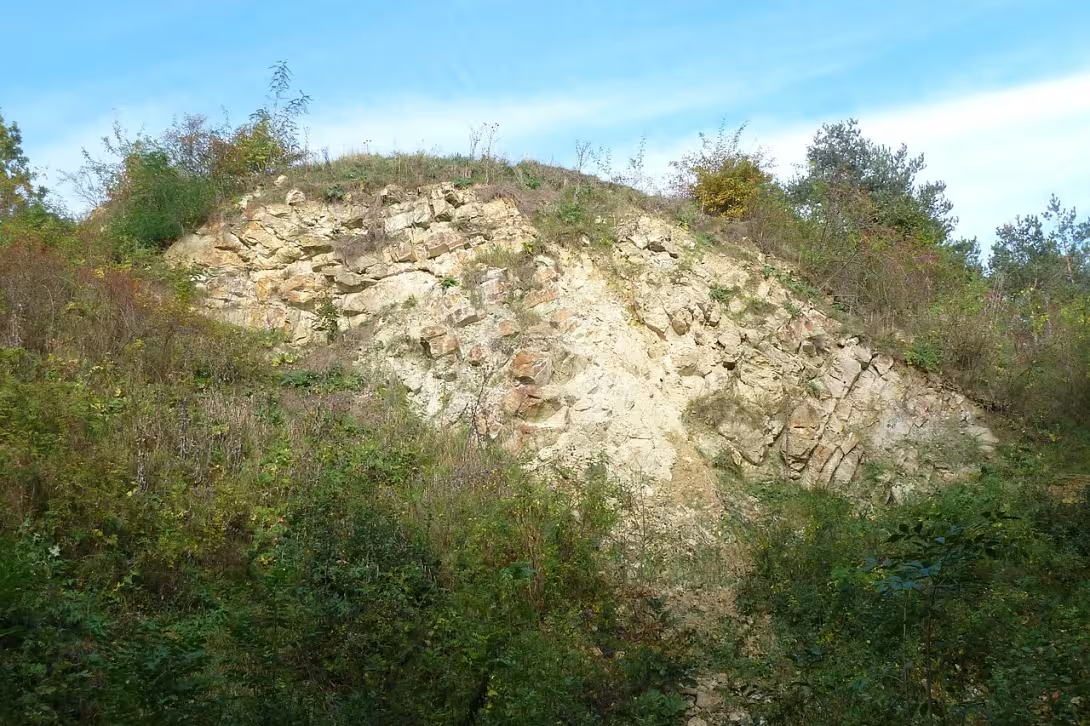

The historical appearance on the left is an AI-generated visualisation and serves as inspiration only.
Historical milestones
- 1951
- Research carried out by the prehistoric department of the Museum of the City of Prague Bohuslav Novotný
- 1964
- The beginning of repeated archaeological surveys carried out by the archaeological branch of the Museum of the Capital City of Prague
Architectural development
The estate was not fortified, which was confirmed by archaeological surveys. In the cultural layer were found the remains of ceramics produced by nomads. This ceramics shows signs similar to those of other Prague high-rise settlements.
Historical events
Archaeological research took place in the 1940s and 1950s. In 1951 there was research under the leadership of Bohuslav Novotný. Between 1964 and 1969, there were other repeated archaeological surveys.
Points of interest
- People have lived here for almost 3,000 years in the late Stone and Older Bronze Age. - The settlement was not fortified, which distinguishes its architecture from many other sites at the time. - The site was partially disrupted due to quarry mining in the nearby Mines. - The ceramics found shows similarities with the types of Prague settlements like Butovice and Castle. - The estate comes from the eneolite and older Bronze Age associated with the utenistic culture.
Guide
Show guide text
This text was created by artificial intelligence and has not been editorially reviewed. It may contain inaccuracies.
Welcome to the historic site of the high, unfortified settlement near Dubeč! You are standing on a rocky surface, which is reflected in this reef landscape as a witness for centuries. Beneath your feet is the valley of the Roman creek, where people lived and formed their daily lives in the past. There's a place in front of you that carries traces of almost 3,000 years of history.
This settlement has roots in the late Stone Age and the older Bronze Age. It originated here long before our century when people settled here looking for insurance and natural resources nearby. This site was inhabited by the eneolite, which suggests its long-term importance to humanity. In 1951, Bohuslav Novotný appeared at this place for the first time, the primordial department of the Museum of the Capital City of Prague, which began research on this fascinating location. His work laid the foundations for further archaeological studies which spread out until the 1960s.
Look up at the rocky cliff where you notice the absence of fortifications. This unusual architecture distinguishes the settlement at Dubeč from many other sites at the time. People here lived in freedom, without the need for castle walls or fortifications, suggesting a peaceful environment and stable society.
Note the archaeological traces that are today protected as a real-estate cultural monument of the Czech Republic. Although part of the site was disturbed by the extraction of stone in the nearby Rohožník, here we will still find evidence of the life of the people of the eneolithic and the older Bronze Age. The ceramics found shows similarities to the types of Prague settlements, which allows us to imagine cultural links between these ancient communities.
The interesting thing about this place is its long-standing residence. For almost 3,000 years, people have been home here, which is evidenced not only by durability, but also by the adaptability of their lifestyle in places like Dubeček.
Let's move on and pay attention to this fascinating piece of the past. This site reminds us of how far we have evolved from our ancient ancestors, but also how much we know about their lives and ways. Instead, this will invite you to further explore, perhaps even visit a museum or library to learn more about this rich heritage.
Thank you for your attention and we wish you nice walks. Don't forget to remember this place as a witness to our country's multilateral history.
Tips for visitors
For the best experience we recommend a visit in the late spring or early autumn period. In these times the weather is the most stable and the surrounding landscape offers more pleasant temperatures for movement in the ground than during summer heat.
On arrival you must count on a short walk to the rocky surface itself.
Be sure to wear firm and comfortable shoes for the expedition, which is necessary to move on uneven ground. Don't forget enough drinking water and possibly protection against insects, which will make your stay in nature more comfortable.
For photography are the most suitable moments at sunrise or sunset, when deep shadows and low light will highlight the relief of rocky housing. After a tour of the archaeological site you can explore the nearby natural monument of Rohožník, which includes the quarry in Dubče and the true shore of the Greek creek.
Families with children should be prepared to move in the natural environment. For children it may be interesting to discover the traces of ancient history in the landscape itself, but it is necessary to ensure safety when moving near the rocks.
Frequently asked questions
Can the monument be visited?
This is an archaeological site. Often there is little to see on the ground and the land may be private. We have not verified access.
Where is the monument?
Location: Dubeč, Hlavní město Praha. The map on this page shows the exact spot.
Why is the monument protected?
It is listed in the Central List of Cultural Monuments of the Czech Republic as a cultural monument (register no. 1000153377).
Businesses nearby
Do you run a restaurant, accommodation, shop, museum, rental, wellness or other visitor service near this monument? Show yourself directly to the people heading to it — this is how they will see you in the app and on the web:
Events nearby
Zdroj akcí: otevřená data měst a obcí ČR (Národní katalog otevřených dat) a kalendář akcí Národního památkového ústavu.
Nearby
The natural monument of Rohožník - the quarry in Dubč and the true shore of the Greek creek.
Accommodation nearby
Trips and activities nearby
Guided tours, tickets and activities nearby from GetYourGuide
Affiliate link: if you buy from the partner, we may receive a commission. The price for you does not change.
Search tours and activities →Themed route
1. Výšinné neopevněné sídliště u Dubečku, archaeological site. This site allows you to see the history of ancient settlements in this area. 2. Natural monument Rohožník - quarry in Dubči, natural monument. Instead, you will be interested in its geological and specific environment in the quarry area. 3. Right bank of the Roman Flood , a natural unit. This part of the route offers a peaceful walk near the water flow.
Seasonal recommendations
Spring: Spring visit offers a view of the awakening landscape around the archaeological site. The light is fine in this period and the colors of the fresh green contradict the shapes of historical terrain. It's the perfect time for a quiet observation of detail without any unnecessary rush. We recommend wearing layered clothes because the morning cold can quickly rotate with heat from the sun.
Summer: In the summer months, the atmosphere here is the most lively, but also the most demanding, weather. High grass and intense sun can tire the visitor, so it is best to arrive early in the morning when the shade and air is still fresh. Don't forget enough drinking water and headgear to protect from direct rays. In the main summer season you can meet more people.
Autumn: Autumn brings melancholy beauty and golden shades of surrounding vegetation to the Dubeč area. The morning fog covering the slopes creates a mysterious atmosphere that perfectly complements the history of this place. Due to increased moisture and rain, it is necessary to choose high-quality waterproof footwear. The best time to walk is in the morning, when the sun can still shine through the trees and highlight the shapes of the site.
Winter: The winter season is characterized by the silence and rudeness of the exposed landscape, where the absence of leaves is better marked by the shapes of the ancient settlement itself. If the place is covered by snow, it looks very magical, but also inhospitable. It is necessary to prepare for strong wind and cold, so choose a very warm and wind-proof garment. Due to the short days, plan to visit around noon to use the maximum amount of daylight.
Visualizations and artistic views


The visualisations are generated by artificial intelligence and serve as inspiration.
Photos from the area
Real photos taken near the monument


Zdroj a licence jsou uvedeny u každého snímku.
Tips from visitors
No tips yet. Be the first!
Log in and add your tip.
Sources and literature
Photos: Prasopestilence / CC BY 3.0 — Wikimedia Commons. The author and licence also appear when you hover over the image.
Faktickým podkladem tohoto textu byl článek na Wikipedii, jehož autory jsou přispěvatelé Wikipedie. Článek je dostupný pod licencí CC BY-SA 4.0.
Location on the map
Příběhy a pověsti
Legendy, pověsti a příběhy spjaté s touto památkou

Fotografie návštěvníků
Zatím žádné fotografie. Buďte první, kdo přidá fotografii z návštěvy!
Log in a přidejte svou fotografii nebo hodnoťte.
Za ověřenou návštěvu v aplikaci získáte víc bodů — poznáme podle GPS, že jste na místě.
Reviews and comments