






Vysoká brána Gate
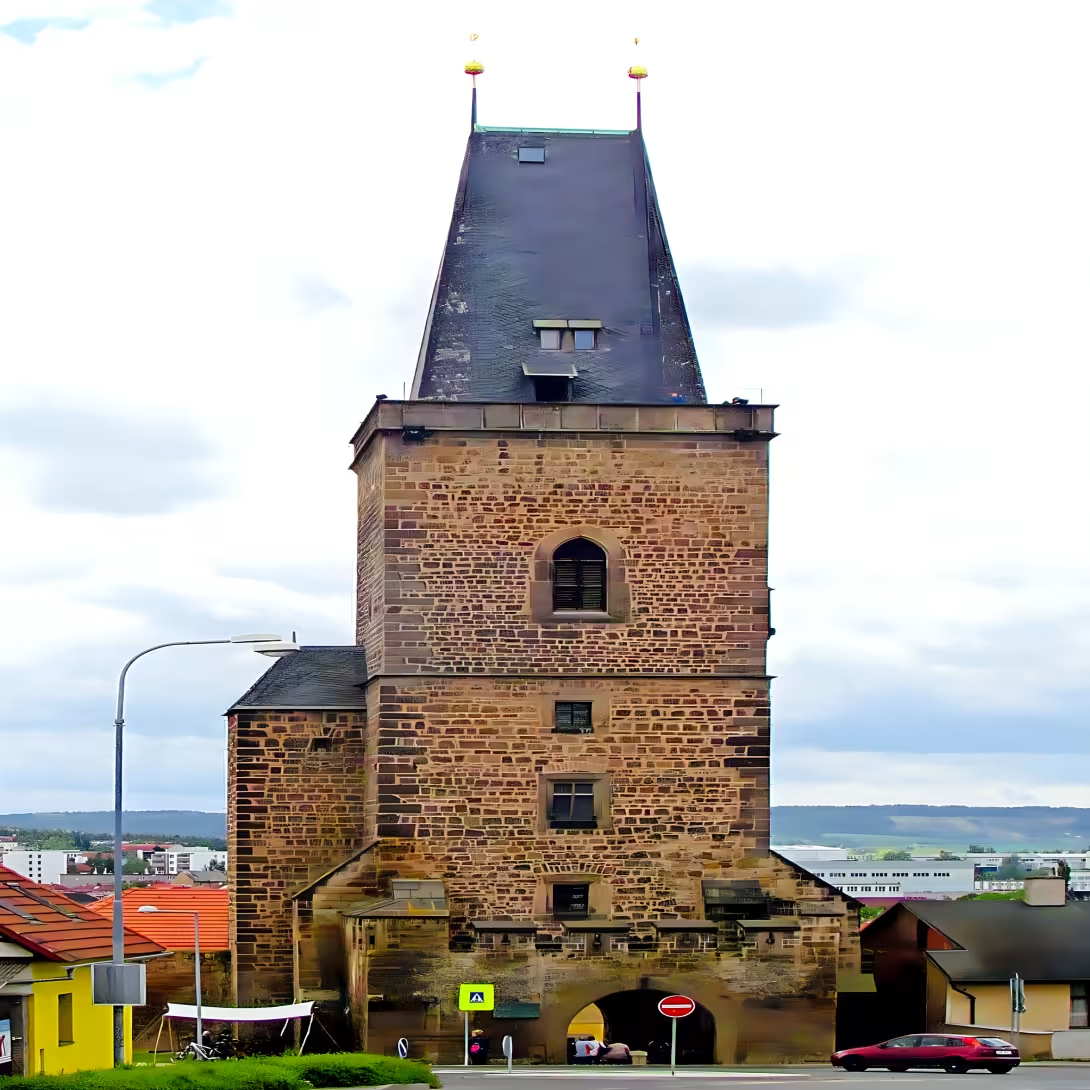
Vysoká brána stands as one of Rakovník's historical highlights, located in the northern part of the city’s historic center. Constructed between 1518 and 1523, this medieval gate was an integral component of the town's fortifications, designed to provide early warnings against potential threats. Today, it is recognized as a cultural monument managed by the T.G.M. Rakovník Museum, offering visitors both historical insights and scenic views.
The origin of Vysoká brána dates back to the early 16th century when Bohemia was part of the Holy Roman Empire under Habsburg rule. During this period, urban fortifications were being enhanced across Europe in preparation for potential conflicts. Rakovník's decision to construct new gates, including Vysoká brána, stemmed from a need to strengthen its defenses. Construction began in 1518 under Jan Chochola’s supervision, aiming to create a taller structure than other city gates for early enemy detection.
Architecturally, Vysoká brána is notable for its impressive height and intricate design elements. Standing at 31.3 meters, with an additional 14.7 meters from its slate-covered roof, it features a five-story interior divided into vaulted and truss ceilings across different levels. The gate's exterior showcases carvings of local guilds' coats of arms—such as those of bakers, butchers, and blacksmiths—reflecting the community’s pride in their trades. A distinctive feature is its roof adorned with iron rosettes, which were re-gilded in 1707 after damage.
Throughout its history, Vysoká brána has witnessed several significant events. In 1521, a scaffolding accident halted further heightening of the tower, leading to Pavel z Loun taking over as the main architect. The gate endured natural calamities; lightning struck it in 1646 causing fatalities and damage, while an earthquake in 1690 instilled such fear that a watchman fled from the tower. Despite these challenges, the structure has undergone various restorations, including significant work at the beginning of the 20th century.
Today, Vysoká brána is not only a testament to Rakovník's medieval past but also a functional cultural site. Managed by the T.G.M. Rakovník Museum, its interior spaces are utilized for exhibitions, while the surrounding ochoz offers visitors panoramic views of the city and nearby natural features like the Berounka River. The gate remains an important historical monument that attracts tourists interested in exploring the rich heritage of this region.
Visiting Vysoká brána provides a unique opportunity to delve into Rakovník's storied past while appreciating its architectural beauty. Its significance as both a defensive structure and cultural landmark makes it a must-see for anyone interested in history or architecture, offering insights into the city’s evolution over centuries.
Then and now
Drag the slider to compare how the landmark may have looked when it was built with the view today.
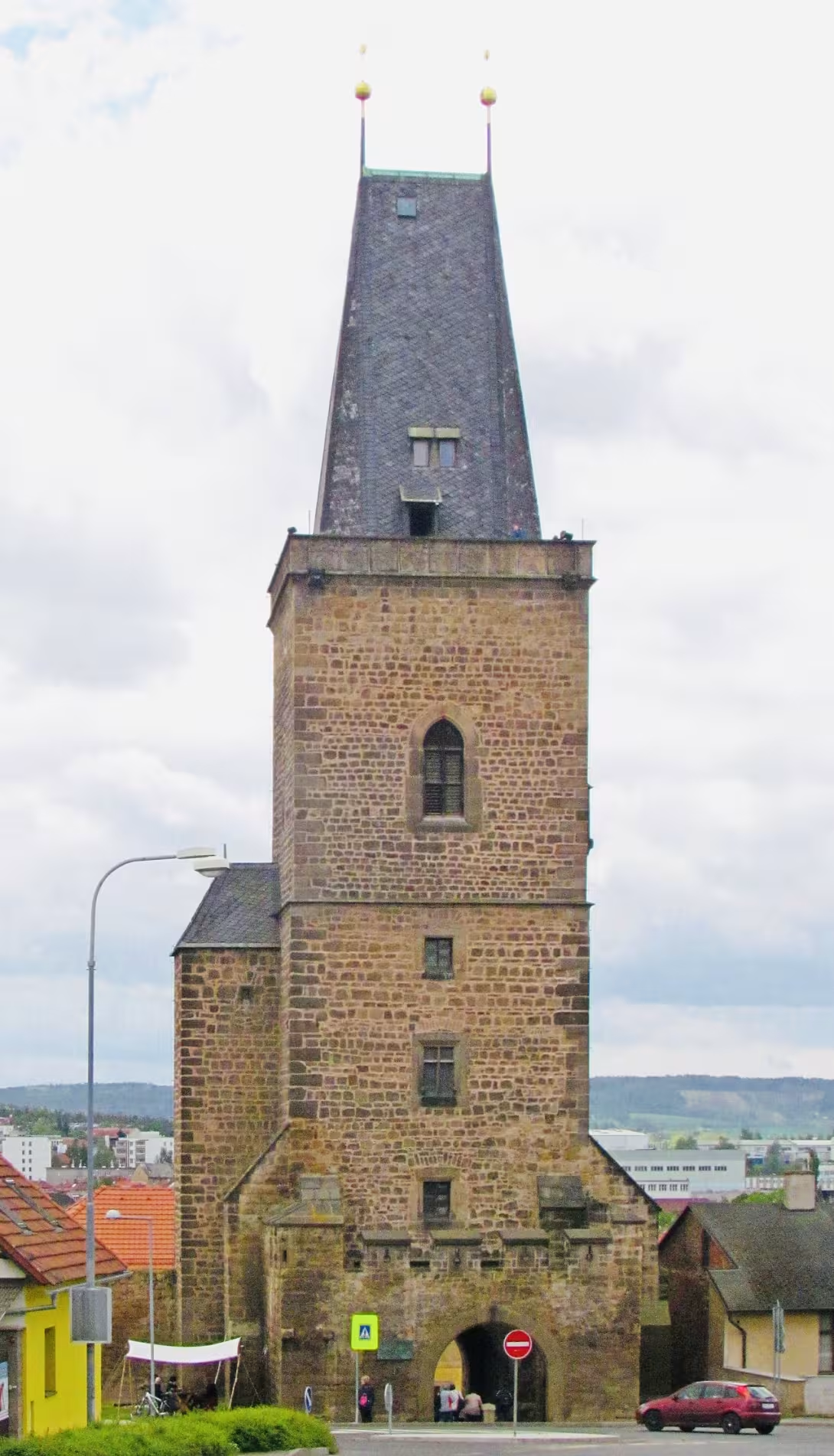
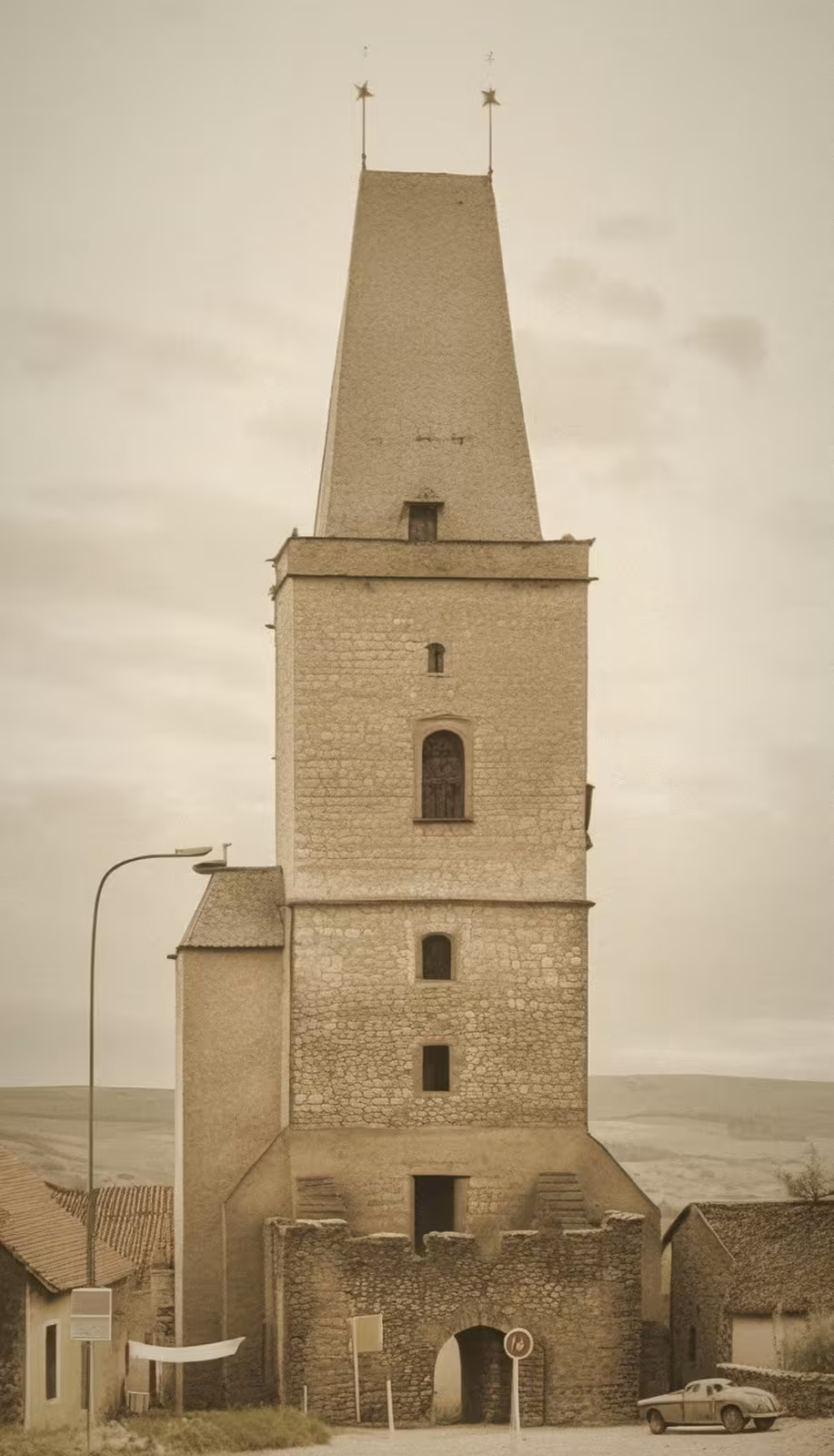
The historical appearance on the left is an AI-generated visualisation and serves as inspiration only.
Historical milestones
- 1518
- Construction began under Jan Chochola.
- 1521
- Scaffolding accident halted further heightening.
- 1646
- Lightning strike caused damage and fatalities.
- 1690
- Earthquake led to a watchman fleeing the tower.
Architectural development
The construction of Vysoká brána started in 1518 with Jan Chochola as the main architect. After a scaffolding accident in 1521, Pavel z Loun took over and completed the structure by 1523. The gate's roof was adorned with iron rosettes and covered with slate from Rabštejn. Over the centuries, it underwent several restorations, including significant work at the beginning of the 20th century.
Historical events
1518: Construction began under the supervision of Jan Chochola to enhance city defenses.
1521: A scaffolding accident halted further heightening of the gate's tower.
1646: Lightning struck the gate, causing damage and fatalities among its inhabitants.
1690: An earthquake caused significant fear, leading a watchman to flee from the tower.
Points of interest
– One lesser-known fact about Vysoká brána is that its construction was initially intended to make it the tallest gate in Rakovník for better surveillance of potential threats. However, a scaffolding accident in 1521 halted further heightening efforts, leaving it at its current stature.
– An intriguing legend associated with the gate involves a watchman who reportedly fled from the tower during an earthquake in 1690 due to fear, despite his duty to remain vigilant. This incident highlights the human element of historical events often overshadowed by architectural narratives.
– A curious detail about Vysoká brána is its roof adorned with iron rosettes that were re-gilded in 1707 after being damaged by lightning. These rosettes not only add to the gate's aesthetic appeal but also serve as a reminder of its resilience against natural calamities.
– The carvings on the exterior of Vysoká brána, featuring the coats of arms of local guilds like bakers, butchers, and blacksmiths, reflect more than just architectural artistry. They symbolize the community's pride in their trades during a time when such professions were vital to urban life.
– Despite its medieval origins, Vysoká brána has adapted over centuries to serve modern cultural purposes. Managed by the T.G.M. Rakovník Museum, it now hosts exhibitions within its historical walls, blending past and present for visitors exploring Rakovník's heritage.
Guide
This guide is narrated by a synthetic voice generated by artificial intelligence.
Show guide text
This text was created by artificial intelligence and has not been editorially reviewed. It may contain inaccuracies.
Welcome to Vysoká brána, a remarkable historical gate standing proudly in the northern part of Rakovník. As you stand here, take a moment to absorb its imposing presence, a testament to medieval architecture and history. The gate's towering structure reaches towards the sky, while intricate carvings catch your eye—these are the coats of arms of local guilds, each telling its own story from centuries past.
The construction of Vysoká brána began in 1518 under the guidance of Jan Chochola. It was a time when Rakovník sought to fortify itself against potential threats. The gate's design aimed to make it the tallest among the city gates, providing an early warning system for any approaching enemies. However, history took its course; in 1521, a scaffolding accident halted further heightening efforts, leaving Vysoká brána at its current stature.
As you look around, notice the distinctive roof adorned with iron rosettes—a detail that adds both beauty and historical intrigue to the structure. This gate is not just an architectural marvel but also a witness to significant events. In 1646, a lightning strike caused damage and tragically resulted in fatalities, marking one of many challenges it has faced over the centuries.
Architects like Pavel z Loun and Mistr Jakub z Městečka contributed to its design, ensuring that Vysoká brána would stand as a symbol of resilience and history. While specific historical figures tied to this site remain unknown, the stories embedded in its stones speak volumes about the past.
Now, let's delve into an intriguing aspect of Vysoká brána: its initial ambition. Originally intended to be the tallest gate for better surveillance, the accident that halted its construction adds a layer of mystery and what-ifs to its history. Imagine how different its story might have been had it reached its planned height.
As we conclude this brief journey through time at Vysoká brána, I invite you to continue exploring Rakovník's rich tapestry of history. There are many more stories waiting to be discovered, each as captivating as the last. Thank you for joining me today, and may your curiosity lead you to uncover even more hidden gems in this historic city.
Tips for visitors
The best time to visit Vysoká brána is during the late spring or early fall when the weather is pleasant, and you can enjoy the historic site without the crowds that often accompany peak tourist seasons like summer. The mild temperatures make it ideal for walking around the area and exploring nearby attractions. Additionally, visiting in these months allows you to experience the charming ambiance of Rakovník's medieval architecture with fewer tourists, offering a more intimate exploration.
Parking and transportation options are available near Vysoká brána. You can find parking spaces within the historic center of Rakovník, though it is advisable to arrive early as spots may fill up quickly due to limited availability in such a compact area. Public transport is also accessible; you can reach Rakovník using regional trains or buses. For specific routes and schedules, check local transportation websites or apps for the most current information.
When visiting Vysoká brána, consider bringing comfortable walking shoes as there are several areas to explore on foot within the historic center. A camera is recommended to capture the stunning architecture of the gate and its surroundings. Additionally, carrying a light jacket can be useful since weather conditions in central Bohemia can change quickly. Don't forget water and snacks if you plan to spend an extended time exploring.
For photography enthusiasts, Vysoká brána offers excellent spots for capturing its grandeur, especially during the golden hours of early morning or late afternoon when the light casts a warm glow on the stone structures. The view from outside looking towards the gate can provide a striking perspective against the backdrop of Rakovník's skyline. Additionally, photographing the area near the Berounka River can offer beautiful reflections and natural scenery.
Nearby attractions within 30 minutes include other medieval gates and fortifications that are part of Rakovník’s historical defenses. Exploring these sites provides a broader understanding of the city's past. For families with children, consider visiting local parks or interactive museums in the area to keep younger visitors engaged while still enjoying the historic atmosphere.
Frequently asked questions
Can the monument be visited?
Yes. We verified the opening hours or admission on the official website (1. 10. 2026); you will find them in the visitor information on this page. Please double-check with the operator before you travel.
What are the opening hours and admission?
Details verified on the official website (1. 10. 2026) are listed in the visitor information on this page. Official website: http://www.muzeumtgm.cz/vysoka-brana-rakovnik/
Where is the monument?
Location: Vysoká 148, Rakovník I, Rakovník, Středočeský kraj. The map on this page shows the exact spot.
Why is the monument protected?
It is listed in the Central List of Cultural Monuments of the Czech Republic as a cultural monument (register no. 19867/2-2706). It is protected as part of a larger listed ensemble.
Businesses nearby
Do you run a restaurant, accommodation, shop, museum, rental, wellness or other visitor service near this monument? Show yourself directly to the people heading to it — this is how they will see you in the app and on the web:
Nearby
Vysoká brána is situated within the historic center of Rakovník, surrounded by other medieval gates and fortifications. The area offers scenic views and is close to natural features like the Berounka River.
Accommodation nearby
Themed route
Thematic Walking Tour: Medieval Gates and Fortifications of Rakovník
1. Vysoká brána (High Gate) - Type: Historical Monument - Why Visit: The Vysoká brána is a stunning example of medieval architecture, serving as one of the main entrances to the historic center of Rakovník. Its robust structure and historical significance make it an essential starting point for exploring the town's rich past.
2. Other Medieval Gates - Type: Historical Sites - Why Visit: Just a short walk from Vysoká brána, you'll find other medieval gates that once protected Rakovník. These structures offer insight into the town's strategic importance and defensive history during the Middle Ages.
3. Scenic Views of Berounka River - Type: Natural Feature - Why Visit: As you explore the area, take a moment to enjoy the scenic views of the Berounka River. The river's proximity to Rakovník adds a picturesque element to your tour and highlights the natural beauty surrounding this historic town.
This walking tour provides an immersive experience into the medieval heritage of Rakovník, allowing visitors to appreciate its historical architecture and natural surroundings in close proximity.
Seasonal recommendations
Spring: Visiting Vyšehrad Gate during spring offers a unique experience as the surrounding landscape bursts into vibrant colors with blooming flowers and fresh greenery, creating an enchanting atmosphere. The soft light of early morning or late afternoon is particularly flattering for photography, capturing the intricate details of the gate in a natural setting. Spring can bring unpredictable weather, so it's advisable to wear layers that you can adjust as temperatures fluctuate throughout the day. While the crowds are generally manageable, visiting on weekdays rather than weekends can provide a more peaceful experience.
Summer: Summer is an ideal time to explore Vyšehrad Gate due to the long daylight hours and warm weather, making it perfect for leisurely strolls around the area. The lush greenery and vibrant flowers enhance the beauty of this historic site, providing a picturesque backdrop. However, summer also attracts more visitors, so arriving early in the morning can help avoid larger crowds. Comfortable walking shoes and light clothing are recommended to stay comfortable during the warmer months.
Autumn: Autumn transforms Vyšehrad Gate into a stunning spectacle with its rich tapestry of reds, oranges, and yellows as the leaves change color. The cooler temperatures make it an ideal time for extended exploration without the summer heat. As daylight begins to wane earlier in the day, planning your visit around sunset can provide breathtaking views against the backdrop of autumn skies. Layered clothing is essential to adapt to the changing weather, which can vary from crisp mornings to chilly evenings.
Winter: Winter offers a serene and magical atmosphere at Vyšehrad Gate, with snow-covered landscapes providing a unique charm. The cooler temperatures mean fewer visitors, allowing for a more intimate experience of this historic site. However, be prepared for shorter opening hours and potentially challenging weather conditions; wearing warm clothing and sturdy footwear is crucial to ensure comfort during your visit. Visiting in the late morning can help avoid any early closures due to inclement weather.
Visualizations and artistic views


The visualisations are generated by artificial intelligence and serve as inspiration.
Photos from the area
Real photos taken near the monument

Zdroj a licence jsou uvedeny u každého snímku.
Atmosphere of the place
This atmospheric visualisation of the place and period was generated by artificial intelligence. It is not real footage of the location.
Tips from visitors
No tips yet. Be the first!
Log in and add your tip.
Sources and literature
Photos: Milan Zahn / CC BY-SA 3.0, rozlišení zvýšeno umělou inteligencí — Wikimedia Commons. The author and licence also appear when you hover over the image.
Faktickým podkladem tohoto textu byl článek na Wikipedii, jehož autory jsou přispěvatelé Wikipedie. Článek je dostupný pod licencí CC BY-SA 4.0.
Location on the map
Příběhy a pověsti
Legendy, pověsti a příběhy spjaté s touto památkou

Fotografie návštěvníků
Zatím žádné fotografie. Buďte první, kdo přidá fotografii z návštěvy!
Log in a přidejte svou fotografii nebo hodnoťte.
Za ověřenou návštěvu v aplikaci získáte víc bodů — poznáme podle GPS, že jste na místě.
Reviews and comments