



Zalužany Castle
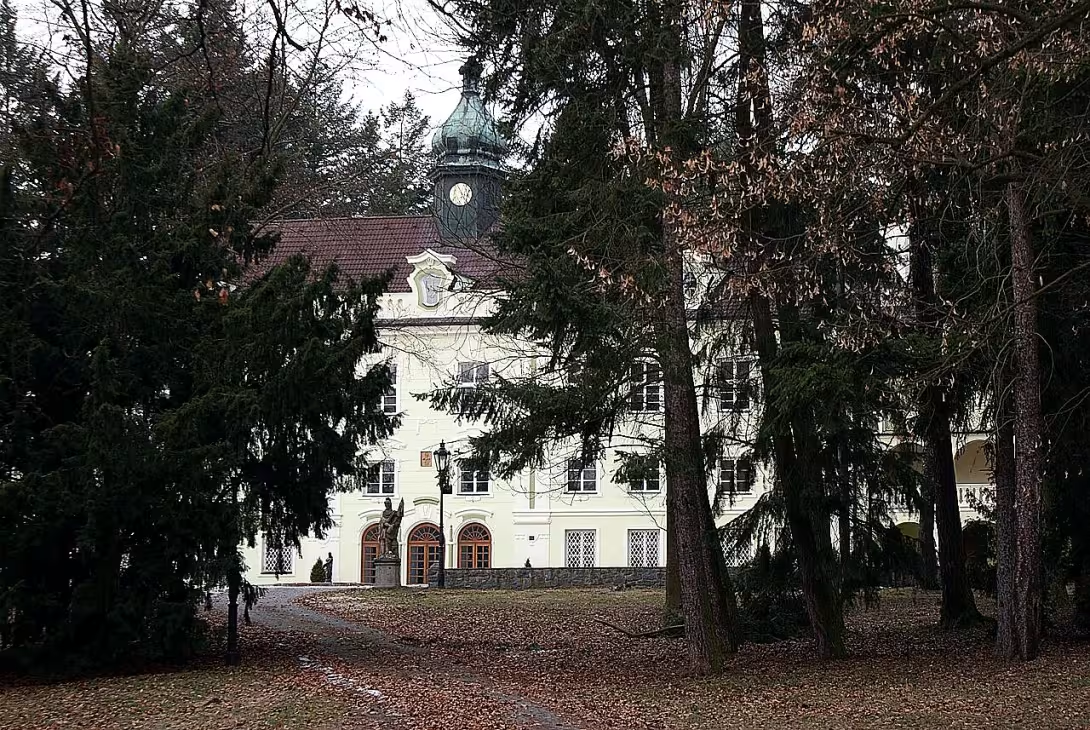
Zámek Zalužany, located in the village of the same name near the southern border of the Central Bohemian Region, is a historical monument that originated from a Gothic fortress. It evolved through Renaissance and Baroque styles over centuries. This castle reflects broader European architectural trends during its development. Situated within a municipality with about 300 inhabitants, Zalužany offers visitors insight into the region's rich history.
The origins of Zámek Zalužany trace back to a Slavic settlement established between the 8th and 10th centuries. By the 13th century, it was part of the royal Kamýk estate. Its first documented mention is in 1291 when King Wenceslaus II exchanged it with the Ostrov Monastery. In the 14th century, the village divided into two parts, marking a significant administrative change: one part fell under Orlík Castle and the other was owned by various noble families over time.
Architecturally, Zámek Zalužany began as a Gothic fortress in the 15th century. It underwent substantial transformations in the mid-17th century when it was rebuilt into a Renaissance castle, later incorporating Baroque elements. This evolution reflects changes in architectural trends and styles across several centuries, showcasing the adaptability and historical significance of the structure.
Ownership of Zámek Zalužany has seen notable transitions throughout its history. Initially part of the Kamýk estate, it passed through various noble families such as the Šternberkové, Deymové ze Stříteže, Kocové z Dobrše, and eventually the Schwarzenbergové in the 19th century. These changes highlight the castle's importance within regional nobility and its role in local governance.
Key events associated with Zámek Zalužany include a notable incident in the 16th century when Adam Loubský’s widow hid valuables at a local inn, which were later seized by Jan Černín z Chudenic. Such episodes underscore the castle's involvement in regional affairs and its strategic significance.
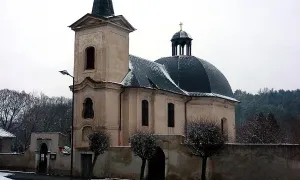
Today, Zámek Zalužany is accessible to visitors who can explore its historical center, where several exhibitions are housed within the castle. The site also features a protected Jewish cemetery and the pseudo-Gothic Church of Saint Charles Borromeo, adding layers to its cultural heritage. Visitors can appreciate not only the architectural evolution but also the rich history encapsulated in this monument.
Zámek Zalužany stands as a valuable historical site that offers insights into the architectural and social transformations over centuries. Its significance is enhanced by its location within the picturesque Benešov Uplands, making it an attractive destination for those interested in exploring Czech heritage. Visitors are invited to experience the blend of history and architecture at this remarkable monument.
Then and now
Drag the slider to compare how the landmark may have looked when it was built with the view today.
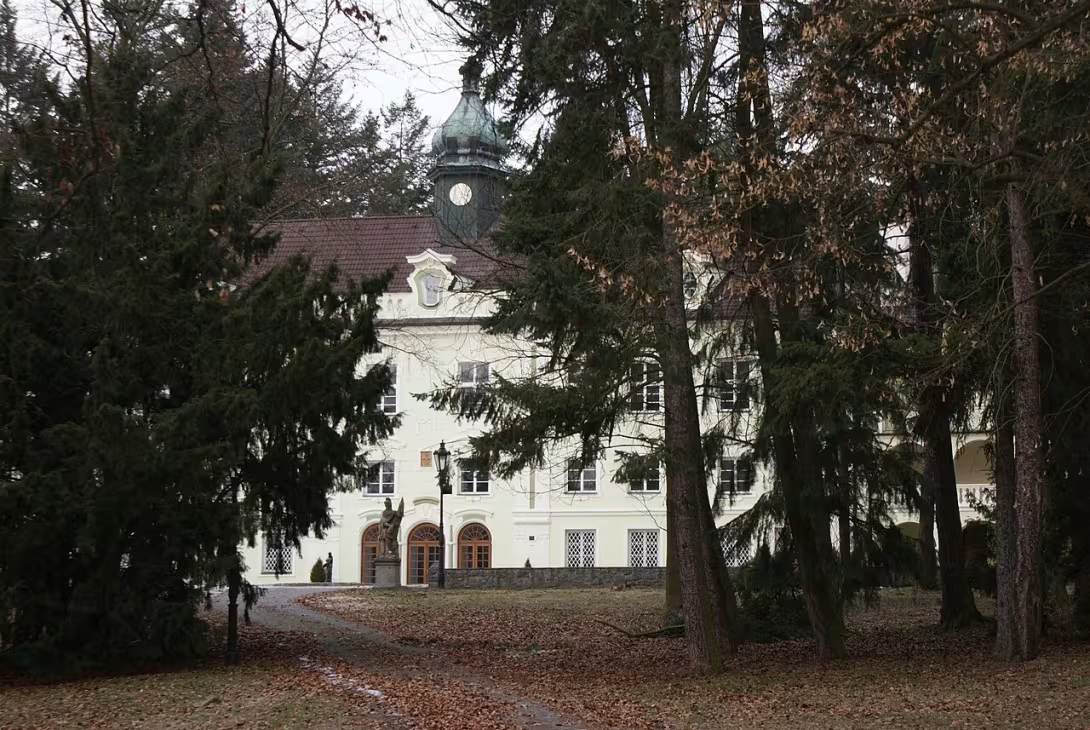
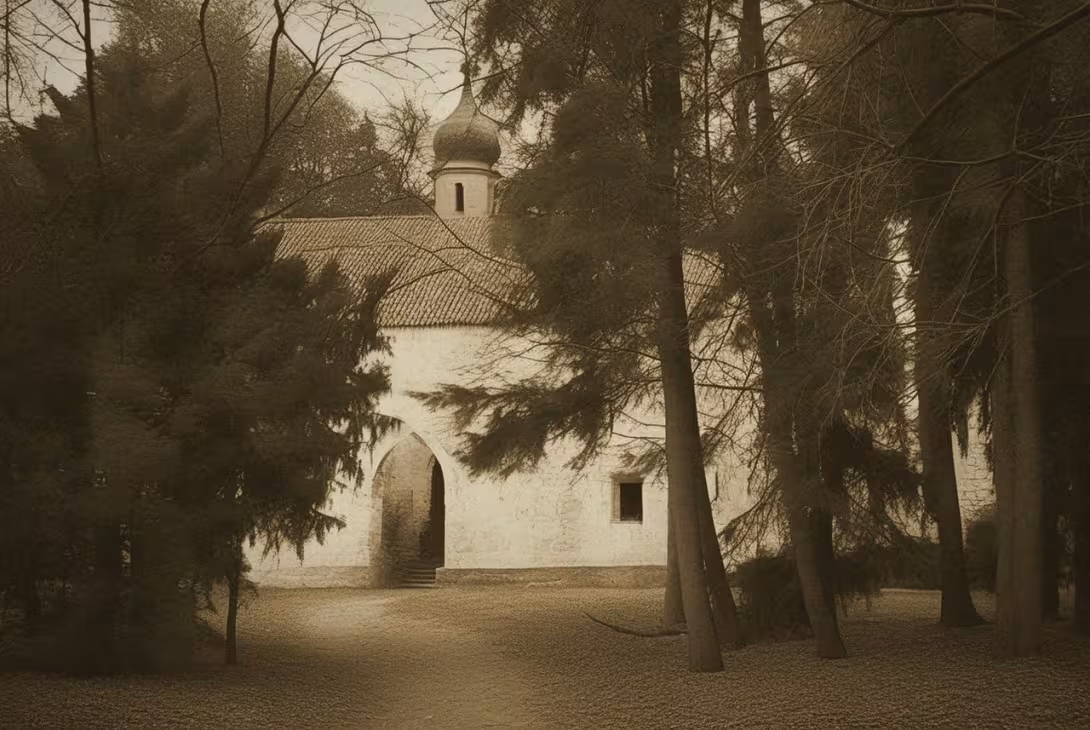
The historical appearance on the left is an AI-generated visualisation and serves as inspiration only.
Historical milestones
- 8th-10th century
- Establishment of a Slavic settlement
- 1291
- First documented mention, exchanged by King Wenceslaus II
- 13th century
- Part of the royal Kamýk estate
- 14th century
- Village divided into two parts under different ownerships
- 15th century
- Evolved from a Gothic fortress
- mid-17th century
- Rebuilt into a Renaissance castle with Baroque elements
Architectural development
Zámek Zalužany began as a Gothic fortress and underwent significant transformations into Renaissance and Baroque styles. The original structure was rebuilt, reflecting changes in architectural trends over several centuries.
Historical events
In the late 13th century, Zalužany was part of the Kamýk estate. King Wenceslaus II exchanged it with the Ostrov Monastery in 1291.
The Schwarzenbergs owned the castle in the 19th century.
Owners
Šternberkové
Deymové ze Stříteže
Kocové z Dobrše
Schwarzenbergové
Points of interest
- The castle's transformation from a Gothic fortress to incorporating Baroque elements reflects the broader European architectural evolution and adaptability over centuries, showcasing how local structures mirrored continental trends.
- In the 16th century, an intriguing episode involved Adam Loubský’s widow hiding valuables at a nearby inn, which were later seized by Jan Černín z Chudenic. This incident highlights the castle's strategic importance in regional power dynamics and its role in historical intrigues.
- Zámek Zalužany is home to a pseudo-Gothic Church of Saint Charles Borromeo, adding an architectural curiosity as it contrasts with the main styles of the castle itself, illustrating eclectic influences on local religious architecture.
- The protected Jewish cemetery at Zámek Zalužany adds a layer of cultural and historical depth, offering insights into the diverse communities that have existed in the area over the centuries.
- Despite its small surrounding municipality with about 300 inhabitants, Zámek Zalužany stands as a significant site within the picturesque Benešov Uplands, drawing visitors interested in exploring lesser-known aspects of Czech heritage and history.
Guide
This guide is narrated by a synthetic voice generated by artificial intelligence.
Show guide text
This text was created by artificial intelligence and has not been editorially reviewed. It may contain inaccuracies.
Zalužany is a castle in the same-named village near the southern border of the Central Bohemian region, in the Příbram district. It was created through the conversion of an originally Gothic fortress, first in the Renaissance style and later in the Baroque style. The castle complex is protected as a cultural monument.
By the end of the thirteenth century, Zalužany belonged to the estate of Kamýk castle. King Václav the Second exchanged it in the year 1291 with the Ostrov monastery, but Jan of Luxembourg later reclaimed the village. At the beginning of the fifteenth century, the village was divided. One part belonged to the estate of Orlík castle, the other was an independent noble property. Between the years 1418 and 1456, it was held by Jan Šic of Drahnice and his residence was the Gothic fortress itself.
In the year 1491, Mikuláš Ježovský of Lub purchased the fortress with the manor and part of the village. After the death of his son Jan, his uncles Vilém and Vladislav Loubský of Lub took over the estate. However, even before that, Kateřina of Řepnice came to the fortress and took away from there four cannons, tools, grain, livestock and fish. The Loubskýs sued her over this. Vilém had Zalužany registered in the renewed land records in the year 1543, and this very entry brings the first explicit mention of the fortress.
His son Adam purchased the Orlík part of the village between the years 1573 and 1576, so Zalužany were whole again. He offered his brother Kryštof money for his share, as well as housing at the fortress and meals. During the sixteenth century, the old fortress was converted in the Renaissance style.
Jan Loubský participated in the Estates' Revolt between the years 1618 and 1620, and in the year 1623 was sentenced to the loss of half his property. Zalužany was then purchased by Marie Maxmiliana of Šternberk. However, she never paid the full purchase price and even in the year 1685 the royal chamber was demanding it from her heir Václav Vojtěch of Šternberk. The debt including interest exceeded one hundred thousand Meissen groschen. Václav Vojtěch refused to pay, and the estate therefore passed to Karel Arnošt of Pisinek. In the year 1697, however, it was returned to the Šternberks as compensation for their claims against the chamber.
Due to large debts, the estate was sold in the year 1714 to Jan Deyma of Střítež. Later owners included the Kocové of Dobrše and in the nineteenth century the Schwarzenbergs.
Tips for visitors
The best time to visit Zalužany Castle is during late spring or early autumn, when the weather is mild and pleasant for exploring the grounds. These seasons offer beautiful natural scenery with blooming flowers in spring and vibrant foliage in autumn. Additionally, visiting outside of peak summer months can mean fewer crowds, allowing for a more relaxed experience while enjoying the castle's historical ambiance.
When visiting Zalužany Castle, consider bringing comfortable walking shoes as exploring the grounds can involve some walking on uneven surfaces. A hat and sunscreen are recommended due to outdoor exposure, especially during sunny days. Additionally, carrying a camera or smartphone is ideal for capturing the picturesque landscape and architectural details of the castle.
For photography enthusiasts, the best spots around Zalužany Castle include areas where you can capture its Gothic architecture against the backdrop of the surrounding countryside. Early morning or late afternoon light provides the most flattering conditions for photographs, casting soft shadows that highlight the castle's features. Exploring different angles and perspectives will help in capturing unique shots.
Nearby attractions within a 30-minute drive include other historical sites in the Central Bohemian Region. These offer additional opportunities to explore local history and culture. For families with children, these nearby locations can provide educational experiences and interactive activities that complement their visit to Zalužany Castle.
Frequently asked questions
Can the monument be visited?
Some buildings of this kind are open for guided tours, others serve another purpose or are privately owned. We have not verified whether and when this monument is open – please ask the operator.
What are the opening hours and admission?
We have not verified the opening hours or admission. Current information is published by the operator. Official website: https://www.zamekzaluzany.cz/
Where is the monument?
Location: č.p. 1, Zalužany, Středočeský kraj. The map on this page shows the exact spot.
Why is the monument protected?
It is listed in the Central List of Cultural Monuments of the Czech Republic as a cultural monument (register no. 24492/2-2609).
Businesses nearby
Do you run a restaurant, accommodation, shop, museum, rental, wellness or other visitor service near this monument? Show yourself directly to the people heading to it — this is how they will see you in the app and on the web:
Events nearby
Zdroj akcí: otevřená data měst a obcí ČR (Národní katalog otevřených dat) a kalendář akcí Národního památkového ústavu.
Nearby
The castle is situated near the village of Zalužany and lies close to other historical sites within the Central Bohemian Region. The surrounding landscape includes typical Czech countryside features.
Accommodation nearby
Themed route
Tematická výletní trasa Zalužany
1. Zámek Zalužany
Typ: Historický zámek
Proč stojí za návštěvu: Tento barokní zámek je centrem historie a kultury obce Zalužany, nabízející pohled na architektonickou krásu 18. století. Je to ideální místo pro ty, kteří se zajímají o dějiny a historii Českého středohoří.
2. Kaple svaté Anny
Typ: Kaple
Proč stojí za návštěvu: Tato kaple je umístěna v blízkosti zámku a nabízí klidný útočiště pro ty, kteří hledají místo na modlitbu nebo relaxaci. Je to krásné místo s historickou hodnotou, které přináší pocit poklidu.
3. Zámekový park
Typ: Park
Proč stojí za návštěvu: Zámekový park je ideální pro procházky a relaxaci v přírodě, nabízející krásné zelené prostory s pevnostními oblouky a starobylými stromy. Je to skvělá příležitost prozkoumat klidnou část českého venkova.
4. Historické nádvoří zámku
Typ: Nádvoří
Proč stojí za návštěvu: Historické nádvoří poskytuje pohled na architektonickou strukturu a historii zámku. Je to výjimečné místo pro pochopení života a dějin, které se odehrály v tomto regionu.
5. Věž zámku
Typ: Věž
Proč stojí za návštěvu: Věž nabízí pohled na okolní krajinu a je důležitou součástí historického komplexu. Je to ideální místo pro ty, kteří chtějí získat nový pohled na oblast Zalužany a její historii.
Tato trasa nabízí kombinaci kulturních a přírodních zážitků v okolí zámku Zalužany, což činí každý krok cestou poutavým.
Seasonal recommendations
Spring: Visiting Zalužany Castle during spring offers a breathtaking display of nature as the surrounding landscape bursts into vibrant colors with blooming flowers and lush greenery. The gentle light of longer days enhances the beauty of the castle grounds, creating an enchanting atmosphere that is perfect for leisurely exploration. Springtime can bring unpredictable weather, so it's advisable to dress in layers to accommodate temperature fluctuations. While the crowds are generally manageable, arriving early can provide a more peaceful experience before the day fully warms up.
Summer: Summer at Zalužany Castle is marked by long daylight hours and warm temperatures, making it ideal for outdoor activities such as picnicking or walking through the scenic grounds. The castle's architecture takes on a different character under the bright summer sun, casting dramatic shadows that add to its historical allure. This period often sees increased visitor numbers due to school holidays and popular vacation times. To avoid the largest crowds, consider visiting in the early morning or late afternoon. Comfortable walking shoes and light clothing are recommended, along with sunscreen and a hat for protection against the sun.
Autumn: Autumn transforms Zalužany Castle into a picturesque setting with its rich tapestry of reds, oranges, and yellows as the leaves change color. The cooler temperatures offer a more comfortable environment for exploring the castle's many features without the summer heat. This season is particularly magical due to the softer light and tranquil atmosphere, making it an excellent time for photography enthusiasts. As visitor numbers begin to decrease towards the end of autumn, it becomes easier to enjoy the site at a leisurely pace. Dressing in layers is wise to adapt to the cooler temperatures, and carrying a light jacket or sweater can enhance your comfort.
Winter: The winter season brings a unique charm to Zalužany Castle with its serene snow-covered landscape and shorter days that provide a cozy ambiance for visitors. While some areas of the castle may be closed due to weather conditions, the opportunity to see it enveloped in a blanket of snow adds a magical touch to your visit. Winter can be less crowded than other seasons, offering a more intimate experience with fewer distractions from large groups. It's essential to dress warmly in layers and wear waterproof footwear to navigate potentially icy paths comfortably. Planning your visit during daylight hours is advisable due to the shorter days, ensuring you make the most of your time at this historic site.
Visualizations and artistic views


The visualisations are generated by artificial intelligence and serve as inspiration.
Photos from the area
Real photos taken near the monument


Zdroj a licence jsou uvedeny u každého snímku.
Tips from visitors
No tips yet. Be the first!
Log in and add your tip.
Sources and literature
Photos: Feťour / Public domain — Wikimedia Commons. The author and licence also appear when you hover over the image.
Faktickým podkladem tohoto textu byl článek na Wikipedii, jehož autory jsou přispěvatelé Wikipedie. Článek je dostupný pod licencí CC BY-SA 4.0.
Location on the map





Příběhy a pověsti
Legendy, pověsti a příběhy spjaté s touto památkou
Fotografie návštěvníků
Zatím žádné fotografie. Buďte první, kdo přidá fotografii z návštěvy!
Log in a přidejte svou fotografii nebo hodnoťte.
Za ověřenou návštěvu v aplikaci získáte víc bodů — poznáme podle GPS, že jste na místě.
Reviews and comments