






Zámek Bílovice Chateau
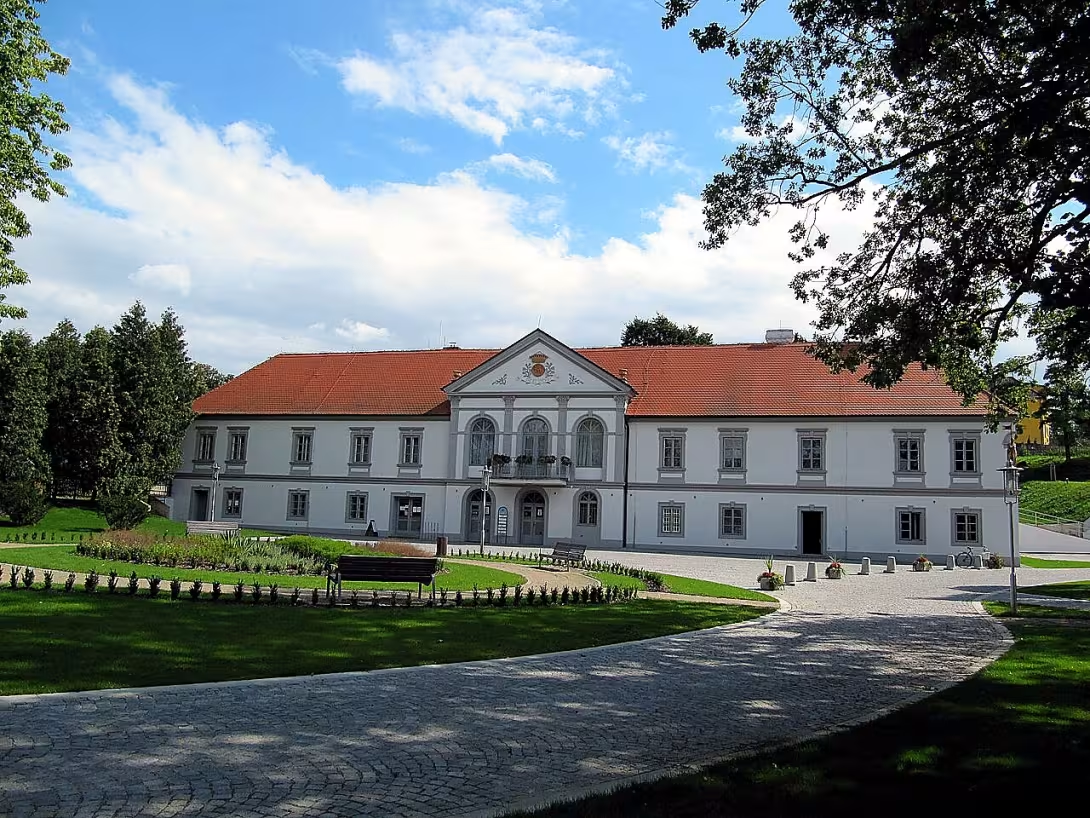
Zámek Bílovice is a classicist-style chateau located in the village of Bílovice, about 7 km northeast of Uherské Hradiště. This historical monument serves as both a cultural landmark and the local municipal office. The site has been protected since December 1968 due to its significance, which includes an English park that adds to its charm. Originally built on the location of an earlier fortress mentioned in 1592, Zámek Bílovice became a notable cultural and social center under the ownership of the Logothetti family.
The origins of Zámek Bílovice trace back to the late 18th century when it was likely constructed by Ignáce Kajetán Beviera von Freiried, who held the biskupský lenní statek Bílovice at that time. Historical records from František Josef Schwoye's "Topographie vom Markgrafthum Mähren" (1793) mention a chateau on this site, suggesting its construction during this period. Another figure associated with its early development is Ferdinand hrabě Laurencin d’Armond, who owned the estate from 1809 to 1831 and contributed to its architectural form.
Architecturally, Zámek Bílovice features a classicist style characterized by a three-winged structure with a hipped roof. The entrance façade is highlighted by a risalit topped with a tympanum displaying the Logothetti family crest. The building's design includes rectangular windows with lintels, and the ground floor is distinguished from the upper level by a cornice. Inside, both rooms and corridors are flat-roofed, maintaining simplicity in its interior design. The chateau is surrounded by a protected English park, enhancing its historical ambiance.
Ownership of Zámek Bílovice transitioned significantly over the centuries. After Ignáce Kajetán Beviera von Freiried and Ferdinand hrabě Laurencin d’Armond, it came under the stewardship of the Logothetti family in 1831. The Logothettis were instrumental in expanding the chateau's cultural influence; for instance, Hugo I. Logothetti hosted the renowned painter Josef Mánes at the chateau in 1854. Under their guidance, a western wing with a ballroom was added, and later renovations included facade restorations and updates to the entrance tympanum by Hugo II. Logothetti.
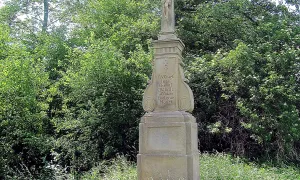
Several key events have marked Zámek Bílovice's history. The confiscation of the chateau after World War II led to its transfer into municipal ownership in 1947 due to Frieda Barbara, the widow of Hugo II. Logothetti and a German national, being dispossessed. Additionally, the chateau once housed an extensive library, part of which was stolen around 1948. A statue of Saint Wenceslas adorns the northwest corner, adding to its historical allure.
Today, Zámek Bílovice functions as the local municipal office, reflecting its adaptation to contemporary needs while preserving its historical essence. The chateau underwent significant restoration between 2005 and 2006, ensuring that it continues to serve both administrative purposes and cultural interests for the community. Visitors can explore this monument not only for its architectural beauty but also for its rich history as a social and cultural hub.
Zámek Bílovice stands as a testament to the region's historical evolution and cultural heritage. Its preservation allows visitors to appreciate the classicist architecture and the stories embedded within its walls. Whether you are drawn by its historical significance or its role in local governance, Zámek Bílovice offers a unique glimpse into the past while remaining an integral part of present-day community life.
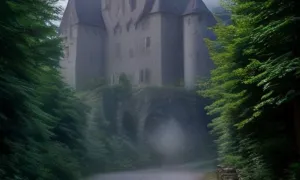
Then and now
Drag the slider to compare how the landmark may have looked when it was built with the view today.
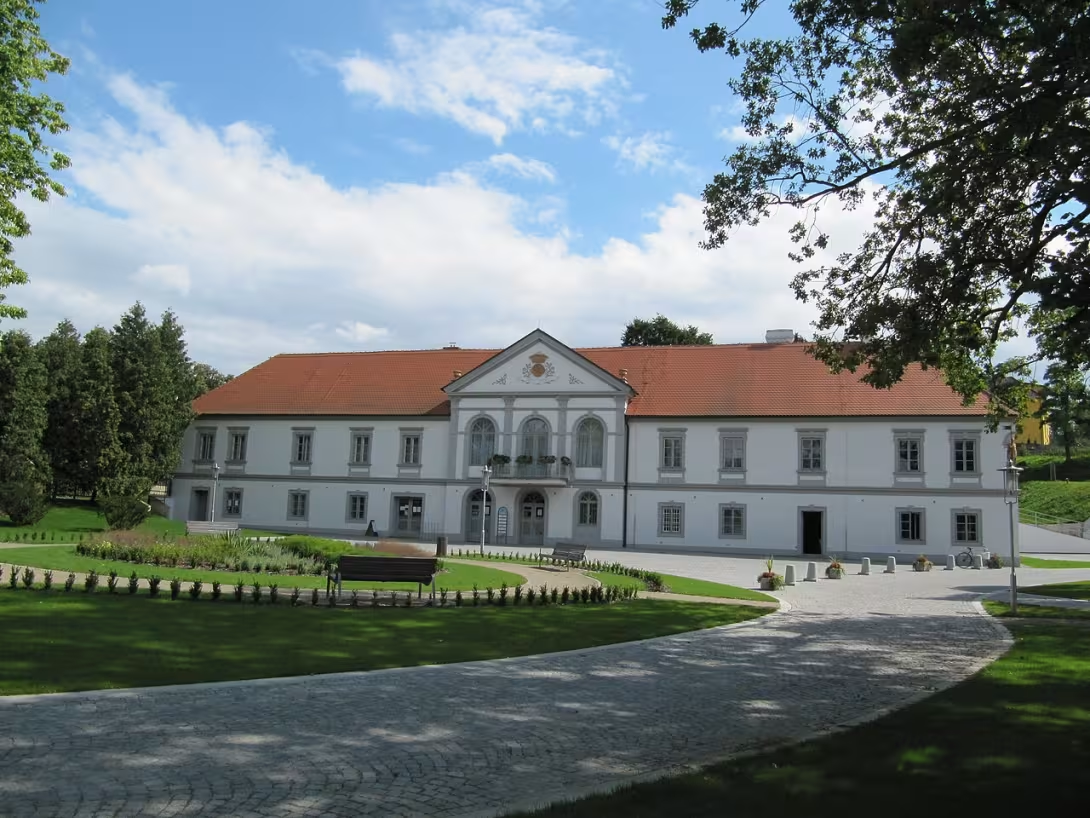
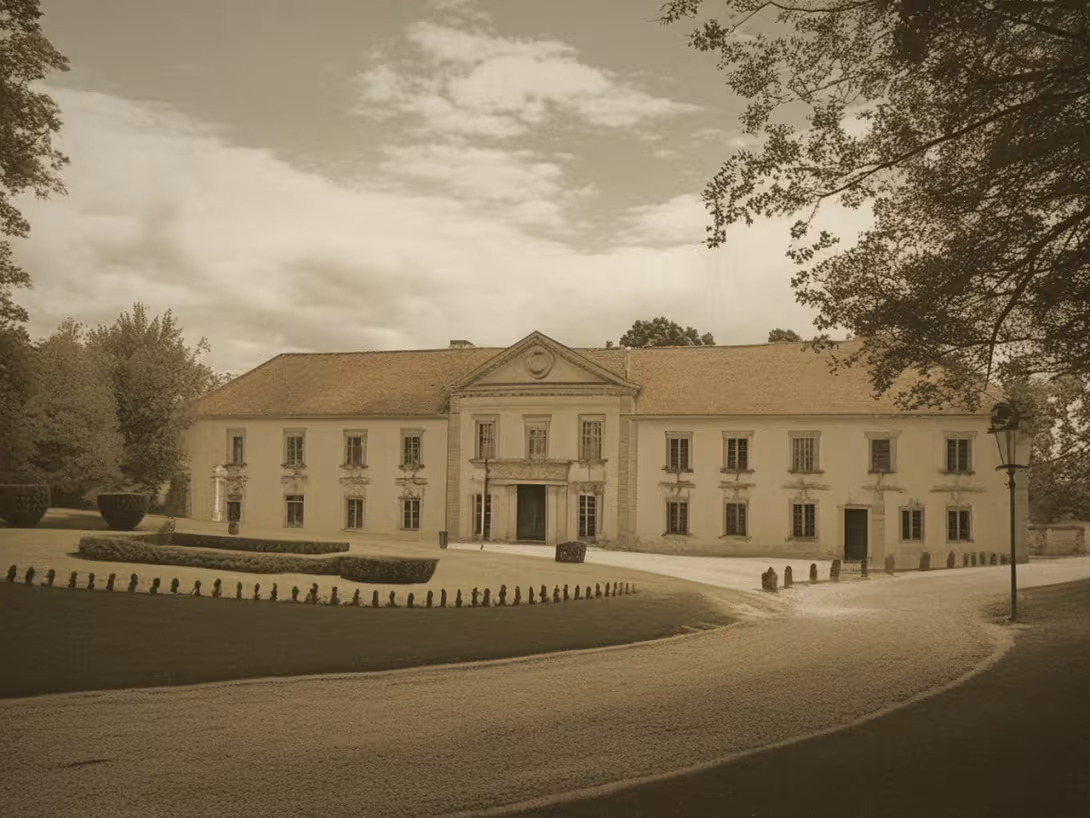
The historical appearance on the left is an AI-generated visualisation and serves as inspiration only.
Historical milestones
- 1592
- First mention of a fortress on the site.
- 1793
- Mention of the chateau in František Josef Schwoye's work.
- 1854
- Hugo I. Logothetti hosted painter Josef Mánes at the chateau.
Architectural development
The current structure of Zámek Bílovice dates back to the late 18th century, with significant contributions from Ignáce Kajetán Beviera von Freiried and Ferdinand hrabě Laurencin d’Armond. The Logothetti family expanded it in the mid-19th century by adding a western wing with a ballroom. Early 20th-century renovations included facade restoration and replacement of the entrance tympanum's clock with the family crest.
Historical events
In 1854, Hugo I. Logothetti hosted painter Josef Mánes at the chateau.
The chateau was confiscated and transferred to municipal ownership in 1947 after World War II.
Owners
Ignáce Kajetán Beviera von Freiried (late 18th century)
Ferdinand hrabě Laurencin d’Armond (1809–1831)
Logothetti family (from 1831 onwards)
Points of interest
- The chateau's origins trace back to a fortress mentioned as early as 1592, indicating its long-standing significance in the region before evolving into the classicist-style Zámek Bílovice.
- Despite its architectural elegance, Zámek Bílovice once housed an extensive library, part of which was stolen around 1948, reflecting both its cultural richness and vulnerability during tumultuous times.
- The chateau’s transition to municipal ownership in 1947 followed the confiscation due to Frieda Barbara Logothetti's status as a German national after World War II, marking a significant shift in its history.
- In 1854, renowned painter Josef Mánes was hosted by Hugo I. Logothetti at Zámek Bílovice, highlighting the chateau’s role as a cultural hub and connection to notable figures of the time.
- A statue of Saint Wenceslas stands in the northwest corner of the chateau, adding historical allure and reflecting its rich heritage intertwined with Czech culture and legends.
Guide
This guide is narrated by a synthetic voice generated by artificial intelligence.
Show guide text
This text was created by artificial intelligence and has not been editorially reviewed. It may contain inaccuracies.
Welcome to the enchanting Zámek Bílovice, a jewel nestled in the village of Bílovice, just a short journey northeast from Uherské Hradiště. As you stand before this classicist-style chateau, take a moment to absorb its grandeur and the serene beauty of the surrounding English park that stretches out like an inviting green carpet.
The story of Zámek Bílovice begins in 1592 with the mention of a fortress on this very site. Over time, it transformed into the architectural masterpiece you see today. By 1793, its significance was acknowledged in František Josef Schwoye's works, marking an era where culture and history intertwined within these walls.
As we delve deeper into its architecture, crafted by Ignáce Kajetána Beviera von Freiried and Ferdinand hrabě Laurencin d’Armond, notice the elegance of its design. The chateau stands as a testament to the classicist style, inviting you to explore every corner with wonder.
This place has been home to many fascinating stories and figures. In 1854, Hugo I. Logothetti welcomed the renowned painter Josef Mánes here, adding another layer to the chateau's rich tapestry of history. The legacy continued through generations, notably by Vladimír Emanuel hrabě Logothetti and Hugo II. Logothetti.
A captivating detail about Zámek Bílovice is its once extensive library—a treasure trove of knowledge that was part of this cultural hub. Imagine the stories those books could tell if they could speak!
As our journey through time comes to a close, I invite you to continue exploring Zámek Bílovice at your own pace. Let each step be an opportunity to connect with its history and beauty.
Thank you for joining me on this audio guide. May your visit leave you inspired and eager to discover more of what the world has to offer. Farewell, until we meet again in another corner of history.
Tips for visitors
The best time to visit Zámek Bílovice is during the late spring or early autumn months. During these periods, the surrounding English park is lush and vibrant, offering a picturesque setting for your visit. Additionally, visiting outside of peak summer months can provide a more tranquil experience with fewer crowds. The mild weather conditions are also ideal for exploring both indoors and outdoors.
Parking at Zámek Bílovice is convenient as there are designated parking areas nearby. For those preferring public transport, the chateau is accessible by bus from Uherské Hradiště. It's recommended to check current transportation options in advance through a travel planner or local transit website for the most efficient route.
When planning your visit, it’s advisable to bring comfortable walking shoes as you’ll likely want to explore both the chateau grounds and the surrounding park. A camera is also essential if you wish to capture the stunning architecture and natural beauty of the area. Don’t forget a hat or sunscreen for protection against the sun during outdoor exploration.
For photography enthusiasts, some of the best spots include the chateau’s facade and gardens, especially during golden hour when the light is soft and warm. The English park offers various vantage points that provide beautiful backdrops for photos. Early morning or late afternoon visits are recommended to take advantage of optimal lighting conditions.
Nearby attractions within a 30-minute drive from Zámek Bílovice include the picturesque village of Bílovice itself, which has charming local architecture and quaint streets worth exploring. Additionally, visitors can enjoy nature trails in the surrounding areas that offer scenic views and opportunities for leisurely walks or cycling.
Businesses nearby
Do you run a restaurant, accommodation, shop, museum, rental, wellness or other visitor service near this monument? Show yourself directly to the people heading to it — this is how they will see you in the app and on the web:
Nearby
Zámek Bílovice is surrounded by a protected English park and lies near Uherské Hradiště. The area features natural landscapes typical of the Zlín Region.
Accommodation nearby
Trips and activities nearby
Guided tours, tickets and activities nearby from GetYourGuide
Affiliate link: if you buy from the partner, we may receive a commission. The price for you does not change.
Search tours and activities →Themed route
Tematická výletní trasa zámek Bílovice
1. Zámek Bílovice (zámek) Začněte svou cestu představením samotného Zámku Bílovice, který je krásným příkladem architektury s bohatou historií. Jeho původní stavby pocházejí z 16. století a během let prošly několika rekonstrukcemi. Zámek stojí za návštěvu nejen svým architektonickým vzhledem, ale také bohatou historií rodiny z Bílovic.
2. Chráněný anglický park (park) Pokračujte procházkou skrz chráněný anglický park, který je součástí zámku a nabízí klidné chvíle v přírodě. Park je známý svými rozmanitými stromy a pečlivě upravenými kvetoucími sadami. Je to ideální místo pro relaxaci a užívání si krásy zahradní architektury.
3. Nádvoří Zámku Bílovice (nádvoří) Navštivte nádvoří zámku, které je centrem historických budov a sloužilo jako důležitý prostor pro různé události. Nádvoří nabízí pohled na klasicistní fasády a vynikající příležitost k pochopení architektonických detailů zámku.
4. Věž Zámku Bílovice (věž) Po prohlídce nádvoří se vyšplhávejte na věž, která nabízí jedinečný pohled na okolní krajinu. Věž je nejen technickou památkou, ale také poskytuje historický kontext a nádherné zvuky, když se vzdálíte od hluku.
5. Expozice Zámku Bílovice (exponát) Konečně si prohlédněte expozici zámku, která přináší historické nářadí a informace o rodině z Bílovic. Expozice je ideálním způsobem, jak lépe pochopit historii a význam tohoto místa.
Tato trasa nabídne cestovatelům komplexní pohled na Zámek Bílovice a jeho okolí, kombinující architektonickou krásu s přírodním klidem.
Seasonal recommendations
Jaro: Zámek Bílovice in the spring offers a unique view of blooming gardens and beautiful sunlight that highlights the beauty of historical architectural elements. This is an ideal time for photography when nature dresses in vibrant colors, and the chateau shines with its splendor. Visit in the morning or late afternoon to avoid midday crowds. Wear comfortable walking shoes for the blooming grass and bring a parasol or sunglasses for sun protection.
Léto: During summer, Zámek Bílovice is a popular spot for afternoon strolls as a peaceful atmosphere spreads throughout the park and surrounding area. This is the best time to explore the chateau and its surroundings since the grass is lush and trees provide shelter from the sun. Visitors are advised to arrive early in the morning or later in the evening to avoid midday heat and crowds. Don't forget warm clothing, sunscreen, and plenty of drinking water.
Podzim: In autumn months, Zámek Bílovice offers views full of colors ranging from yellow leaves to reds and oranges. The atmosphere is calm and quiet, creating ideal conditions for relaxation and a reflective moment in the beautiful chateau. Wear a warm sweater or jacket for protection against sudden chilly weather changes. Visitors are advised to arrive early in the morning to enjoy the sunlight and mild temperatures.
Zima: Winter Zámek Bílovice is surrounded by snow, offering a unique atmosphere of peace and quiet. The historical architecture appears even more magnificent when illuminated by icy lights or sunshine. Visitors should come dressed warmly with appropriate footwear for snowy conditions, as opening hours may be shorter due to winter weather. The best time to visit is in the early afternoon when the snow is lit up and attracts beautiful lighting effects.
Visualizations and artistic views


The visualisations are generated by artificial intelligence and serve as inspiration.
Photos from the area
Real photos taken near the monument


Zdroj a licence jsou uvedeny u každého snímku.
Tips from visitors
No tips yet. Be the first!
Log in and add your tip.
Sources and literature
Fotografie: palickap / CC BY 3.0 — Wikimedia Commons. The author and licence also appear when you hover over the image.
Faktickým podkladem tohoto textu byl článek na Wikipedii, jehož autory jsou přispěvatelé Wikipedie. Článek je dostupný pod licencí CC BY-SA 4.0.
Location on the map
Příběhy a pověsti
Legendy, pověsti a příběhy spjaté s touto památkou
Fotografie návštěvníků
Zatím žádné fotografie. Buďte první, kdo přidá fotografii z návštěvy!
Přihlaste se a přidejte svou fotografii nebo hodnoťte.
Za ověřenou návštěvu v aplikaci získáte víc bodů — poznáme podle GPS, že jste na místě.
Reviews and comments