



zámek Biskupice Chateau
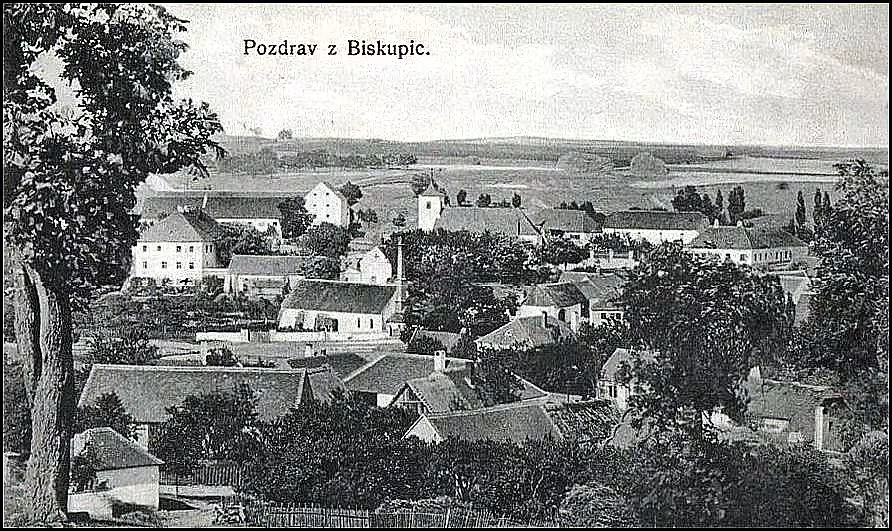
Objekt se nedochoval — na místě dnes nestojí. Následující text popisuje jeho historii, ne současnou návštěvu.
Castle Biskupice stands as a historical testament in the village of Biskupice within the Třebíč region. Despite its eventual demolition, it is notable for its intriguing past. Originally constructed after the pivotal Battle of White Mountain in 1620, this manorial estate reflects significant shifts in ownership and architectural styles over centuries. Although not architecturally distinguished, Castle Biskupice holds historical significance due to its association with various noble families and its transformation during the neo-Gothic period.
The origins trace back to a post-Battle of White Mountain era when Šimon Kratzer ze Schönsperku or another contemporary owner likely initiated its construction. This period marked a significant transition in Bohemian history, with Habsburg dominance reshaping the region's political landscape. The castle emerged as part of this broader historical context, serving as a manorial estate amidst transformative times.
Architecturally, Castle Biskupice was initially an oblong structure featuring a distinctive onion-shaped tower and gabled roofs. Despite its lack of architectural prominence, it underwent notable changes during the 19th century under the ownership of the Daun family, who introduced neo-Gothic elements to its design. This renovation reflected broader European trends in architecture, aligning with the aesthetic preferences of the time.
Throughout its history, Castle Biskupice experienced a series of ownership transitions that shaped its fortunes. After being established post-1620, Bohuslav Dubský z Třebomyslic acquired it in 1679 and maintained ownership until 1769. Shortly thereafter, Adam Berchtold briefly held the estate before František Piller z Pillersdorfu took over in 1771. The Daun family's acquisition in 1831 marked a significant period of transformation with their neo-Gothic renovations. Later, in 1904, hrabě Jindřich Haugvic z Biskupic became the owner, followed by H. Rosenbaum after land reforms. Post-World War II, the state assumed ownership and transferred it to local administration.
Key events include its neo-Gothic renovations during the Daun family's tenure and its eventual decline into disrepair. After serving as housing post-1945, the castle was deemed hazardous and demolished at the end of 1973. These developments underscore the estate's fluctuating fortunes and historical relevance.
Today, Castle Biskupice no longer stands, having been reduced to ruins before its demolition due to safety concerns. While it is not accessible as a physical site, its history remains an intriguing chapter in the region's past. Visitors interested in exploring Czech history can appreciate the narrative of this once-prominent estate and reflect on the broader historical currents that shaped its existence.
Castle Biskupice offers a compelling glimpse into the complex tapestry of Bohemian history, inviting those curious about the past to delve into its story despite its physical absence.
Then and now
Drag the slider to compare how the landmark may have looked when it was built with the view today.
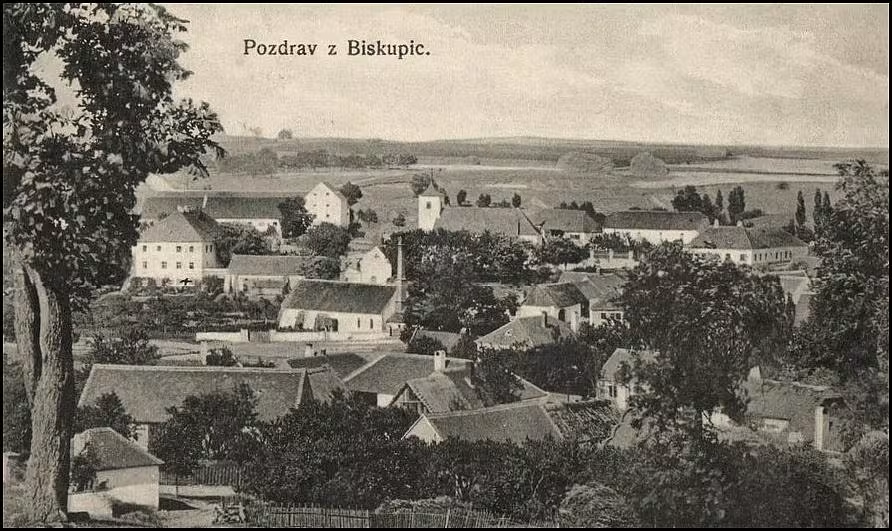
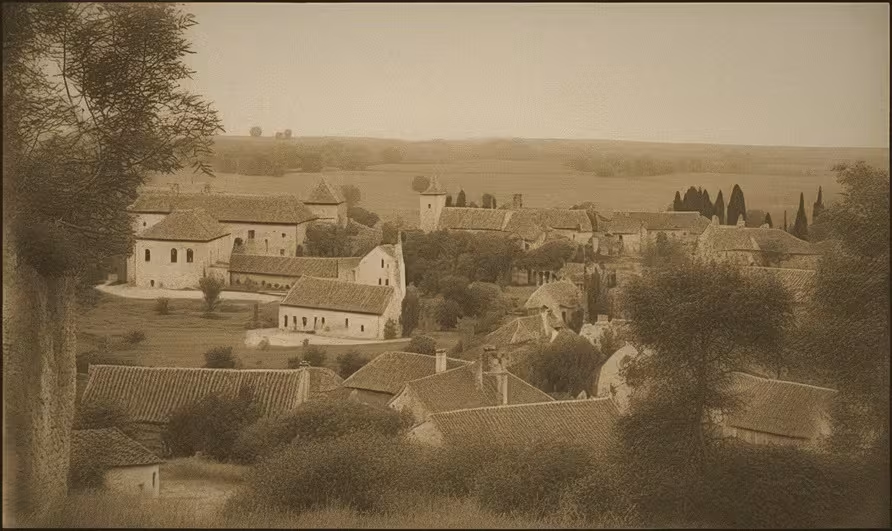
The historical appearance on the left is an AI-generated visualisation and serves as inspiration only.
Historical milestones
- 1679
- Bohuslav Dubský z Třebomyslic purchased the estate.
- 1771
- František Piller z Pillersdorfu acquired the estate.
- 1831
- Hrabě František Daun became the new owner, initiating neo-Gothic renovations.
- 1973/1974
- The castle was demolished due to its hazardous condition.
Architectural development
Originally an oblong structure with a onion-shaped tower, Zámek Biskupice featured a single-story layout and gabled roofs. The Daun family's renovations introduced neo-Gothic elements to the architecture. Despite these changes, it was not considered architecturally significant.
Historical events
Post-Battle of White Mountain construction, likely by Šimon Kratzer ze Schönsperku or another owner.
Neo-Gothic renovations during the Daun family's ownership in the 19th century.
Demolition due to hazardous condition at the end of 1973.
Owners
Šimon Kratzer ze Schönsperku or another contemporary owner (post-1620)
Bohuslav Dubský z Třebomyslic (1679-1769)
Adam Berchtold (shortly after 1769)
František Piller z Pillersdorfu (1771)
hrabě František Daun (1831 onwards)
hrabě Jindřich Haugvic z Biskupic (1904 onwards)
H. Rosenbaum (post-land reform)
State ownership post-1945
Points of interest
- Despite its eventual demolition, Castle Biskupice was once associated with the Habsburg dynasty's influence in Bohemia following their victory at the Battle of White Mountain. This connection highlights the castle's role in the broader political shifts that occurred during this period.
- The Daun family introduced neo-Gothic elements to the castle’s design in the 19th century, reflecting a European architectural trend and marking a significant transformation from its original Baroque roots, despite the castle's lack of initial architectural prominence.
- After World War II, Castle Biskupice transitioned into housing for local inhabitants, showcasing how historical estates were repurposed during times of social change before being deemed unsafe and demolished in 1973.
- The estate changed hands multiple times, including ownership by Bohuslav Dubský z Třebomyslic from 1679 to 1769, which reflects the frequent shifts in noble family possessions typical of the era's feudal system.
- Although it no longer stands, Castle Biskupice is remembered for its onion-shaped tower and gabled roofs, architectural features that were part of its original design and represent a snapshot of historical building styles.
Guide
This guide is narrated by a synthetic voice generated by artificial intelligence.
Show guide text
This text was created by artificial intelligence and has not been editorially reviewed. It may contain inaccuracies.
The castle in Biskupice on the Třebíč district no longer stands. It was demolished at the turn of 1973 and 1974.
A castle once existed in the village. After its decline, there was no manor house here. The castle was built only after the Battle of White Mountain. It was probably founded by Šimon Kratzer ze Schönsperku, or possibly by one of the other owners of that time.
In 1679, Bohuslav Dubský z Třebomyslic purchased the estate. The Dubský family held it until 1769. It then briefly belonged to the highest chamberlain, Count Adam Berchtold. In 1771, František Piller z Pillersdorfu acquired the estate, and in 1831, Count František Daun. Under the Dauns, the castle underwent a neo-Gothic reconstruction. In 1904, Count Jindřich Haugvic z Biskupic became the owner. After the land reform, the castle belonged to Rosenbaum.
In 1945, the castle passed to the state and its administration was given to the village. It served as apartments, but nobody maintained it, so it gradually deteriorated. Eventually it was demolished due to its dilapidated condition.
The castle's appearance is captured on a map from the first Josephine land survey. It was a rectangular building with a bulbous tower in the middle. To the southern side was attached an outbuilding with a pitched roof.
Before its demolition, it was a two-storey structure with a rectangular floor plan and a hipped roof. The longer facade had six windows, the shorter one had four. From an architectural perspective, the castle was not particularly distinctive.
Businesses nearby
Do you run a restaurant, accommodation, shop, museum, rental, wellness or other visitor service near this monument? Show yourself directly to the people heading to it — this is how they will see you in the app and on the web:
Visualizations and artistic views


The visualisations are generated by artificial intelligence and serve as inspiration.
Photos from the area
Real photos taken near the monument


Zdroj a licence jsou uvedeny u každého snímku.
Tips from visitors
No tips yet. Be the first!
Log in and add your tip.
Sources and literature
Photos: autor neuveden / Public domain — Wikimedia Commons. The author and licence also appear when you hover over the image.
Faktickým podkladem tohoto textu byl článek na Wikipedii, jehož autory jsou přispěvatelé Wikipedie. Článek je dostupný pod licencí CC BY-SA 4.0.
Location on the map

Příběhy a pověsti
Legendy, pověsti a příběhy spjaté s touto památkou
Fotografie návštěvníků
Zatím žádné fotografie. Buďte první, kdo přidá fotografii z návštěvy!
Log in a přidejte svou fotografii nebo hodnoťte.
Za ověřenou návštěvu v aplikaci získáte víc bodů — poznáme podle GPS, že jste na místě.
Reviews and comments