






zámek Čížkov Chateau
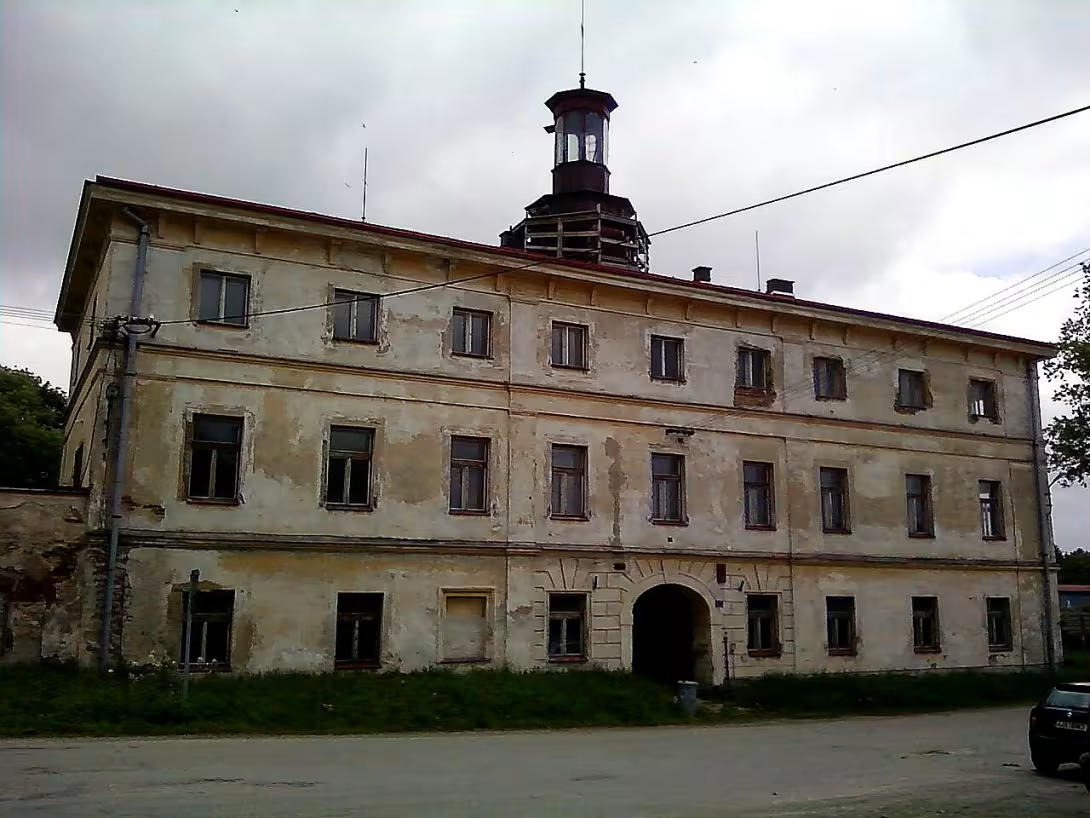
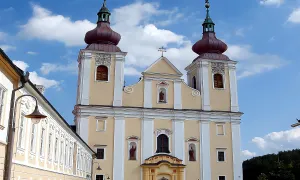
Zámek Čížkov is a classicist château located in the village of Čížkov within the Pelhřimov District of the Vysočina Region in the Czech Republic. Constructed in 1785, this historical monument stands out for its architectural significance and cultural heritage. The château features notable elements such as a triangular pediment and a clock tower that have survived to the present day. Additionally, an adjacent pavilion is protected as a cultural monument, highlighting the site's importance.
The origins of Zámek Čížkov trace back to when it was part of estates under Nová Cerekev or Božejov. It gained independence in 1650 when Jan Kryštof Leskovský z Leskovce acquired it. The château itself, however, was built later in 1785 during a period influenced by Enlightenment ideas prevalent across Europe, including the Habsburg Monarchy's Bohemia. This era saw a shift towards classicism in art and architecture, reflected in Zámek Čížkov's design.
Architecturally, Zámek Čížkov began as a classicist structure characterized by its two-story rectangular layout with a western facade. The building retains some original features from this period, including the triangular pediment above the main cornice and a clock tower on the roof. In the late 19th century, under the ownership of the Walser family, it underwent an Empire style renovation, adding another layer to its architectural history.
Ownership of Zámek Čížkov has seen several changes over the centuries. After Jan Kryštof Leskovský z Leskovce's acquisition in 1650, Jiří Milíčovský z Braunberka took possession and initiated construction on an unspecified site within the village. In 1669, Vojtěch Jiří Voračický z Paběnic a na Proseči acquired the estate, selling it to Gottfried Heister in 1677. The late 18th century saw frequent changes in ownership, though specific details are sparse. Following World War II, the château came under state control and was used by an agricultural cooperative for housing until recent times when new owners have taken over.
Throughout its history, Zámek Čížkov has been a site of architectural evolution rather than dramatic historical events. Its significance lies in its representation of 18th-century classicist architecture and subsequent Empire style modifications. The château's pavilion, now a protected cultural monument, adds to its allure.
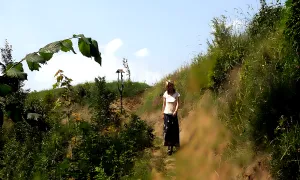
Today, Zámek Čížkov is accessible via road I/19 and a marked hiking trail from Mašovice to Nová Cerekev, making it an attractive destination for visitors interested in history and architecture. The site's blend of classicist and Empire architectural elements offers a glimpse into the region's past. Visitors can explore the château and its surroundings, appreciating both its historical significance and natural beauty.
Zámek Čížkov stands as a testament to the architectural trends of its time and the cultural heritage of the Vysočina Region. Its preservation and ongoing reconstruction efforts ensure that it remains an important site for future generations. Visitors are invited to explore this remarkable château, where history and architecture converge in a serene setting.
Then and now
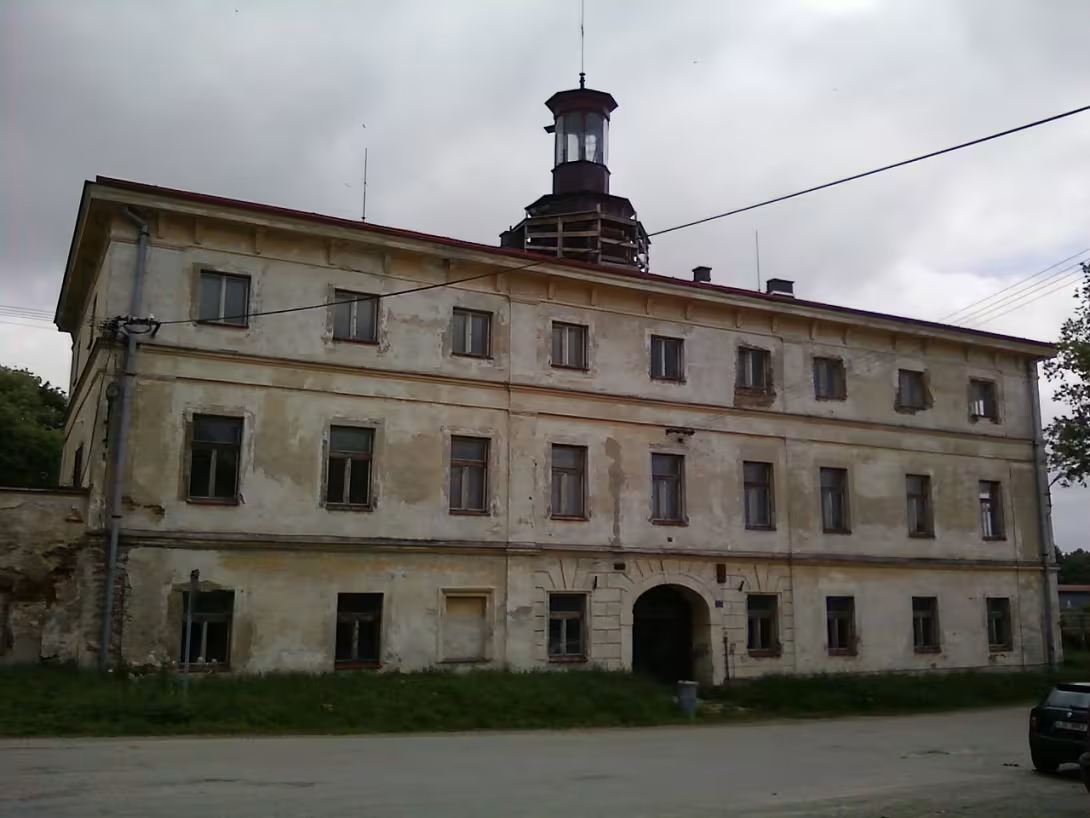
Drag the slider to compare how the landmark may have looked when it was built with the view today.
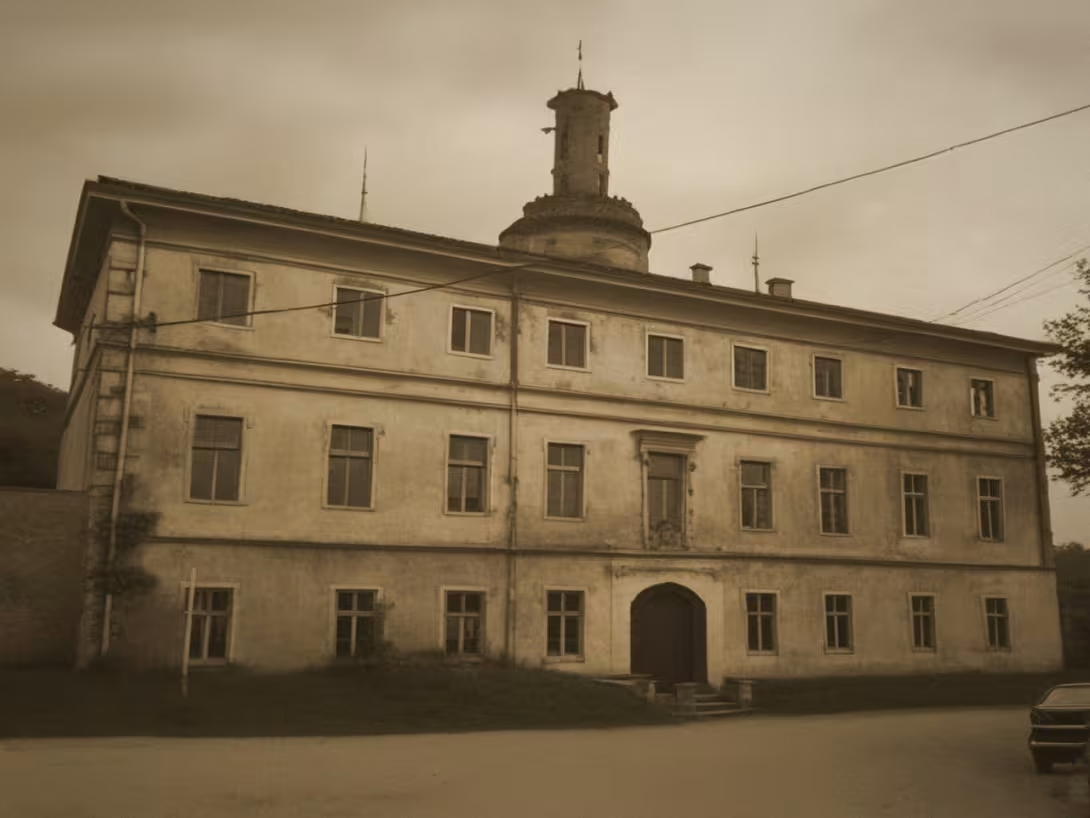
The historical appearance on the left is an AI-generated visualisation and serves as inspiration only.
Architectural development
Chateau Čížkov began as a classicist structure in 1785. It later underwent an Empire style renovation in the late 19th century under the Walser family. The building retains some original features, such as a triangular pediment and a clock tower.
Historical events
The estate became independent in 1650 when it was acquired by Jan Kryštof Leskovský z Leskovce.
In 1785, the classicist chateau was constructed on the site.
Owners
Jan Kryštof Leskovský z Leskovce (before 1650)
Jiří Milíčovský z Braunberka (after 1650)
Vojtěch Jiří Voračický z Paběnic a na Proseči (1669-1677)
Gottfried Heister (from 1677)
Points of interest
- Zámek Čížkov's architectural evolution reflects the broader cultural shifts in Europe during the Enlightenment, notably through its classicist design and later Empire style renovations. This blend of styles offers insight into how European architecture adapted to changing philosophical ideals.
- The château was once part of a larger estate system under Nová Cerekev or Božejov before gaining independence in 1650, indicating the fluid nature of land ownership during that period and its impact on local development.
- Despite frequent changes in ownership throughout its history, Zámek Čížkov remained relatively untouched by dramatic historical events, allowing it to serve as a pure representation of architectural trends rather than political turmoil.
- The château's pavilion is protected as a cultural monument, highlighting the site’s significance beyond just the main structure and underscoring the importance of preserving lesser-known elements of historical sites.
- In the late 19th century, Zámek Čížkov underwent significant renovations under the Walser family, who introduced Empire style features. This period of transformation illustrates how private ownership can influence architectural heritage and contribute to a site's layered history.
Guide
This guide is narrated by a synthetic voice generated by artificial intelligence.
Show guide text
This text was created by artificial intelligence and has not been editorially reviewed. It may contain inaccuracies.
Welcome to the historical gem of Čížkov, where you stand before the majestic Chateau Čížkov, a testament to the architectural elegance and cultural shifts of its time. As you gaze upon this 18th-century classicist structure nestled in the village of Čížkov within Pelhřimov District, Vysočina Region, take a moment to absorb the serene beauty and historical significance that surrounds you.
The chateau, originally constructed in 1785, is a masterpiece reflecting the Enlightenment's influence on European architecture. Its classicist design speaks volumes about the era's philosophical ideals, while later Empire style renovations add layers of complexity and charm to its appearance. As you stand here, notice the historically significant pavilion that adds character to the chateau’s silhouette against the sky.
Now, let your eyes wander over the architectural details that have withstood the test of time. The triangular pediment above the entrance invites contemplation, while the clock tower stands as a silent witness to centuries of history. These elements not only define the chateau's aesthetic but also connect us to its storied past.
The narrative of Chateau Čížkov is enriched by notable figures such as Jan Kryštof Leskovský z Leskovce, Jiří Milíčovský z Braunberka, Vojtěch Jiří Voračický z Paběnic a na Proseči, and Gottfried Heister. Each played a role in shaping the chateau's destiny, weaving their own stories into its fabric.
One intriguing aspect of Chateau Čížkov is how it mirrors broader cultural shifts during the Enlightenment through its architectural evolution. This blend of classicist and Empire styles offers a fascinating glimpse into how European architecture adapted to changing philosophical ideals, making the chateau not just a structure but a narrative in stone.
As you prepare to explore further or conclude your visit, remember that Chateau Čížkov is more than just a building; it's a portal to understanding the past and its influence on the present. We invite you to delve deeper into its history, uncovering stories and secrets that have been preserved through time. Thank you for allowing us to guide you through this journey of discovery at Chateau Čížkov.
Tips for visitors
The best time to visit Chateau Čížkov is during the late spring or early autumn months, when the weather is mild and pleasant for exploring both the chateau grounds and surrounding landscapes. These seasons offer a vibrant display of nature with blooming flowers in spring and rich foliage colors in autumn, enhancing your experience at this historical site.
The chateau can be accessed via road I/19, making it easy for those traveling by car. For visitors using public transport, the area is accessible with options available that connect nearby towns; however, specific routes should be checked in advance through a travel planner or local transportation website.
When planning your visit to Chateau Čížkov, consider bringing comfortable walking shoes as there are marked hiking trails leading from Mašovice to Nová Cerekev. Also, a camera is recommended for capturing the picturesque views of the chateau and its historical pavilion. Don't forget to bring water, especially if you plan on exploring the nearby natural landscapes.
For photography enthusiasts, the best spots at Chateau Čížkov are around the historically significant pavilion and the main facade of the classicist structure, particularly during golden hour when the light is soft and warm. The surrounding Vysočina region offers stunning backdrops for landscape shots, with natural lighting being optimal in the early morning or late afternoon.
In addition to Chateau Čížkov itself, visitors can explore nearby historical estates within a 30-minute drive. These include charming villages and other notable sites that reflect the rich cultural heritage of the Vysočina region. For families with children, these areas offer educational opportunities as well as leisure activities such as hiking and exploring local history.
Frequently asked questions
Can the monument be visited?
Some buildings of this kind are open for guided tours, others serve another purpose or are privately owned. We have not verified whether and when this monument is open – please ask the operator.
What are the opening hours and admission?
We have not verified the opening hours or admission. Current information is published by the operator.
Where is the monument?
Location: Čížkov, Kraj Vysočina. The map on this page shows the exact spot.
Businesses nearby
Do you run a restaurant, accommodation, shop, museum, rental, wellness or other visitor service near this monument? Show yourself directly to the people heading to it — this is how they will see you in the app and on the web:
Nearby
Chateau Čížkov is accessible via road I/19 and a marked hiking trail from Mašovice to Nová Cerekev. The area features historical estates and natural landscapes typical of the Vysočina region.
Accommodation nearby
Themed route
Tematická výletní trasa zámek Čížkov
1. Zámek Čížkov
- Typ: Historický zámek
- Proč stojí za návštěvu: Zámek Čížkov je architektonickou perli v obci Čížkov, známý svou historií a krásným pohledem na okolní krajinu. Navštívte jeho impozantní stavbu, prozkoumejte interiéry plné historických příběhů a užijte si klid v parkovém prostředí.
2. Trasa Mašovice – Nová Cerekev
- Typ: Označený pěší turistický úsek
- Proč stojí za návštěvu: Tato trasa nabízí krásné výhledy na Vysočinu a příležitost prozkoumat místní krajinu. Při pohodlném pochodu si užijte klid přírody a možnost pozorovat divokou zvěř nebo různé druhy květin.
3. Okolní historická sídla
- Typ: Historické staveniště
- Proč stojí za návštěvu: V okolí zámku Čížkovu se nachází další historická sídla, která představují bohatou minulost regionu. Tyto místa jsou skvělým doplněkem k hlavnímu cíli trasy a nabízejí vhled do života na Vysočině v minulosti.
Tato trasa kombinuje historické objevy s přírodním pohledem, což ji činí ideální pro lidi zájemce o kulturu a přírodu.
Seasonal recommendations
Spring: Visiting Čížkov Chateau during spring offers a unique experience as nature awakens around the historical site. The chateau grounds are adorned with blooming flowers and fresh greenery, creating an enchanting atmosphere that enhances the beauty of the architecture. This season is ideal for photography enthusiasts looking to capture the vibrant colors of spring. Visitors should prepare for mild weather but carry a light jacket or sweater as temperatures can vary throughout the day. Early morning visits are recommended to enjoy the serene environment before larger crowds arrive, allowing you to explore at your own pace.
Summer: Summer at Čížkov Chateau is characterized by lush landscapes and warm, inviting sunshine that enhances the chateau's historic charm. The long daylight hours provide ample time for exploration, making it a popular season for visitors. While the summer atmosphere is lively and vibrant, be prepared for larger crowds, especially during peak tourist times. It's advisable to wear comfortable clothing and bring sunscreen, hats, and sunglasses to protect against the sun. Arriving early in the morning can help avoid the midday heat and ensure a more relaxed visit.
Autumn: Autumn brings a magical transformation to Čížkov Chateau with its stunning display of fall foliage. The vibrant colors of red, orange, and yellow leaves create a picturesque backdrop that complements the chateau's historical architecture. This season is particularly appealing for those who appreciate nature's beauty and enjoy cooler weather. Visitors should dress in layers to accommodate varying temperatures throughout the day. As the days grow shorter, planning your visit earlier in the day will allow you more time to explore before closing hours.
Winter: Winter at Čížkov Chateau offers a serene and enchanting experience with its snow-covered landscapes that add a fairy-tale quality to the historic site. The cooler temperatures and shorter daylight hours create a quiet atmosphere, perfect for those seeking a peaceful visit away from summer crowds. It's essential to dress warmly in layers, including hats, gloves, and insulated footwear, as winter can bring chilly conditions. Checking opening times is crucial since they may be reduced during this season; planning your visit on a weekday could also mean fewer visitors, allowing for a more intimate exploration of the chateau grounds.
Visualizations and artistic views


The visualisations are generated by artificial intelligence and serve as inspiration.
Photos from the area
Real photos taken near the monument


Zdroj a licence jsou uvedeny u každého snímku.
Atmosphere of the place
This atmospheric visualisation of the place and period was generated by artificial intelligence. It is not real footage of the location.
Tips from visitors
No tips yet. Be the first!
Log in and add your tip.
Sources and literature
Photos: Freibo / CC BY-SA 3.0 — Wikimedia Commons. The author and licence also appear when you hover over the image.
Faktickým podkladem tohoto textu byl článek na Wikipedii, jehož autory jsou přispěvatelé Wikipedie. Článek je dostupný pod licencí CC BY-SA 4.0.
Location on the map

Příběhy a pověsti
Legendy, pověsti a příběhy spjaté s touto památkou
Fotografie návštěvníků
Zatím žádné fotografie. Buďte první, kdo přidá fotografii z návštěvy!
Log in a přidejte svou fotografii nebo hodnoťte.
Za ověřenou návštěvu v aplikaci získáte víc bodů — poznáme podle GPS, že jste na místě.
Reviews and comments