






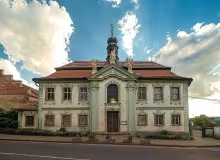
Zámek Ďáblice stands as a prominent Baroque castle in Prague's Dablice district, dominating the old town with its striking architecture. This historical monument is notable for its chapel dedicated to the Holy Trinity and Saint Wenceslas, reflecting both spiritual significance and architectural grandeur. Originally built by the Knights of the Cross with the Red Star, it underwent significant transformation after a devastating fire in 1731. Its current form, completed by 1755, showcases Baroque elements such as symmetrical facades and a distinctive mansard roof.
The origins of Zámek Ďáblice trace back to 1233 when the Knights of the Cross with the Red Star acquired the estate from Queen Constance of Hungary. By 1254, the estate expanded to include Ládví, serving primarily as a spiritual and economic center for the order. The castle's history is marked by its role in supporting their Prague monastery and hospitals until the late 17th century when the original church was demolished, repurposing materials for new constructions.
Architecturally, Zámek Ďáblice underwent significant changes after the fire of 1731. Reconstruction efforts began in 1754 under the guidance of Jan Nepomuk Střecha and his mother Judita. By 1755, the castle featured a chapel with original altarpieces, sculptures, and frescoes from the late 18th century. The design includes two wings forming an L-shaped floor plan, with symmetrical facades that conceal the chapel behind them. A prominent feature is the mansard roof topped by an octagonal belfry adorned with a gilded cross and star.
Ownership of Zámek Ďáblice remained with the Knights of the Cross with the Red Star until 1754, during which time it served as both a spiritual and administrative center. The castle's fortunes changed dramatically following the fire, leading to its Baroque transformation. Key figures in this period include Jan Nepomuk Střecha, who played a crucial role in the reconstruction, and Antonín Jakub Suchánek, who consecrated the chapel in 1755.
The castle holds several curiosities, including a rare piece of wood from Saint Wenceslas's transport wagon housed in the belfry. The chapel features frescoes and sculptures, possibly by Ignác František Platzera or F. Ublacker, adding to its artistic allure. Despite some losses over time, such as certain altar reliefs and votive niches, the interior retains a cohesive Rokoko atmosphere with gilded sculptures and marble altars.
Today, Zámek Ďáblice is accessible to the public during regular services, offering visitors a glimpse into its rich history and architectural beauty. The castle's blend of historical significance and artistic elements makes it a worthwhile destination for those interested in Baroque architecture and Czech heritage. Visitors are invited to explore this unique monument, where history and artistry converge in a serene setting.
Historical milestones
- 1233
- Knights of the Cross acquired estate from Queen Constance.
- 1254
- Estate expanded to include Ládví, serving as spiritual and economic center.
- 1731
- Castle suffered a devastating fire leading to reconstruction.
- 1754
- Reconstruction efforts began under Jan Nepomuk Střecha.
- 1755
- Completion of Baroque transformation with chapel consecration.
Architectural development
Originally a spiritual and economic center for the Knights of the Cross with the Red Star, Zámek Ďáblice underwent significant baroque transformation after a devastating fire. The reconstruction completed by 1755 introduced a chapel with original altarpieces, sculptures, and frescoes from the late 18th century. Architectural elements include symmetrical facades and a distinctive mansard roof.
Historical events
- 1254
- The estate was expanded to include Ládví.
- 1731
- A fire destroyed the original fortress, leading to reconstruction efforts starting in 1754.
Points of interest
- The Zámek Ďáblice has a unique architectural feature: its chapel is cleverly hidden behind the symmetrical facades of the main building, creating an unexpected surprise for visitors who enter through the grand entrance.
- An intriguing piece of history resides in the belfry of Zámek Ďáblice—a rare fragment of wood from Saint Wenceslas's transport wagon, adding a tangible connection to Czech legend and lore within the castle’s walls.
Guide
Show guide text
Welcome to the historic Zámek Ďáblice, a stunning baroque castle nestled in the heart of Prague's Dablice district. As you stand before this architectural marvel, take a moment to absorb its grandeur. The castle dominates the old town of Dablice with its symmetrical facades and stately presence.
Let’s delve into its rich history. In 1233, the Knights of the Cross acquired the estate from Queen Constance, marking the beginning of an era. By 1254, the estate expanded to include Ládví, becoming a vital spiritual and economic center for the region. However, in 1731, tragedy struck when a devastating fire engulfed the castle. This event set the stage for its transformation into the baroque masterpiece you see today.
The reconstruction efforts began in 1754 under the guidance of Jan Nepomuk Střecha, with significant contributions from his mother Judita. By 1755, the castle underwent a complete Baroque transformation, culminating in the consecration of its chapel dedicated to the Holy Trinity and Saint Wenceslas. The architecture is characterized by a two-winged structure with an L-shaped floor plan, showcasing the elegance and symmetry typical of baroque design.
As you explore further, take note of the castle’s unique architectural feature: the chapel hidden behind the symmetrical facades. This cleverly concealed space offers an unexpected surprise for visitors entering through the grand entrance, adding a layer of intrigue to your visit.
The belfry holds its own piece of history with a rare artifact that speaks volumes about the past. While exploring, you might also learn more about Antonín Jakub Suchánek and Judit Střecha, whose contributions have left an indelible mark on this historic site.
As we conclude our journey here at Zámek Ďáblice, I invite you to take a moment to reflect on the stories etched into its walls. There’s so much more to discover within these grounds, and I encourage you to continue exploring every corner of this remarkable castle. Thank you for joining me today, and enjoy your time in this piece of living history!
Tips for visitors
The best time to visit Zámek Ďáblice is during the late spring or early fall when the weather is mild, making it ideal for exploring both the castle grounds and the surrounding historical town of Dablice. During these seasons, you can enjoy outdoor activities without the discomfort of summer heat or winter cold. Additionally, visiting on a weekday rather than a weekend may provide a more tranquil experience with fewer crowds.
Parking near Zámek Ďáblice is generally available in the vicinity of the castle and town center. For those preferring public transportation, several bus routes serve the area, connecting Dablice to other parts of Prague. It's advisable to check the latest transport schedules online or through a local travel app before your visit to ensure smooth transit.
When planning your visit, consider bringing comfortable walking shoes as you'll likely spend time exploring both the castle and its surroundings. A light jacket might be useful too, given that weather can change quickly in Prague. Don't forget a camera or smartphone for capturing the picturesque views of the baroque architecture blending with nature.
For photography enthusiasts, some of the best spots to capture Zámek Ďáblice include the castle's chapel dedicated to the Holy Trinity and Saint Wenceslas, especially during golden hour when the light is soft and warm. The surrounding landscapes also offer stunning backdrops for landscape shots. Early morning or late afternoon are ideal times for photography due to optimal lighting conditions.
Nearby attractions within a 30-minute distance include remnants of medieval settlements that provide insight into the area's rich history. Additionally, modern amenities in nearby towns can cater to your needs, whether it’s dining out or shopping. These sites offer a blend of historical exploration and contemporary conveniences.
Businesses nearby
Nearby
Zámek Ďáblice is surrounded by the historical town of Dablice, with its baroque architecture blending into the natural landscape. Nearby are remnants of medieval settlements and modern amenities.
Accommodation nearby
Trips and activities nearby
Guided tours, tickets and activities nearby from GetYourGuide
Search tours and activities →Themed route
Tematická výletní trasa zámek Ďáblice a okolí
1. Zámek Ďáblice (zámek) *Proč stojí za návštěvu:* Zámek Ďáblice je historickou perli, nabízející pohled na barokní architekturu zasazenou do přírodního prostředí. Jeho výhledy a historie jsou ideálním začátkem pro cestu po Ďáblicích.
2. Historické centrum Ďáblic (město) *Proč stojí za návštěvu:* Po prozkoumání zámku se vydávejte do historického centra Ďáblic, kde barokní architektura přechází do moderních struktur. Toto místo nabízí pohled na životní styl a dědictví obce.
3. Ostatky středověkých osad (historické místo) *Proč stojí za návštěvu:* Odkudkoliv se nacházíte v historickém centru, můžete najít ostatky starších osad. Tyto zbytky poskytují cenný vhled do minulosti oblasti a jejího rozvoje.
4. Moderní zařízení (moderní atrakce) *Proč stojí za návštěvu:* Po prozkoumání historických míst se vydávejte k moderním zařízením, které slouží jako důkaz současného života a rozvoje obce. Tyto místa ukazují dynamiku mezi minulostí a přítomností Ďáblic.
Tato trasa nabízí vyvážený pohled na historické i moderní prvky, které tvoří jedinečnou identitu obce Ďáblice.
Seasonal recommendations
Spring: Visiting Zámek Ďáblice during spring offers a unique experience as the surrounding landscape bursts into life with vibrant colors. The blooming gardens and fresh greenery create an enchanting atmosphere, perfect for leisurely strolls and photography. As daylight extends, visitors can enjoy longer tours of the castle grounds. It's advisable to dress in layers since temperatures can be mild but unpredictable. Early mornings or late afternoons are ideal times to avoid larger crowds that gather later in the day.
Summer: Summer at Zámek Ďáblice is characterized by lush greenery and warm weather, making it an excellent time for outdoor activities. The castle's gardens are particularly beautiful during this season, with well-maintained lawns and abundant flowers. Visitors should anticipate larger crowds due to the peak tourist season, so arriving early in the day can help avoid long lines. Comfortable walking shoes and light clothing are recommended, along with sunscreen and a hat for sun protection.
Autumn: Autumn transforms Zámek Ďáblice into a picturesque landscape of warm hues, with golden leaves creating a captivating backdrop. The cooler temperatures make it a pleasant time to explore the castle grounds without the summer heat. This season often sees fewer visitors, allowing for a more relaxed experience. It's wise to wear layers and bring a light jacket as evenings can be chilly. Late morning visits are ideal to enjoy the soft autumn sunlight while avoiding potential afternoon rain showers.
Winter: Winter at Zámek Ďáblice presents a serene and magical atmosphere, with snow-covered grounds that enhance the castle’s historic charm. The shorter days mean tours may operate on limited hours, so checking in advance is recommended. Visitors should dress warmly in layers, including thermal clothing and waterproof outerwear if needed. While fewer people visit during this time, it's best to check for any seasonal closures or special events like holiday-themed activities that might be taking place around the castle.
Visualizations and artistic views

Vizualizace jsou generovány umělou inteligencí a slouží jako inspirace.


Tips from visitors
No tips yet. Be the first!
Log in and add your tip.
Location on the map





Příběhy a pověsti
Legendy, pověsti a příběhy spjaté s touto památkou
Reviews and comments