






Oettingenský palác Palace
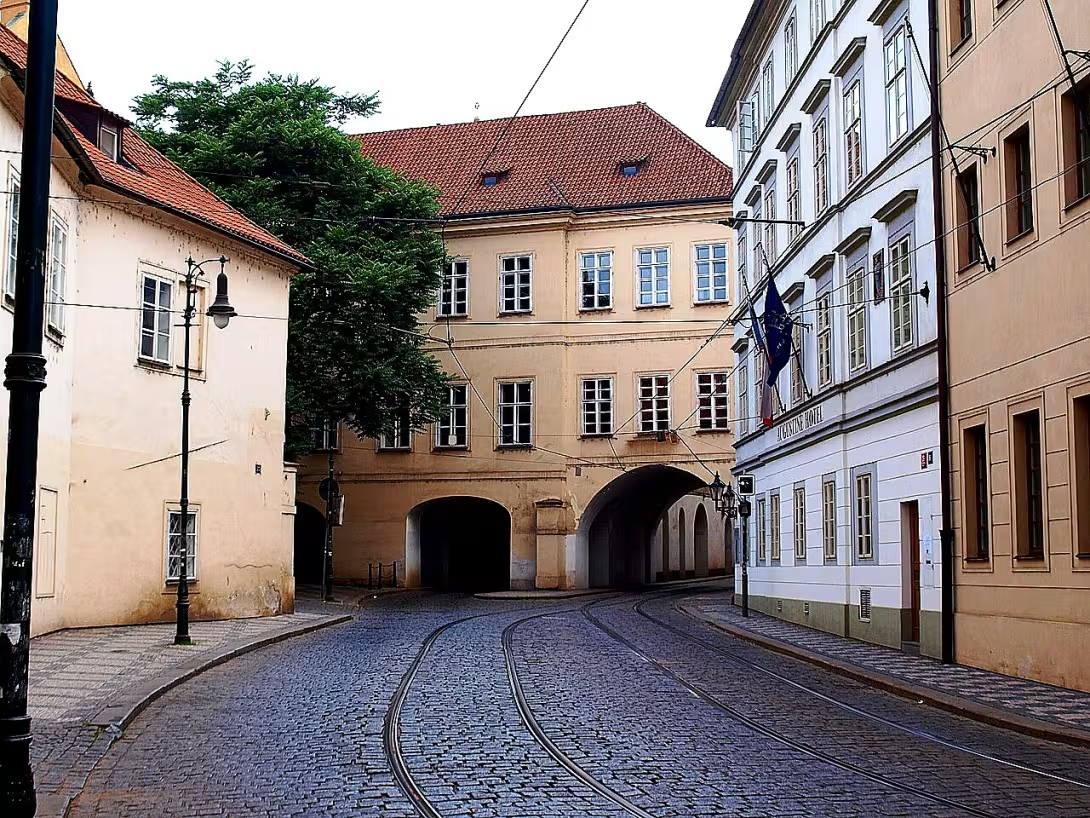
Oettingen Palace, also known as Lobkovsky House, stands at the intersection of the streets of Letenská and Josefska in the Prague district of Malá Strana. This Baroque palace represents architectural evolution for centuries and reflects its historical importance and cultural heritage. The site was first mentioned in 1406, with evidence of the Gothic structure existing before it was destroyed during the Hussite wars. Until 1456, land for new construction was provided at this historically rich place.
Oettingen origin The Palace watched when Ladislav z Lobkovic acquired it in 1548. Under Jan Václav z Lobkovic, the Renaissance transformation began on the existing medieval foundations. The architectural journey continued after the 17th century with contributions from Giovanni Marini and Campion de Bossi. A significant turning point occurred after the fire in 1723, which led to Baroque reconstruction under Antonín Ritžich and František Maximilian Kaňka. This period meant the completion of the present form of the palace, characterized by an asymmetric facade with pilasters and a central portal.
The architectural style is mostly baroque, contains elements such as rustic ground floor, ion pilasters and suprafenestrae decorated with cartouche. Part of the proposal is an unusual ramp, which once joined its first floor with a gallery in St. Thomas' church, which was used by both Lobkovická and Oettingen-Wallerstein family for visiting services. In addition, Fabián Hárovník contributed paintings painted on canvas rather than directly on walls.
Owning saw several important figures above his history. After two centuries under the Lobkovic family, it was sold in 1806 and later bought Prince Bedřich Oettingen-Wallerstein in 1841. The object underwent further modifications, including the neoclassical wing added to the courtyard in 1887. By 1898 the palace became part of the municipal property of Mala Strana, eventually served as a gym before being converted into rented apartments.
During his history, the Oettingen Palace witnessed various key events and changes. The fire in 1723 was crucial, leading to significant baroque renovations that shaped his present appearance. At the end of the 19th century, changes were made that reflected the evolving needs of the community. Today the palace is home to the Czech Chamber of Architects and continues its legacy as cultural and historical monuments.
Visitors can explore the rich history and architectural beauty of the Oettingen Palace today. Its location in Prague's Malá Strana is built near important monuments such as St. Thomas church and St. Joseph church, which offers a view of the history of the area. The Palace is a protected cultural monument of the Czech Republic since 1958 and invites interested people to discover their unique charm.
Oettingen The palace is more than a mere building; It's a time-based narrative, reflecting the artistic and historical currents that shaped Prague. Its preservation allows visitors to connect with the past while appreciating the architectural ingenuity of its creators. The visit offers the opportunity to immerse yourself in a cultural tapestry of one of Europe's most magical cities.
Then and now
Drag the slider to compare how the landmark may have looked when it was built with the view today.
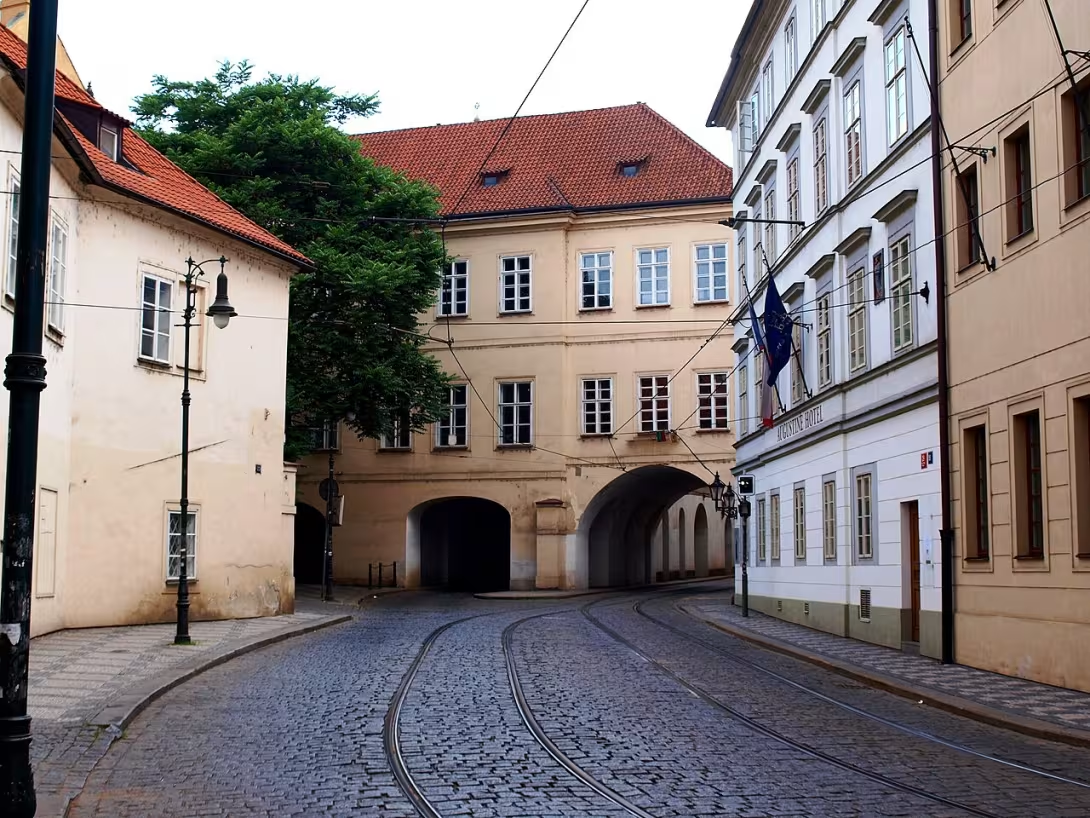

The historical appearance on the left is an AI-generated visualisation and serves as inspiration only.
Historical milestones
- 1406
- First mention of construction.
- 1456
- The city has provided ground for a new construction.
- 1548
- Ladislav z Lobkovic has acquired assets.
- 1723
- Baroque reconstruction after the fire.
Architectural development
Oettingenský palác developed in several architectural phases. Initially built on Renaissance foundations with a Gothic core in the early 15th century, the Baroque renovation passed after the fire in 1723. The palace has an asymmetrical facade with pilasters and a central portal that reflects the baroque style.
Historical events
In 1723 the fire led to a significant Baroque renovation of the palace.
In 1887, a neoclassical two-storey wing was added to the courtyard.
Owners
The property has several significant owners: Ladislav z Lobkovic acquired it in 1548; Jan Václav z Lobkovic has begun its Renaissance transformation; The Lobkovic family owned it for two centuries until the sale in 1806. In 1841, Prince Bedřich Oettingen-Wallerstein bought the palace.
Points of interest
- Oettingen The palace once represented an unusual ramp connecting its first floor with a gallery in St. Thomas' church, which was used both by Lobkovic and Oettingen-Wallerstein families for visiting church services.
- After a devastating fire in 1723, the palace underwent significant baroque renovations of architects Antonín Ritžich and František Maximilián Kaňka, which led to its contemporary asymmetric facade with distinctive pilasters and cartouche.
- Images inside Oettingen The palace was painted on canvas Fabián Hárovník rather than directly on walls, a unique approach which preserved these artworks over time.
- Originally obtained Ladislav z Lobkovic in 1548, instead of the Oettingen Palace was first mentioned in 1406 and was home to the Gothic structure before its destruction during the Hussite wars.
- In 1887, a neo-classical wing was added to the courtyard of the palace, reflecting the continued modifications that the buildings adapted for new use for centuries.
Guide
This guide is narrated by a synthetic voice generated by artificial intelligence.
Show guide text
This text was created by artificial intelligence and has not been editorially reviewed. It may contain inaccuracies.
Welcome to Oettingen Palace, a remarkable baroque treasure tucked away on the corner of Letenské and Josefské Street in Prague's Malá Strana district. As you stand here, take a moment to absorb the size of this architectural masterpiece. Asymmetric facade with elegant curves and complex details invites you to a world where history and art intertwine.
The story of this palace begins in 1406 when this place was first mentioned and marks the beginning of centuries of transformation. By 1456, the city provided the ground for the construction of these Renaissance foundations, which hid the Gothic core. It was only in 1548 that Ladislav z Lobkovic acquired the property and built a stage for future development.
Fast forward to 1723 - a crucial year when the devastating fire led to significant baroque reconstruction. Architects Antonín Ritžich and František Maximilian Kaňka masterfully transformed the palace into the stunning structure you see today. As you look at the facade, notice how harmonically it blends historical elements with Baroque elegance.
This site was home to many remarkable characters, including members of Lobkovic and Oettingen-Wallerstein families. Giovanni Marini, Campion de Bossi, Fabián Hárovník and Bedřich Oettingen-Wallerstein are just some who left their mark.
One interesting feature that once connected this palace to St. Thomas' church was an unusual ramp. This architectural miracle allowed Lobkovický and Oettingen-Wallerstein's families to attend church services with ease, symbolizing close ties between the palace and its spiritual surroundings.
As you continue your research, let yourself be sucked into the layers of history that cover this place. Every corner tells a story, every detail has secrets waiting to be discovered. We invite you to dive deeper into the mysteries and wonders of the Oettingen Palace.
Thank you for joining us on this journey through time. Let your visit arouse curiosity and wonder how you reveal more about Prague's rich heritage.
Tips for visitors
The best time to visit the Oettingen Palace is at the end of spring or early autumn when the weather is pleasant, allowing you to comfortably explore both the Palace and its surroundings. These seasons offer a good balance of mild temperatures and fewer crowds compared to summer, making it easier to appreciate architectural details and historical environments. In addition, the visit in these months allows better lighting conditions for photography, especially during the golden hour.
Transport to the Oettingen Palace is comfortable both by public transport and by car. The palace is accessible by tram lines, which run through the Little Party, with stops near Letenska Street. Public transport is generally recommended due to the compact nature of the Prague centre and possible congestion.
When visiting the Oettingen Palace, consider bringing a camera or smartphone with a good camera to capture baroque architecture and complex details. Comfortable walking shoes are also suitable because you will probably explore the surrounding attractions by foot. In addition, carrying a map or using a navigation application can help to navigate the area effectively. Since the palace is located in an urban environment, sun protection such as sunscreen or hats can be useful during sundays.
For lovers of photography, some of the best places to capture the Oettingen Palace are from Letenská Street, where you can get a clear view of his facade, and from the nearby St. Thomas Church, which offers an excellent view for capturing both the palaces and surrounding architecture in one frame. Early morning or late afternoon light is ideal for photography because it increases the texture and color of the building.
Within 30 minutes, nearby attractions include the Church of St. Joseph and St. Wenceslas, both offering stunning Baroque interiors and historical significance. For families with children, Malá Strana itself provides a charming environment to explore, with narrow streets, picturesque shops and nearby Charles Bridge for a peaceful walk or bike ride.
Frequently asked questions
Can the monument be visited?
Some buildings of this kind are open for guided tours, others serve another purpose or are privately owned. We have not verified whether and when this monument is open – please ask the operator.
What are the opening hours and admission?
We have not verified the opening hours or admission. Current information is published by the operator.
Where is the monument?
Location: Josefská 34/6, Malá Strana, Praha, Hlavní město Praha. The map on this page shows the exact spot.
Why is the monument protected?
It is listed in the Central List of Cultural Monuments of the Czech Republic as a cultural monument (register no. 38985/1-530).
Businesses nearby
Do you run a restaurant, accommodation, shop, museum, rental, wellness or other visitor service near this monument? Show yourself directly to the people heading to it — this is how they will see you in the app and on the web:
Events nearby

Zdroj akcí: otevřená data měst a obcí ČR (Národní katalog otevřených dat) a kalendář akcí Národního památkového ústavu.
Nearby
The palace is located in Prague in Malá Strana, near important monuments such as St. Thomas and St. Joseph's Church. The area is rich in historical architecture and cultural heritage.
Accommodation nearby
Trips and activities nearby
Guided tours, tickets and activities nearby from GetYourGuide
Affiliate link: if you buy from the partner, we may receive a commission. The price for you does not change.
Search tours and activities →Themed route
Thematic cruise route: Oettingenský palác and its surroundings
1.Oettingenský palác (Palace) - Proc stands behind the entrance: Oettingenský palác is a beautiful example of Baroque architecture in Prague, which contains history and impressionable interiors. Advantage for the county of František Antonín Oettingen - Balderný, today serves as other industrial institutions. Visit the decoration and enjoy the help of Prague from the surrounding towers.
2. Church of St. Thomas (Church) - Proce is worth the effort: This Baroque church is one of the most famous monuments of the Small Party, which is to be spent and beautiful interiors. The church of St. Thomas was placed on the bridge of the ancient chapel of the 12th century and is connected with the legend of Jan Hus, who from the day of the pronoun own advanced activity.
3. Church of St. Joseph (Church) - The church of St. Joseph is another main Baroque church in Malá Strana, marked mainly by its own impressionable facade and rich interior factory. Built between 1679- 1704, it is the work of architect Domenico Orsi and is the artistic elements of St. Joseph.
4. Mikolas Ales Square (Square) - Why is it worth fulfilling: This fulfillment is the center of the Little Party and the acquired support for several historic buildings in which the Oettingen Palace. It is named after Mikoláš Aleš, Czech painter of famous worlds for the National Theatre and the National Museum. The walk offers an overview of the cultural importance of the area.
5. Strahov Monastery (Monastery) - Why is he standing behind the door: Even though he is going further, Strahov Monastery offers a unified command to Prague from his high peak. It should be borne in mind that the library and historical buildings that represent the resting scale of Czech culture and spiritual history.
This route offers a view of the rich history and architecture of Prague, with the supervision of the baroque monuments and their importance.
Seasonal recommendations
Spring: The arrival of spring brings a refreshing atmosphere to the Oettingen Palace, with flowering flowers and lush greenery increasing its historical charm. Natural light plays beautifully across the palace architecture during this season, creating a pleasant environment for visitors. As the weather gradually heats up, it is advisable to wear layers that can be modified throughout the day. While spring tends to attract mild crowds, arriving early in the morning will allow you to enjoy a calmer experience before the daily flow of tourists.
Summer: Summer in Oettingen Palace offers pulsating colors and long daily hours, ideal for exploring its grandeur. The lush gardens surrounding the palace are particularly charming during this season, with a well-manicure of lawns and flowering plants providing a picturesque background. Since summer is the peak of the tourist season, it is wise to visit early morning or late afternoon to avoid large crowds. Due to worse temperatures, comfortable walking shoes and light clothes are recommended.
Autumn: Autumn transforms Oettingen Palace into a stunning tapestry of warm colors, with golden leaves providing a picturesque environment for visitors. In cold weather is the ideal time to walk the palace grounds without summer heat. As the days begin to shorten, planning visits during daylight is recommended to maximize your experience. Laminated clothing helps you stay comfortable because temperatures can vary all day.
Winter: Winter in Oettingen Palace offers a magical atmosphere with its historical architecture beautifully lit on the background of shorter, colder days. Palace lands can be quieter this season, providing a calmer visit. However, it is important to dress warmly and wear robust shoes due to potentially icy conditions. Keep in mind that some areas may have reduced opening times or restricted availability during the winter months, it is therefore appropriate to check in advance.
Visualizations and artistic views


The visualisations are generated by artificial intelligence and serve as inspiration.
Photos from the area
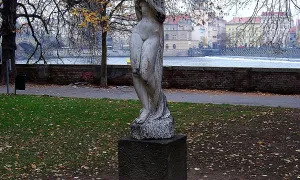
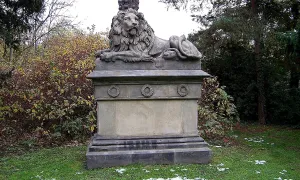
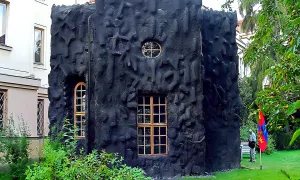
Real photos taken near the monument

Zdroj a licence jsou uvedeny u každého snímku.
Tips from visitors
No tips yet. Be the first!
Log in and add your tip.
Sources and literature
Photos: VitVit / CC BY-SA 3.0 — Wikimedia Commons. The author and licence also appear when you hover over the image.
Faktickým podkladem tohoto textu byl článek na Wikipedii, jehož autory jsou přispěvatelé Wikipedie. Článek je dostupný pod licencí CC BY-SA 4.0.
Location on the map

Příběhy a pověsti
Legendy, pověsti a příběhy spjaté s touto památkou
Fotografie návštěvníků
Zatím žádné fotografie. Buďte první, kdo přidá fotografii z návštěvy!
Log in a přidejte svou fotografii nebo hodnoťte.
Za ověřenou návštěvu v aplikaci získáte víc bodů — poznáme podle GPS, že jste na místě.
Reviews and comments