






Socha Český lev Statue
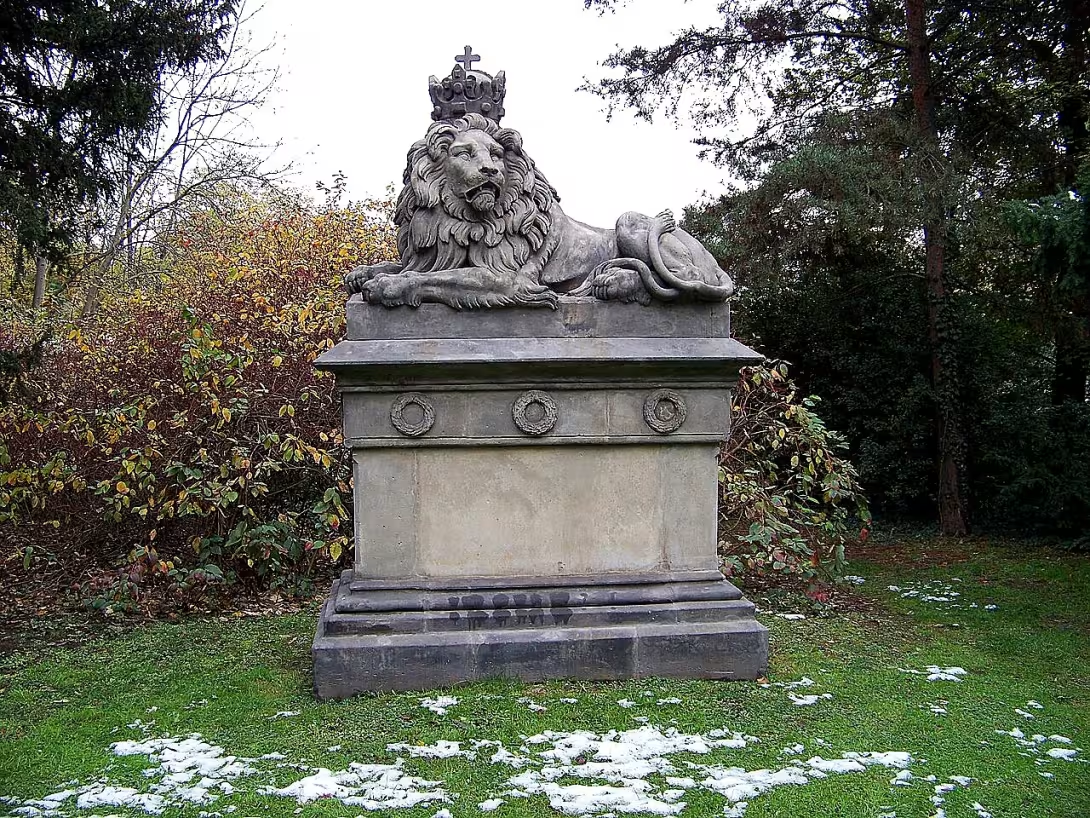
The Statue of the Czech Lion is a notable sandstone sculpture located in Malá Strana, Prague. Created by sculptors Josef and Emanuel Max in 1852, it features a two-tailed lion adorned with a Bohemian royal crown. Originally commissioned for císařské lázně Bad Ischl, the statue has undergone several relocations due to urban development but now stands as a symbol of Czech national pride and heritage.
The creation of the Czech Lion in 1852 coincided with a period of cultural revival and burgeoning Czech identity within the Austrian Empire. This era was marked by nationalistic movements that emphasized Bohemian history and culture, making the statue's symbolism particularly resonant at the time. Commissioned by a ladies' club for the imperial spa town of Bad Ischl, it reflects both artistic endeavors and the socio-political climate of mid-19th century Bohemia.
The sculpture is crafted in the historicist style prevalent during its creation in the 1850s. Made from sandstone, it depicts a majestic lion with two tails wearing a crown representative of Bohemian royalty. The statue's design emphasizes strength and regality, aligning with the cultural aspirations of the period. Despite several relocations due to urban changes in Prague, no significant architectural modifications have been made to the sculpture itself.
Initially positioned at Prague’s New Gate, the statue was moved in 1872 to Poříčský Park following the demolition of the city walls. In 1949, it found its current location on a bend in Chotkovy Street, where it remains today. These relocations reflect the dynamic urban development of Prague and the enduring significance of the monument within the city's cultural landscape.
The Czech Lion statue has witnessed various changes over time but consistently symbolizes national pride. Its journey from Bad Ischl to its current home on Malá Strana mirrors broader historical shifts in Prague, yet it remains a steadfast emblem of Bohemian heritage. The sculpture’s presence in this historic district, known for its baroque architecture and scenic views over the city, enhances its cultural significance.
Today, the Statue of the Czech Lion is easily accessible to visitors exploring Malá Strana. Its prominent location near St. Nicholas Church and close proximity to the iconic Charles Bridge make it a worthwhile stop for those interested in Prague's rich history and architectural beauty. The statue not only serves as an artistic landmark but also invites reflection on the enduring spirit of Czech identity.
The Statue of the Czech Lion stands as a testament to both historical artistry and national pride, offering visitors a tangible connection to Bohemian heritage. Its journey through time and space within Prague underscores its significance in the cultural narrative of the region. Visitors are encouraged to explore this historic monument and appreciate its role in celebrating Czech history and identity.
Then and now
Drag the slider to compare how the landmark may have looked when it was built with the view today.
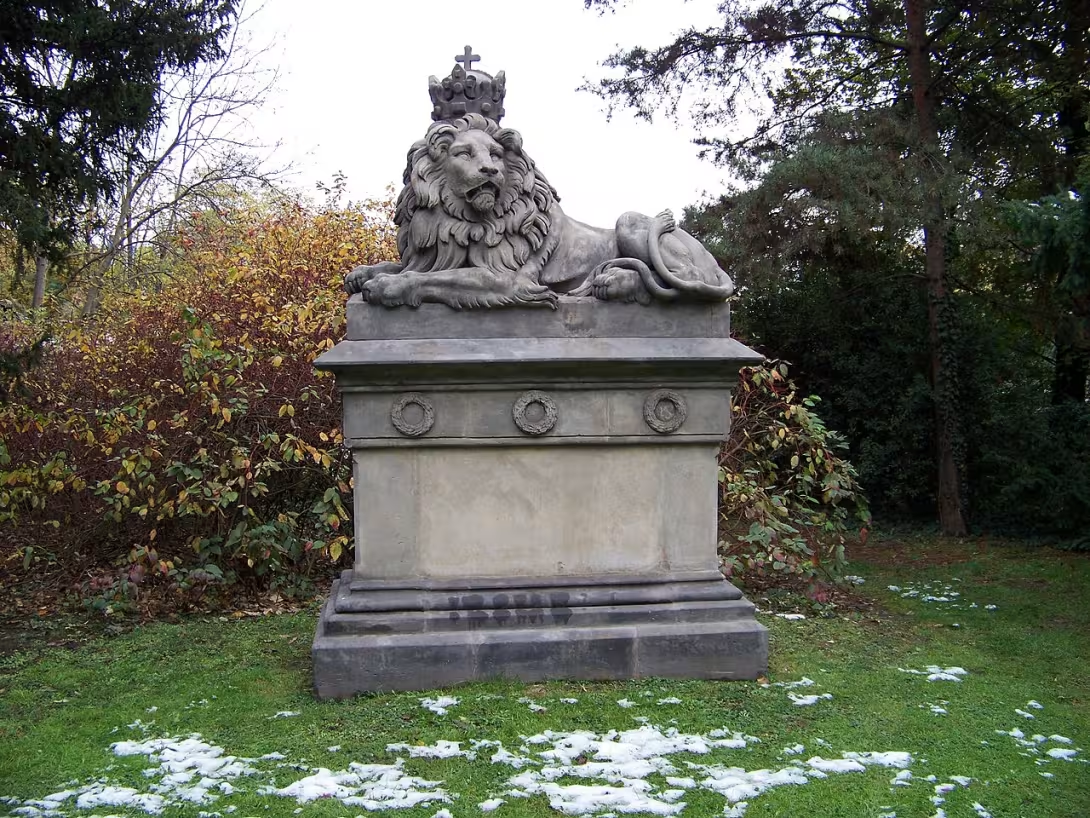
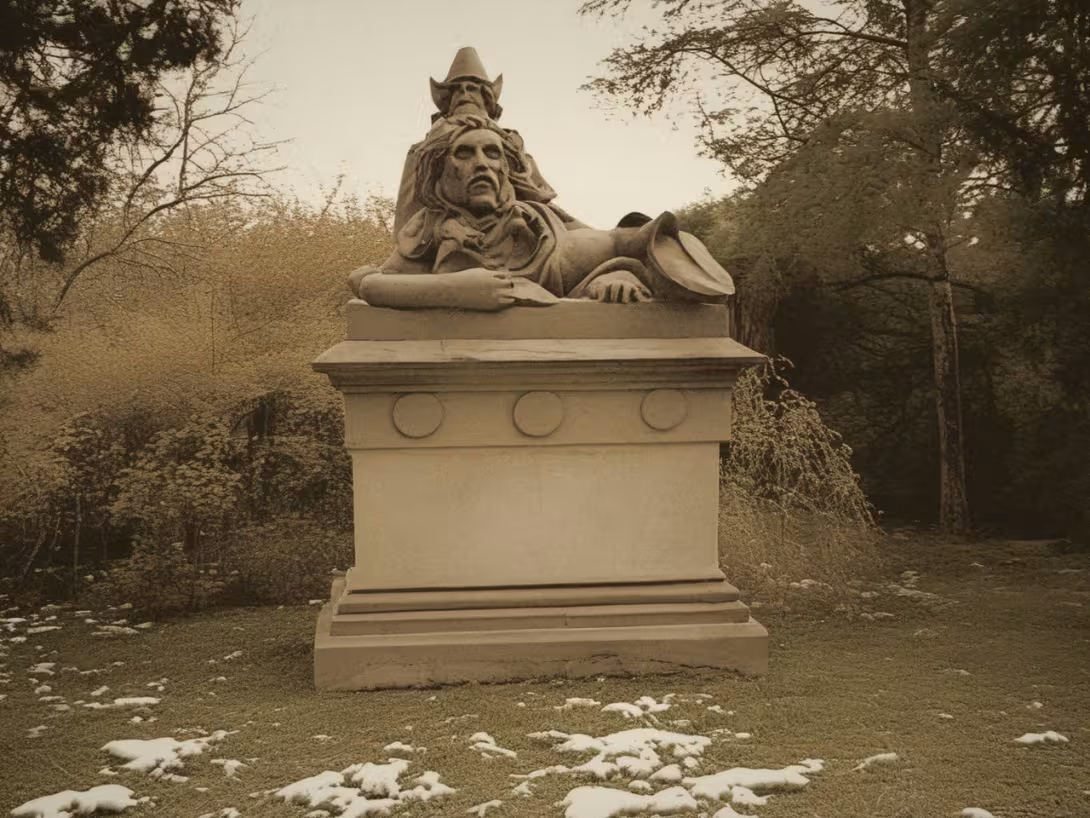
The historical appearance on the left is an AI-generated visualisation and serves as inspiration only.
Historical milestones
- 1872
- The statue was moved to Poříčský Park after the demolition of Prague's city walls.
Architectural development
The statue was initially crafted in the 1850s, reflecting the historicist style prevalent during that era. It has undergone several relocations due to urban changes in Prague, but no significant architectural modifications have been made to the sculpture itself.
Historical events
1852: Sculpture created by Josef and Emanuel Max for the ladies' club in Bad Ischl.
1872: Moved to Poříčský Park after the demolition of Prague's city walls.
1949: Relocated to its current position at a bend in Chotkovy Street.
Guide
This guide is narrated by a synthetic voice generated by artificial intelligence.
Show guide text
This text was created by artificial intelligence and has not been editorially reviewed. It may contain inaccuracies.
Welcome to the heart of Prague's historic Malá Strana district, where you stand before a majestic symbol of Czech heritage—the Socha Český lev, or Statue of the Czech Lion. This impressive sandstone sculpture captures your attention with its regal posture and intricate details. The two-tailed lion wears a Bohemian royal crown, exuding an aura of strength and national pride.
The creation of this statue dates back to the mid-19th century, crafted by the talented sculptors Josef Max and Emanuel Max in 1852. Originally intended for the imperial spa town of Bad Ischl, commissioned by a ladies' club, it was later moved to Prague following the demolition of the city's walls. In 1872, it found its current home at Poříčský Park on Malá Strana. This relocation reflects not only urban development but also the evolving cultural landscape of the time.
As you stand here, take a moment to appreciate the statue’s craftsmanship. The lion is depicted with grandeur and attention to detail, from the flowing lines of its mane to the intricate design of the crown it wears. These elements symbolize Bohemian sovereignty and are a testament to the sculptors' skill in capturing both power and elegance.
The Socha Český lev carries stories that resonate through history, intertwined with Prague's cultural revival during the 19th century—a period when there was a renewed emphasis on Bohemian identity. While specific historical figures related to this statue remain unnamed, its presence is a silent witness to the aspirations and pride of an era.
An intriguing aspect of this statue lies in its original commission by a ladies' club for Bad Ischl, highlighting an interesting intersection between art patronage and social clubs during that period. This detail adds a layer of cultural richness to the narrative, illustrating how art was both inspired by and contributed to societal dynamics.
As you continue your exploration, let the Socha Český lev inspire you to delve deeper into Prague's storied past. The city around you is rich with history, each corner telling its own tale. Thank you for joining us on this journey through time, and we hope you carry forward the spirit of discovery as you explore more of what Malá Strana has to offer.
Tips for visitors
The best time to visit the Socha Český lev is during late spring or early autumn when the weather is pleasant, allowing for comfortable exploration of Malá Strana's cobblestone streets and enjoying the scenic views over Prague. During these months, the crowds are typically smaller than in peak summer, providing a more intimate experience with the historic district and its attractions.
Parking near the Socha Český lev can be challenging due to the popularity of Malá Strana as a tourist destination. Public transportation is recommended for ease of access; visitors can use trams or buses that service the area. For those driving, it's advisable to park in designated areas further from the district and walk or take public transport into the heart of Malá Strana.
When visiting the Socha Český lev, bring comfortable walking shoes as you'll likely explore on foot. A camera is also recommended for capturing the stunning views over Prague and the intricate details of the statue itself. Given that this area can be busy, especially during peak tourist seasons, a small umbrella or raincoat might be useful in case of unexpected weather changes.
For photography enthusiasts, the best spots to capture the Socha Český lev are from the nearby St. Nicholas Church's vantage points or along the paths leading towards Charles Bridge, where natural lighting enhances the statue's details and the surrounding architecture. Early morning light is particularly flattering for photographs, offering softer shadows and a quieter atmosphere.
Nearby attractions within 30 minutes include the iconic Charles Bridge, which offers breathtaking views of Prague Castle across the Vltava River, and St. Nicholas Church, known for its stunning baroque interior and panoramic views from its tower. Both are excellent for families with children, offering engaging history and beautiful scenery to explore.
Businesses nearby
Do you run a restaurant, accommodation, shop, museum, rental, wellness or other visitor service near this monument? Show yourself directly to the people heading to it — this is how they will see you in the app and on the web:
Events nearby

Zdroj akcí: otevřená data měst a obcí ČR (Národní katalog otevřených dat) a kalendář akcí Národního památkového ústavu.
Nearby
Located in Malá Strana, a historic district known for its baroque architecture and scenic views over Prague. Nearby attractions include St. Nicholas Church and the iconic Charles Bridge.
Accommodation nearby
Trips and activities nearby
Guided tours, tickets and activities nearby from GetYourGuide
Affiliate link: if you buy from the partner, we may receive a commission. The price for you does not change.
Search tours and activities →Themed route
Thematic Walking Tour: Malá Strana and the Czech Lion
1. Socha Český lev (Statue of the Czech Lion) - Type: Sculpture - Why Visit: This iconic statue represents the national symbol of the Czech Republic, embodying strength and resilience. Located in the heart of Malá Strana, it's a perfect starting point for exploring this historic district.
2. St. Nicholas Church (Kostel svatého Mikuláše) - Type: Baroque Church - Why Visit: Just a short walk from the Czech Lion statue, St. Nicholas Church is renowned for its stunning baroque architecture and impressive frescoes by Karel Škréta. Its vibrant colors and artistic details make it a must-see.
3. Charles Bridge (Karlův most) - Type: Historic Bridge - Why Visit: Although slightly beyond Malá Strana, the Charles Bridge is accessible via a brief walk across the Vltava River. Famous for its statues and panoramic views of Prague, it offers a picturesque setting to conclude your tour.
This route provides an enriching exploration of Malá Strana's cultural heritage, focusing on key landmarks that highlight the area's historical significance and architectural beauty.
Seasonal recommendations
Spring: As spring unfolds, the Socha Český lev on Malá Strana is bathed in soft, golden light that accentuates its intricate details, creating a magical atmosphere perfect for photography. The surrounding gardens begin to bloom with vibrant colors, offering a picturesque backdrop that enhances the historical significance of the monument. Visitors are advised to bring comfortable walking shoes as they explore the area's blossoming flora and enjoy the mild weather. While crowds can be moderate during this time due to pleasant temperatures, arriving early in the morning is recommended for an optimal experience.
Summer: During summer, the Socha Český lev enjoys long daylight hours that illuminate its grandeur, making it a popular spot for both locals and tourists. The warm weather invites visitors to linger and explore the nearby cafés and outdoor spaces of Malá Strana. However, this period also sees increased foot traffic, so planning your visit during off-peak times, such as early mornings or late afternoons, can help avoid crowds. Light, breathable clothing is recommended to stay comfortable in the summer heat.
Autumn: Autumn brings a stunning transformation with its rich tapestry of reds, oranges, and yellows enveloping Malá Strana, providing an enchanting setting for the Socha Český lev. The cooler temperatures make it ideal for leisurely strolls through the historic streets, capturing the essence of Prague's charm during this vibrant season. Visitors might encounter some events or markets that add to the festive atmosphere, but generally, the area is less crowded than in summer. Layered clothing is advisable to accommodate fluctuating temperatures.
Winter: In winter, the Socha Český lev stands majestically against a backdrop of snow-covered rooftops and twinkling lights, offering a serene and picturesque scene that epitomizes Prague's enchanting winter charm. The shorter days mean earlier closures for many attractions, so planning your visit accordingly is essential. Winter conditions can be unpredictable, so dressing warmly in layers is crucial to enjoy the outdoor experience comfortably. Despite potential cold weather, this season offers a quieter ambiance with fewer tourists, allowing for a more intimate exploration of the area.
Visualizations and artistic views


The visualisations are generated by artificial intelligence and serve as inspiration.
Photos from the area
Real photos taken near the monument

Zdroj a licence jsou uvedeny u každého snímku.
Tips from visitors
No tips yet. Be the first!
Log in and add your tip.
Sources and literature
Photos: ŠJů (cs:ŠJů) / CC BY-SA 3.0 — Wikimedia Commons. The author and licence also appear when you hover over the image.
Faktickým podkladem tohoto textu byl článek na Wikipedii, jehož autory jsou přispěvatelé Wikipedie. Článek je dostupný pod licencí CC BY-SA 4.0.
Location on the map

Příběhy a pověsti
Legendy, pověsti a příběhy spjaté s touto památkou
Fotografie návštěvníků
Zatím žádné fotografie. Buďte první, kdo přidá fotografii z návštěvy!
Log in a přidejte svou fotografii nebo hodnoťte.
Za ověřenou návštěvu v aplikaci získáte víc bodů — poznáme podle GPS, že jste na místě.
Reviews and comments