






kaple svatého Eliáše Chapel
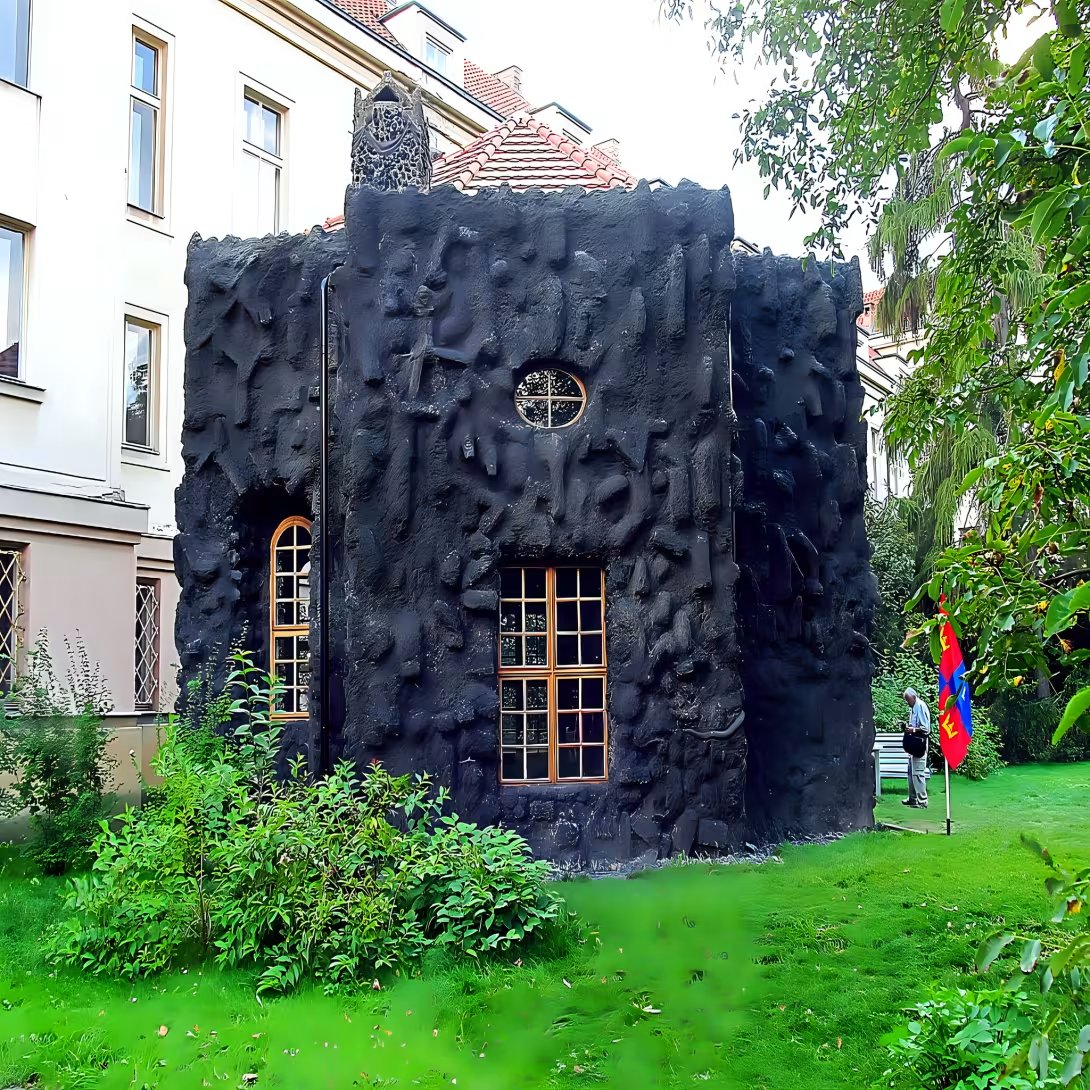
The chapel of St. Elias is located on the Malá Strana in Vojanova orchards in Prague and is protected as a cultural monument of the Czech Republic. This is an extraordinary work of early Baroque architecture - building in the form of an artificial grotty.
The chapel was built between 1660 and 1670 in the garden of the monastery of barefoot carmelites, a order dedicated to the contemplative way of life. It was dedicated to St. Elias, patron saint of the Carmelite Order. The choice of grotty as an architectural form corresponded to the baroque fashion that fascinated the natural creation and its hidden beauty.
The layout of the chapel is the shape of a Latin cross. The facade is decorated with artificial scrapers and small figures of animals - frogs and snakes. Above the baroque profiled entrance is an emblem of the Carmelite Order, in which the Emperor's eagle returns with a golden fleece, symbolizing spiritual authority.
The interior is a composition of natural elements and religious symbolism. The walls and vaults cover stucco scrapers with natural stones, mussels, mirrors and coloured glass. Five wall paintings on the vault depicts the story of St. Elias - his stay in the desert, the resurrection of the widow's son in Sarepta, the sacrifice on Carmel, the ride on a fire cart and the handover of his cloak. The motifs come from the Old Testament (1st and 2nd Royal Books). Part of the decoration is the allegory of the Death of Souls and Purgatory.
The original equipment of the chapel was an altar with a statue of St. Elias and a statue of St. Joseph by Baroque sculptor Matthew Václav Jäckel, who is now in the National Gallery. Today the chapel is without internal equipment.
In 2013 the chapel graduated from a complex restaurant where stucco stalks were restored on the facade, a sign with eagle and zoomorphic decoration, which was for a long time hardly recognizable. The restaurant returned the lost shine to the building and allowed visitors to fully appreciate the wealth of the original baroque imagination.
Then and now
Drag the slider to compare how the landmark may have looked when it was built with the view today.
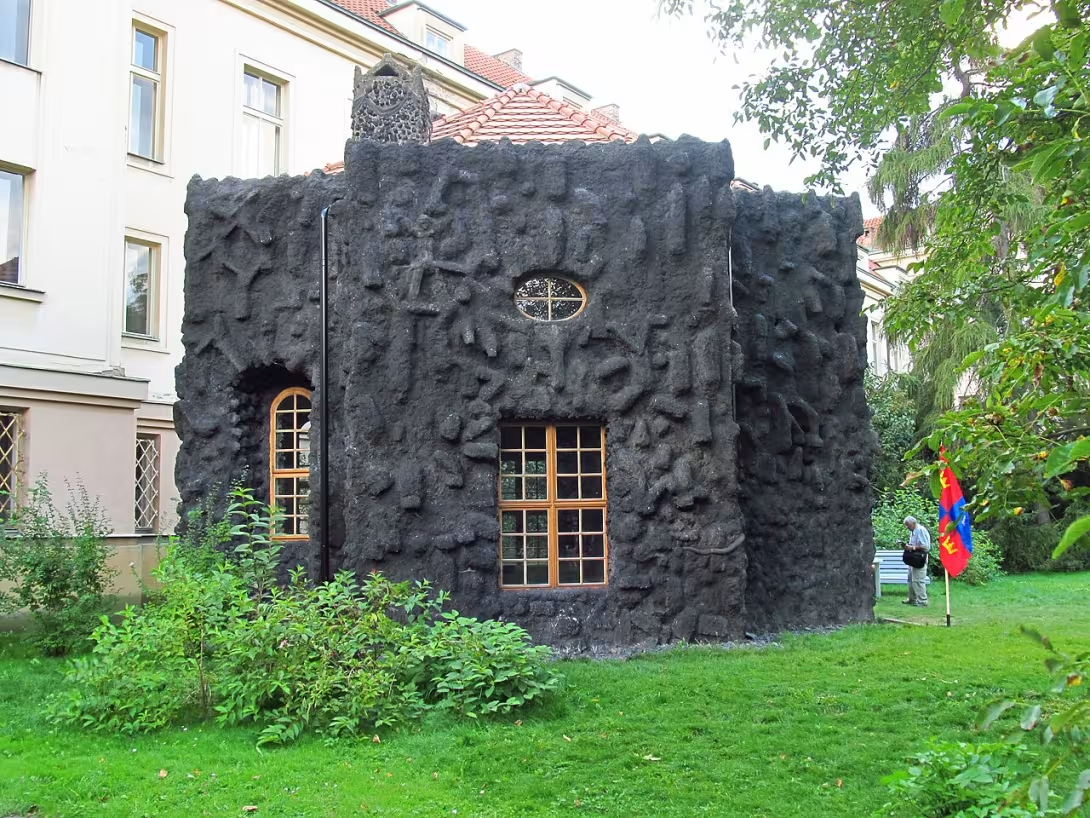
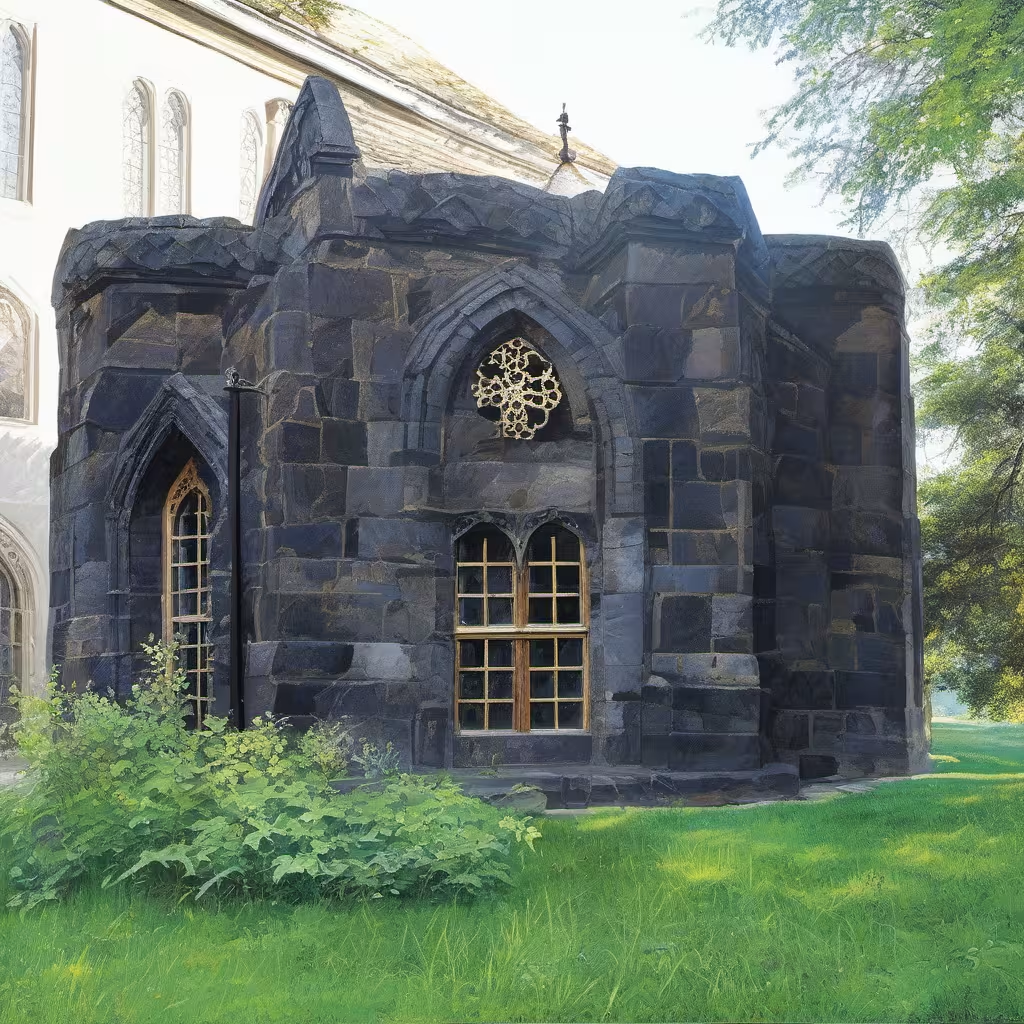
The historical appearance on the left is an AI-generated visualisation and serves as inspiration only.
Historical milestones
- 1660-1670
- The creation of a chapel in the form of an artificial grotty in the garden of the Carmelite monastery
- 2013
- Complex restaurant chapel and restoration of its baroque decoration
Architectural development
The chapel was built as a grotto with a Latin ground plan. The interior decoration includes stucco scrapers, natural stones and wall paintings. Reconstruction in 2013 has restored many details such as stucco scrapers and zoomorphic decoration.
Historical events
- 1660-1670
- Position kaple svatého Eliáše.
- 2013
- Complete reconstruction of the chapel.
Owners
The Royal Chamber
Points of interest
- The chapel of St. Elias is protected as a cultural monument of the Czech Republic. - This is an extraordinary work of early Baroque architecture - building in the form of an artificial grotty. - The chapel was dedicated to St. Elias, patron saint of the Carmelite Order. - The facade of the chapel is decorated with artificial scrapers and small figures of animals - frogs and snakes. - In 2013 the chapel graduated from a complex restaurant where stucco stalks were restored on the facade, a sign with eagle and zoomorphic decoration.
Guide
This guide is narrated by a synthetic voice generated by artificial intelligence.
Show guide text
This text was created by artificial intelligence and has not been editorially reviewed. It may contain inaccuracies.
Welcome to the heart of Prague's Little Party. You are standing in front of one of the most interesting and least common architectural formations you can find in this city. You may have expected a noble church structure with a high tower or monumental palace, but what you have right in front of you is something entirely different. The kaple svatého Eliáše stands before your eyes. The very sight of her must surprise you with her unconventional form. Instead of smooth walls and bright geometric shapes that are so typical of buildings, you'll see structures that resemble a natural cave rather than a human structure. This fascinating creation, known as the Baroque grotta, will immediately take you to another world, a space where the borders between nature and art are deliberately wiped. Feel this atmosphere, feel the feeling of the secret that radiates this place.
Let us now return together to the time when this unique space was created. Imagine Prague's Little Party in the middle of the seventeenth century. It is 1660 and in the gardens of the nearby monastery of barefoot carmelites, a project is beginning to be implemented, which was intended to express the deep spiritual tradition of this order. It was between 1660 and 1670 that this chapel was built. It was not just an ordinary prayer room, but a carefully designed work designed to serve as a place of contemplation, wonder and spiritual rest. For the carmelites who lived here, this grotta was a symbol of separation from the noisy world and return to the ancient, natural roots of faith. The chapel was dedicated to St. Elias, who is the patron saint of the Carmelite Order, which gives the whole place a deep religious sense. This whole space was designed to create emotions and remind a man of his connection to divine creation.
Now pay attention to the details you have right in front of you. Look at the facade and how its surface changes. Notice these artificial crackers that seem to be pulling towards you like they're being extracted from stone in the deepest caverns. This architecture is the masterpiece of an early baroque. The Baroque loved contrast, emotion and surprise, and it was in the form of this artificial cave that this expression was achieved in the purest possible form. If you look even more carefully, you will see that the surface is neither uniform nor smooth. There are hidden little figurines of animals that provide a whole unexpected life and almost fairy tale feel. This animal formation, combined with the rougher texture of the walls, creates the impression that you have just found yourselves in a secret corner of nature, but it was created by a human hand with an incredible precision and a sense of detail.
If you manage to look into the inner spaces or focus on the inner parts of the chapel, your attention will definitely get the demanding five wall paintings. These paintings are not just an ordinary decoration, but they tell a fundamental story. These are the visual chronicles of the prophet Elijah's life. Each of these paintings will guide you through his path, his divine call and his tasks. Imagine the people who stood here in your place centuries ago watching the same scenes you're watching today. Although the world around the chapel has changed completely over the centuries, her message remains the same. It's a story about faith, about strength, and about the relationship of a man to a higher power, expressed through baroque art, which not only wants to inform you, but above all emotionally intervene and make you think.
Perhaps you can think of how this fragile and unique object has seen today and how it is so different from ordinary buildings. It is truly a miracle that he has behaved like this. The chapel of St. Elias is protected as a cultural monument of the Czech Republic, which underlines its immense historical and artistic value. But there's another important moment in her history that's worth recognising that directly affected what you're seeing right now. After a long period when Baroque decoration could wear off or lose its original shine over time, a complex restaurant took place in 2013. It is thanks to this restoration that we can now perceive baroque beauty in its almost original form. The restaurant was not only about repairing walls, but about reviving the entire spirit of this place so that it could again fascinate visitors as it did at the time of its inception in the seventeenth century.
This chapel is truly unique because it represents a rare example of early Baroque architecture in the form of artificial grotto. It's hard to find anything like this all over Prague. It's where architecture stops acting like a building and starts acting like a living organism. It's a space that encourages you to move slower and deeper.
Now that you have gained a basic insight into the secrets of this baroque grotty, I suggest you simply stay, perceive the atmosphere of this place and let its unusual energy consume you. Let your eyes flow over every crevice and every piece you've just seen. The chapel of St. Elias is not just a building, it is an experience that takes place between nature and human imagination. Thank you for spending this moment with us. We wish you a beautiful and inspiring walk with the rest of the Little Party and hope that this unique piece of Prague history will be remembered long after you leave its shadow.
Tips for visitors
The best time to visit kaple svatého Eliáše is an early afternoon when lighting is ideal for understanding the details of stucco decoration. This time also offers a quieter environment without large crowds of tourists.
Parking around the chapel can be difficult, so we recommend using public transport. The nearest metro station is Malostransky or National Theatre, which are easily accessible from city buses and trams.
When you visit the chapel, you remember the appropriate clothes because it's a temple. We also recommend wearing a hat or sunglasses for sun protection, especially in summer.
For photography kaple svatého Eliáše are the best places inside where it is possible to capture rich stucco decoration. The best light for the photo will be an early afternoon when the sun lights the interior elegantly.
In the immediate vicinity of the chapel it is possible to visit a small garden of Vojanova orchards, which offers a quiet space for relaxation. Further you can leave in a few minutes to other attractions on the Lesser Side.
Frequently asked questions
Is kaple svatého Eliáše open to the public?
Yes, the chapel is open for public visits. We recommend to check the current opening times on the official website or contact the monument administration.
How do I get to the place by car / public transport?
The chapel can be reached both by car and by public transport. The nearest metro stations are Malostranska and National Theatre. You can check the current connection in the online public transport search engine.
How much is the entrance fee and is it paid on the spot?
Admission fees are usually paid on the spot. The current price list can be found on the official chapel website or contact the management for the latest information.
Is the tour suitable for children and seniors?
Yes, the tour is also accessible to children and seniors. The chapel offers a quiet environment suitable for family visits.
How long does the tour take?
A tour of the chapel generally takes approximately 30 minutes if you want to focus on the main elements and decoration.
What are the opening times and booking is required?
The opening times of the chapel may vary, so we recommend checking the current information on the official website. Reservation is not usually necessary.
What's interesting in the immediate vicinity?
In the vicinity of the chapel you can visit a small garden of Vojanova orchards, which offers a quiet space to relax. It is also possible to explore other historical monuments and streets on the Malá Strana.
For kids
Hello, young adventurers! Today we will go back in time and discover hidden treasure in the middle of Prague - the chapel of St. Elias. This chapel stands as the mysterious spirit of the past among the green Vojano orchards on the Little Side, and prepare for an adventure full of baroque happiness!
Businesses nearby
Events nearby

Zdroj akcí: otevřená data měst a obcí ČR (Národní katalog otevřených dat) a kalendář akcí Národního památkového ústavu.
Nearby
The surrounding landscape is made up of forests and forests. Another monument is Karlstejn Chateau.
Accommodation nearby
Trips and activities nearby
Guided tours, tickets and activities nearby from GetYourGuide
Affiliate link: if you buy from the partner, we may receive a commission. The price for you does not change.
Search tours and activities →Themed route
1. Exterior of kaple svatého Eliáše, architecture: The tour of the exterior facade allows to appreciate aesthetics and details of the construction. 2. Interior of the kaple svatého Eliáše, sacral space: The inner space offers silence and the possibility of thinking about religious evolution. 3. Area kaple svatého Eliáše, surrounding area: The immediate surrounding of the monument provides a quiet place for a short rest.
Seasonal recommendations
Spring: The chapel of St. Elias in the spring season offers visitors a stunning view of the flowering gardens and surrounding nature, which awakens from the snow breath. The sunny days create ideal lighting for photo and walks around the monument. It is advisable to visit the chapel at the beginning or end of the spring season when there are fewer visitors compared to sunny Tuesdays and Fridays in the main summer season. It is recommended to wear playback clothes because the temperature can be medium and the morning and evening is colder.
Summer: The kaple svatého Eliáše summer offers visitors an unforgettable atmosphere full of sunny dazzling and green benches in surrounding orchards. Summer is an ideal time for long tours, but it is necessary to prepare for possible crowds, especially in mid and late flight. It is recommended to visit the chapel early in the morning or later in the afternoon to avoid the peaks of attendance. Don't forget to wear sun protection and plenty of drinking water.
Autumn: The autumn season brings the chapel of St. Elias into the golden light, when the leaves of the trees draw different shades. This season is ideal for a quiet walk and taking beautiful photos at a pleasant temperature. Visit the chapel at the beginning or end of autumn when there are fewer visitors compared to the middle period until the holiday season. It is recommended to wear layered clothes because the temperature during the day can be pleasant while the evening is colder.
Winter: Winter visit kaple svatého Eliáše offers a unique atmosphere with the possibility to see it in snow costume or during January nights. The lighting is often enhanced, which contributes to a romantic and calm feeling. The chapel has shorter opening times, therefore it is recommended to visit it at noon when the best lighting is. In the winter, remember the warm clothes, the shoes with the antelope and the protection against impact by cold air.
Visualizations and artistic views


The visualisations are generated by artificial intelligence and serve as inspiration.
Photos from the area
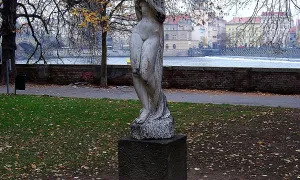
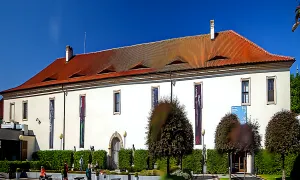
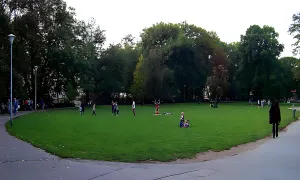
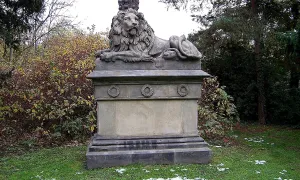
Real photos taken near the monument


Zdroj a licence jsou uvedeny u každého snímku.
Atmosphere of the place
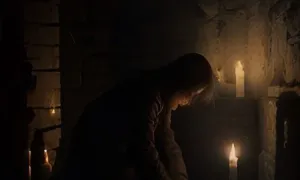
This atmospheric visualisation of the place and period was generated by artificial intelligence. It is not real footage of the location.
Tips from visitors
No tips yet. Be the first!
Log in and add your tip.
Sources and literature
Fotografie: Octopus moldavicus / CC BY-SA 3.0, rozlišení zvýšeno umělou inteligencí — Wikimedia Commons. The author and licence also appear when you hover over the image.
Faktickým podkladem tohoto textu byl článek na Wikipedii, jehož autory jsou přispěvatelé Wikipedie. Článek je dostupný pod licencí CC BY-SA 4.0.
Location on the map

Příběhy a pověsti
Legendy, pověsti a příběhy spjaté s touto památkou
Fotografie návštěvníků
Zatím žádné fotografie. Buďte první, kdo přidá fotografii z návštěvy!
Přihlaste se a přidejte svou fotografii nebo hodnoťte.
Za ověřenou návštěvu v aplikaci získáte víc bodů — poznáme podle GPS, že jste na místě.
Reviews and comments