






kaple svatého Ignáce Chapel
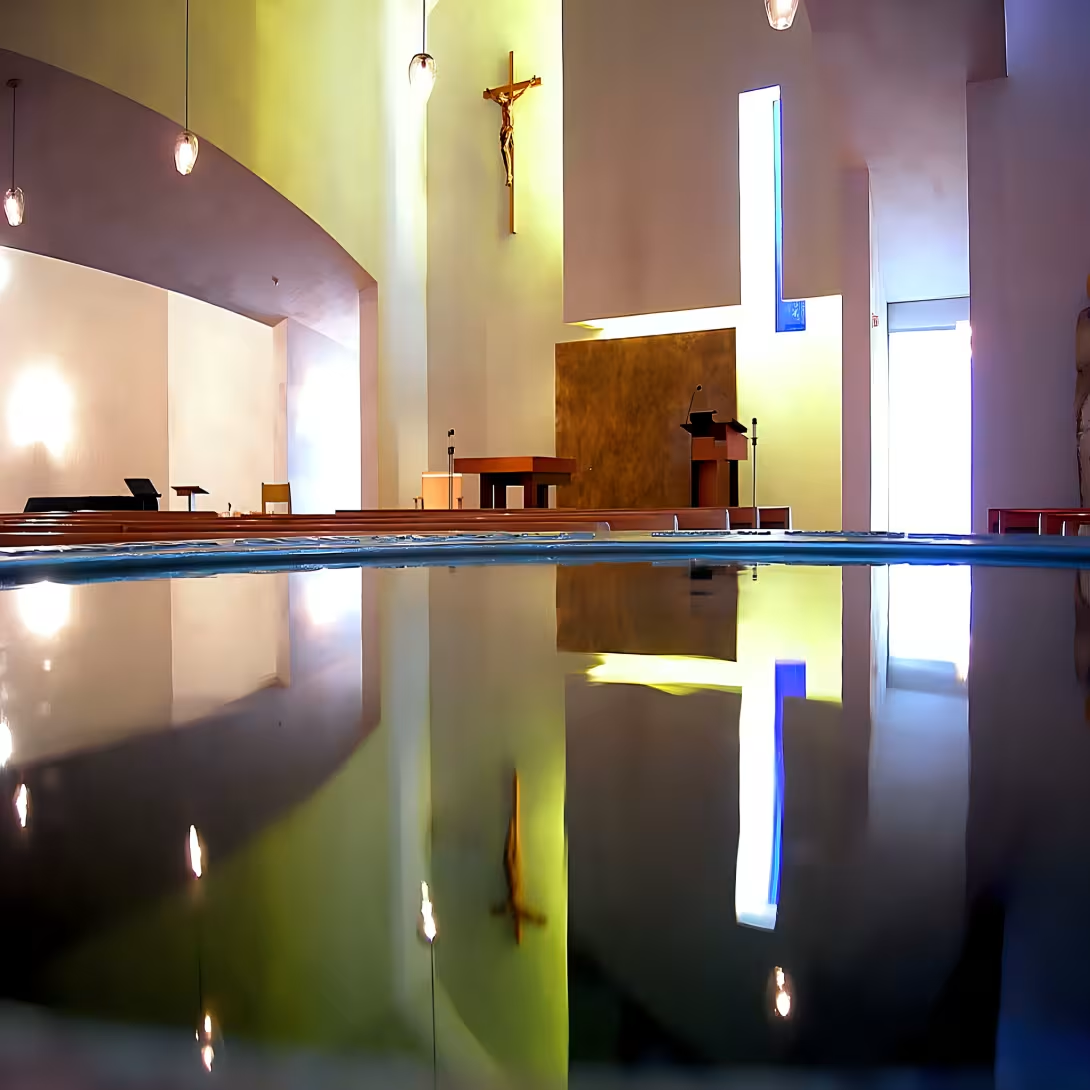
Objekt se nedochoval — na místě dnes nestojí. Následující text popisuje jeho historii, ne současnou návštěvu.
The Chapel of Saint Ignatius in Prague's Malá Strana district is a historical monument that once formed part of a Baroque summer house with an attached chapel dedicated to Saint Ignatius. Situated on the former site of the Lazarist (Jesuit) garden, now the grounds of Strakova Academy, this location is significant for its architectural style and varied history. Although the chapel no longer exists, it remains notable for its representation of Baroque architecture and documented presence on historical maps and models.
Constructed around 1647 during a period when Bohemia was part of the Habsburg Monarchy, the Chapel of Saint Ignatius emerged amidst religious tensions between Catholics and Protestants. The Jesuit order built this Baroque summer house with an integrated chapel as part of their spiritual endeavors. During this era, Baroque art and architecture were often used to express the Catholic Church's power and glory, a context that underscores the chapel's creation.
Architecturally, the Chapel of Saint Ignatius was characterized by its ornate Baroque style, typical of the period with elaborate ornamentation. The summer house had a rectangular layout, housing both the chapel and a dispensary within its structure. Over time, this building served various purposes, reflecting shifts in ownership and use.
Initially owned by the Jesuits until their suppression in 1773, the property was transferred to the religious fund following the dissolution of the order in Bohemia. It subsequently changed hands and was repurposed as a dance hall and tavern before being leased to an evangelical congregation in 1847 for their services. The building's eventual demolition occurred during the construction of Strakova Academy at the end of the 19th century.
The chapel's historical significance is preserved through its depiction on Langweil’s model of Prague, housed in the Museum of the City of Prague. Additionally, its location is documented on maps by Joseph Daniel Huber from 1769 and Josef Jüttner from 1816, providing a visual record of its past presence.
Today, while the Chapel of Saint Ignatius no longer stands, its historical footprint can be appreciated through these preserved models and maps. Visitors interested in Prague's rich architectural history and religious heritage may find value in exploring the grounds of Strakova Academy, where this once-prominent chapel was located. The site offers a glimpse into the past, inviting reflection on the cultural and spiritual narratives that have shaped Malá Strana over centuries.
Then and now
Drag the slider to compare how the landmark may have looked when it was built with the view today.
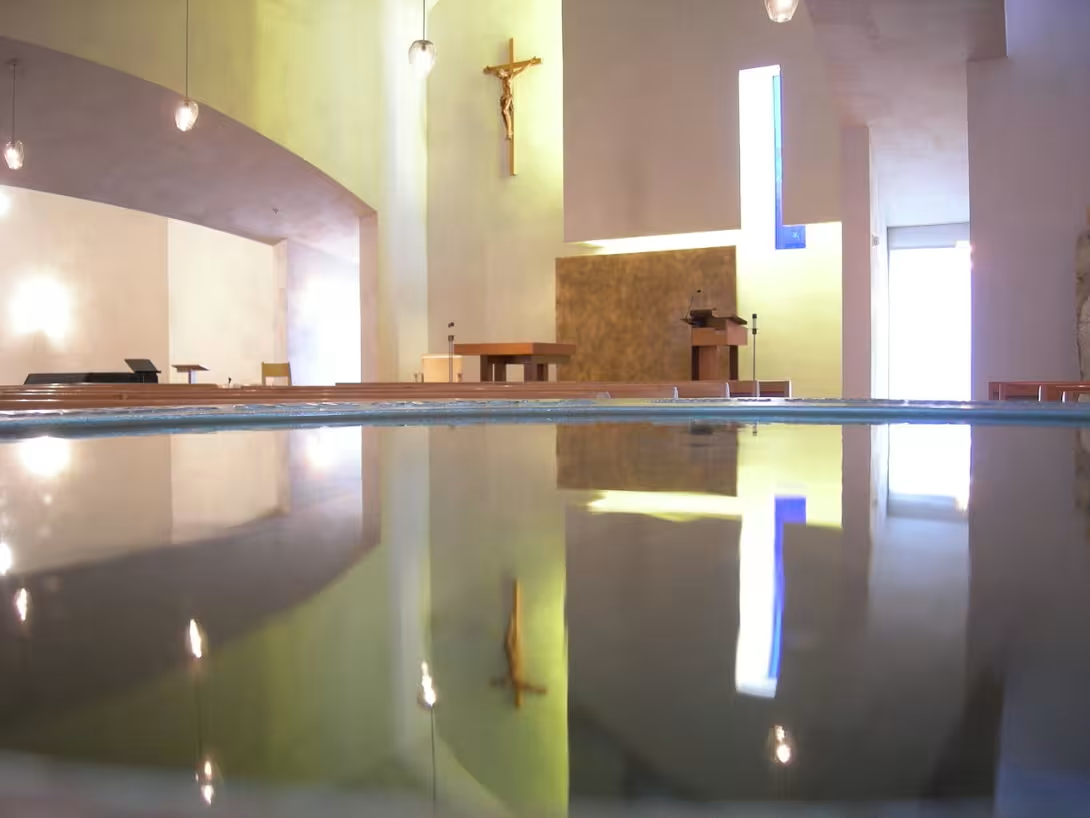

The historical appearance on the left is an AI-generated visualisation and serves as inspiration only.
Historical milestones
- 1647
- Construction of the baroque summer house with the Chapel of Saint Ignatius.
- 1773
- Suppression of the Jesuits in Bohemia leading to the transfer of property to the religious fund.
- 1847
- Evangelical congregation leased the building for their services.
Architectural development
The Chapel of Saint Ignatius was part of a baroque summer house with a rectangular layout. It featured typical Baroque ornamentation and served various purposes over time, including as a spiritual site, dance hall, and tavern before its demolition in the late 19th century.
Historical events
Constructed around 1647 as part of a Jesuit summer house with a chapel dedicated to Saint Ignatius.
After the suppression of the Jesuits in 1773, the property was transferred to the religious fund.
In 1847, an evangelical congregation leased the building for their services.
Owners
Originally owned by the Jesuit order until their suppression in 1773, after which it became part of the religious fund. Later, it was sold and used as a dance hall and tavern before being leased to an evangelical congregation in 1847. The building was eventually demolished during the construction of Strakova Academy at the end of the 19th century.
Guide
This guide is narrated by a synthetic voice generated by artificial intelligence.
Show guide text
This text was created by artificial intelligence and has not been editorially reviewed. It may contain inaccuracies.
Welcome to the Chapel of Saint Ignatius, nestled in the historical heart of Prague's Malá Strana. As you stand here, imagine yourself stepping back into a time when this area was alive with spiritual fervor and architectural beauty. The chapel, once part of an elegant Baroque summer house complete with a dispensary, invites you to explore its rich history.
The origins of this site date back to 1647, during a period when the Jesuits were deeply involved in both community service and spiritual guidance. They constructed this baroque summer house as a retreat for reflection and care, embodying their commitment to serving others. The chapel served as a spiritual haven for the Jesuits until 1773, when the suppression of the order led to its transfer to the religious fund.
Architecturally, the Chapel of Saint Ignatius is a testament to the ornate characteristics typical of the Baroque period. As you gaze upon it now, take in the intricate details that speak volumes about the era's artistic sensibilities. The chapel's design reflects an emphasis on grandeur and detail, with elements that draw your eye upward toward the heavens.
Throughout its history, this site has been a witness to significant changes. After the Jesuits' departure, the building found new life when an evangelical congregation leased it in 1847 for their services. This transition highlights the chapel's enduring role as a place of worship and community gathering.
One intriguing aspect of the Chapel of Saint Ignatius is its connection to the larger Baroque summer house that once stood here. Although the original structure was eventually demolished, the chapel's ornate style remains preserved, offering us a glimpse into the past. This preservation allows us to appreciate the Jesuits' multifaceted approach to community service and spiritual care during their time in Bohemia.
As you continue your exploration, I invite you to delve deeper into the stories and history that this place holds. Let your imagination wander through the centuries as you uncover more about its significance. Thank you for joining me on this journey through time at the Chapel of Saint Ignatius. May your visit inspire a sense of wonder and curiosity as you discover more hidden gems in Prague's rich tapestry of history.
Businesses nearby
Do you run a restaurant, accommodation, shop, museum, rental, wellness or other visitor service near this monument? Show yourself directly to the people heading to it — this is how they will see you in the app and on the web:
Events nearby

Zdroj akcí: otevřená data měst a obcí ČR (Národní katalog otevřených dat) a kalendář akcí Národního památkového ústavu.
Nearby
The chapel was situated in what is now Strakova Academy's garden, near the Vltava River, north of today’s Mánes Bridge and northeast of the former Malá Strana fortifications.
Visualizations and artistic views


The visualisations are generated by artificial intelligence and serve as inspiration.
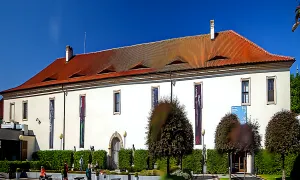
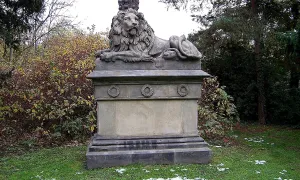
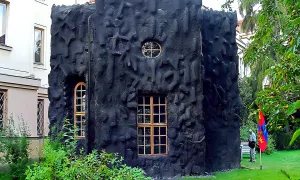
Photos from the area
Real photos taken near the monument


Zdroj a licence jsou uvedeny u každého snímku.
Tips from visitors
No tips yet. Be the first!
Log in and add your tip.
Location on the map

Příběhy a pověsti
Legendy, pověsti a příběhy spjaté s touto památkou

Fotografie návštěvníků
Zatím žádné fotografie. Buďte první, kdo přidá fotografii z návštěvy!
Log in a přidejte svou fotografii nebo hodnoťte.
Za ověřenou návštěvu v aplikaci získáte víc bodů — poznáme podle GPS, že jste na místě.
Reviews and comments