






Zámek Dobřichovice Chateau
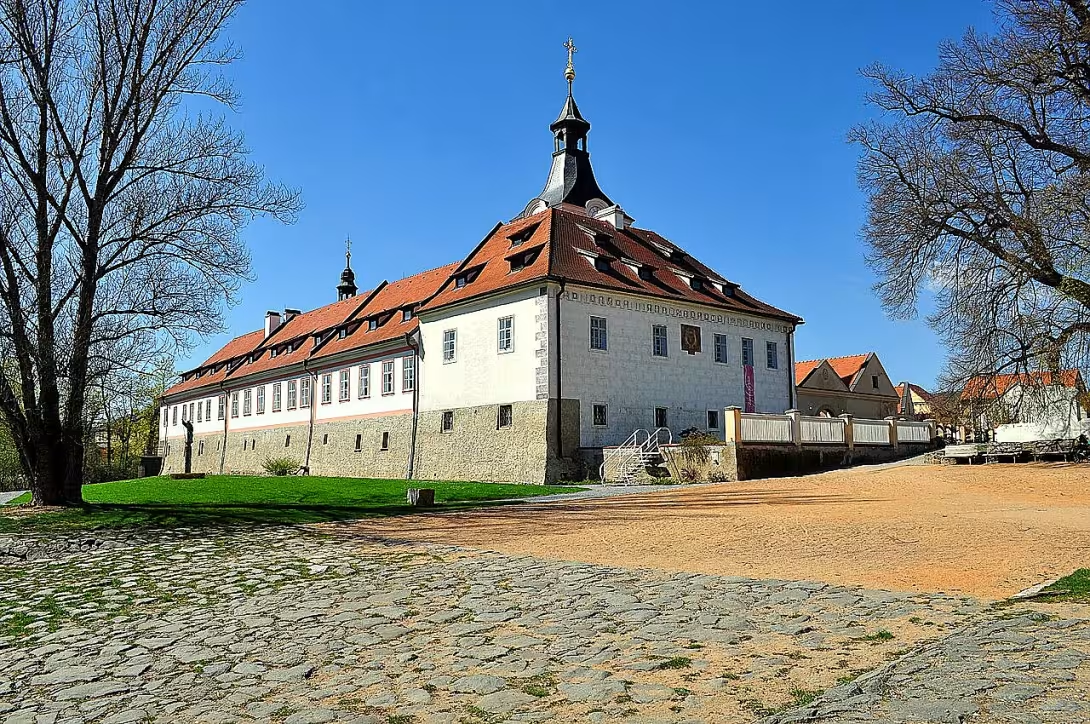
Zámek Dobřichovice, located in Dobřichovice within the Central Bohemian Region, is a cultural monument that represents rich history and architectural evolution. Originally built during the Renaissance period, it changed significantly in the 18th century to adopt its present late Baroque form. The chateau served as the former Knights Hospital headquarters, indicating its importance in various historical times, including the Thirty Years' War, before developing into a cultural centre.
The origin of Zámek Dobřichovice comes from when Knights Hospital acquired the property from King Václav I. v1253. The ownership changed during the Hussite wars, but Matěj z Třebska, a high-ranking member of the Order, was regenerated. This meant the beginning of its long connection with Knights Hospital, who maintained control until 1948. The history of the chateau includes important events such as the short occupation of Jindřich Matyáš z Thurnu during the Czech Revolution in 1618 and its subsequent defeat in the Battle of the White Mountain in 1620.
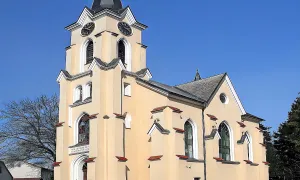
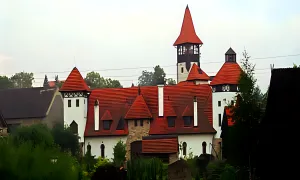
Zámek Dobřichovice has undergone several changes. At first, the Renaissance structure was later modified in the present late Baroque form after the fires in the 17th and 18th centuries. The chateau has a three-winged building with a tower decorated with Renaissance sgraffiti, which for centuries represents architectural evolution. After the great fire in 1779, the chateau was rebuilt in Baroque style, including the addition of a tower which contributed to its present appearance.
During its history Zámek Dobřichovice saw various owners and administrators, reflecting dramatic changes in its use and importance. After serving as a residence for Knights Hospital, he was used for housing and storage after World War II before he returned to order in 1994. This transition underlines the resistance of the chateau and the adaptability of changing times.
Key events in Zámek Dobřichovice include his role during wars with France, where Russian Cossacks settled there in 1799, and a remarkable discovery in 1969 by local priest Šimeček on rare Baroque paintings hidden in the basement of the chateau. These paintings, including portraits of the Knights of the Hospital Leaders, are now displayed in the monastery of order in Prague and join the historical charm of the chateau.
Today Zámek Dobřichovice is the cultural and social center of the city Dobřichovice. After extensive reconstruction efforts that took ten years and culminated in repairs after a major flood in 2002, the chateau is now accessible to visitors. In his chapel dedicated to St. Jude Thaddeus, he hosts religious services and offers local cuisine in the middle of historical grandeur.
The journey Zámek Dobřichovice from the Renaissance estate to the late Baroque masterpiece summarizes centuries of history, architectural innovation and cultural importance. Its permanent legacy as a place of historical events and its transformation into a lively community centre makes it a convincing destination for interested people to explore the rich tapestry of the Czech heritage. Visitors can immerse themselves in the history of this monument and experience firsthand beauty and resistance that defines Zámek Dobřichovice.
Then and now
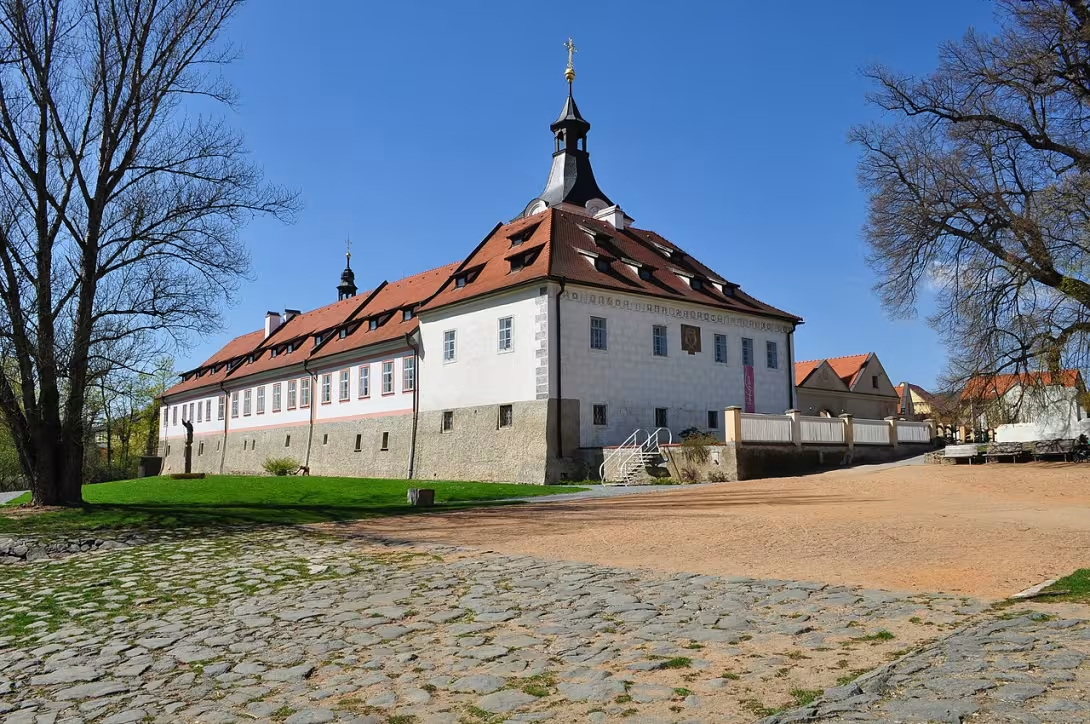
Drag the slider to compare how the landmark may have looked when it was built with the view today.
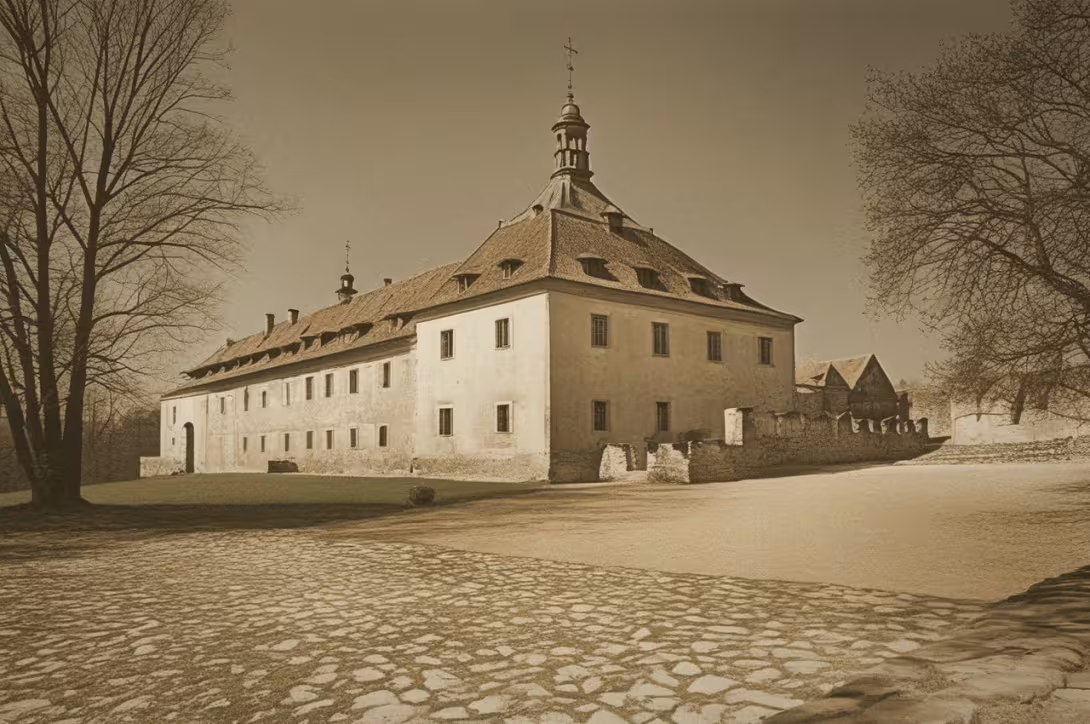
The historical appearance on the left is an AI-generated visualisation and serves as inspiration only.
Historical milestones
- 1618
- Jindřich Matyáš z Thurnu was installed by the Czech States.
- 1620
- Thurn held Dobřichovice until defeat at the Battle of White Mountain.
- 1779
- After a big fire, the chateau was rebuilt in Baroque style.
Architectural development
Dobřichovice Chateau has undergone significant architectural changes for centuries. Originally, the Renaissance structure was transformed into a contemporary late Baroque form after the fires in the 17th and 18th centuries. Renovations included the addition of the chateau tower and reconstruction after large fires with contributions of architects such as Václav Schlachter.
Historical events
In 1618, during the Czech Revolution, Jindřich Matyáš z Thurnu briefly held the chateau until its defeat in the Battle of the White Mountain in 1620.
During the Thirty Years' War the chateau was burned by Swedish forces and later rebuilt in Baroque style after another fire in 1779.
Owners
Knights Hospital acquired Dobřichovice in 1253 from King Václav I., lost it during Hussite Wars, acquired it under Matěj z Třebska, and maintained ownership until 1948. After World War II it was used for housing and storage before it was returned to Knights Hospital in 1994.
Points of interest
- Zámek Dobřichovice was originally obtained by Knights Hospital from King Václav I. in 1253, marking its long-lasting connection to this influential order.
- During the Czech Revolution in 1618 Jindřich Matyáš z Thurnu briefly occupied Zámek Dobřichovice before his defeat in the Battle of White Mountain in 1620, highlighting the strategic importance of the chateau in turbulent times.
- In 1799, Russian Cossacks settled in the chateau to defend themselves against potential French invasions, illustrating its role as a military stronghold during conflicts with France.
- A remarkable discovery was made in 1969 when the local priest Šimek found rare Baroque paintings hidden in the basement of the chateau, including portraits of the knights of the Hospital leaders, now exhibited in Prague.
- After being returned to Knights Hospital in 1994, Zámek Dobřichovice transformed into a cultural and social center for Dobřichovice, hosting religious services and offering local cuisine in its restaurant.
Guide
This guide is narrated by a synthetic voice generated by artificial intelligence.
Show guide text
This text was created by artificial intelligence and has not been editorially reviewed. It may contain inaccuracies.
Welcome to the historical Zámek Dobřichovice, a remarkable testimony of the architectural and cultural development of Dobřichovice in the Central Bohemia Region. As you stand in front of this great construction, take a moment to absorb its majestic presence - a three-winged construction crowned by an elegant tower decorated with Renaissance sgraffiti. This chateau, once a residence for Knights Hospital, invites you to travel through time.
The origin of Zámek Dobřichovice dates back to 1253, when it was acquired by King Václav I. of influential Knights Hospital. Initially built in Renaissance style, his architectural story a dramatic turn in the 18th century after a great fire. Renovated in the late Baroque style in 1779, the chateau now stands as a cultural monument with a rich tapestry of history woven into its very fabric.
As you explore the surroundings, notice how architecture smoothly blends elements from different times. Renaissance sgraffiti on the tower offers a view of the artistic effort that once decorated this site. This complex detail is just one of many that point to the history of the chateau and transformation for centuries.
Zámek Dobřichovice witnessed key moments in history, including the occupation of Jindřich Matyáš z Thurnu during the Czech Revolution in 1618. Thurn, installed by the Czech States, held the chateau until his defeat in the Battle of the White Mountains in 1620 - proof of the strategic importance of this location.
The history of the chateau is further enriched with numbers such as Václav I., Zikmund Lucemburský, Matěj z Třebska, Antonín Brus z Mohelnice, and Zbyňek Berka z Dubé. These historical figures left an indelible mark on the heritage of the chateau, each contributing to its story in a unique way.
One of the interesting aspects of Zámek Dobřichovice is its long-term connection with Knights Hospital - a relationship that began over seven centuries ago. This permanent bond speaks of the importance of the chateau and its resilience through various historical echoes.
At the end of your visit, I urge you to continue to discover this fascinating place, perhaps dive deeper into its gardens or walk on its historic grounds. Zámek Dobřichovice offers a stunning view of the past and all who visit to think about the stories they hold in their walls. Thank you for joining me on this journey of history, and I hope that your experiences here are as rewarding as they are unforgettable. Safe travels as you continue your Středočeský kraj survey!
Tips for visitors
The best time to visit Chateau Dobřichovice is at the end of spring or early autumn months, from May to September. During this time the weather is usually mild and pleasant, making it ideal for exploring the chateau grounds and its surrounding moat and walls. The gardens are in full bloom during this period, offering a picturesque environment that increases your visit. In addition, a visit outside the top tourist season can provide a quieter experience with fewer crowds.
For most current plans and routes, check local transport websites or applications. Walking the historic streets of Dobřichovice is a pleasant way to explore once you arrive.
When visiting chateau Dobřichovice it is recommended to bring comfortable walking shoes because there are several areas to explore on foot, including the chateau area and the surrounding ditch. A camera or smartphone for photography is also recommended, especially if you want to capture the stunning Baroque statue of Jan Nepomuk from 1729. In addition, consider bringing a light jacket or umbrella in case of sudden weather changes as well as water and refreshments.
For photographic enthusiasts, some of the best places on Dobřichovic Chateau include the main entrance where you can capture the size of Renaissance architecture against the background of the ditch. The Baroque statue of Jan Nepomucký offers a unique subject for photographs, especially during the golden hour when the light is soft and warm. Morning or late afternoon visits are ideal for the use of natural light conditions.
The nearby attractions within 30 minutes include other cultural monuments in Středočeský kraj. Consider visiting local museums or exploring surrounding natural paths for a more comprehensive experience of the history and beauty of the region. These trips can provide additional context and enjoyment, especially if you are interested in learning more about the rich heritage area.
Frequently asked questions
Can the monument be visited?
Some buildings of this kind are open for guided tours, others serve another purpose or are privately owned. We have not verified whether and when this monument is open – please ask the operator.
What are the opening hours and admission?
We have not verified the opening hours or admission. Current information is published by the operator.
Where is the monument?
Location: Palackého 1, Dobřichovice, Středočeský kraj. The map on this page shows the exact spot.
Why is the monument protected?
It is listed in the Central List of Cultural Monuments of the Czech Republic as a cultural monument (register no. 39063/2-2226).
Businesses nearby
Do you run a restaurant, accommodation, shop, museum, rental, wellness or other visitor service near this monument? Show yourself directly to the people heading to it — this is how they will see you in the app and on the web:
Events nearby

Zdroj akcí: otevřená data měst a obcí ČR (Národní katalog otevřených dat) a kalendář akcí Národního památkového ústavu.
Nearby
The chateau is surrounded by a moat and a wall with two gates. There is a Baroque statue of Jan Nepomuk from 1729 nearby.
Accommodation nearby
Trips and activities nearby
Guided tours, tickets and activities nearby from GetYourGuide
Affiliate link: if you buy from the partner, we may receive a commission. The price for you does not change.
Search tours and activities →Themed route
Thematic cruise route: Zámek Dobřichovice and its surroundings
1. Zámek Dobřichovice (lock) The beginning has its own share of the Dobřichovice Chateau, which is one of the most beautiful Baroque locks in the Czech Republic. The chateau offers to support architecture with rich history, which dates back to the 16th century. Its interior is equipped with original furniture and art pieces, which is done for all milestones of history and architecture.
2. Baroque statue of St. John Nepomuk (statue) A short walk from the chateau to appear at the Baroque statue of St. John Nepomuk from 1729. This statue is an important musical cannon and a symbolic local culture that goes to an area that is both historical value and aesthetics. It is an ideal place for rest and use with a quiet surroundings.
3. Chateau park (park) Explore the large chateau park, which is the current area of the chateau Dobřichovice. The park offers beautiful prochs outside the orchards and historic trees, providing ideal products for relaxation and use with natural. It is the perfect place to visit the chateau or to postpone after the difficulty of the interior.
4. Chateau tower (tower) Also visit the chateau sentence, which offers a panoramic view of the chateau and surrounding landscape. The entrance to the tower is possible after howling the reservation, but the mouth disconnects with the beauty of visions that can be put into service. It is an ideal place for photography and production of the chateau's overall areal.
This route offers combined assistance on the history and culture of Chateau Dobřichovice, along with its surroundings, and perfectly fitting into every day of discovery.
Seasonal recommendations
Spring: Zámek Dobřichovice offers a new settlement in the spring, when the sun's rays represent the architecture of the chateau beauty. Objective offers of seedlings and park offers within the tendering procedure for milk products. In this case, it should be determined whether a maximum value should be set. It is recommended to be built in proper controls, where temperature is pleasant and the sun rays are not designed intensively. Good shoes are suitable for chaps around the garden, and light round will be state to maintain.
Summer: Summer is a period full of life at Chateau Dobřichovice. The sunny day and the heating plant shall recalculate the quantities of the products concerned to be delivered. Parks with an existing favorite place for picnics and relaxation under existing old trees. Due to the popularity of the chateau in the summer, it is advisable to visit the early or late evening to avoid pushing the crowd during the glorious hours.
Autumn: In the autumn case Zámek Dobřichovice uses a stunning atmosphere with coloured leaves and mild temperatures. Sunshine postponed in this year are ideal for high-end trays, to which the provisions on animal rights are to apply without prior date. Due to the decrease in temperature, it is advisable to wear layered round and possibly blankets or shirts, especially in cold afternoons. This time of year is also ideal for photographers, distance to beautiful echoes and color sheets.
Winter: Winter visit Dobřichovice Chateau offers a different but equally attractive atmosphere. Cold equipment may be designed to be put into service and to improve the condition that occurs. A list of other colours which may be transmitted for significant photographs is hereby established. The entrustment bodies should be considered significant since shirts and blankets, in particular, should be bound to carry out production activities. Importing the supply is supplied by means of how to maximize the claim within a limited time that is intended to be used.
Visualizations and artistic views


The visualisations are generated by artificial intelligence and serve as inspiration.
Photos from the area
Real photos taken near the monument

Zdroj a licence jsou uvedeny u každého snímku.
Atmosphere of the place
This atmospheric visualisation of the place and period was generated by artificial intelligence. It is not real footage of the location.
Tips from visitors
No tips yet. Be the first!
Log in and add your tip.
Sources and literature
Photos: Jirka Dl / CC BY-SA 3.0 — Wikimedia Commons. The author and licence also appear when you hover over the image.
Faktickým podkladem tohoto textu byl článek na Wikipedii, jehož autory jsou přispěvatelé Wikipedie. Článek je dostupný pod licencí CC BY-SA 4.0.
Location on the map

Příběhy a pověsti
Legendy, pověsti a příběhy spjaté s touto památkou
Fotografie návštěvníků
Zatím žádné fotografie. Buďte první, kdo přidá fotografii z návštěvy!
Log in a přidejte svou fotografii nebo hodnoťte.
Za ověřenou návštěvu v aplikaci získáte víc bodů — poznáme podle GPS, že jste na místě.
Reviews and comments