






Zámek Dobromilice Chateau
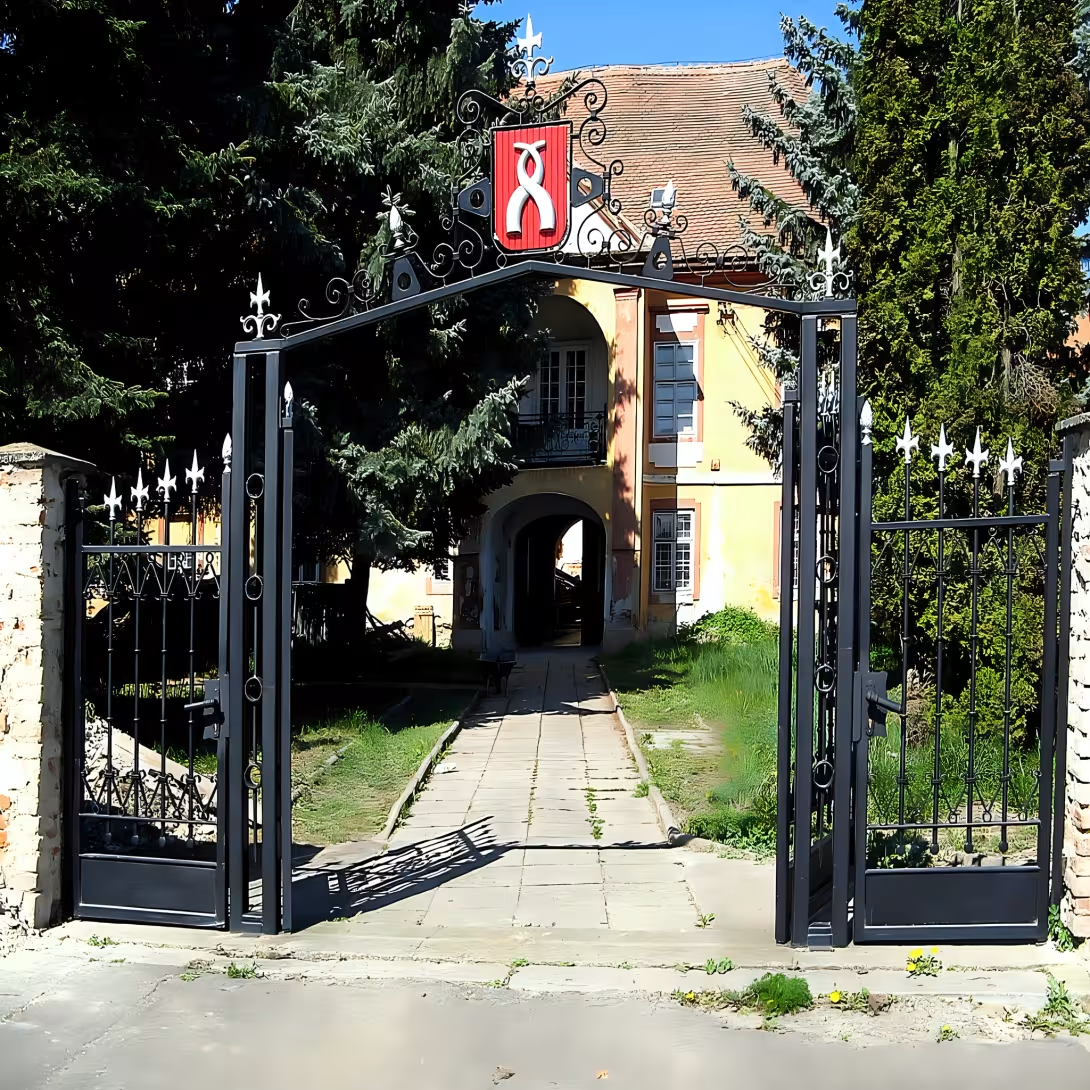
Zámek Dobromilice is a cultural monument in the village Dobromilice in the region Olomoucký kraj. This Baroque chateau dates back to 1368 when it was first mentioned as a medieval fortress. Its conversion to the Baroque structure Jan Arnošt ze Scherfenberka at the end of the 17th century refers to it as an architectural and historical jewel.
The origin of Zámek Dobromilice leads back to the medieval fortress, documented in 1368. In the middle of the 16th century Matyáš Žalkovský ze Žalkovic won the manor after leaving the original fortress. Jan Arnošt ze Scherfenberka later transformed the Baroque chateau at the end of the 17th century.
Zámek Dobromilice has architectural styles: medieval, Renaissance and Baroque influences. It has a five-winged arrangement with elements from various periods, including the Renaissance core, baroque modifications and extension of the 18th century Rococo Václav hrabě Kořenský z Terešova. Exteriors show carved facades with oblong windows, interiors boast Renaissance nets and baroque salon terrena.
The ownership of Zámek Dobromilice has changed owners several times over the centuries. After the reconstruction Jan Arnošt ze Scherfenberka switched to Přepyšští z Rychemberka in 1699, then to Kořenští z Terešova in 1737 and later to Marie Anna von Reichenau, provdaná Clam-Martinic in 1796. Michael Zikmund Bukůvka acquired it in 1826, under which the chateau became a vibrant social centre. The ownership passed through Bedřich z Fürstenberka before the transfer into private hands in 2002.
During his history Zámek Dobromilice hosted important events and figures. During Michael Zikmund Bukůvka she served as a cultural centre with musicians such as Karel Wilhelm Haugwitz and Hynek Soldier. She also welcomed political figures like Cyril František Nappa.
Today the chateau is privately owned and has been gradually renovated since 2002. Although it is not generally accessible to the public, its historical importance and architectural beauty make it a convincing destination for those interested in the Czech heritage. Visitors can appreciate his unique blend of styles and think about the rich history inside his walls.
Zámek Dobromilice has been a testament to cultural and architectural evolution for centuries, inviting an examination of its history and permanent heritage.
Then and now
Drag the slider to compare how the landmark may have looked when it was built with the view today.
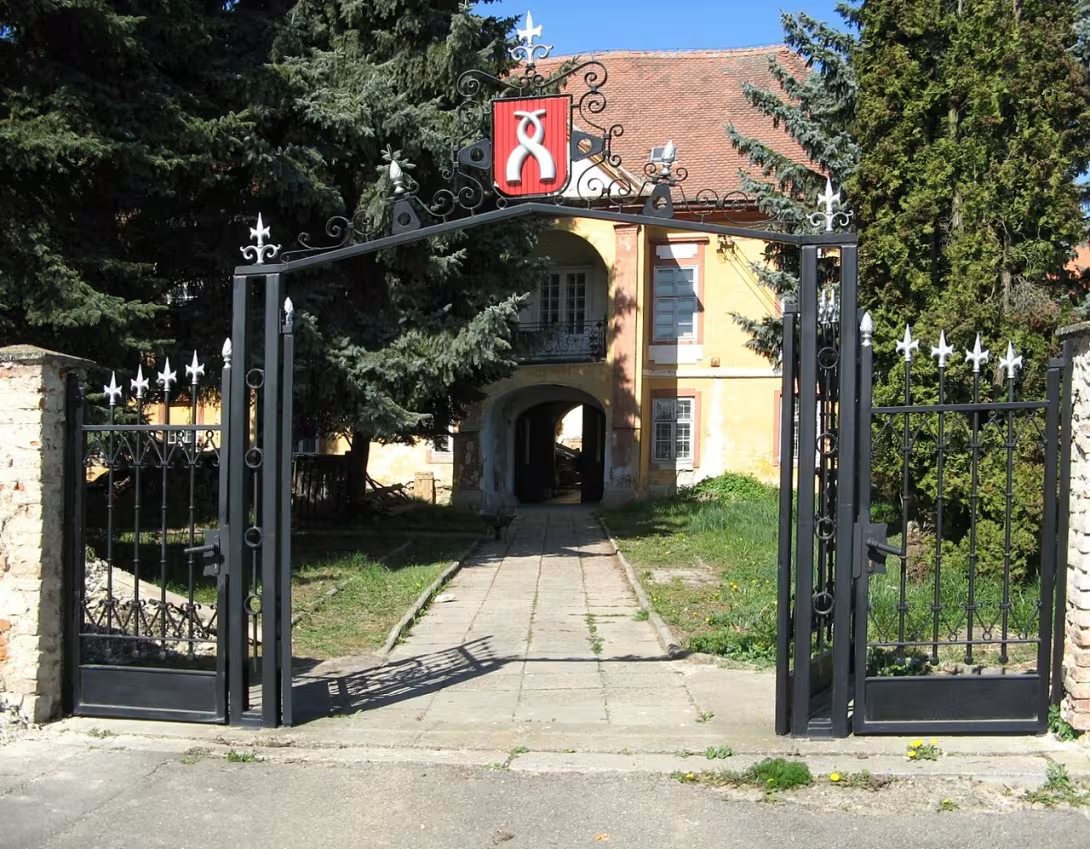

The historical appearance on the left is an AI-generated visualisation and serves as inspiration only.
Historical milestones
- 1368
- The first documented mention of the medieval fortress.
- 1699
- The Scherfenberk family sold the property to Přepyšští z Rychemberka.
Architectural development
The chateau began as a medieval fortress, later rebuilt into a baroque structure with five winged Jan Arnošt ze Scherfenberka arrangements. Václav hrabě Kořenský z Terešova added Rococo enlargement and renovated facades in the 18th century. The property was further modified by the Buk family, which decorated it with a coat of arms.
Historical events
Transformation from medieval fortress to Baroque chateau from Jan Arnošt ze Scherfenberka at the end of the 17th century.
Acquisition and renovation of Václav hrabě Kořenský z Terešova, including Rococo extension in the 18th century.
Owners
Jan Arnošt ze Scherfenberka (late 17th century)
Přepyšští z Rychemberka (after 1699)
Kořenští z Terešova (since 1737)
Marie Anna von Reichenau, provdaná Clam-Martinic (1796-1826)
Michael Zikmund Bukůvka (1835 et cetera)
Bedřich z Fürstenberka (1870s)
Catholic Support Association of the Archdiocese of Olgabe (from 1874 to post-1948)
Private ownership (since 2002)
Points of interest
- The conversion of the chateau into a Baroque structure was conducted by Jan Arnošt ze Scherfenberka at the end of the 17th century, which means a significant architectural shift from medieval origin.
- Zámek Dobromilice contains an eclectic mix of styles: medieval, Renaissance and Baroque, with a unique five-wing schedule which contains elements from various historical periods, including the extension of Rococo from the 18th century Václav hrabě Kořenský z Terešova.
- During the ownership of Michael Zikmund Bukůvka in the early 19th century, Zámek Dobromilice became a vibrant social center, which hosted renowned musicians such as Karel Wilhelm Haugwitz and Hynek Soldier, as well as political personalities like Cyril František Nappa.
- The chateau has recorded a number of changes in ownership over the centuries, with remarkable owners including Přepyšští z Rychemberka, Kořenští z Terešova, Marie Anna von Reichenau, provdaná Clam-Martinic, and Bedřich z Fürstenberka, reflecting its continued attractiveness and historical significance.
- Although Zámek Dobromilice is now privately owned and not generally accessible to the public, it has undergone a gradual reconstruction since 2002, which will preserve its architectural beauty and rich history for future generations.
Guide
This guide is narrated by a synthetic voice generated by artificial intelligence.
Show guide text
This text was created by artificial intelligence and has not been editorially reviewed. It may contain inaccuracies.
Welcome to the historic Zámek Dobromilice! As you stand before this remarkable cultural monument nestled in the village of Dobromilice, take a moment to absorb its magnificent and rich history that will develop around you.
The story of Zámek Dobromilice begins in 1368, when it was first documented as a medieval fortress. Over time, it was transformed by various architectural styles and ownership, reflecting the dynamic history of the region. By the end of the 17th century, under the influence of Jan Arnošt ze Scherfenberka, the fortress has undergone significant changes, evolving into the Baroque chateau that you see today.
As you admire the structure in front of you, notice its unique architectural mix, which tells stories from different times. The chateau core retains elements of Renaissance design, smoothly integrated with later Baroque modifications. This eclectic mix of medieval, Renaissance and Baroque styles is evident in the overall layout and details of the building. Although there are no details such as towers or towers, take a moment to appreciate the harmony of these architectural influences.
During his history, Zámek Dobromilice was home to many remarkable characters that shaped his legacy. Jan Arnošt ze Scherfenberka was a tool to transform it into a Baroque masterpiece. Over time, ownership changes, including the sale of the Scherfenberg family to Přepyšští z Rychemberka in 1699. Other historical figures associated with this site include Matyáš Žalkovský ze Žalkovic and Václav hrabě Kořenský z Terešova, each contributing their own chapter to the rich story of the chateau.
One of the interesting aspects of Zámek Dobromilice is its architectural evolution. At the head of Jan Arnošt ze Scherfenberka in the late 17th century, this transformation marked a significant shift from medieval origin. This period of change reflects broader historical trends and personal tastes of those who lived here.
As you continue to explore Zámek Dobromilice, I urge you to dive deeper into his stories and secrets. In every corner, there are echoes of the past waiting to be discovered. Enjoy your journey through history in this fascinating place, and let it inspire a sense of wonder and curiosity as you learn more about his told past.
Thank you for joining me and I hope you will continue to discover many layers that make Zámek Dobromilice such an exceptional place. Safe travels and happy discovery!
Frequently asked questions
Can the monument be visited?
Some buildings of this kind are open for guided tours, others serve another purpose or are privately owned. We have not verified whether and when this monument is open – please ask the operator. According to the heritage register restoration is under way, so access may be restricted.
What are the opening hours and admission?
We have not verified the opening hours or admission. Current information is published by the operator.
Where is the monument?
Location: č.p. 40, Dobromilice, Olomoucký kraj. The map on this page shows the exact spot.
Why is the monument protected?
It is listed in the Central List of Cultural Monuments of the Czech Republic as a cultural monument (register no. 29542/7-5508).
Businesses nearby
Do you run a restaurant, accommodation, shop, museum, rental, wellness or other visitor service near this monument? Show yourself directly to the people heading to it — this is how they will see you in the app and on the web:
Nearby
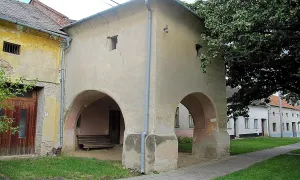
Zámek Dobromilice is located near the park and from the beginning of the 18th century there is a Baroque granary. The surrounding landscape includes other cultural sites within a radius of 5 km.
Accommodation nearby
Trips and activities nearby
Guided tours, tickets and activities nearby from GetYourGuide
Affiliate link: if you buy from the partner, we may receive a commission. The price for you does not change.
Search tours and activities →Themed route
Thematic cruise route chateau Dobromilice
1. Zámek Dobromilice (lock) The journey started at the Lone Chateau Dobromilice, which is a non-refundable and highest work of the route. This baroque chateau with its impressive architecture acquires new interiors and historical exponents that represent the region's rich past. Its park spaces are an ideal place to relax and walk.
2. Baroque class (Baroque building) More precisely 0.5 km from the chateau there is a baroque grenade from the side of the 18th century. This building is a significant change of Baroque and has an architecture that has historic changes in conditions for regional development. It should be noted that the second situation that is worthy of it means that it is State aid.
3. Park at Chateau Dobromilice (park) Although the park is a part of the chateau area, it is a larger area and natural beauty that is behind the independent production. The park offers liquid trails that lead to greenery and can be used with outdoor management. It is an ideal place to relax after training historical buildings.
4. Tanks Chateau Dobromilice (courtyard) Visit the new chateau, which is the centre of the whole area and offers a reliable on its historical architecture. It is important that some activities and exhibitions are part of the project, but there are not the activities themselves that can be carried out. It's a great source of immersion in the atmosphere and history of the chateau.
This route offers combined use on Zámek Dobromilice and its surroundings, combined historical monuments with natural beauty.
Seasonal recommendations
Spring: Visit Zámek Dobromilice during spring offers a unique experience, as the surrounding landscape bursts into life with vibrating colors. Blossoming gardens and fresh greenery create an idyllic environment, ideal for nature lovers who appreciate the rebirth of flora after winter. With longer daily hours, it is ideal time to explore the chateau area in leisure time. However, be prepared for occasional rain showers that may add a refreshing touch to your visit, but may also lead to muddy roads.
Summer: Summer is a popular season to experience Zámek Dobromilice thanks to warm weather and extended daily hours, making it ideal for outdoor activities. The lush gardens are in full bloom, providing a picturesque background. Due to the peak tourist season, arriving soon can help avoid crowds and ensure that you have enough time to explore. We recommend comfortable walking shoes and light clothes, along with sunscreen and plenty of water to remain hydrated.
Autumn: Autumn brings a stunning palette of red, orange and yellow to the surroundings of Zámek Dobromilice, which offers a magical atmosphere that is ideal for enthusiast photographers. Thanks to cold temperatures it is nice to walk on the chateau grounds without summer heat. It is advisable to dress in layers, because the weather can be unpredictable, with sharp wounds retreating to warmer afternoons.
Winter: Winter transforms Zámek Dobromilice into a quiet and charming destination, especially if snow covers the landscape, adds a touch of fabulous charm. The chateau can have limited hours during this season due to shorter days and possible closure for maintenance. Visitors should dress warmly in layers, including hats and gloves, and be prepared for the ice trails. Despite fewer tourists, it is wise to check in advance on any special events or closures that might affect your visit.
Visualizations and artistic views


The visualisations are generated by artificial intelligence and serve as inspiration.
Photos from the area
Real photos taken near the monument


Zdroj a licence jsou uvedeny u každého snímku.
Atmosphere of the place
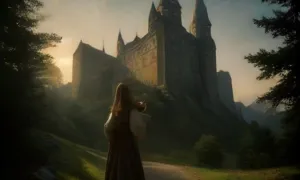
This atmospheric visualisation of the place and period was generated by artificial intelligence. It is not real footage of the location.
Tips from visitors
No tips yet. Be the first!
Log in and add your tip.
Sources and literature
Photos: Lubomír Kaprál / CC BY-SA 3.0, rozlišení zvýšeno umělou inteligencí — Wikimedia Commons. The author and licence also appear when you hover over the image.
Faktickým podkladem tohoto textu byl článek na Wikipedii, jehož autory jsou přispěvatelé Wikipedie. Článek je dostupný pod licencí CC BY-SA 4.0.
Location on the map
Příběhy a pověsti
Legendy, pověsti a příběhy spjaté s touto památkou
Fotografie návštěvníků
Zatím žádné fotografie. Buďte první, kdo přidá fotografii z návštěvy!
Log in a přidejte svou fotografii nebo hodnoťte.
Za ověřenou návštěvu v aplikaci získáte víc bodů — poznáme podle GPS, že jste na místě.
Reviews and comments