



Zámek Dolní Břežany Chateau
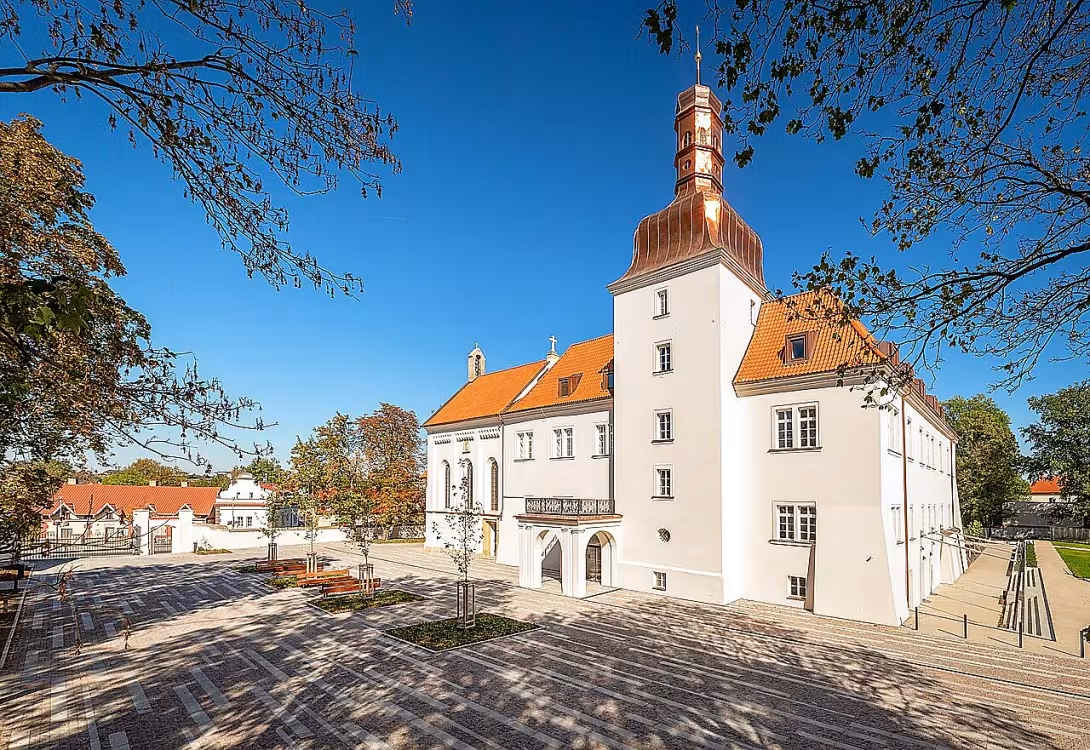
The castle was originally a fortress whose first written references date back to 1332. Today's construction was built around 1600 in the Renaissance style. It is a four-wing two-story castle built around a square courtyard with a characteristic prism tower on the west front. The area also includes the entrance gate and economic buildings.
The Prague Archbishop Ferdinand hrabě Khünburg bought the castle in the early 18th century. Since then, he served as an economic and administrative centre of the Lower Bank, which remained in the possession of the Prague Archbishop for nearly 300 years and represented the financial and economic background of the Archdiocese. The last building modifications in the original historical era took place in 1901, when the layout of the inner courtyard was modified and the lodžie was added. Part of the complex is the New Romanesque chapel of St. Mary Magdalene, which was built between 1885 and 1887.
The castle bears traces of its rich past: Stack decoration from the end of the 17th century is preserved in the passage and a tombstone from around 1580 is planted in the wall. Since June 1919, the Italian Embassy has been in buildings.
After 1945, the objects were effectively taken by the state. First they were used by the Ministry of Agriculture, later there was a hostel for soldiers. Garages, warehouses and other technical buildings were built in the garden and park. As part of the restitution, the Prague Archdiocese regained its castle and land. The contracts signed in 2003 and 2015 between the church and the municipality of Dolní Břežany express a common interest in the development of the site.
From 2016 to 2018 the castle underwent a comprehensive reconstruction and revitalization of its surroundings. It was converted into a four-star Chateau Clara Futura hotel with a view to serve as a conference centre. This strategy was based on the proximity of two research laser centres - ELI Beamlines and Hilase - that attract scientific visits from all over the world. However, the operation of the hotel did not prove profitable and the situation deteriorated by the arrival of the COVID-19 pandemic in the spring of 2020. The hotel remained out of operation for a long time and was sold in 2023.
The chapel of St. Mary's Magdalene, which is part of the castle complex, remains in operation as a skeleton. Every Sunday at 9:30, the Holy Mass is held, which is accessible to visitors.
Then and now
Drag the slider to compare how the landmark may have looked when it was built with the view today.
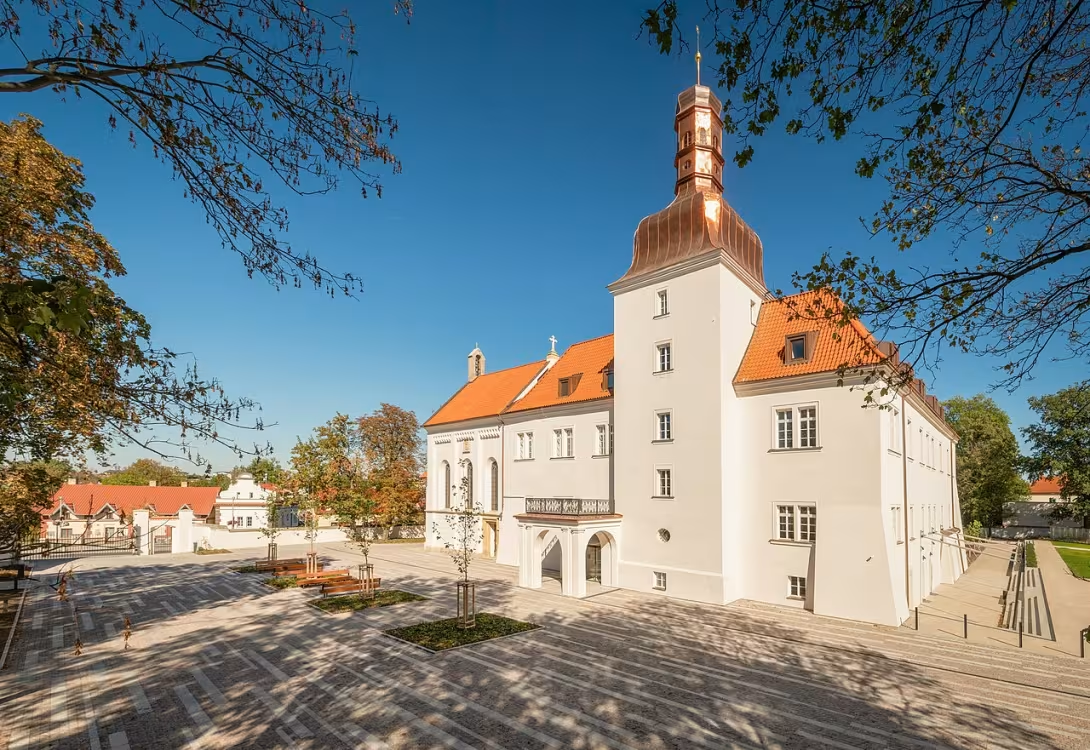
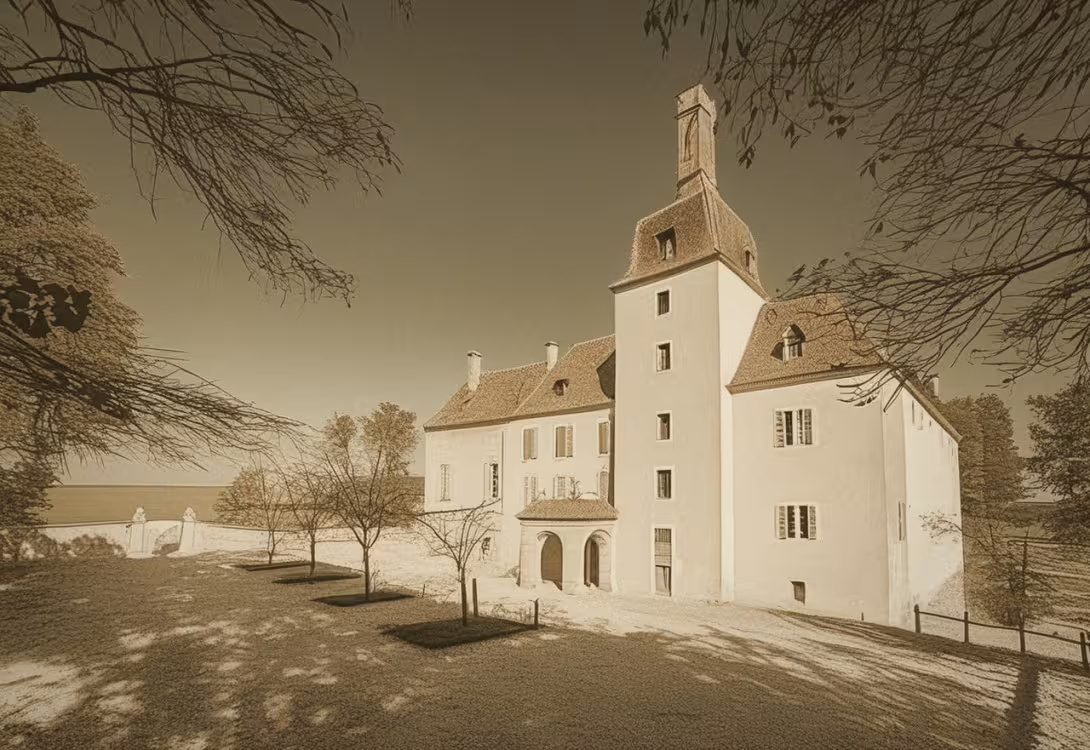
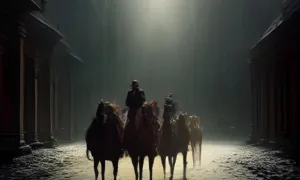
The historical appearance on the left is an AI-generated visualisation and serves as inspiration only.
Historical milestones
- 2016
- Reconstruction of the castle and revitalization of the surroundings.
- 2023
- Sale of the building after closing the hotel.
Architectural development
Originally it was in the place of a fortress, which was replaced by a Renaissance castle around 1600. In the passage there is a stucco decoration from the end of the 17th century and the New Romanesque chapel of St. Mary Magdalene was built between 1885 and 1887.
Historical events
- 1332
- First mention of the castle at the castle.
- 1600
- Construction of the Renaissance castle.
- 1945
- Locked up by the state after World War II.
Owners
Originally belonged to the fort, the first mention from 1332; in the 18th century bought Prague Archbishop Ferdinand hrabě Khünburg; After 1945 it was effectively taken by the state and later returned to the Prague Archbishop.
Points of interest
- The castle was originally built, whose first written mention dates back to 1332.
- Today's castle was built around 1600 in Renaissance style and has a four-wing two-story shape with a prism tower on the west front.
- At the beginning of the 18th century Prague Archbishop Ferdinand hrabě Khünburg bought the castle and served as an economic-administrative centre of the Lower Bank estate for nearly 300 years.
- Stack decoration from the end of the 17th century is preserved in the passage of the castle and a tombstone from around 1580 is planted in the wall.
Since June 1919, the Italian Embassy's headquarters were the castle buildings.
Guide
This guide is narrated by a synthetic voice generated by artificial intelligence.
Show guide text
This text was created by artificial intelligence and has not been editorially reviewed. It may contain inaccuracies.
Dolní Břežany Castle is a Renaissance castle in the Praha-západ district. The grounds also include an entrance gate, the Chapel of Saint Mary Magdalene, and former farm buildings. Since 1958 it has been protected as a cultural monument.
Originally, a fortress stood on this site, with the first mentions dating back to 1332. The present castle was built around 1600. It is four-winged and two-storey, built around a square courtyard, and has a prismatic tower on its west façade. The ceiling of the passageway is decorated with stucco work from the late seventeenth century. A tombstone from around 1580 was set into the wall.
In the early eighteenth century, the castle was purchased by Prague's Archbishop Ferdinand Count Khünburg. From that time on, it served as the economic and administrative centre of the Dolní Břežany estate. It belonged to the Prague Archbishopric for nearly three hundred years and served as the economic and financial base for the archdiocese. A Neo-Romanesque chapel was built between 1885 and 1887. The last structural modifications took place in 1901, when the inner courtyard was renovated and a loggia was added. From June 1919, the Italian embassy was located in the castle.
In 1945 the state effectively seized the land and buildings, though not legally. After nationalization, the castle was first used by the Ministry of Agriculture. Later it housed a dormitory for the Special Purpose Department of the Interior Ministry's military administration, known as the Red Berets. These soldiers were deployed on November seventeenth on National Street in violation of internal regulations, where they used brutal force against demonstrators. At that time, petrol pumps, garages, storage facilities, and a shooting range were built in the garden and park.
In restitution proceedings, the Prague Archbishopric recovered the castle and many plots of land. It signed cooperation agreements with the municipality on its development. Scientific research centres ELI Beamlines and HiLASE grew up on the castle's former agricultural land.
Between 2016 and 2018 the castle underwent reconstruction and its surroundings were revitalized. A four-star hotel Clara Futura, meaning Bright Future, was created within it. The Archbishopric expected that, thanks to the two laser research centres in the village, it would also serve as a conference centre for scientific visitors from around the world. This expectation was not fulfilled and the operation was not profitable. In spring 2020, roughly a year and a half after opening, the hotel closed due to the COVID-19 epidemic. It never resumed operations even after emergency measures were lifted. In 2023 the building was sold.
Sunday mass continues to be celebrated in the castle chapel of Saint Mary Magdalene.
Tips for visitors
This time of year also brings lighter weather, making it easier to walk around the castle.
The castle is also well accessible by public transport; For details about connections, check the local route search engine.
When planning a visit to take with you durable shoes because the corridor around the castle can be inconsistent. Also remember the protective sunglasses and sufficient water, especially in warmer months.
The best place for photography is the castle with its prism tower. The best light offers in the morning or evening, when the sun is not directly above the head and gives the shadows interesting shapes on the wall. For families with children the castle is an ideal place for short walks and exploring history, which is suitable as relaxation activities.
Frequently asked questions
Can the monument be visited?
Some buildings of this kind are open for guided tours, others serve another purpose or are privately owned. We have not verified whether and when this monument is open – please ask the operator.
What are the opening hours and admission?
We have not verified the opening hours or admission. Current information is published by the operator.
Where is the monument?
Location: 5. května 1, Dolní Břežany, Středočeský kraj. The map on this page shows the exact spot.
Why is the monument protected?
It is listed in the Central List of Cultural Monuments of the Czech Republic as a cultural monument (register no. 32647/2-2232).
For kids
Imagine going back to the past, when the Czechs were full of heroes and legends. Now look at the place where these heroes gathered to have fun and remember their adventures. We are talking about the castle Dolní Břežany, which is like a complete book full of secrets and mystery stories.
Businesses nearby
Do you run a restaurant, accommodation, shop, museum, rental, wellness or other visitor service near this monument? Show yourself directly to the people heading to it — this is how they will see you in the app and on the web:
Events nearby
Zdroj akcí: otevřená data měst a obcí ČR (Národní katalog otevřených dat) a kalendář akcí Národního památkového ústavu.
Nearby
Ambient landscape, other sights
Accommodation nearby
Trips and activities nearby
Guided tours, tickets and activities nearby from GetYourGuide
Affiliate link: if you buy from the partner, we may receive a commission. The price for you does not change.
Search tours and activities →Themed route
Route: Dolní Břežany - Church of St. John the Baptist - Lower Břežanská lípa - Lower Břežanská pond
1. Zámek Dolní Břežany (main objective) - Baroque castle, which stands at the site of the original Gothic castle, is worth visiting for its unique architecture and rich history. 2. St. John the Baptist Church (0.5 km) - Baroque church, which stands on the site of the original church from the 14th century, is worth visiting for its beautiful architecture and valuable artistic monuments. 3. Lower Břežanská lípa (0.8 km) - a memorable tree, which is one of the oldest and most valuable better in Bohemia, is worth visiting for its exceptional history and beauty. 4. Lower Břežanská pond (1.2 km) - a pond that is an important biotope for local fauna and flora is worth visiting for its beauty and quiet atmosphere.
Seasonal recommendations
Spring: In the spring season the Dolní Břežany Castle is surrounded by flowering trees and lawns, creating a pleasant atmosphere. The lighting is neutral, so you can focus on historical construction. We recommend visiting the castle in the spring season when the weather is pleasant and not too many tourists. The best time to visit is during April and May when the weather is sunny and warm.
Summer: In summer the Dolní Břežany Castle is a popular destination for tourists, so we recommend to arrive before large groups start. The lighting is neutral and nature is in full bloom. Don't forget to bring your sun shade and water because visitors can be a lot. The best time to visit is in June and July when the weather is sunny and warm.
Autumn: In autumn the Dolní Břežany Castle is surrounded by beautiful colorful tree leaves, creating a pleasant atmosphere. The lighting is neutral and nature is calm. We recommend visiting the castle in the autumn season when the weather is pleasant and not too many tourists. The best time to visit is during September and October when the weather is sunny and cold.
Winter: In winter the Dolní Břežany Castle is closed and offers a pleasant atmosphere for visitors. The lighting is nice and nature is calm. We recommend visiting the castle in winter season when the weather is cold and there are not many tourists. The best time to visit is during December and January, when the weather is cold and it is possible to walk here more calmly. Do not build warm clothes because temperatures may drop.
Visualizations and artistic views


The visualisations are generated by artificial intelligence and serve as inspiration.
Photos from the area
Real photos taken near the monument


Zdroj a licence jsou uvedeny u každého snímku.
Tips from visitors
No tips yet. Be the first!
Log in and add your tip.
Sources and literature
Photos: Jiří Novák / CC BY-SA 3.0 — Wikimedia Commons. The author and licence also appear when you hover over the image.
Faktickým podkladem tohoto textu byl článek na Wikipedii, jehož autory jsou přispěvatelé Wikipedie. Článek je dostupný pod licencí CC BY-SA 4.0.
Location on the map





Příběhy a pověsti
Legendy, pověsti a příběhy spjaté s touto památkou
Fotografie návštěvníků
Zatím žádné fotografie. Buďte první, kdo přidá fotografii z návštěvy!
Log in a přidejte svou fotografii nebo hodnoťte.
Za ověřenou návštěvu v aplikaci získáte víc bodů — poznáme podle GPS, že jste na místě.
Reviews and comments