






zámek Dolní Kounice Chateau
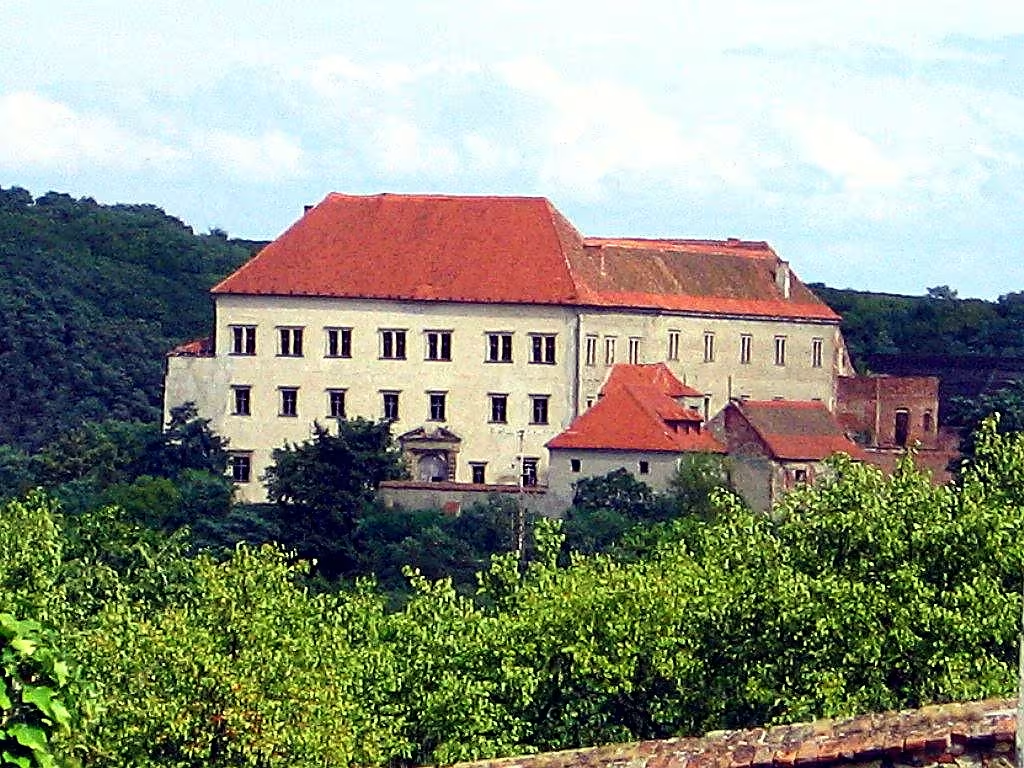
Dolní Kounice Chateau is a Renaissance chateau situated on a hill overlooking the Jihlava River in Dolní Kounice. It stands near the ruins of the Rosa Coeli monastery. Originally built as a Gothic fortress in the early 14th century, it was transformed into a noble residence during the 16th and 17th centuries while retaining some defensive features. The chateau is protected as a cultural monument due to its significant architectural evolution from medieval origins to Renaissance splendor.
The origins of Dolní Kounice Chateau date back to a Gothic fortress constructed in the early 14th century, serving as a fortified place for protecting a river crossing and trade routes. Vilém z Pulína was the first documented owner, receiving his coat of arms in 1162. He later founded the Premonstratensian Monastery Rosa Coeli in 1181 to lift an excommunication imposed by the Pope. By 1330, the monastery had built a Gothic fortress on this site. The chateau's history is marked by its initial construction during Bohemia’s political consolidation under the Luxembourg dynasty and later Renaissance transformation amid Europe’s cultural shifts during the Reformation.
Architecturally, Dolní Kounice Chateau began as a defensive Gothic structure. In the 16th century, it underwent significant renovations initiated by Jiří Žabka z Limberka to serve as a noble residence in the Renaissance style. Further modifications occurred at the turn of the 16th and 17th centuries under the Drnovští family, enhancing its architectural elements.
Ownership of Dolní Kounice Chateau has changed numerous times over the centuries. After Vilém z Pulína's tenure, it was held by the Premonstratensian Monastery Rosa Coeli in the 14th century. In 1537, following the monastery’s dissolution, the chateau came under Moravian Margrave Ferdinand I., who sold it to Jiří Žabka z Limberka. Subsequent owners included the Dietrichštejnové family from 1622 and the Herbersteinové in 1862. Emil Tomec acquired the chateau in 1927, followed by Karl Rubeš in 1937. Post-World War II, it was managed jointly by Václav Edl and a local state farm until being nationalized in 1974. The State Enterprise for Monument Care and Nature Protection in Brno took over until 1986 when the Moravian State Library assumed control. In 1992, following restitution, ownership returned to the Edl family before being sold to the L.V.P. company.
Throughout its history, Dolní Kounice Chateau has been a site of significant events and transformations. The original Gothic fortress was completed in 1330, marking its initial construction phase. A major architectural shift occurred in 1537 when Jiří Žabka z Limberka initiated the Renaissance transformation. Today, the chateau is under the ownership of L.V.P., which has been conducting extensive restoration efforts while making it accessible to the public for various events such as weddings and educational activities.
Currently, Dolní Kounice Chateau stands as a testament to its rich history, with ongoing reconstruction preserving historical elements like Žabkovo schodiště (Žabka's staircase), zelená rytířská světnice (green knight’s hall), and an extensive underground network. The chateau is open for public events, offering a unique glimpse into the past while serving modern purposes. Its historical significance and architectural beauty make it a worthwhile destination for visitors interested in exploring the layers of history embedded within its walls.
Dolní Kounice Chateau invites exploration not only as a monument to architectural evolution but also as a living venue that bridges centuries of history with contemporary use, offering an enriching experience for all who visit.
Then and now
Drag the slider to compare how the landmark may have looked when it was built with the view today.
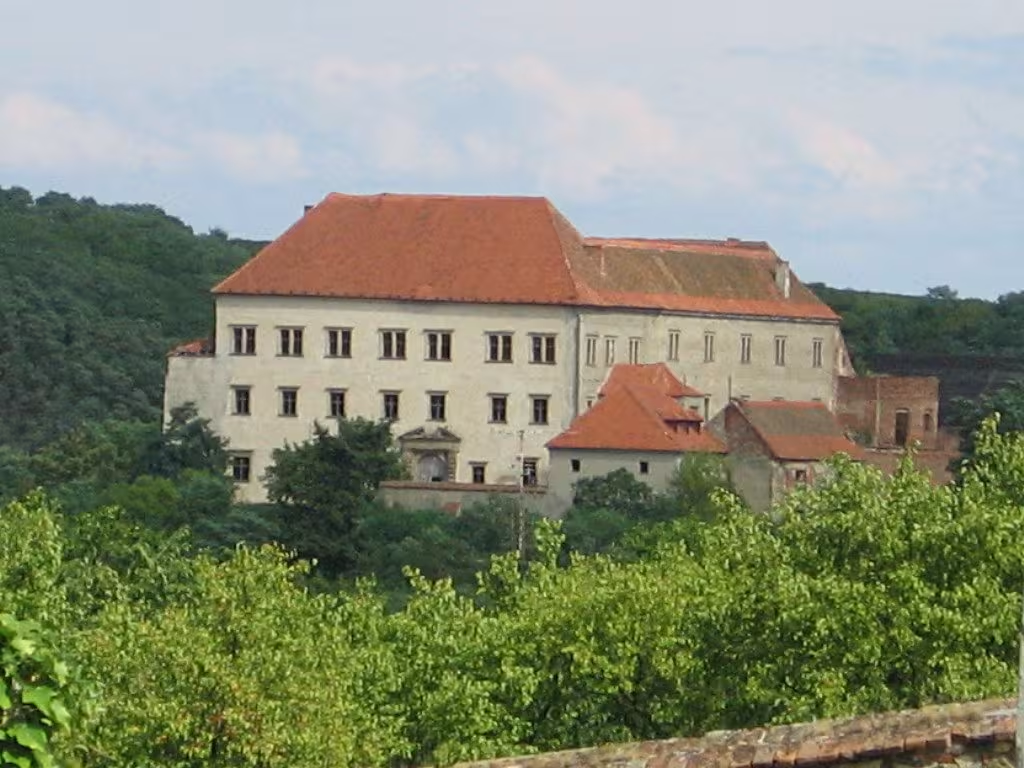
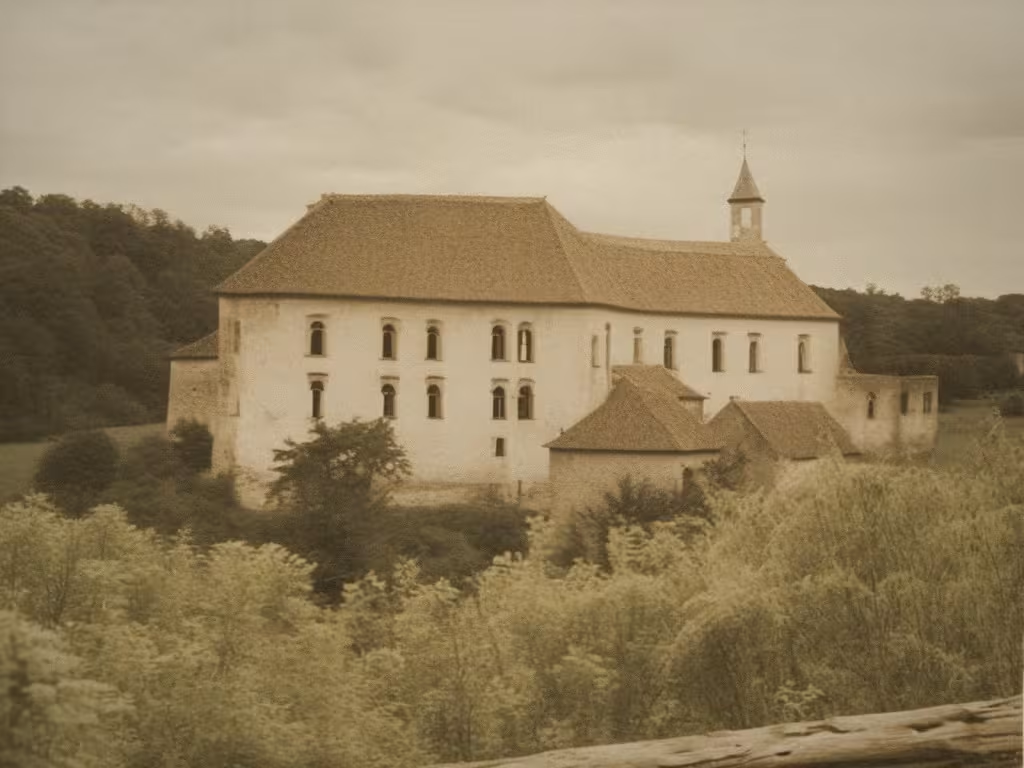
The historical appearance on the left is an AI-generated visualisation and serves as inspiration only.
Historical milestones
- kolem 1162
- Vilém z Pulína dostává erb.
- 1181
- Založení Premonstratenského kláštera Rosa Coeli.
- 1330
- Výstavba gotické pevnosti na místě.
- 1537
- Jiří Žabka z Limberka nákup a renesanční přestavby.
- 1622
- Vlastnictví přešlo na rod Dietrichštejnové.
- 1862
- Koupil si zámek rod Herbersteinové.
Architectural development
The chateau began as a Gothic fortress built for defense and control over trade routes. In the 16th century, it underwent significant Renaissance renovations under Jiří Žabka z Limberka to serve as a noble residence. Further modifications occurred at the turn of the 16th and 17th centuries by the Drnovští family, enhancing its architectural style.
Historical events
Construction of the original Gothic fortress completed in 1330.
Renaissance transformation initiated by Jiří Žabka z Limberka in the 16th century.
Owners
Vilém z Pulína (1162-1181)
Premonstratensian Monastery Rosa Coeli (14th century)
Moravian Margrave Ferdinand I. and Jiří Žabka z Limberka (1537)
Dietrichštejnové (1622)
Herbersteinové (1862)
Emil Tomec (1927), Karl Rubeš (1937)
Václav Edl and local state farm (1948-1974)
State Enterprise for Monument Care and Nature Protection in Brno (1974-1986)
Moravian State Library (1986-1992)
Edl family, then L.V.P. company (since 1992)
Points of interest
- In 1181, Vilém z Pulína founded the Premonstratensian Monastery Rosa Coeli to lift an excommunication imposed by the Pope, highlighting a unique intersection of religious and political motivations in medieval Bohemia.
- The chateau's transition from a Gothic fortress to a Renaissance noble residence was initiated by Jiří Žabka z Limberka after purchasing it in 1537, reflecting broader European cultural shifts during the Reformation era.
- Dolní Kounice Chateau has had an unusual number of owners over its history, including monasteries and private families, with ownership even passing to the Moravian State Library before returning to the Edl family post-communism, showcasing a complex tapestry of ownership reflective of regional political changes.
- The chateau's architectural evolution is marked by retaining some defensive features despite being transformed into a noble residence during the Renaissance, illustrating an interesting blend of functionality and aesthetics in its design.
- Dolní Kounice Chateau has served as a venue for contemporary events such as weddings and educational activities, demonstrating how historical sites can be adapted to modern uses while preserving their cultural heritage.
Guide
This guide is narrated by a synthetic voice generated by artificial intelligence.
Show guide text
This text was created by artificial intelligence and has not been editorially reviewed. It may contain inaccuracies.
Welcome to the historic Dolní Kounice Chateau, a remarkable Renaissance gem perched on a hill with sweeping views of the Jihlava River. As you stand here, imagine yourself stepping back in time, surrounded by centuries of stories etched into this majestic structure.
The origins of Dolní Kounice Chateau trace back to the early 14th century when it was initially constructed as a Gothic fortress. This formidable stronghold replaced an older site that had seen significant religious activity; in 1181, Vilém z Pulína founded the Premonstratensian Monastery Rosa Coeli nearby. The monastery itself was established under unique circumstances to lift an excommunication imposed by the Pope, illustrating the intriguing interplay of religion and politics during medieval times.
As you look around, take a moment to appreciate the chateau's architectural evolution. Although its Gothic roots are evident in some of the surviving defensive elements, it underwent significant transformations in the 16th and 17th centuries into a representative noble seat. The blend of styles is visible as you observe the robust walls that once protected this site now softened by Renaissance elegance.
Key historical figures have left their mark on Dolní Kounice Chateau. In 1537, Jiří Žabka z Limberka purchased the chateau and initiated its transformation into a noble residence, reflecting the changing priorities of its owners from defense to representation. Later in history, in 1622, ownership passed to the Dietrichštejnové family, who continued to shape its legacy.
One fascinating aspect of this site is the enduring presence of the Rosa Coeli monastery ruins nearby. These remnants serve as a poignant reminder of the chateau's deep historical roots and its connection to both spiritual and secular powers over the centuries.
As you continue your exploration, let yourself be captivated by the layers of history that surround you. Each stone tells a story, from the strategic decisions of medieval lords to the artistic endeavors of Renaissance nobility. We invite you to delve deeper into this captivating site, discovering its secrets at every turn.
Thank you for joining us on this journey through time. As we conclude our tour, we hope you leave with a newfound appreciation for the rich tapestry of history that Dolní Kounice Chateau embodies. Safe travels as you continue your exploration of this remarkable region.
Businesses nearby
Do you run a restaurant, accommodation, shop, museum, rental, wellness or other visitor service near this monument? Show yourself directly to the people heading to it — this is how they will see you in the app and on the web:
Events nearby


Zdroj akcí: otevřená data měst a obcí ČR (Národní katalog otevřených dat) a kalendář akcí Národního památkového ústavu.
Nearby
Dolní Kounice Chateau is situated near the Jihlava River with the ruins of the Rosa Coeli monastery in its vicinity. The surrounding landscape includes rolling hills typical of the South Moravian region.
Accommodation nearby
Trips and activities nearby
Guided tours, tickets and activities nearby from GetYourGuide
Affiliate link: if you buy from the partner, we may receive a commission. The price for you does not change.
Search tours and activities →Themed route
Thematic Walking Tour: Dolní Kounice Chateau and Surroundings
1. Dolní Kounice Chateau *Type:* Historic Chateau *Why Visit:* Begin your journey at the majestic Dolní Kounice Chateau, a stunning example of Renaissance architecture nestled near the Jihlava River. Explore its grand halls, intricate gardens, and historical exhibits that offer insight into the chateau's storied past.
2. Rosa Coeli Monastery Ruins *Type:* Historical Ruins *Why Visit:* A short walk from the chateau brings you to the evocative ruins of the Rosa Coeli Monastery. These remnants provide a glimpse into medieval monastic life and are set against the picturesque backdrop of rolling South Moravian hills, offering both historical intrigue and natural beauty.
3. Jihlava River Walk *Type:* Scenic Route *Why Visit:* Follow the gentle curves of the Jihlava River for a tranquil walk that complements your exploration of Dolní Kounice's historic sites. The riverbanks are perfect for leisurely strolls, offering serene views and an opportunity to reflect on the area's rich heritage.
4. Castle Gardens *Type:* Botanical Garden *Why Visit:* Return to the chateau grounds to wander through its meticulously maintained gardens. These lush spaces showcase a variety of plant species and are designed with Renaissance aesthetics in mind, providing both beauty and tranquility within the chateau's historic setting.
5. Castle Viewpoint *Type:* Scenic Overlook *Why Visit:* Conclude your tour at one of the chateau’s vantage points, where you can enjoy panoramic views of the surrounding landscape. This spot offers a perfect opportunity to appreciate the harmonious blend of nature and architecture that characterizes Dolní Kounice.
This thematic walking tour encapsulates the historical and natural allure of Dolní Kounice, offering visitors a comprehensive experience of its cultural landmarks and scenic surroundings.
Seasonal recommendations
Spring: Visiting Dolní Kounice Chateau during spring offers a unique experience as the surrounding landscape bursts into life with blooming flowers and lush greenery, creating an enchanting atmosphere that enhances the historical charm of the chateau. The gentle warmth of the season often brings out vibrant colors in nature, making it an ideal time for photography enthusiasts to capture the picturesque setting. However, spring can also bring unpredictable weather, so visitors are advised to dress in layers, allowing them to adjust comfortably to changing conditions throughout their visit. Additionally, while the chateau grounds may not be as crowded as in summer, it's still wise to arrive early to fully enjoy the serene beauty of the season without the rush.
Summer: The allure of Dolní Kounice Chateau is at its peak during the summer months when long daylight hours and warm weather invite visitors to explore both the interiors and expansive grounds. This period often sees higher visitor numbers, so planning ahead by arriving early in the day can help avoid crowds and ensure a more relaxed experience. Summer also offers numerous outdoor activities, such as picnicking amidst the chateau's gardens or participating in guided tours that delve into its rich history. Comfortable walking shoes and light clothing are recommended to navigate the grounds comfortably, while sun protection is essential during peak hours.
Autumn: Autumn at Dolní Kounice Chateau presents a magical experience with its warm hues of reds, oranges, and yellows adorning the surrounding landscape. The cooler temperatures make it an ideal time for leisurely strolls through the chateau's gardens, which are transformed into a painterly scene under the autumn sun. While visitor numbers typically decrease compared to summer, there can still be moments when the site is quite busy, especially during weekends and public holidays. Visitors should dress in layers to accommodate the fluctuating temperatures and consider bringing an umbrella as rain showers can occasionally occur.
Winter: Winter transforms Dolní Kounice Chateau into a serene and picturesque destination with its snow-covered grounds offering a tranquil backdrop that enhances the chateau's historical allure. The shorter days mean fewer visitors, providing a more intimate experience of exploring the chateau’s interiors and enjoying its quiet beauty. However, winter also brings challenges such as limited opening hours and potentially icy paths around the chateau, so it is advisable to check in advance for any changes in accessibility or services. Warm clothing, including hats and gloves, is essential to stay comfortable during your visit, and visitors should be prepared for brisk weather conditions.
Visualizations and artistic views


The visualisations are generated by artificial intelligence and serve as inspiration.
Photos from the area
Real photos taken near the monument


Zdroj a licence jsou uvedeny u každého snímku.
Tips from visitors
No tips yet. Be the first!
Log in and add your tip.
Sources and literature
Fotografie: No machine-readable author provided. Amic~commonswiki assumed (based on copyright claims). / Public domain — Wikimedia Commons. The author and licence also appear when you hover over the image.
Faktickým podkladem tohoto textu byl článek na Wikipedii, jehož autory jsou přispěvatelé Wikipedie. Článek je dostupný pod licencí CC BY-SA 4.0.
Location on the map
More monuments – Dolní Kounice
Show all in the municipality


Příběhy a pověsti
Legendy, pověsti a příběhy spjaté s touto památkou
Fotografie návštěvníků
Zatím žádné fotografie. Buďte první, kdo přidá fotografii z návštěvy!
Přihlaste se a přidejte svou fotografii nebo hodnoťte.
Za ověřenou návštěvu v aplikaci získáte víc bodů — poznáme podle GPS, že jste na místě.
Reviews and comments