






Zámek Dolní Lukavice Chateau
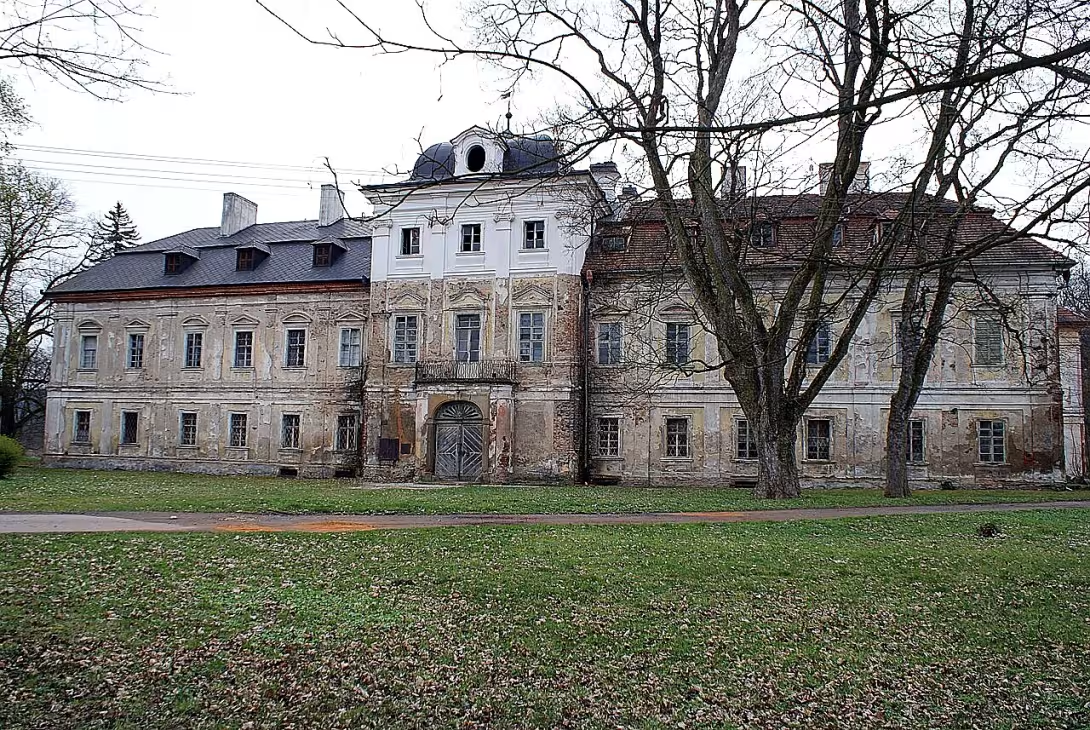
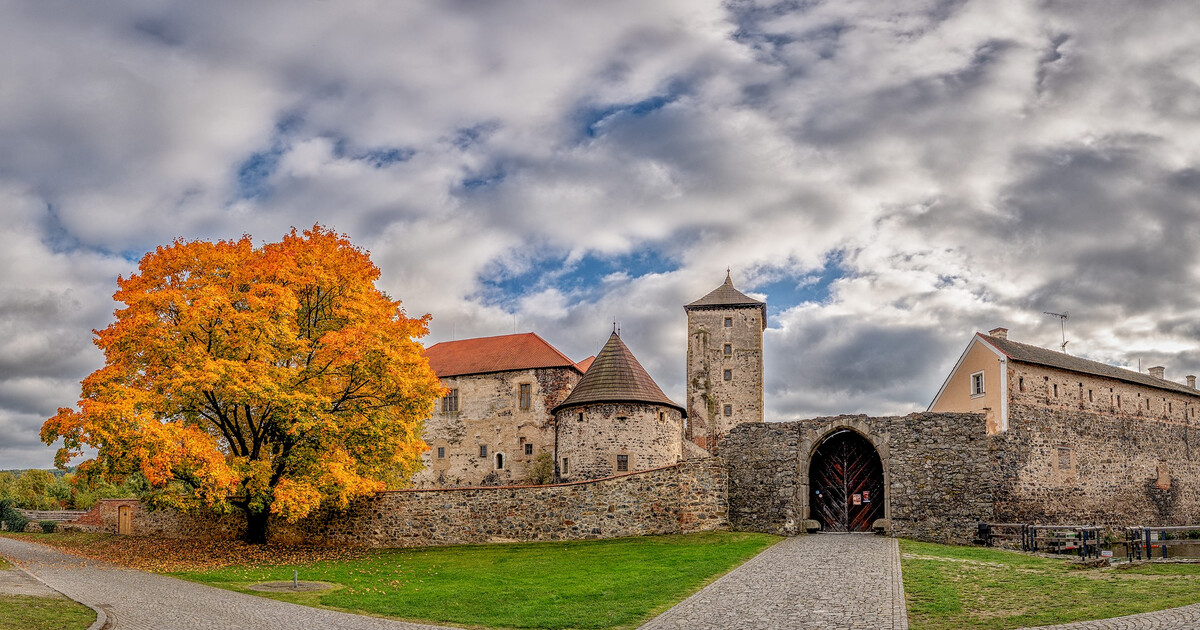
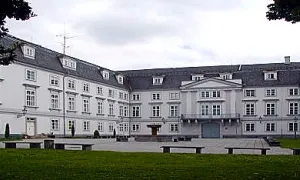
Zámek Dolní Lukavice is a Baroque chateau in the village of Dolní Lukavice, within the Plzeňský kraj region of the Czech Republic. This historical monument is notable for its architectural beauty and significant cultural heritage, particularly due to Joseph Haydn's role as music director here in the late 18th century. The chateau's rich history and artistic contributions make it a noteworthy site.
The origins of Zámek Dolní Lukavice date back to a 15th-century fortress that underwent several transformations over time. By the late 17th century, architect Jakub Augustin mladší transformed the original fortress into a Baroque chateau, including constructing a chapel consecrated in 1731 by Bishop Jan Adam Vratislav z Mitrovic. This development reflects Bohemia's cultural flourishing within the Habsburg Monarchy.
Architecturally, Zámek Dolní Lukavice features a prominent Baroque style from its reconstruction in 1666 under Ferdinand Matyáš z Morzinu. The chateau includes a chapel that served both nobility and common people, highlighting the blend of religious and social functions typical of such estates.
Ownership has changed hands numerous times throughout history. Initially part of Count Karl Joseph Morzin's estate, it later became associated with Czechoslovak diplomat Ferdinand Veverka. In 1945, following accusations of wartime collaboration with the Nazis, Veverka's estate was confiscated by the state. The chateau underwent partial roof repairs in the 1990s and was returned to the Veverka family in 2000. Zoltan Duphenieux, a descendant of Ferdinand Veverka, has since sought financing for further restoration.
A key event associated with Zámek Dolní Lukavice is Joseph Haydn's tenure as music director from approximately 1757 to 1761. During this time, he composed significant works, including his first symphonies and the 'Lukavická' Symphony. This period marked a high point in the chateau's cultural significance.
Today, Zámek Dolní Lukavice is privately owned and occasionally open to the public. Its picturesque surroundings offer scenic views typical of the Plzeňský region with rolling hills and forests. The chateau's rich history, architectural beauty, and cultural contributions make it a worthwhile destination for those interested in Czech heritage.
Zámek Dolní Lukavice stands as a testament to the artistic and cultural achievements of its time. Its association with Joseph Haydn adds an extra layer of significance, inviting visitors to explore both the physical beauty of the chateau and its historical resonance. Whether you are a history enthusiast or simply seeking a glimpse into the past, Zámek Dolní Lukavice offers a unique opportunity to connect with Czech cultural heritage.
Then and now
Drag the slider to compare how the landmark may have looked when it was built with the view today.
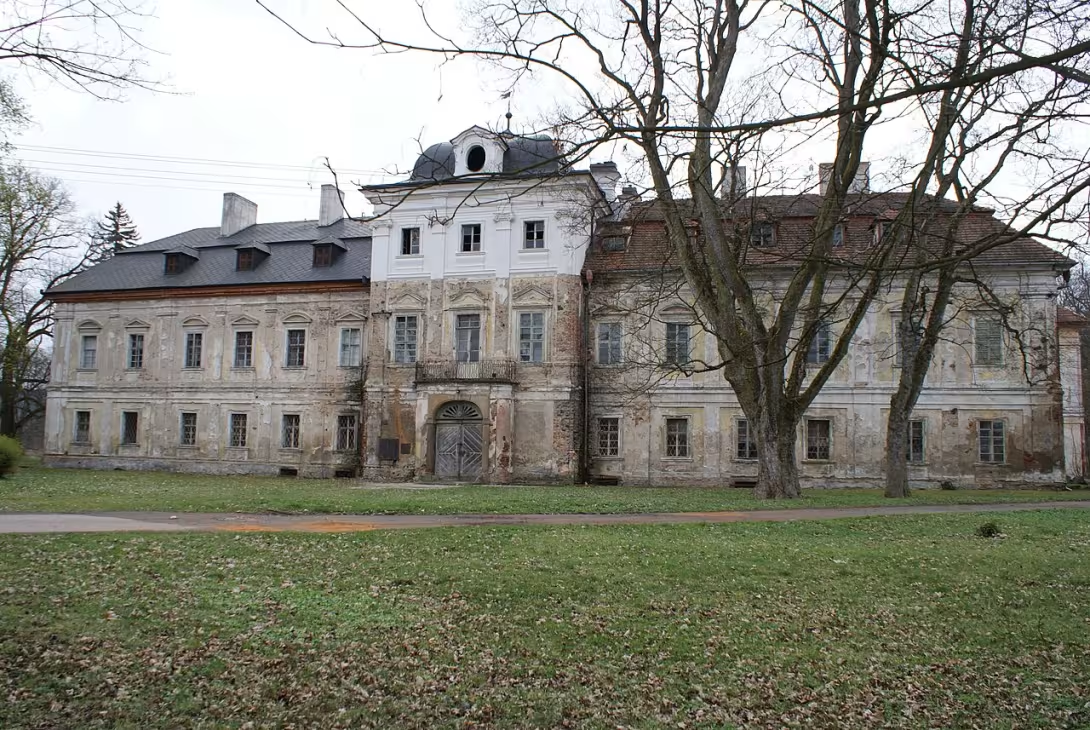
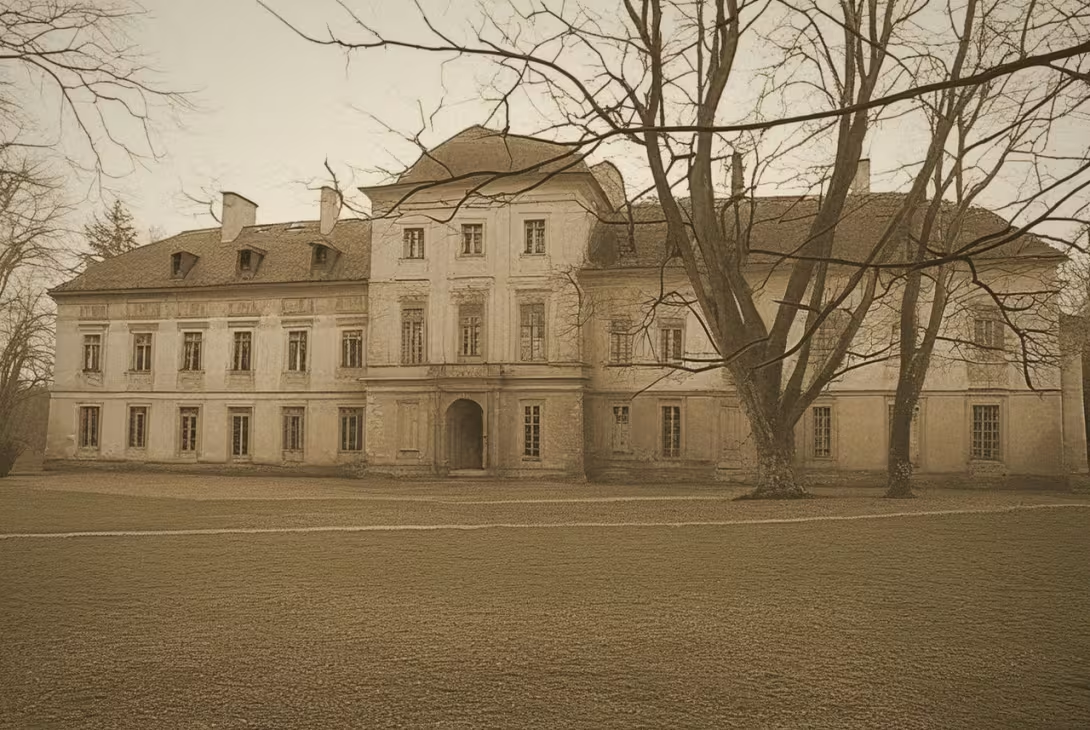
The historical appearance on the left is an AI-generated visualisation and serves as inspiration only.
Historical milestones
- 15th century
- The Dolní Lukavice Chateau was founded as a fortress.
- 1666
- Reconstruction into the Baroque style under Ferdinand Matyáš of Morzin.
- 1731
- A chapel dedicated by Bishop Jan Adam Vratislav of Mitrovice.
- 1757
- Joseph Haydn became the music director at the chateau.
- 1761
- The end of Haydn's tenure as music director.
- 1945
- The chateau was confiscated by the state following accusations of collaboration with the Germans.
Architectural development
The original fortress was transformed into a baroque chateau in the late 17th century under the direction of architect Jakub Augustin mladší. The transformation included the construction of a baroque chapel, consecrated in 1731 by Bishop Jan Adam Vratislav z Mitrovic. Over time, the chateau has seen various modifications and restorations.
Historical events
Joseph Haydn served as music director from approximately 1757 to 1761, composing significant works.
In 1666, the chateau underwent a costly baroque reconstruction commissioned by Ferdinand Matyáš z Morzinu.
Owners
Rodina Lukavských z Řeneč (15th century)
Jáchym Ladislav Lubský z Lub (16th century)
František Albrecht z Harrachu (1662, gifted by Leopold I.)
Karel Leopold hrabě z Caretto-Millesima (purchased from Harrach)
Pavel hrabě z Morzinu (1666)
Ferdinand Matyáš z Morzinu (1708 onwards)
Rodina Morzinů (until 1761)
Karel Bedřich z Hatzfeldu
Hugo Damian ze Schönbornu (19th century)
Ervín ze Schönbornu (20th century until 1930s)
Ferdinand Veverka (1938-1945, nationalized post-WWII)
Obec Dolní Lukavice (post-1989)
Points of interest
- Zámek Dolní Lukavice was originally a 15th-century fortress before being transformed into its Baroque form by architect Jakub Augustin mladší in the late 17th century. This transformation reflects the broader cultural developments within Bohemia during the Habsburg Monarchy.
- The chateau's chapel, consecrated in 1731 by Bishop Jan Adam Vratislav z Mitrovic, served both nobility and common people, illustrating the dual religious and social roles typical of such estates at that time.
- In a twist of fate, Zámek Dolní Lukavice was confiscated by the state in 1945 due to Ferdinand Veverka's alleged wartime collaboration with the Nazis. The estate was later returned to his family in 2000 after restoration efforts began in the 1990s.
- Joseph Haydn composed some of his early symphonies, including the 'Lukavická' Symphony, during his time as music director at Zámek Dolní Lukavice from 1757 to 1761, marking a significant cultural period for the chateau.
- Despite its historical significance and occasional public openings, Zámek Dolní Lukavice remains privately owned today. Its picturesque surroundings in the Plzeňský region offer scenic views that complement its rich history and architectural beauty.
Guide
This guide is narrated by a synthetic voice generated by artificial intelligence.
Show guide text
This text was created by artificial intelligence and has not been editorially reviewed. It may contain inaccuracies.
Welcome to the historic site of Zámek Dolní Lukavice, nestled in the picturesque Plzeňský kraj region of the Czech Republic. As you stand before this majestic structure, imagine stepping back into a rich tapestry of history that spans centuries.
Zámek Dolní Lukavice began its journey as a fortress in the 15th century, strategically positioned to serve both defensive and noble purposes. Over time, it transformed significantly under the influence of various owners and historical events. The most notable transformation occurred in 1666 when Ferdinand Matyáš z Morzinu commissioned architect Jakub Augustin mladší to redevelop the fortress into a Baroque chateau. This architectural shift not only reflected the broader cultural developments within Bohemia during the Habsburg Monarchy but also marked the beginning of a new era for this historic site.
As you take in the surroundings, pay attention to the elegant lines and ornate details characteristic of its Baroque architecture. The transformation by Jakub Augustin mladší imbued the chateau with an air of grandeur that continues to captivate visitors today. While specific visual elements like sculptures or frescoes aren't detailed here, you can still appreciate the overall atmosphere and sense of history that envelops this place.
Zámek Dolní Lukavice is not just a monument of architectural beauty; it's also a site rich with stories and personalities who have walked its halls. One such figure is Joseph Haydn, whose tenure as music director from 1757 to 1761 left an indelible mark on the chateau's cultural legacy. During his time here, Haydn composed several notable works that still resonate in classical music circles today.
Another intriguing aspect of this site is its chapel, dedicated by Bishop Jan Adam Vratislav z Mitrovic in 1731. This sacred space adds a layer of spiritual and historical significance to the chateau's narrative.
As we delve deeper into the history of Zámek Dolní Lukavice, it's fascinating to consider how the chateau was intertwined with significant events, such as its state seizure in 1945 following accusations of collaboration with the Germans. This period marked another turning point in the chateau’s storied past.
Now that you've been introduced to some of the key elements and stories associated with Zámek Dolní Lukavice, I invite you to explore further. Wander through this historic site at your own pace, letting each corner reveal its secrets and allowing the echoes of the past to guide your journey.
Thank you for joining me on this audio tour. May your visit be filled with discovery and inspiration as you continue to uncover the layers of history that Zámek Dolní Lukavice has to offer. Safe travels and enjoy every moment of your exploration!
Businesses nearby
Do you run a restaurant, accommodation, shop, museum, rental, wellness or other visitor service near this monument? Show yourself directly to the people heading to it — this is how they will see you in the app and on the web:
Events nearby


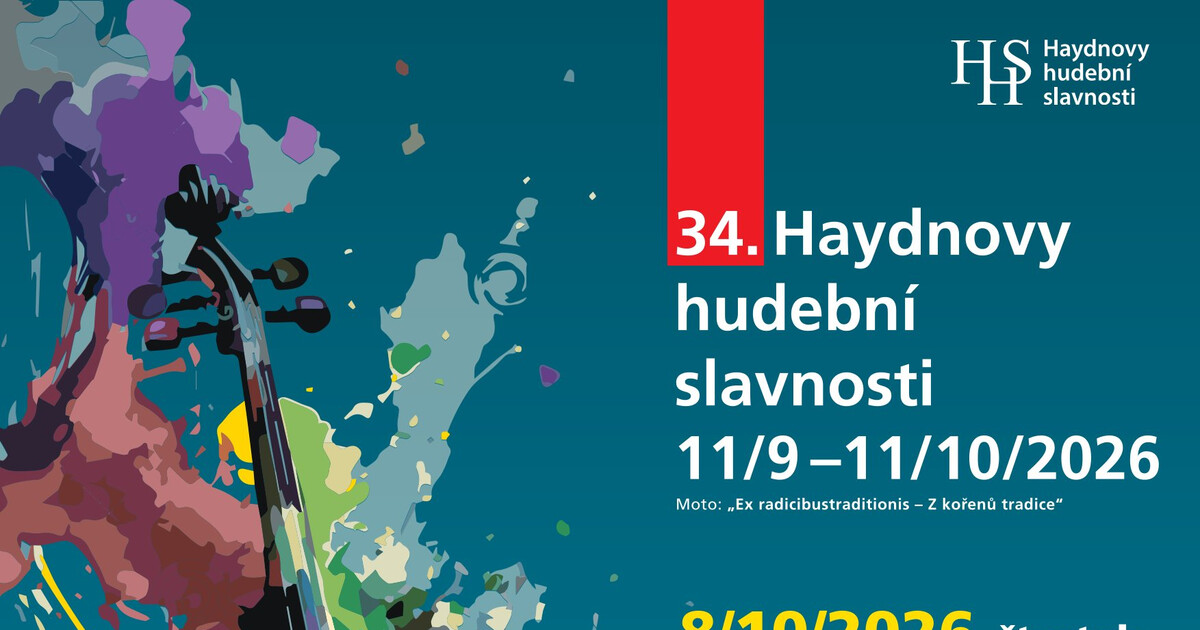
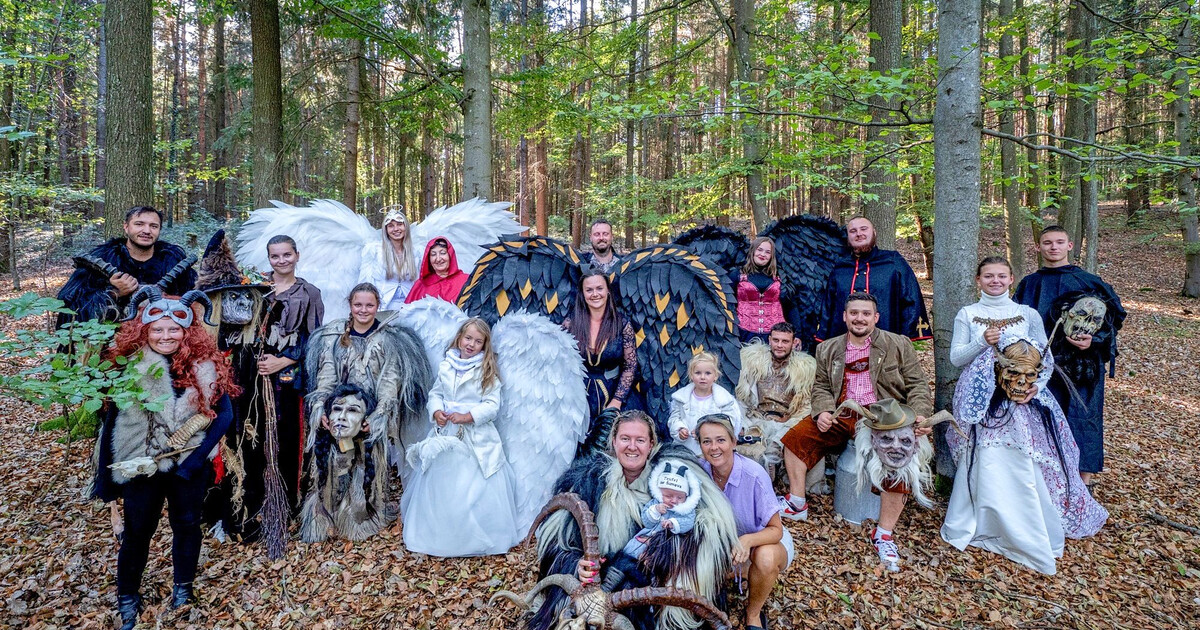
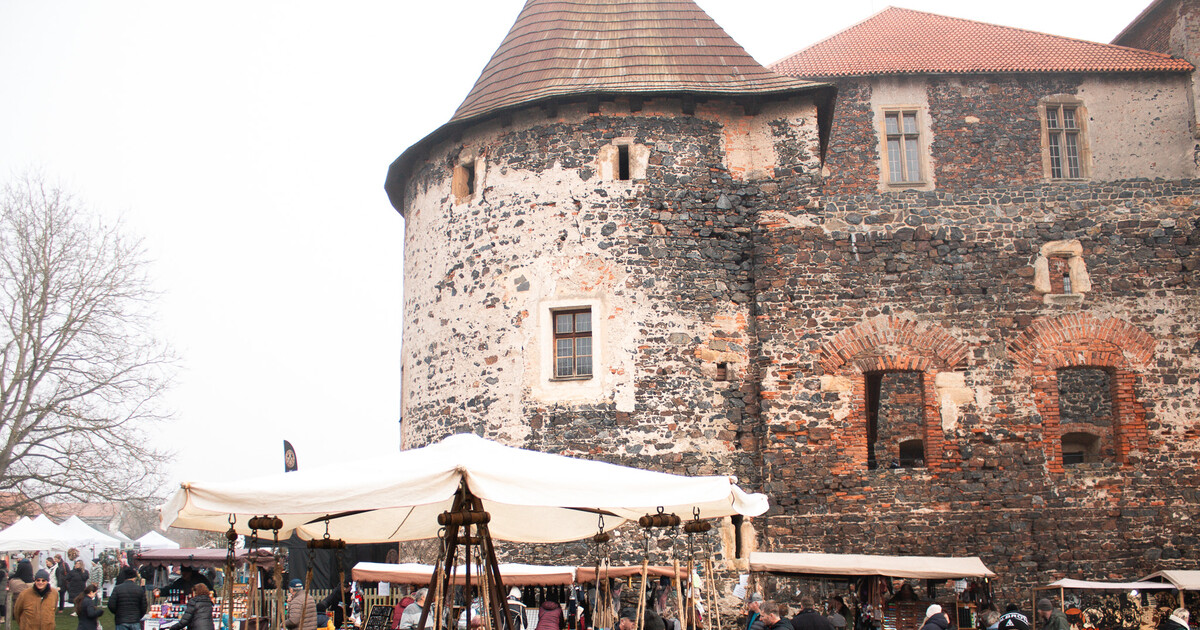
Zdroj akcí: otevřená data měst a obcí ČR (Národní katalog otevřených dat) a kalendář akcí Národního památkového ústavu.
Nearby
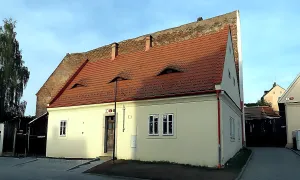
Zámek Dolní Lukavice is surrounded by picturesque landscapes typical of the Plzeňský region, with natural features that include rolling hills and forests. The area offers scenic views and opportunities to explore nearby historical sites.
Accommodation nearby
Trips and activities nearby
Guided tours, tickets and activities nearby from GetYourGuide
Affiliate link: if you buy from the partner, we may receive a commission. The price for you does not change.
Search tours and activities →Themed route
Thematic Tour Itinerary: Zámek Dolní Lukavice and Surroundings
1. Zámek Dolní Lukavice (Chateau) Begin your journey at the heart of this itinerary, Zámek Dolní Lukavice, a stunning example of Renaissance architecture nestled in picturesque landscapes typical of the Plzeňský region. Explore its elegant interiors, historical exhibits, and beautifully manicured gardens that reflect centuries of history and artistry.
2. Surrounding Forests After immersing yourself in the chateau's rich past, venture into the nearby forests. These lush green expanses offer serene walking paths ideal for nature enthusiasts looking to enjoy tranquil surroundings. The forests provide a perfect opportunity to appreciate the region’s natural beauty and spot local wildlife.
3. Rolling Hills Continue your exploration by taking leisurely walks through the rolling hills surrounding the chateau. This area offers breathtaking panoramic views of the Plzeňský landscape, making it an ideal spot for photography or simply enjoying a peaceful moment in nature. The gentle terrain is perfect for hiking and experiencing the region's natural charm.
This itinerary provides a balanced mix of cultural and natural attractions, ensuring visitors experience both the historical significance and scenic beauty of the Dolní Lukavice area.
Seasonal recommendations
Spring: Visiting Zámek Dolní Lukavice in spring offers a refreshing experience as the surrounding landscape bursts into life with vibrant wildflowers and budding trees, creating a picturesque setting for photography enthusiasts. The soft, diffused light of early mornings or late afternoons enhances the chateau's historic features, providing an ideal time to explore without the crowds that peak later in the season. Visitors should wear comfortable layers as temperatures can be mild but variable; bringing a light jacket is advisable for cooler days. This period marks the start of the tourist season, so arriving early will help you enjoy the site at a leisurely pace.
Summer: The summer months are perfect for experiencing Zámek Dolní Lukavice in full bloom, with lush greenery and warm sunshine creating an inviting atmosphere for outdoor activities. Long daylight hours allow ample time to explore both the chateau grounds and its exhibitions. However, this season also sees higher visitor numbers, so planning your visit early in the morning or later in the afternoon can help avoid the crowds. Comfortable walking shoes, a hat, sunglasses, and sunscreen are essential due to the warm weather. Don't forget to stay hydrated as you wander through the scenic surroundings.
Autumn: Autumn at Zámek Dolní Lukavice transforms the landscape into a tapestry of rich colors with golden leaves and crisp air, offering a serene backdrop for chateau exploration. The cooler temperatures make it an ideal time for comfortable walking tours without the summer heat. As visitor numbers dwindle towards the end of the season, you can enjoy a more tranquil experience. Dressing in layers is recommended to accommodate fluctuating weather conditions; a light jacket or sweater will keep you cozy during your visit.
Winter: Winter offers a unique charm at Zámek Dolní Lukavice, with snow-covered grounds and frosty air adding an enchanting quality to the historic site. The shorter daylight hours mean visitors should plan their trip carefully to make the most of the available light, often arriving early in the day. Due to colder temperatures, dressing warmly is crucial—thermal layers, a heavy coat, gloves, and a hat are advisable. Keep in mind that some areas might be less accessible if snowfall limits pathways or access points. Despite these challenges, winter provides a peaceful setting for appreciating the chateau's architecture against a stark yet beautiful landscape.
Visualizations and artistic views


The visualisations are generated by artificial intelligence and serve as inspiration.
Photos from the area
Real photos taken near the monument


Zdroj a licence jsou uvedeny u každého snímku.
Atmosphere of the place
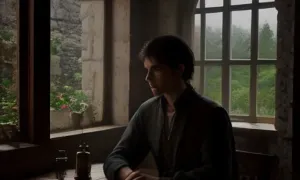
This atmospheric visualisation of the place and period was generated by artificial intelligence. It is not real footage of the location.
Tips from visitors
No tips yet. Be the first!
Log in and add your tip.
Sources and literature
Fotografie: Feťour / Public domain — Wikimedia Commons. The author and licence also appear when you hover over the image.
Faktickým podkladem tohoto textu byl článek na Wikipedii, jehož autory jsou přispěvatelé Wikipedie. Článek je dostupný pod licencí CC BY-SA 4.0.
Location on the map
More monuments – Dolní Lukavice
Show all in the municipality


Příběhy a pověsti
Legendy, pověsti a příběhy spjaté s touto památkou
Fotografie návštěvníků
Zatím žádné fotografie. Buďte první, kdo přidá fotografii z návštěvy!
Přihlaste se a přidejte svou fotografii nebo hodnoťte.
Za ověřenou návštěvu v aplikaci získáte víc bodů — poznáme podle GPS, že jste na místě.
Reviews and comments