






zámek Dolní Suchá Chateau
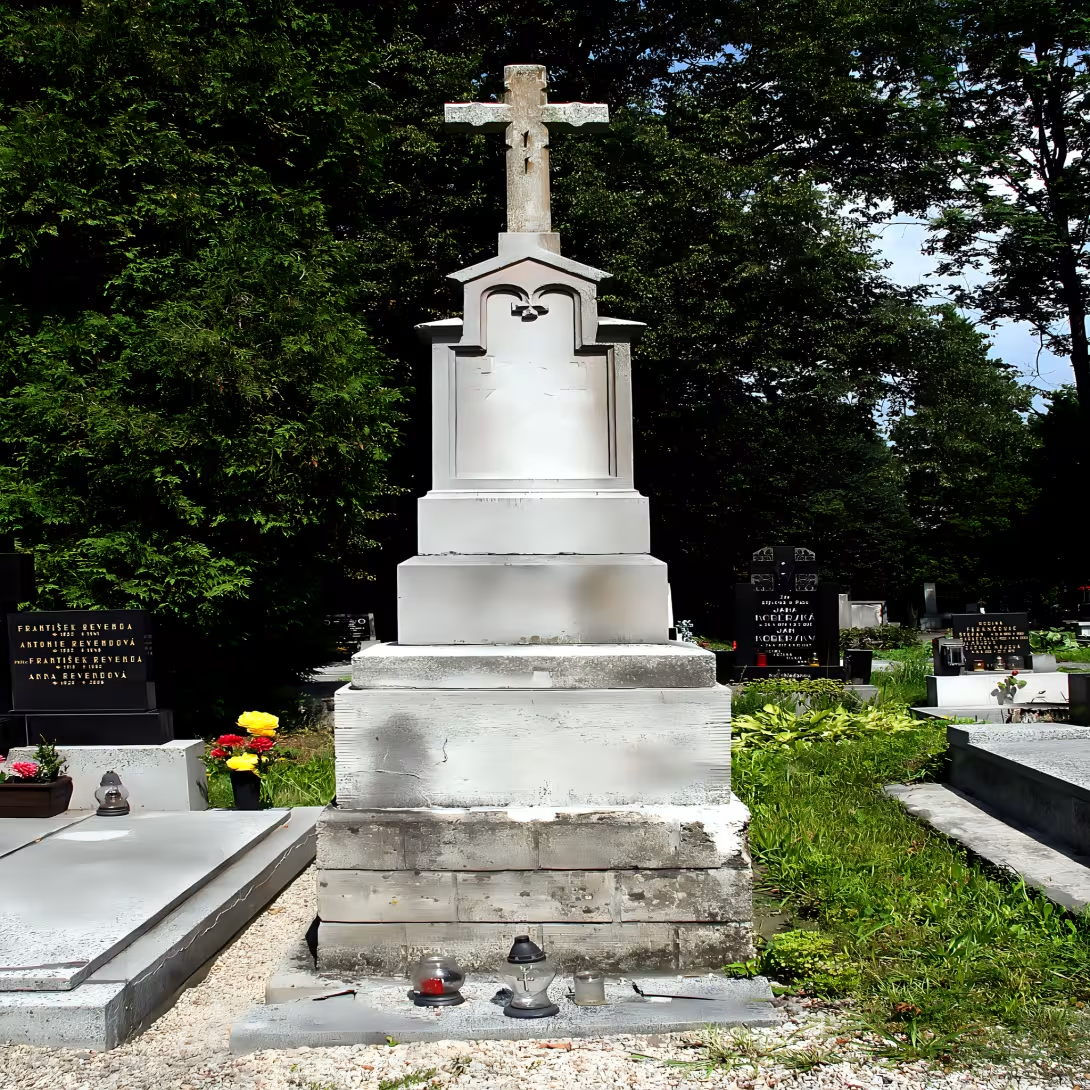
Objekt se nedochoval — na místě dnes nestojí. Následující text popisuje jeho historii, ne současnou návštěvu.
Zámek Dolní Suchá is a historical monument located in Havířov, within the Karviná district of Moravskoslezský kraj. Originally situated in the village of Dolní Suchá, it was first mentioned as part of the Vratislav bishopric's records in 1305. The site stands out for its transformation from a fortress to a Renaissance chateau with later Baroque modifications.
The origins trace back to the early 15th century when Petr Kusý ze Suché, the first known owner around 1471, likely commissioned a fortress. By the early 17th century, under Vlčkové z Dobré Zemice's ownership, it evolved into a Renaissance chateau. This period marked significant architectural changes reflecting broader cultural and political shifts within Bohemia during the Renaissance.
Architecturally, Zámek Dolní Suchá underwent several transformations. Initially built as a fortress, it was converted into a Renaissance chateau with further Baroque modifications in the 18th century, including a mansard roof. By the mid-19th century, its facade was simplified during modernization efforts to reflect changing tastes and functional needs.
The chateau's ownership history is marked by frequent changes. After Vlčkové z Dobré Zemice, it passed through various hands in the 17th and 18th centuries, including Rousečtí z Ejvaně, Pelhřimovští z Třenkovic, Janušovští z Vyšehradu, and Dziembowé. In 1833, it came under Mattencloitové's ownership until 1903 when bratři Guttmannové acquired it. The early 20th century saw further transitions, with Česká obchodní společnost taking over in 1933 and various private owners following until state acquisition post-1948.
Key events include its first documented mention as a Renaissance structure in 1620. Its decline began due to lack of maintenance, exacerbated by the proximity of the Dukla mine. By the late 1970s, it had deteriorated significantly, leading to a decision for demolition between 1979 and 1980.
Today, Zámek Dolní Suchá no longer stands as a physical structure but remains an important historical site within Havířov. Its story reflects broader themes of architectural evolution, shifting ownership, and the impact of industrial development on heritage sites. While it is not accessible for visits in its original form, understanding its history offers valuable insights into the region's past.
Zámek Dolní Suchá serves as a poignant reminder of the dynamic interplay between human endeavors and historical forces. Its legacy invites reflection on preservation challenges faced by many monuments and underscores the importance of safeguarding cultural heritage for future generations.
Then and now
Drag the slider to compare how the landmark may have looked when it was built with the view today.
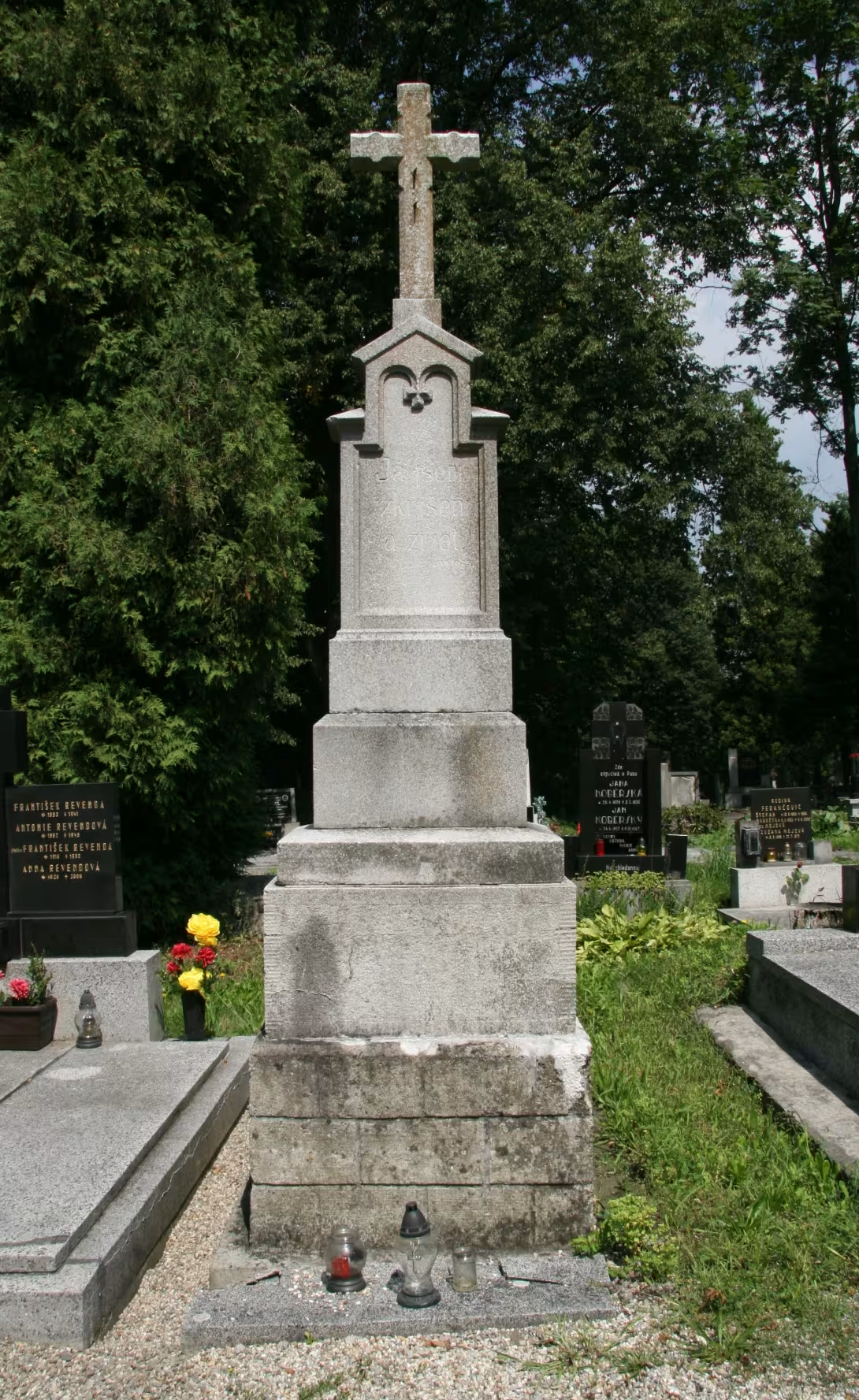
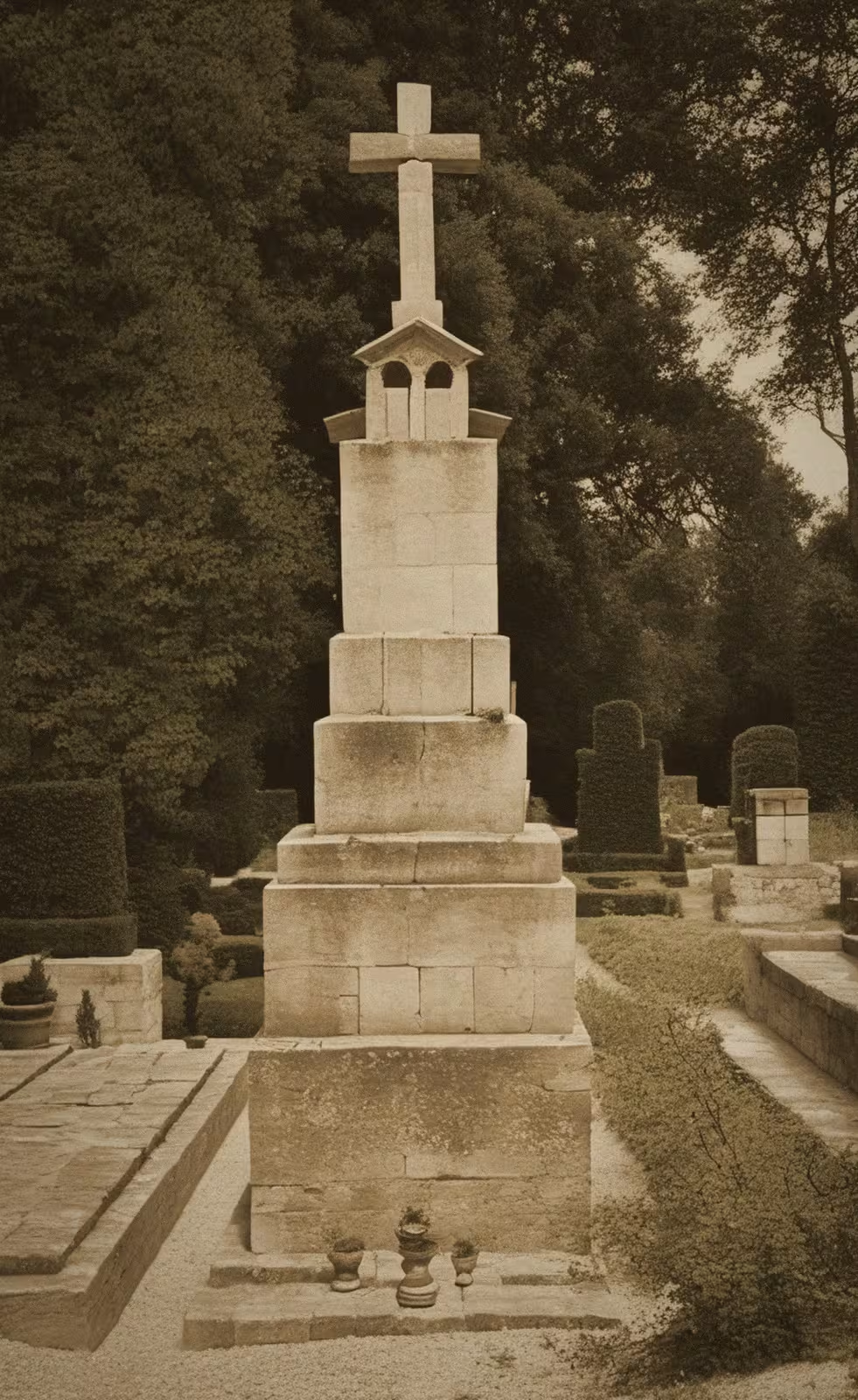
The historical appearance on the left is an AI-generated visualisation and serves as inspiration only.
Historical milestones
- 1305
- The chateau of Dolní Suchá is first mentioned in the records of the Bishopric of Wrocław.
- c. 1471
- Petr Kusý ze Suché, the first known owner, likely commissioned the fortress.
- early 17th century
- Under the ownership of the Vlčkovy family from Dobrá Země, it was transformed into a Renaissance chateau.
- 1620
- The chateau is first documented as a Renaissance structure.
- 18th century
- It underwent Baroque modifications, including the addition of a mansard roof.
- 1833
- Passed into the ownership of the Mattencloit family.
Architectural development
Originally built as a fortress, Zámek Dolní Suchá was transformed into a Renaissance chateau by the Vlčkové z Dobré Zemice in the early 17th century. It underwent baroque modifications in the 18th century, including a new mansard roof. By the mid-19th century, its baroque facade was simplified during modernization.
Historical events
First mentioned in a document from the year 1305 as part of the Vratislav bishopric's records.
Demolition decided upon at the turn of 1979 and 1980 due to its dilapidated condition.
Owners
The first known owner was Petr Kusý ze Suché around 1471, followed by Toman ze Slupka (until 1490), Jiří Hynal z Kornic, Borkové z Roztropic, Lubovští z Lubovic, and Vlčkové z Dobré Zemice. In the 17th and 18th centuries, owners included Rousečtí z Ejvaně, Pelhřimovští z Třenkovic, Janušovští z Vyšehradu, Dziembowé, Mattencloitové (from 1833), bratři Guttmannové (until 1903), Česká obchodní společnost (1933), and various private owners until it became state property post-1948.
Points of interest
- The chateau's transformation from a fortress to a Renaissance structure and later Baroque modifications reflects the broader cultural shifts in Bohemia during the Renaissance era, showcasing how architectural styles evolved with political changes.
- Despite its rich history, Zámek Dolní Suchá was demolished between 1979 and 1980 due to severe deterioration caused by neglect and proximity to the Dukla mine, highlighting the impact of industrial development on historical sites.
- The frequent change in ownership throughout its history, from Petr Kusý ze Suché in the 15th century to various noble families and private owners until state acquisition post-1948, illustrates the chateau's role as a significant asset within shifting political landscapes.
- Zámek Dolní Suchá was first documented as a Renaissance structure in 1620, marking it as one of the early examples of this architectural style in the region, which later underwent Baroque modifications in the 18th century.
- Although no longer standing, Zámek Dolní Suchá remains an important historical site in Havířov, serving as a reminder of the challenges in preserving cultural heritage amidst industrial and modernization pressures.
Guide
This guide is narrated by a synthetic voice generated by artificial intelligence.
Show guide text
This text was created by artificial intelligence and has not been editorially reviewed. It may contain inaccuracies.
Welcome in front of Chateau Dolni Sucha, one of the most interesting historical landmarks in the Havířov area. You stand before a majestic building that has transformed and adapted over centuries to changing cultural and political contexts. Let's travel back in time and explore the history of this chateau.
Chateau Dolni Sucha was first mentioned in records of the Bishopric of Wroclaw in 1305. At that time, it was likely built as a fortress but later, around 1471, it was acquired by Petr Kusy ze Suché and presumably had it rebuilt. During this period, it became a Renaissance residence which was later baroquely redesigned in the 18th century and gained its characteristic mansard roof.
Notice how the chateau's architecture changes as you approach it. While the Renaissance façade is still visible, Baroque elements such as the mansard roof and windows give this building a unique atmosphere.
Chateau Dolni Sucha had many different owners, including the Wlckovs of Dobré Zemice who brought it to its Renaissance style, and Mattencloits who acquired it in 1833. Each left their mark and transformed the chateau according to their needs.
Now let's focus on some key personalities associated with this place. Petr Kusy ze Suché, the first known owner of the chateau, was a significant figure of the Renaissance period. Toman ze Slupka and Jiří Hynal z Kornic were other notable owners who influenced the chateau.
It is interesting that Chateau Dolni Sucha, with such a rich history, was once neglected and forgotten. Today, however, there is an opportunity to explore its rich past and appreciate its architectural value.
Take a look at the chateau's façade and feel the atmosphere that unfolds here. It is a place where the past meets the present, where you can immerse yourself in history and reflect on how architecture changes with cultural and political shifts.
Let Chateau Dolni Sucha captivate you and invite you to further exploration.
Businesses nearby
Do you run a restaurant, accommodation, shop, museum, rental, wellness or other visitor service near this monument? Show yourself directly to the people heading to it — this is how they will see you in the app and on the web:
Events nearby
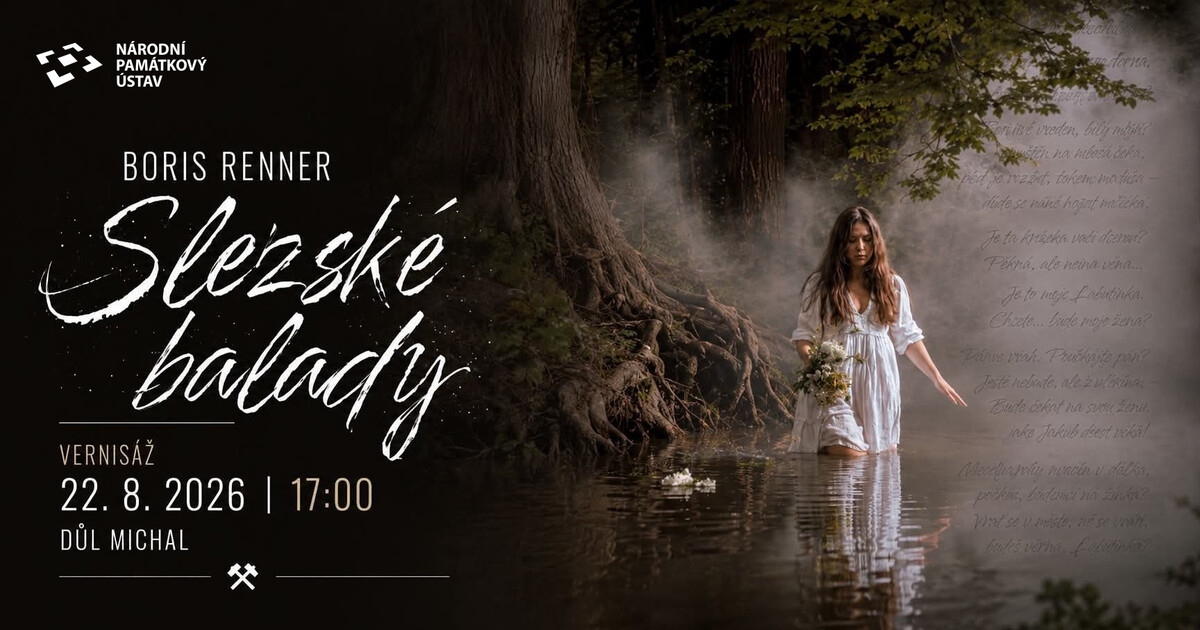
Zdroj akcí: otevřená data měst a obcí ČR (Národní katalog otevřených dat) a kalendář akcí Národního památkového ústavu.
Nearby
The chateau was located at the end of the western part of the manor courtyard. It is now in proximity to the Dukla mine, which contributed to its deterioration.
Visualizations and artistic views


The visualisations are generated by artificial intelligence and serve as inspiration.
Photos from the area
Real photos taken near the monument


Zdroj a licence jsou uvedeny u každého snímku.
Tips from visitors
No tips yet. Be the first!
Log in and add your tip.
Sources and literature
Faktickým podkladem tohoto textu byl článek na Wikipedii, jehož autory jsou přispěvatelé Wikipedie. Článek je dostupný pod licencí CC BY-SA 4.0.
Location on the map


Příběhy a pověsti
Legendy, pověsti a příběhy spjaté s touto památkou

Fotografie návštěvníků
Zatím žádné fotografie. Buďte první, kdo přidá fotografii z návštěvy!
Log in a přidejte svou fotografii nebo hodnoťte.
Za ověřenou návštěvu v aplikaci získáte víc bodů — poznáme podle GPS, že jste na místě.
Reviews and comments