






zámek Hanspaulka Chateau
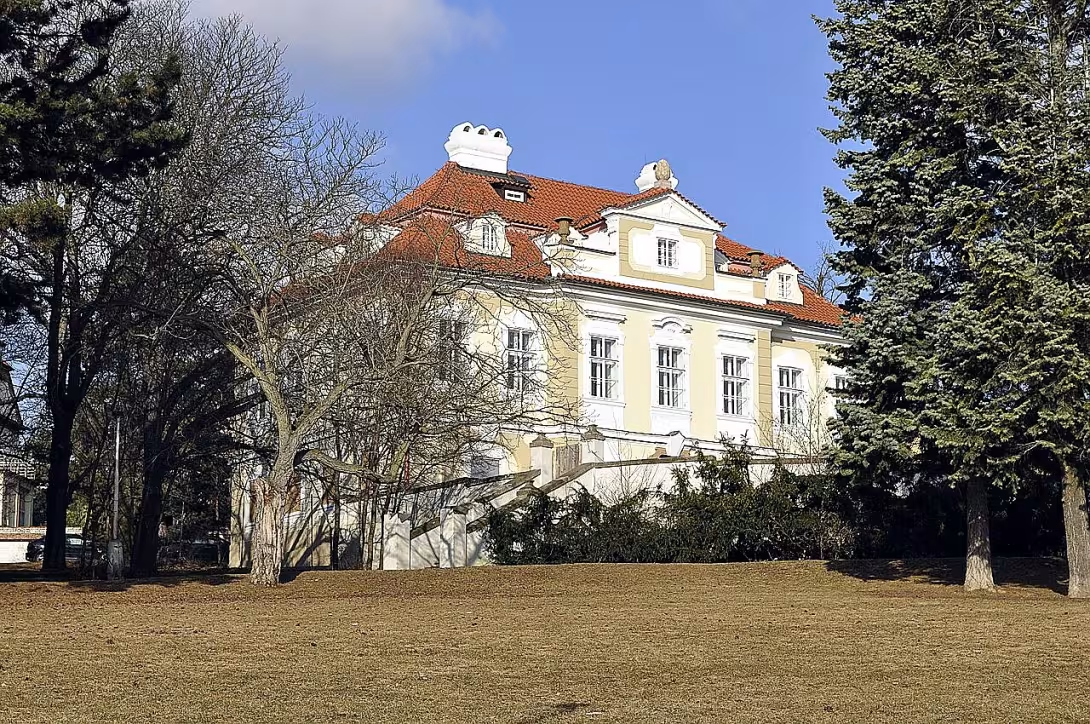
Hanspaulka is a baroque chateau located in Prague's Dejvice district, serving as the headquarters for the Institute of Václav Klaus. Originally an agricultural estate from the early 16th century, it evolved into a mansion known as maison de plaisance by the late 18th century. The site has been protected as a cultural monument since its transformation under Jan Pavel Hippmann in the early 1700s. Its history reflects significant architectural and social changes over centuries.
The origins of Hanspaulka trace back to the early 16th century when vineyards were established on the site. By 1584, Jiří z Lobkovic, a high steward of the Kingdom of Bohemia, built an extensive estate there. The area saw several owners, including Kryštof Disquasát Vlach in the late 16th century, who constructed a mansion and vineyard known as Disquasátku or Diskaciátku. Rudolf II was among those who frequented this location. By the end of the 17th century, Josef Majer, a metropolitan canon, expanded the estate by acquiring several vineyards and adding a wine press in 1696.
The architectural transformation of Hanspaulka began under Jan Pavel Hippmann after he acquired the estate following Josef Majer's death in 1733. Around 1745, Hippmann commissioned a new mansion in the late baroque style, which led to the site being known as Hanspaulka—a name derived from his own name. The chateau underwent significant changes during this period, including an expansion of its gardens and acquisition of additional land.
Ownership of Hanspaulka changed hands several times throughout history. After Hippmann's death in 1757, his son František Karel managed the estate until it was sold to Josef Jan Horák, a metropolitan canon, in 1766. The property continued to serve as a summer retreat for its owners. In 1856, Karel Freiesleben and his wife Kateřina acquired Hanspaulka, which later became part of the St. Vitus Chapter's holdings under Adolf Würfel in 1886. Josef Antonín Jíra resided there from 1912, using it to display his archaeological collections.
The chateau experienced significant events during the 20th century. In 1922, the city of Prague acquired Hanspaulka and initiated restoration efforts between 1927 and 1930. During World War II, it housed the Markomannen Museum under German administration. After the war, the building served various purposes before becoming the headquarters for the Institute of Václav Klaus.
Today, Hanspaulka stands as a testament to its rich history and architectural evolution. It is accessible to visitors interested in exploring Prague's cultural heritage. The chateau's transformation from an agricultural estate to a baroque mansion reflects broader historical shifts in Bohemia and Europe. Visitors are invited to experience this unique site, which offers insights into the region's past while serving as a vibrant part of modern Prague.
Hanspaulka is not only a monument of architectural significance but also a living piece of history that continues to evolve. Its storied past and current role make it a compelling destination for those interested in exploring the layers of Prague's cultural landscape.
Then and now
Drag the slider to compare how the landmark may have looked when it was built with the view today.
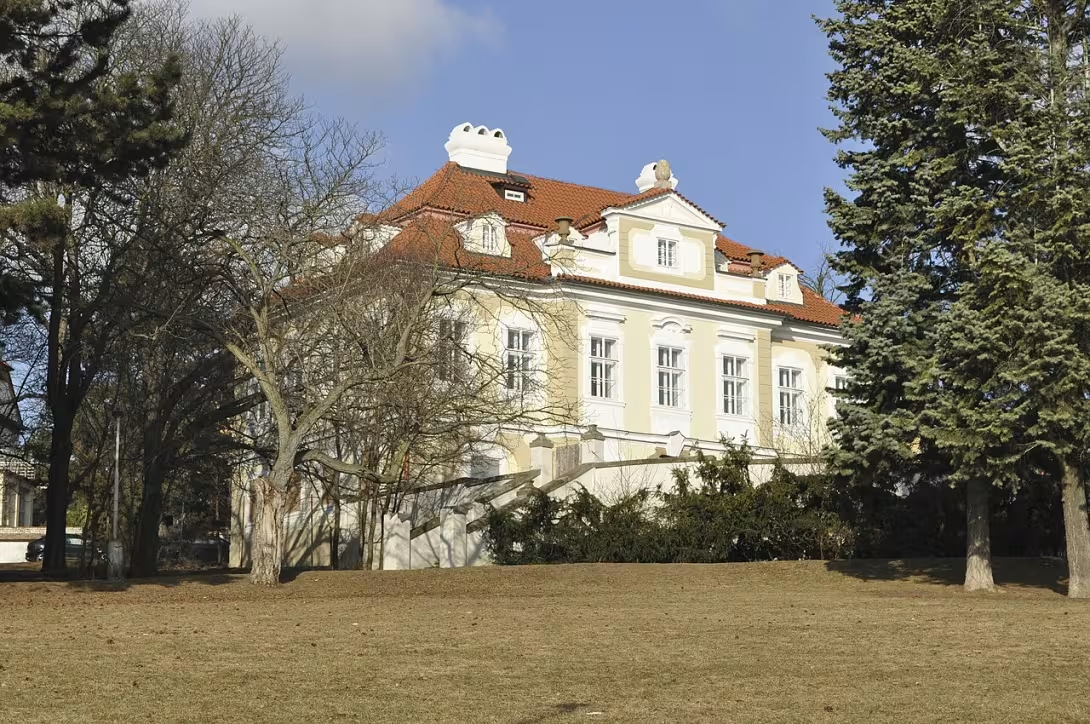
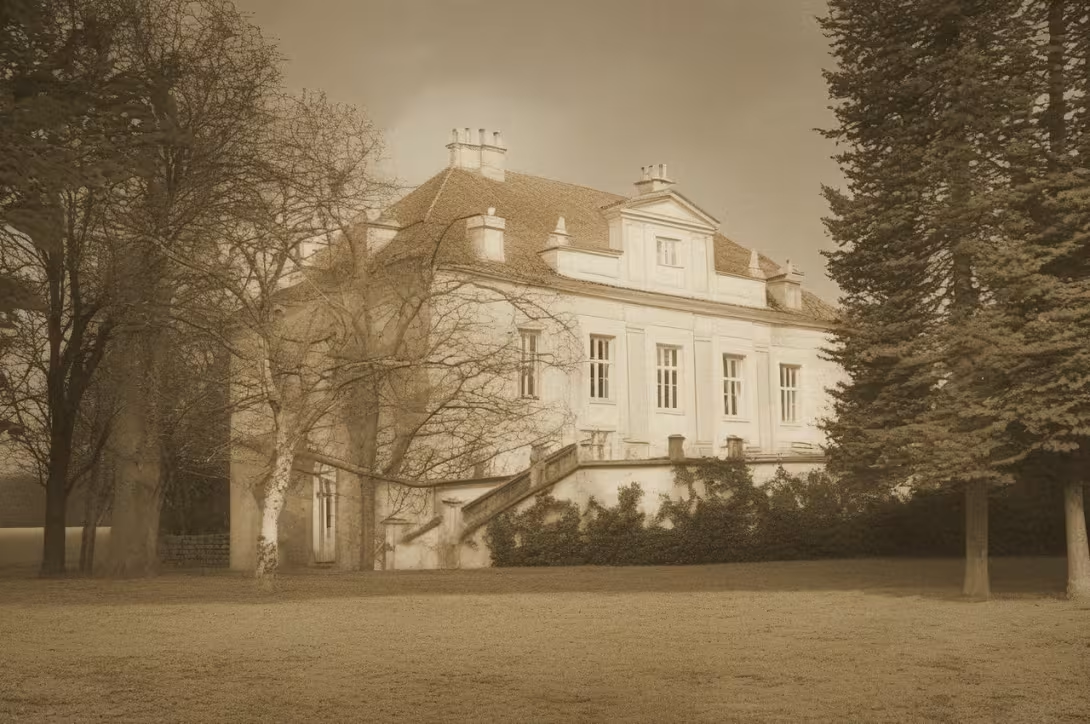
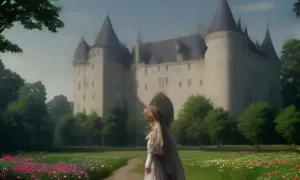
The historical appearance on the left is an AI-generated visualisation and serves as inspiration only.
Historical milestones
- 1584
- Jiří z Lobkovic built the original estate.
- 1696
- Josef Majer expanded the estate and added a wine press.
- 1745
- Jan Pavel Hippmann rebuilt the estate into its current form.
- 1922
- The city of Prague acquired Hanspaulka.
Architectural development
Hanspaulka began as an agricultural estate with vineyards in the early 16th century. Under Jan Pavel Hippmann, it was transformed into a large residential building with baroque influences around 1745. The chateau underwent significant restoration between 1927 and 1930 after being acquired by Prague.
Historical events
Jan Pavel Hippmann commissioned a new mansion in the late baroque style around 1745.
The chateau was acquired by the city of Prague in 1922 and underwent restoration from 1927 to 1930.
Owners
Jiří z Lobkovic, 1584
Kryštof Disquasát Vlach, late 16th century
Josef Majer, late 17th century
Jan Pavel Hippmann, post-1733
František Karel Hippmann, until 1764
Josef Jan Horák, 1766-1788
Karel Freiesleben and Kateřina, from 1856
J. Želnický, early to mid-19th century
Adolf Würfel for the St. Vitus Chapter, post-1886
Josef Antonín Jíra, from 1912
City of Prague, since 1922
Points of interest
- Hanspaulka was originally an agricultural estate with vineyards established in the early 16th century, highlighting its long-standing connection to viticulture before evolving into a baroque chateau.
- The name "Hanspaulka" is derived from Jan Pavel Hippmann, who commissioned the transformation of the site into a late baroque mansion around 1745, marking a significant architectural shift for the estate.
- Rudolf II, a notable historical figure, was among those who frequented Hanspaulka during its time as an extensive estate under Jiří z Lobkovic in the late 16th century, indicating its importance and allure even then.
- During World War II, Hanspaulka served as the location for the Markomannen Museum under German administration, reflecting its strategic use during tumultuous times.
- After being acquired by the city of Prague in 1922, Hanspaulka underwent restoration between 1927 and 1930, preserving its architectural heritage while adapting to new roles throughout the 20th century.
Guide
This guide is narrated by a synthetic voice generated by artificial intelligence.
Show guide text
This text was created by artificial intelligence and has not been editorially reviewed. It may contain inaccuracies.
Welcome to Hanspaulka, a remarkable baroque chateau nestled in the heart of Prague's Dejvice district. As you stand here, take a moment to absorb the grandeur before you. The elegant symmetry and refined elegance of its architecture immediately draw your eye, inviting you into centuries of history.
The story of Hanspaulka begins in the early 16th century when Jiří z Lobkovic built an agricultural estate on this site. This humble beginning laid the foundation for what would become a significant historical landmark. Over time, the estate evolved, reflecting changing tastes and ambitions. By the late 18th century, it had transformed into a mansion known as maison de plaisance, showcasing its evolution from practical agriculture to refined leisure.
In 1745, Jan Pavel Hippmann undertook a major reconstruction of the estate, shaping it into the form we see today. His vision marked a pivotal moment in Hanspaulka's history, leaving an indelible mark on its identity and architecture. The name "Hanspaulka" itself is derived from him, honoring his contribution to this transformation.
As you walk around, notice the harmonious blend of architectural elements that speak to its baroque roots. While specific architects remain unknown, their work has left a legacy of beauty and sophistication. Observe how the structure interacts with its surroundings—its stately presence against the backdrop of Prague's skyline is truly captivating.
This site is intertwined with intriguing historical figures who have shaped its past. Jiří z Lobkovic initiated its journey as an estate, while Josef Majer expanded it in 1696 by adding a wine press—a nod to the area's viticultural heritage. Rudolf II and Kryštof Disquasát Vlach are other notable figures linked with this place, each contributing their own chapter to Hanspaulka’s rich narrative.
One fascinating aspect of Hanspaulka is its connection to viticulture. Originally an agricultural estate with vineyards, it highlights a long-standing tradition that predates its baroque transformation. This blend of agriculture and architecture offers a unique glimpse into the past, where utility met elegance.
In 1922, the city of Prague acquired Hanspaulka, ensuring its preservation as a cultural monument—a testament to its enduring significance in the city's history. As you explore further, let yourself be drawn into the stories embedded within these walls, each corner whispering tales from centuries past.
I invite you now to delve deeper and discover more about this enchanting chateau. Take your time to wander through its grounds, allowing the atmosphere to envelop you. Thank you for joining me on this journey through history at Hanspaulka. May your exploration be as enriching as it is inspiring. Safe travels on your continued adventures!
Tips for visitors
The best time to visit Hanspaulka is during the spring or early fall when the weather is mild, making it ideal for exploring both the chateau and the surrounding parks like Letná Park. During these seasons, you can enjoy pleasant temperatures and vibrant greenery without the crowds that peak in summer. Additionally, visiting on a weekday might offer a quieter experience compared to weekends.
Transportation options to Hanspaulka include public transit and driving. The chateau is accessible by tram or bus from central Prague, with several lines running through Dejvice. If you prefer driving, there are parking facilities nearby, although it's advisable to check for availability in advance as spaces can be limited during peak times. For those using public transport, ensure to verify current routes and schedules via a transit app or website.
When planning your visit, consider bringing comfortable walking shoes, especially if you intend to explore the surrounding parks like Letná Park. A camera is also recommended for capturing scenic views of Prague from these areas. Since Hanspaulka is a baroque chateau with historical significance, it might be beneficial to bring along a guidebook or download an app that provides insights into its history and architecture.
For photography enthusiasts, the best spots around Hanspaulka include Letná Park, which offers panoramic views of Prague. The lighting is particularly stunning during sunrise or sunset when the cityscape is beautifully illuminated. Additionally, capturing images from the chateau's gardens can provide a unique perspective with lush greenery and architectural details.
Nearby attractions within 30 minutes include Letná Park, known for its iconic Metronome sculpture and scenic vistas of Prague Chateau. For families with children, consider visiting the nearby Zoo in Troja or the interactive exhibits at the National Technical Museum. These destinations offer engaging activities suitable for all ages.
Businesses nearby
Events nearby

Zdroj akcí: otevřená data měst a obcí ČR (Národní katalog otevřených dat) a kalendář akcí Národního památkového ústavu.
Nearby
Located in Dejvice, Hanspaulka is surrounded by residential areas and parks. The nearby Letná Park offers scenic views of Prague, while the city center lies just a few kilometers away.
Accommodation nearby
Trips and activities nearby
Guided tours, tickets and activities nearby from GetYourGuide
Affiliate link: if you buy from the partner, we may receive a commission. The price for you does not change.
Search tours and activities →Themed route
Thematic Walking Tour: Exploring the Charm of Dejvice
1. Zámek Hanspaulka (Chateau) - Type: Historic Chateau - Why Visit: Begin your journey at Zámek Hanspaulka, a stunning example of Czech Art Nouveau architecture designed by Josef Fanta in 1905. This chateau is not only an architectural gem but also serves as the seat of the President of the Czech Republic. Its beautifully landscaped gardens and unique design make it a must-see for anyone interested in history or architecture.
2. Letná Park (Park) - Type: Urban Park - Why Visit: A short walk from Zámek Hanspaulka, Letná Park offers breathtaking panoramic views of Prague's skyline. This park is perfect for a leisurely stroll or a picnic while enjoying the open spaces and historical monuments like the Soviet-era monument to Klement Gottwald. The blend of nature and history provides an excellent opportunity to relax and reflect after exploring the chateau.
3. Dejvická Tržnice (Market) - Type: Local Market - Why Visit: Located within walking distance from Letná Park, Dejvická Tržnice is a vibrant local market where you can experience the everyday life of Prague's residents. It offers fresh produce, artisanal goods, and a chance to interact with locals. This market is ideal for those interested in culinary experiences or simply looking to enjoy a slice of authentic Czech culture.
4. Dejvické Náměstí (Square) - Type: Public Square - Why Visit: Conclude your tour at Dejvické Náměstí, a lively square that serves as the heart of Dejvice. This area is surrounded by cafes and shops, making it perfect for unwinding with a coffee or snack after exploring the day's sights. The square often hosts cultural events and performances, adding to its vibrant atmosphere.
This tour offers a delightful exploration of Dejvice, combining historical sites, natural beauty, and local culture in a compact and accessible route.
Seasonal recommendations
Spring: Visiting the Hanspaulka Chateau during spring offers a unique experience as nature awakens around this historic site. The blooming gardens and lush greenery provide a picturesque backdrop, enhancing the chateau's charm. This is an ideal time for photography enthusiasts seeking vibrant colors and natural beauty. Early mornings are recommended to enjoy the serene atmosphere before larger crowds arrive, and comfortable walking shoes are advisable due to potentially muddy paths.
Summer: Summer at Hanspaulka Chateau is characterized by its lively atmosphere and extended daylight hours, making it perfect for exploring the grounds thoroughly. The lush gardens are in full bloom, offering a vibrant display of flowers that complement the chateau's historic architecture. Due to increased visitor numbers during this peak season, arriving early can help avoid crowds and ensure a more relaxed visit. Light clothing is recommended to stay comfortable under the summer sun, along with sunscreen for protection.
Autumn: Autumn brings a magical transformation to Hanspaulka Chateau as the foliage turns into warm hues of red, orange, and yellow, creating a stunning contrast against the chateau's stone structures. The cooler weather makes it an ideal time for leisurely strolls through the grounds without the summer heat. This season often sees fewer visitors compared to summer, allowing for a more intimate experience. Layered clothing is advisable to accommodate fluctuating temperatures throughout the day.
Winter: Winter at Hanspaulka Chateau offers a quiet and enchanting atmosphere with its snow-covered landscapes providing a fairy-tale-like setting. The shorter days mean that visits should be planned earlier in the day, as opening hours may be reduced during this season. While the gardens are dormant, the chateau's architecture stands out against the stark winter backdrop. Warm clothing is essential to stay comfortable, and visitors might want to bring gloves and a hat for added warmth while exploring the grounds.
Visualizations and artistic views


The visualisations are generated by artificial intelligence and serve as inspiration.
Photos from the area
Real photos taken near the monument


Zdroj a licence jsou uvedeny u každého snímku.
Tips from visitors
No tips yet. Be the first!
Log in and add your tip.
Sources and literature
Fotografie: Jirka Dl / CC BY-SA 3.0 — Wikimedia Commons. The author and licence also appear when you hover over the image.
Faktickým podkladem tohoto textu byl článek na Wikipedii, jehož autory jsou přispěvatelé Wikipedie. Článek je dostupný pod licencí CC BY-SA 4.0.
Location on the map
More monuments – Dejvice
Show all in the municipality


Příběhy a pověsti
Legendy, pověsti a příběhy spjaté s touto památkou
Fotografie návštěvníků
Zatím žádné fotografie. Buďte první, kdo přidá fotografii z návštěvy!
Přihlaste se a přidejte svou fotografii nebo hodnoťte.
Za ověřenou návštěvu v aplikaci získáte víc bodů — poznáme podle GPS, že jste na místě.
Reviews and comments