






zámek Hranice Chateau
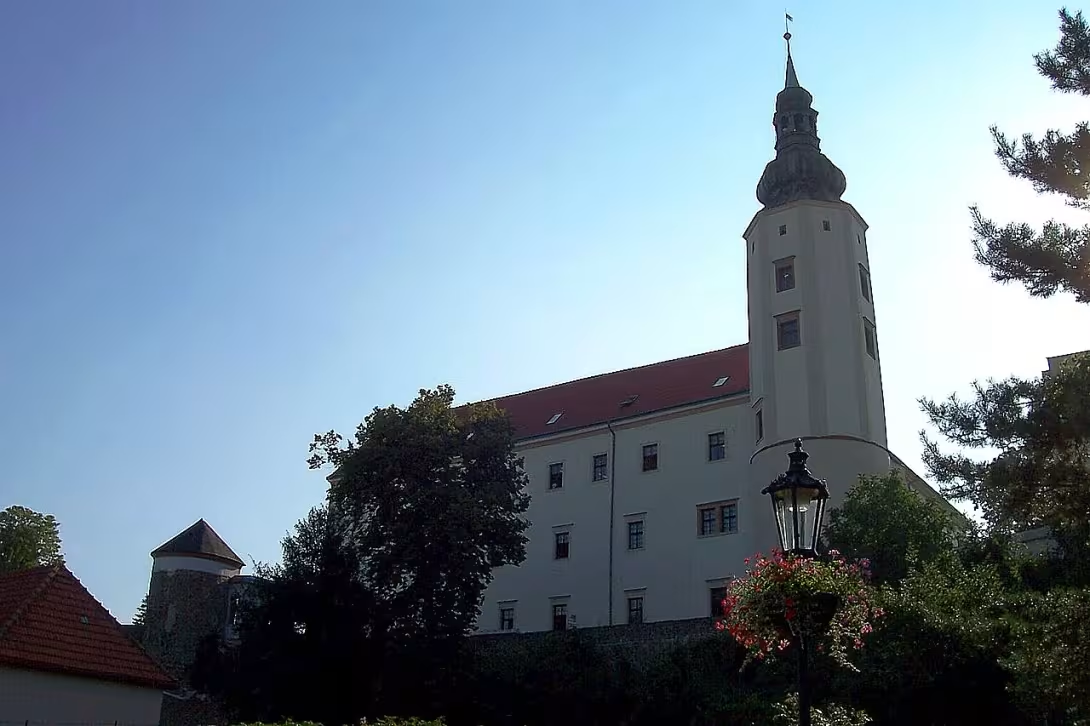
Zámek Hranice stands as a testament to the rich history of the Czech Republic, located in Hranice I-Město within Olomoucký kraj. This baroque structure is built on the foundations of an older chateau originally constructed by the Pernštejn family and has been designated as a cultural monument due to its historical significance. The site evolved from a wooden fortress into a stone fortification during the Hussite period, reflecting its strategic importance over centuries.
The origins of Zámek Hranice trace back to 1427 when it became part of the extensive holdings of both Hussite and anti-Hussite lords in Moravia under the Cimburk family. The chateau was fortified with stone walls between 1435 and 1460 during the reign of Jan and Ctibor Tovačovští z Cimburka, marking its transition from a wooden fortress to a more robust structure. In 1470, Albrecht Kostka z Postupic acquired Hranice but did not reside there long due to financial difficulties, leading him to mortgage the chateau and town to Jan Bělík z Kornic. However, in 1475, Vilém z Pernštejna purchased the estate for 4,000 gold coins and three lifetimes of leasehold rights, resolving ownership disputes by becoming the sole proprietor by 1477. The Pernštejn family's tenure from 1475 to 1547 was marked by prosperity and significant expansion of the chateau between 1480 and 1514.
Architecturally, Zámek Hranice underwent several transformations over time. Initially fortified with stone during the Hussite period, it expanded significantly under the Pernštejn family. The Renaissance era brought further changes when Jan Kropáč z Nevědomí transformed the medieval chateau into a grand baroque three-winged structure. Notable architectural elements include an octagonal addition to the original cylindrical tower from the Pernštejn era, topped with a spire, and a unique arcade wing dating back to Zdeněk Žampach z Potštejna's ownership.
Ownership of the chateau changed hands several times after the Pernštejn family. Jan Kropáč z Nevědomí initiated significant architectural changes, followed by owners such as Jan mladší ze Žerotína and Bedřich ze Žerotína. Between 1600 and 1609, Zdeněk Žampach z Potštejna owned the chateau, during which time a distinctive arcade wing was added. Václav Mol z Modřelic became the last owner to reside at Hranice before his arrest in 1621 following his involvement in the Bohemian Revolt against the Habsburgs. His subsequent imprisonment and death led to the confiscation of his estate, which František Josef z Ditrichštejna acquired in 1622.
Throughout its history, Zámek Hranice has witnessed significant events that shaped its legacy. The chateau's strategic importance was highlighted during the Hussite period when it was fortified with stone walls. Its expansion under the Pernštejn family marked a period of prosperity and architectural development. However, the Thirty Years' War brought turmoil, culminating in Václav Mol's arrest in 1621 after his participation in the Bohemian Revolt.
Today, Zámek Hranice serves as a municipal office following extensive reconstruction. The chateau's courtyard has been covered with glass to create a bright atrium, blending historical architecture with modern functionality. This transformation makes it an accessible and intriguing site for visitors interested in exploring its rich history and architectural evolution.
Zámek Hranice is not only a monument of cultural significance but also a window into the past, offering insights into the political and architectural transformations that have shaped the region. Its storied history and preserved architecture make it a compelling destination for anyone interested in Czech heritage. Visitors are invited to explore this remarkable site and experience its unique blend of historical grandeur and contemporary utility.
Then and now
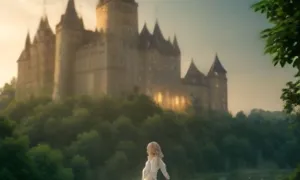
Drag the slider to compare how the landmark may have looked when it was built with the view today.
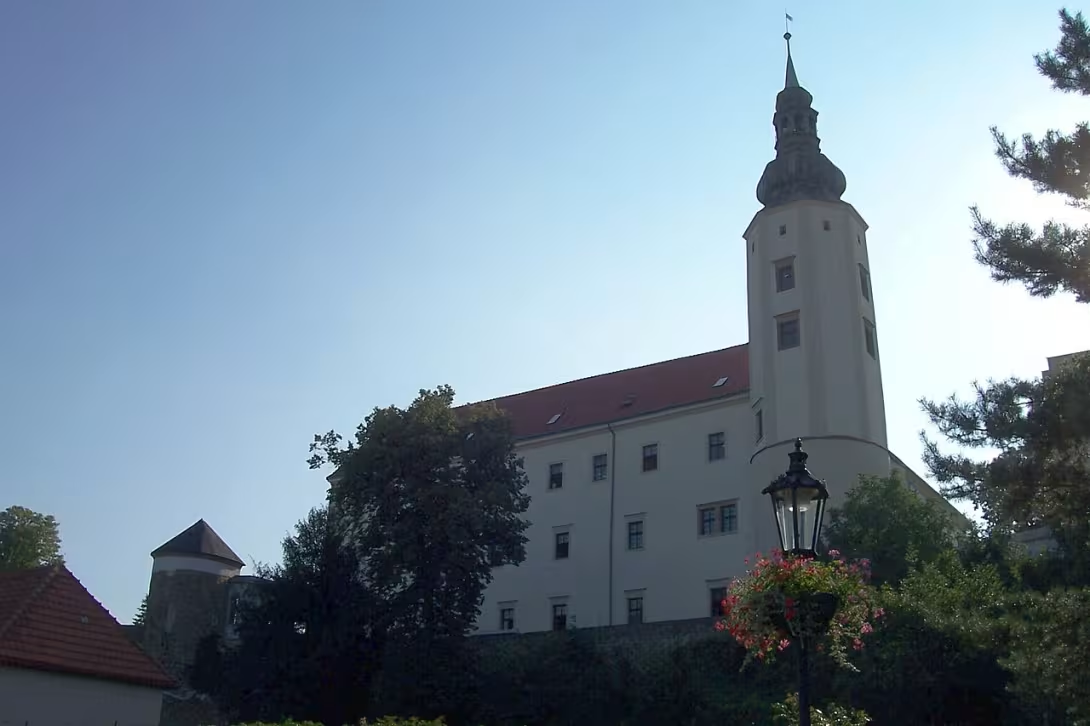

The historical appearance on the left is an AI-generated visualisation and serves as inspiration only.
Historical milestones
- 1427
- Hranice became part of the Cimburk family's extensive holdings.
- 1475
- Vilém z Pernštejna acquired Hranice, marking a period of prosperity and expansion for the chateau.
- 1621
- Václav Mol was arrested following his involvement in the Bohemian Revolt.
Architectural development
The chateau underwent significant architectural transformations over time. Initially a wooden fortress, it was fortified with stone walls during the Hussite period (1435-1460). Under the Pernštejn family, the fortification expanded significantly between 1480 and 1514. In the Renaissance era, Jan Kropáč z Nevědomí transformed the medieval chateau into a grand baroque three-winged structure.
Historical events
In 1427, Hranice became part of the extensive holdings of both Hussite and anti-Hussite lords in Moravia – the Cimburk family. (1427)
The chateau was significantly expanded between 1480 and 1514 during the Pernštejn era.
In 1621, Václav Mol was arrested and imprisoned following his involvement in the Bohemian Revolt against the Habsburgs.
Owners
The chateau was initially built by the Pernštejn family and later owned by Jan and Ctibor Tovačovští z Cimburka (1427-1470), Albrecht Kostka z Postupic (1470), Jan Bělík z Kornic, Vilém z Pernštejna (1475-1547), Jan Kropáč z Nevědomí, Zdeněk Žampach z Potštejna (1600–1609), Václav Mol z Modřelic, and finally František Josef z Ditrichštejna.
Points of interest
- The chateau of Zámek Hranice has a unique architectural feature: an octagonal addition to its original cylindrical tower from the Pernštejn era, topped with a spire, which showcases a blend of medieval and baroque styles.
- During its history, Zámek Hranice was part of the extensive holdings of both Hussite and anti-Hussite lords in Moravia under the Cimburk family, reflecting its strategic importance during the tumultuous Hussite period.
- The chateau saw rapid changes in ownership due to financial difficulties; for instance, Albrecht Kostka z Postupic had to mortgage it to Jan Bělík z Kornic because he couldn't afford to maintain it, demonstrating the economic challenges of the time.
- Zdeněk Žampach z Potštejna added a distinctive arcade wing during his ownership from 1600 to 1609, which is one of the unique architectural elements that contribute to the chateau's historical and aesthetic value.
- Václav Mol z Modřelic’s involvement in the Bohemian Revolt against the Habsburgs led to his arrest in 1621 and the subsequent confiscation of Zámek Hranice, highlighting its role in the political conflicts of early modern Europe.
Guide
This guide is narrated by a synthetic voice generated by artificial intelligence.
Show guide text
This text was created by artificial intelligence and has not been editorially reviewed. It may contain inaccuracies.
Welcome to the historic Zámek Hranice, nestled in the charming town of Hranice I-Město within Olomoucký kraj. As you stand before this majestic baroque structure, imagine the centuries of history that echo through its walls. The chateau's story begins with the Pernštejn family, who laid down the foundations of what would become a significant stronghold.
The site evolved from an initial wooden fortress into a stone fortification during the tumultuous Hussite period, highlighting its strategic importance over time. By 1427, it became part of the extensive holdings of the Cimburk family, and in 1475, Vilém z Pernštejna acquired Hranice, ushering in an era of prosperity and expansion for the chateau.
As you explore further, take a moment to appreciate the unique architectural blend that defines Zámek Hranice. The most striking feature is the octagonal addition to its original cylindrical tower from the Pernštejn era, crowned with a spire. This design showcases an intriguing fusion of medieval and baroque styles, reflecting the chateau's evolution through different historical periods.
Throughout its history, Zámek Hranice has been intertwined with numerous notable figures. The Pernštejnové family initially built it, while Jan and Ctibor Tovačovští z Cimburka later played pivotal roles in its development. Other significant personalities include Albrecht Kostka z Postupic, Jan Bělík z Kornic, Vilém z Pernštejna, and Jan Kropáč z Nevědomí. The chateau's storied past also includes the arrest of Václav Mol in 1621 following his involvement in the Bohemian Revolt.
One intriguing aspect that might captivate you is how this site has witnessed both prosperity and conflict, serving as a silent witness to the shifting tides of history. Reflect on the lives and stories of those who walked these grounds centuries ago, from strategic meetings during times of war to moments of peace and celebration within its walls.
As your visit draws to a close, we invite you to continue exploring this remarkable site. Each corner holds secrets waiting to be discovered, inviting you to delve deeper into the tapestry of history that Zámek Hranice so beautifully represents. Thank you for joining us on this journey through time; may your curiosity and appreciation for history continue to grow as you venture forth.
Frequently asked questions
Can the monument be visited?
Some buildings of this kind are open for guided tours, others serve another purpose or are privately owned. We have not verified whether and when this monument is open – please ask the operator.
What are the opening hours and admission?
We have not verified the opening hours or admission. Current information is published by the operator.
Where is the monument?
Location: Pernštejnské náměstí 1, Hranice I-Město, Hranice, Olomoucký kraj. The map on this page shows the exact spot.
Why is the monument protected?
It is listed in the Central List of Cultural Monuments of the Czech Republic as a cultural monument (register no. 41768/8-435).
Businesses nearby
Do you run a restaurant, accommodation, shop, museum, rental, wellness or other visitor service near this monument? Show yourself directly to the people heading to it — this is how they will see you in the app and on the web:
Nearby
Hranice Chateau is surrounded by picturesque landscapes typical of the Olomoucký region, including rolling hills and historical architecture. Nearby are other cultural sites and natural features within a 5 km radius.
Accommodation nearby
Themed route
Thematic Tour of Hranice Chateau and Surroundings
1. Hranice Chateau (Chateau) Begin your journey at the majestic Hranice Chateau, a quintessential example of Renaissance architecture nestled in the picturesque landscapes of the Olomoucký region. The chateau's rich history, dating back to the 16th century, offers visitors an opportunity to explore its grand halls and beautifully preserved interiors. Don't miss the chance to climb the tower for breathtaking views over the surrounding hills.
2. Church of St. John the Baptist (Historical Site) A short walk from the chateau leads you to the Church of St. John the Baptist, an architectural gem that complements the historical ambiance of Hranice. This church, with its striking Baroque features and serene atmosphere, provides insight into the region's religious heritage. The interior is adorned with beautiful frescoes and altarpieces that are worth a closer look.
3. Hradisko Hill (Natural Feature) Just outside the town center, venture to Hradisko Hill, an inviting natural feature offering panoramic views of the area. This spot is perfect for a leisurely stroll or a moment of reflection amidst the rolling hills typical of Olomoucký kraj. The hill's gentle slopes and lush greenery make it an ideal place to appreciate the region's natural beauty.
4. Historical Town Center (Cultural Site) Return to the town center, where you can explore the charming streets of Hranice I-Město. This area is a testament to the town’s historical significance, with well-preserved architecture and quaint shops that reflect its cultural heritage. Take time to wander through the narrow lanes and discover local crafts or enjoy a cup of coffee in one of the cozy cafes.
5. Castle Park (Park) Conclude your tour at the expansive Castle Park, where you can relax amidst beautifully landscaped gardens surrounding Hranice Chateau. The park offers peaceful walking paths, ideal for unwinding after exploring the chateau and town. It's a perfect spot to reflect on the day’s journey through history and nature.
This thematic tour provides a comprehensive experience of both the historical and natural attractions within close proximity to Hranice Chateau, ensuring an enriching visit to this enchanting part of Olomoucký kraj.
Seasonal recommendations
Spring: The arrival of spring at Hranice Chateau brings a refreshing transformation as the surrounding landscapes burst into life with vibrant colors and blossoming flora. This season offers a serene atmosphere, perfect for those seeking tranquility away from the bustling crowds typical in other seasons. Visitors can enjoy leisurely walks through blooming gardens and picturesque grounds that are bathed in soft sunlight. It's advisable to dress in layers as temperatures can vary throughout the day, and early mornings might still be brisk. This is an ideal time to explore the chateau without the summer crowds, allowing for a more intimate experience of its historical charm.
Summer: Summer at Hranice Chateau provides a lively atmosphere with longer daylight hours that enhance the beauty of the historic architecture and surrounding natural scenery. The lush greenery and warm weather create an inviting backdrop for outdoor activities. However, this is also the peak tourist season, so it's wise to arrive early in the morning to avoid large crowds and secure better opportunities for photography without obstruction. Comfortable walking shoes and light clothing are recommended due to increased temperatures and potential heat during midday visits.
Autumn: Autumn at Hranice Chateau offers a stunning display of fall foliage, transforming the landscape into a vibrant tapestry of reds, oranges, and yellows. The cooler weather makes for pleasant exploration of both the chateau grounds and its interior exhibits without the summer heat. This season is less crowded than summer, providing a more relaxed visit while still enjoying the beauty of nature in full splendor. Layered clothing is recommended as temperatures can vary significantly between morning and afternoon.
Winter: Winter at Hranice Chateau presents a magical atmosphere with snow-dusted grounds and historic architecture that takes on an enchanting appearance under soft winter light. Visitors should dress warmly in insulated layers, including hats and gloves, as temperatures can be quite chilly. This season offers a quieter experience, ideal for those looking to enjoy the chateau's beauty without the bustle of larger crowds, providing an opportunity to appreciate its history in a unique winter setting.
Visualizations and artistic views


The visualisations are generated by artificial intelligence and serve as inspiration.
Photos from the area
Real photos taken near the monument


Zdroj a licence jsou uvedeny u každého snímku.
Atmosphere of the place
This atmospheric visualisation of the place and period was generated by artificial intelligence. It is not real footage of the location.
Tips from visitors
No tips yet. Be the first!
Log in and add your tip.
Sources and literature
Photos: palickap / CC BY 3.0 — Wikimedia Commons. The author and licence also appear when you hover over the image.
Faktickým podkladem tohoto textu byl článek na Wikipedii, jehož autory jsou přispěvatelé Wikipedie. Článek je dostupný pod licencí CC BY-SA 4.0.
Location on the map
More monuments – Hranice I-Město
Show all in the municipality
Příběhy a pověsti
Legendy, pověsti a příběhy spjaté s touto památkou
Fotografie návštěvníků
Zatím žádné fotografie. Buďte první, kdo přidá fotografii z návštěvy!
Log in a přidejte svou fotografii nebo hodnoťte.
Za ověřenou návštěvu v aplikaci získáte víc bodů — poznáme podle GPS, že jste na místě.
Reviews and comments