






zámek Hrušovany nad Jevišovkou Chateau
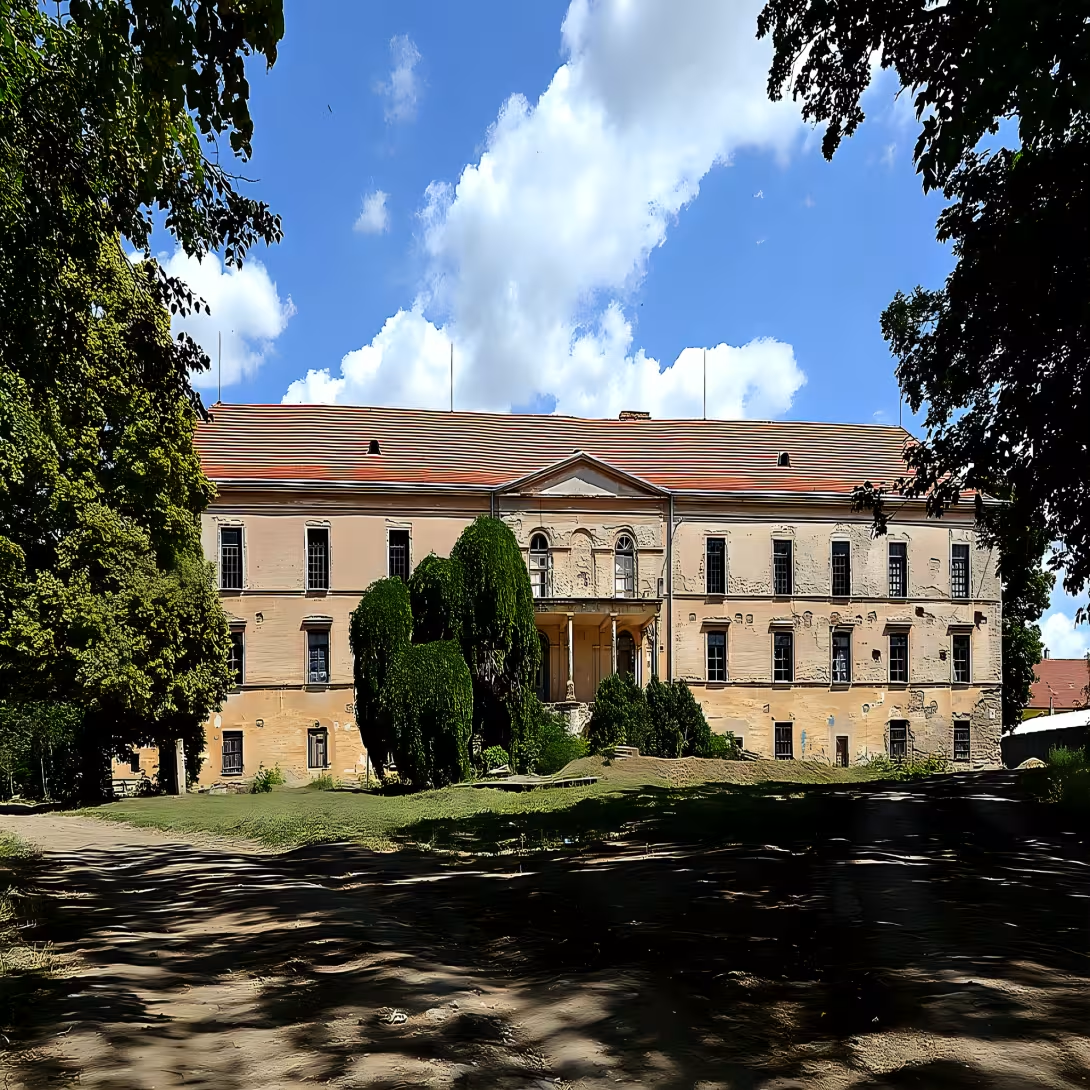
The Hrušovany nad Jevišovkou Chateau is a classicist structure located in the northern part of the village of Hrušovany nad Jevišovkou, within the Znojmo District of the South Moravian Region. Originating from the late 17th century, it was initially constructed by the noble Althann family and later transformed into its current classical style in 1804. The chateau is notable for its historical significance, architectural evolution, and cultural importance as a protected monument on Znojmo's landscape.
The origins of Hrušovany nad Jevišovkou Chateau trace back to the late 17th century when it was built by Michal Adolf z Althanu. The chateau replaced an older fortress, reflecting the architectural trends and noble ambitions of its time. Initially designed in a baroque style, it underwent significant transformation into a classicist structure in 1804, marking a shift in aesthetic preferences and functional requirements.
Architecturally, the chateau showcases a blend of styles with its early baroque foundation evolving into a classicist design by the early 19th century. This evolution is indicative of broader European artistic trends during that period. The chateau's architecture includes elements typical of both styles, although it currently stands in disrepair due to years of neglect since being abandoned in 1986.
Ownership and administration of the chateau have seen several changes over the centuries. Initially built by the Althann family, its use transitioned through various hands, including a state enterprise until 1961. In 2000, the city of Hrušovany acquired it, but due to financial complications, ownership reverted back after an unsuccessful sale attempt in 2010. Despite these challenges, efforts have been made by local organizations to preserve and potentially repurpose the chateau.
Key events at the chateau include its transformation into a classicist structure in 1804 and the death of notable Czech art historian Max Dvořák in 1921. These events highlight the chateau's role not only as a noble residence but also as a site of cultural significance. Additionally, it has been listed as an endangered cultural monument since being abandoned, underscoring its precarious state.
Today, Hrušovany nad Jevišovkou Chateau remains in poor condition, yet it continues to attract interest due to its historical and architectural value. Efforts by the local community, including the establishment of a society dedicated to the chateau's preservation, aim to explore restoration possibilities and future uses for the site. Occasionally, cultural events are hosted here, offering visitors a glimpse into its storied past.
The chateau stands as a testament to the region's rich history and architectural heritage. Its preservation is crucial not only for maintaining historical continuity but also for fostering cultural appreciation among locals and tourists alike. Visitors are invited to explore this remarkable site, where the echoes of its noble past and artistic significance continue to resonate.
Then and now
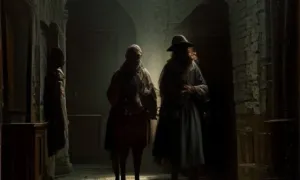
Drag the slider to compare how the landmark may have looked when it was built with the view today.
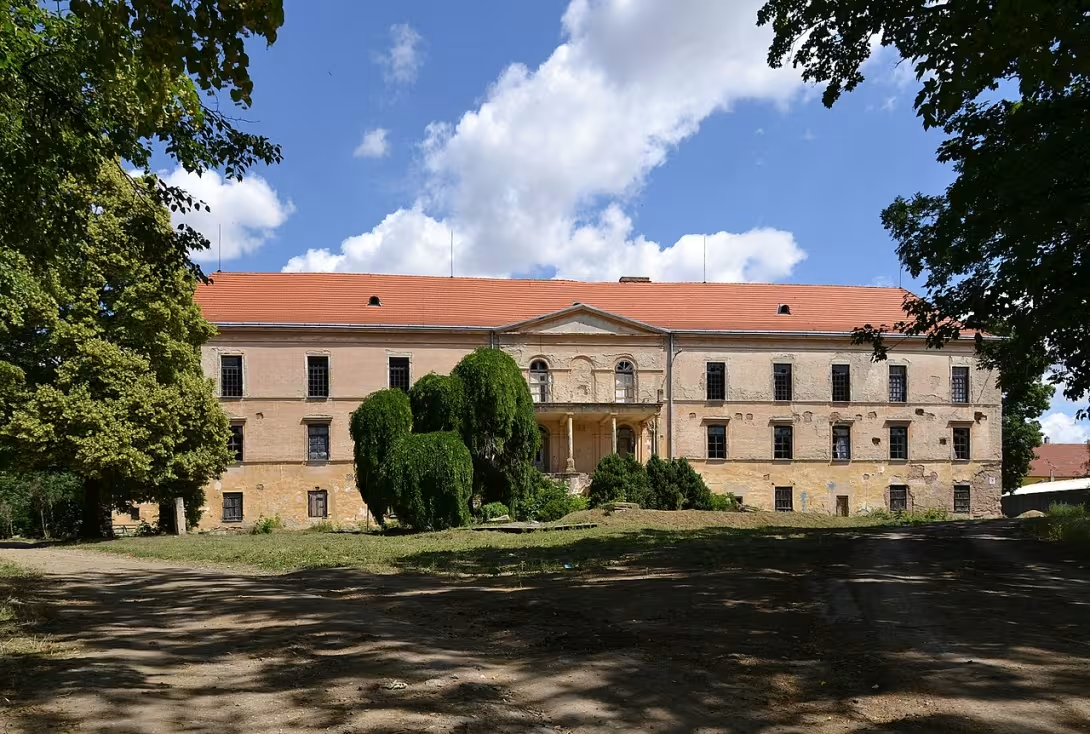
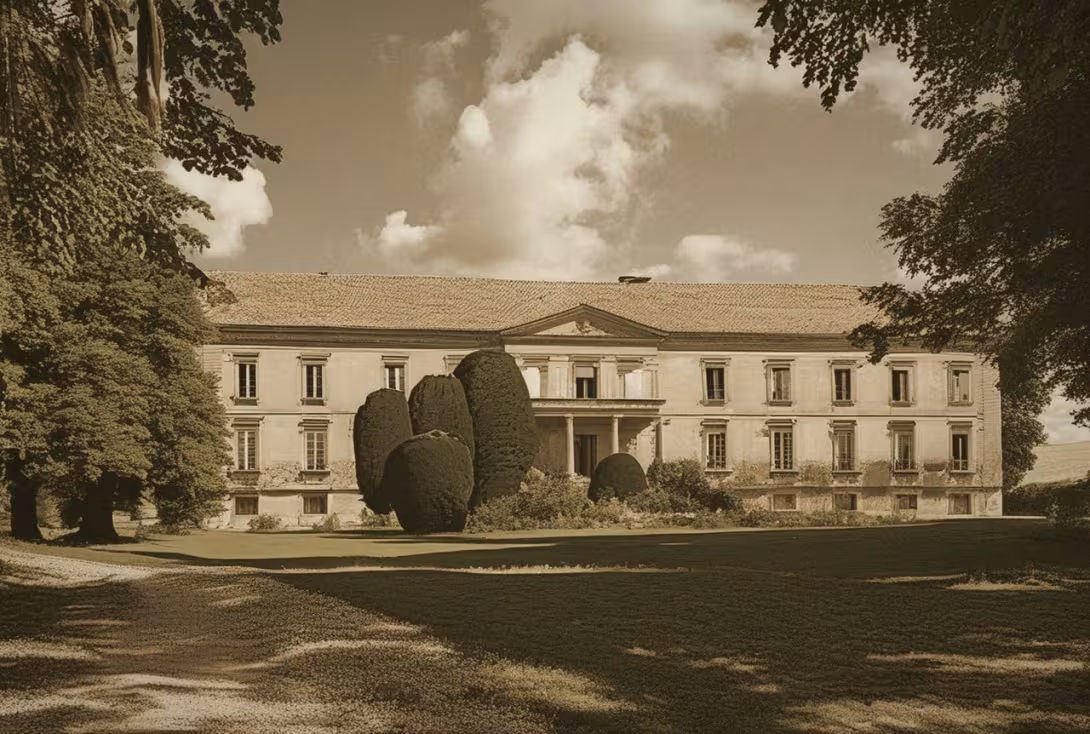
The historical appearance on the left is an AI-generated visualisation and serves as inspiration only.
Historical milestones
- 1669
- Construction began on the site of an older fortress by Michal Adolf z Althanu.
- 1804
- Chateau underwent transformation into its current classical style.
- 1921
- Notable Czech art historian Max Dvořák died at the chateau.
Architectural development
Originally a baroque structure, Hrušovany nad Jevišovkou Chateau was transformed into a classicist building in 1804. The architectural evolution reflects changes in style and function over time, with its current state being one of disrepair.
Historical events
1669: Construction began on the site of an older fortress by Michal Adolf z Althanu.
1804: Chateau underwent transformation into its current classical style.
1921: Notable Czech art historian Max Dvořák died at the chateau.
Owners
The Althann family originally built the chateau in the late 17th century. In the early 20th century, it was used by a state enterprise until 1961. The city of Hrušovany acquired it in 2000, but ownership reverted to them after a failed sale attempt.
Points of interest
- The chateau's transformation into a classicist structure in 1804 coincided with the Napoleonic Wars, reflecting how global events influenced local architecture and aesthetics. - Despite its current state of disrepair, Hrušovany nad Jevišovkou Chateau once served as a refuge during regional conflicts, showcasing its strategic importance beyond mere residence.
- The chateau's gardens were originally designed by renowned landscape architect Johann Friedrich Peyer, whose work is largely forgotten today but was influential in shaping the estate's aesthetic appeal.
- A local legend suggests that hidden tunnels beneath the chateau connect it to nearby structures, a tale that has intrigued historians and treasure hunters alike for decades.
- In 1921, just days before his death at Hrušovany nad Jevišovkou Chateau, Max Dvořák penned one of his last essays on Czech art history, making the chateau not only his final resting place but also a site of intellectual significance.
Guide
This guide is narrated by a synthetic voice generated by artificial intelligence.
Show guide text
This text was created by artificial intelligence and has not been editorially reviewed. It may contain inaccuracies.
Welcome to the historic site of Hrušovany nad Jevišovkou Chateau, a remarkable testament to architectural evolution and cultural heritage nestled in the picturesque landscape of Znojmo in the Jihomoravský kraj. As you stand before this majestic structure, take a moment to absorb its grandeur—a classicist edifice with deep roots stretching back to the late 17th century.
The story of Hrušovany nad Jevišovkou Chateau begins with Michal Adolf z Althanu, who initiated construction in 1669 on the site of an older fortress. Originally conceived as a Baroque chateau by the noble Althann family, it served not only as a residence but also as a symbol of power and prestige. Over time, this grand vision evolved dramatically; in 1804, the chateau underwent significant transformation to its current classical style—a change that coincided with the tumultuous Napoleonic Wars. This period marked a shift in aesthetics and architectural preferences, reflecting broader global influences on local styles.
As you explore further, pay attention to the architectural nuances of this classicist structure. Notice how the symmetry and proportions speak volumes about the era's design ethos. The chateau’s façade, though weathered by time, still exudes an air of elegance that invites admiration. Despite its current state of disrepair since being abandoned in 1986, these elements provide a glimpse into its storied past.
The chateau is not just a relic of architectural beauty; it holds tales of notable historical figures and events. One such figure is Max Dvořák, an esteemed Czech art historian who passed away here in 1921. His presence at the chateau underscores its significance as a cultural hub throughout history.
Now, let's delve into one fascinating aspect that might intrigue you—the chateau’s role during regional conflicts. Despite its current dilapidated state, Hrušovany nad Jevišovkou once served as a refuge in times of strife, offering sanctuary to those caught amidst the region's tumultuous history.
As we conclude this auditory journey, I invite you to continue exploring and imagining the vibrant life that once filled these halls. The chateau may stand silent today, but its stories resonate through time, inviting each visitor to uncover their own connection with its legacy. Thank you for joining us at Hrušovany nad Jevišovkou Chateau—may your visit inspire curiosity and wonder.
Tips for visitors
The best time to visit Hrušovany nad Jevišovkou Chateau is during the late spring or early autumn months, when the weather is mild and pleasant for exploring both the chateau grounds and the surrounding landscape park. During these times, you can enjoy the blooming gardens without the crowds that often accompany peak summer tourist seasons. Additionally, visiting in the shoulder seasons may offer a more serene experience as you explore the historical architecture and scenic views.
It’s recommended to check local transport websites for the most current schedules and routes to ensure a smooth journey.
When visiting Hrušovany nad Jevišovkou Chateau, consider bringing comfortable walking shoes as there are several areas within the park and chateau grounds to explore. A hat and sunscreen can be useful if you're planning to spend time outdoors in the landscape park. Additionally, carrying a camera or smartphone for capturing photos is advisable, especially since the chateau offers picturesque views against the backdrop of its historical architecture.
For photography enthusiasts, some of the best spots include the main façade of the chateau and any elevated areas within the landscape park that offer panoramic views of the surrounding countryside. Early morning light can provide a soft glow on the classicist structure, while late afternoon hours may cast dramatic shadows across the grounds. The nearby parish church also presents an excellent opportunity for capturing historical architecture in your photographs.
Nearby attractions within 30 minutes include the parish church of Hrušovany nad Jevišovkou, which complements the chateau as part of a significant historical ensemble. This area offers insight into local religious and cultural history. For families with children, exploring the landscape park can be both educational and entertaining, providing opportunities for leisurely walks or picnics amidst nature.
Frequently asked questions
Can the monument be visited?
Some buildings of this kind are open for guided tours, others serve another purpose or are privately owned. We have not verified whether and when this monument is open – please ask the operator. According to the heritage register the structure is in poor condition – do not enter it and take care nearby.
What are the opening hours and admission?
We have not verified the opening hours or admission. Current information is published by the operator.
Where is the monument?
Location: Lidická 1, Hrušovany nad Jevišovkou, Jihomoravský kraj. The map on this page shows the exact spot.
Why is the monument protected?
It is listed in the Central List of Cultural Monuments of the Czech Republic as a cultural monument (register no. 16550/7-6376).
Businesses nearby
Do you run a restaurant, accommodation, shop, museum, rental, wellness or other visitor service near this monument? Show yourself directly to the people heading to it — this is how they will see you in the app and on the web:
Nearby
Located on a hill in the northern part of Hrušovany nad Jevišovkou, the chateau is complemented by a landscape park and agricultural buildings. Nearby is the parish church, forming an important historical site ensemble.
Accommodation nearby
Themed route
Thematic Walking Tour: Hrušovany nad Jevišovkou
1. Zámek Hrušovany nad Jevišovkou (Chateau) Begin your journey at the heart of this historical ensemble, the Zámek Hrušovany nad Jevišovkou. Perched on a hill in the northern part of the village, the chateau offers stunning views and architectural beauty that reflect its rich history. Explore the interior to discover period furnishings and art collections that tell stories of its past inhabitants.
2. Landscape Park (Park) A short walk from the chateau leads you into the enchanting landscape park surrounding it. This beautifully maintained area provides a serene environment perfect for leisurely strolls, offering picturesque views and a tranquil setting to reflect on the history of this region. The park's design complements the chateau's architecture, creating a harmonious blend of nature and man-made beauty.
3. Parish Church (Church) Continuing your exploration, head towards the nearby parish church, an integral part of Hrušovany nad Jevišovka’s historical ensemble. This sacred site stands as a testament to the village's spiritual heritage and architectural evolution over centuries. Its serene atmosphere invites visitors to appreciate its religious art and architecture.
4. Agricultural Buildings (Historical Structures) Conclude your tour by visiting the agricultural buildings adjacent to the chateau. These structures provide insight into the historical lifestyle and economic activities that supported the estate. They offer a glimpse into rural life in past centuries, showcasing traditional construction techniques and uses.
This thematic walking tour offers an immersive experience of Hrušovany nad Jevišovka's cultural and natural treasures, allowing visitors to appreciate its rich history and beautiful landscapes.
Seasonal recommendations
Spring: The arrival of spring at Hrušovany nad Jevišovkou Chateau brings a rejuvenating atmosphere as nature awakens around the historic site. Visitors can enjoy the blossoming gardens and vibrant wildflowers that frame the chateau, creating picturesque views against the backdrop of its dilapidated walls. This season often sees fewer crowds compared to summer, allowing for a more intimate exploration of the grounds. It's advisable to wear layers, as temperatures can vary throughout the day; mornings might be cool while afternoons warm up. The best time to visit is in late morning or early afternoon when the sunlight enhances the beauty of the blooming flora.
Summer: Summer at Hrušovany nad Jevišovkou Chateau offers a lively and vibrant atmosphere, with long daylight hours ideal for exploring the expansive grounds. However, this season also attracts larger crowds, especially during peak tourist times in July and August. To avoid the midday heat, it's recommended to visit early in the morning or later in the afternoon. Comfortable walking shoes and light clothing are essential due to warm temperatures, and carrying water is advisable for hydration. Despite its poor condition, the chateau’s ruins provide a unique historical experience amidst the lush summer landscape.
Autumn: Autumn transforms Hrušovany nad Jevišovkou Chateau into a serene and colorful retreat as the foliage turns shades of gold, red, and orange. The cooler temperatures make it an ideal time for leisurely strolls through the chateau grounds without the discomfort of summer heat. Visitors should be prepared for unpredictable weather with rain showers possible, so packing a light waterproof jacket is wise. Early mornings or late afternoons are perfect times to visit as they offer softer lighting and fewer crowds, enhancing the tranquil ambiance of this historic site during the fall season.
Winter: Winter at Hrušovany nad Jevišovkou Chateau presents a stark yet striking landscape with snow-covered ruins that create an ethereal atmosphere. The cold weather often results in reduced visitor numbers, providing a peaceful and reflective experience amidst the quiet beauty of the chateau's remains. It is essential to dress warmly in layers, including thermal wear and waterproof outer garments, as temperatures can be quite low. Due to shorter daylight hours, planning your visit for midday ensures ample time to explore while taking advantage of the unique winter light that accentuates the historic architecture against the snowy backdrop.
Visualizations and artistic views


The visualisations are generated by artificial intelligence and serve as inspiration.
Photos from the area
Real photos taken near the monument


Zdroj a licence jsou uvedeny u každého snímku.
Tips from visitors
No tips yet. Be the first!
Log in and add your tip.
Sources and literature
Photos: Pudelek (Marcin Szala) / CC BY-SA 4.0, rozlišení zvýšeno umělou inteligencí — Wikimedia Commons. The author and licence also appear when you hover over the image.
Faktickým podkladem tohoto textu byl článek na Wikipedii, jehož autory jsou přispěvatelé Wikipedie. Článek je dostupný pod licencí CC BY-SA 4.0.
Location on the map
More monuments – Hrušovany nad Jevišovkou
Show all in the municipality
Příběhy a pověsti
Legendy, pověsti a příběhy spjaté s touto památkou
Fotografie návštěvníků
Zatím žádné fotografie. Buďte první, kdo přidá fotografii z návštěvy!
Log in a přidejte svou fotografii nebo hodnoťte.
Za ověřenou návštěvu v aplikaci získáte víc bodů — poznáme podle GPS, že jste na místě.
Reviews and comments