






Zámek Jindřichov Chateau
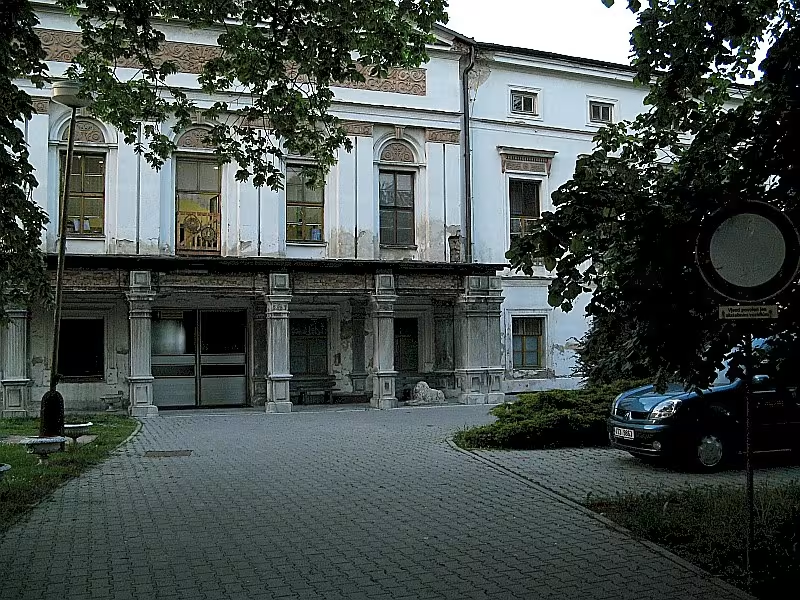
Zámek Jindřichov is a historical monument located in the heart of the village of Jindřichov, near the Osoblaha River, within the Moravskoslezský kraj region. This chateau stands as a testament to its rich history and architectural evolution from the mid-17th century to today. Originally constructed by the Hodic counts in the Renaissance style, it underwent significant transformations, most notably after a fire in 1844 when it was rebuilt into its current Empire style by Josef von Bartenstein with modifications led by architect Antonín Arche. Today, Zámek Jindřichov is managed by the local municipality and holds potential for future development as a multifunctional cultural center.
The origins of Zámek Jindřichov trace back to the mid-17th century when it was initially built by the Hodic counts. This period marked significant political and cultural developments within the Habsburg Monarchy, influencing architectural styles across Europe. The chateau's predecessor was a fortress or water chateau from the 13th century, indicating its long-standing strategic importance. In 1586, a chapel dedicated to Our Lady was constructed on the premises, consecrated by Bishop Stanislav II. Pavlovský in 1590, adding religious significance to the site.
Architecturally, Zámek Jindřichov began as a Renaissance-style manor house with features such as an enclosed disposition and two-story pilaster arcades. The transformation into its current Empire style occurred after a fire in 1844, under the ownership of Josef von Bartenstein. Architect Antonín Arche was responsible for significant changes to the façade and interiors during this period, including the addition of a ground-floor mezzanine. These modifications reflect the architectural trends of the time while preserving elements from its Renaissance origins.
Ownership of Zámek Jindřichov has seen several notable transitions. After the Hodic counts initiated its construction in the mid-17th century, Josef von Bartenstein took ownership and oversaw its reconstruction in 1844. From 1868, the Klein family became proprietors until the chateau was confiscated by the state in 1945 following World War II. In the post-war period, it served as accommodation for Korean children from 1951 to 1957, before housing a social care institute for mentally disabled youth until 2010.
Throughout its history, Zámek Jindřichov has witnessed several key events and curiosities. The construction of the chapel in 1586 and its consecration by Bishop Stanislav II. Pavlovský are significant religious milestones. Additionally, the park surrounding the chateau, covering nearly five hectares, is one of the most valuable in the Bruntál district. Established in the 17th century in French style and later modified to a landscape style in the early 19th century, it features rare sculptures such as those of a shepherd, St. Christopher, and St. Hubert.
Today, Zámek Jindřichov is accessible via Silnice II/457 and managed by the local municipality. The chateau's potential future development into a multifunctional cultural center highlights its ongoing relevance to the community. Visitors can explore not only the historical architecture but also the valuable park with its unique sculptures. Zámek Jindřichov offers a glimpse into the region's rich history, making it a worthwhile destination for those interested in architectural heritage and cultural evolution.
Zámek Jindřichov stands as a symbol of resilience and transformation through centuries. Its historical significance, combined with its potential future role in the community, invites visitors to explore and appreciate this remarkable monument. Whether drawn by its architectural beauty or intrigued by its storied past, Zámek Jindřichov promises an enriching experience for all who visit.
Then and now
Drag the slider to compare how the landmark may have looked when it was built with the view today.
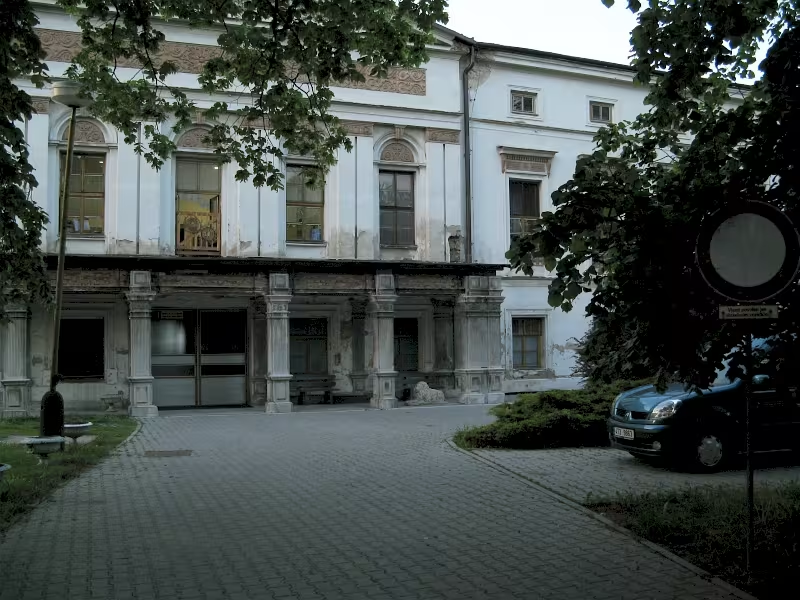
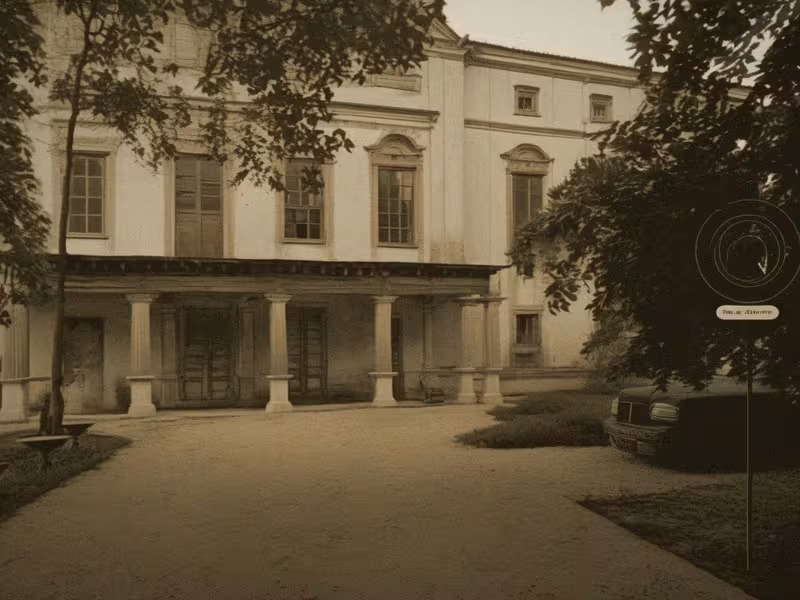
The historical appearance on the left is an AI-generated visualisation and serves as inspiration only.
Historical milestones
- 1586
- Construction of the chapel dedicated to Our Lady.
- 1590
- Consecration of the chapel by Bishop Stanislav II. Pavlovský.
- 1844
- Rebuilding of the chateau in Empire style after a fire.
Architectural development
Zámek Jindřichov began as a Renaissance-style manor house in the mid-17th century. It underwent significant transformation to its current Empire style following a fire in 1844, with architectural modifications led by Antonín Arche focusing on façade and interior changes.
Historical events
1586: Construction of the chapel dedicated to Our Lady, consecrated on December 11, 1590 by Bishop Stanislav II. Pavlovský.
1844: The chateau was rebuilt in Empire style after a fire, with architectural changes made by Antonín Arche.
Owners
The Hodic counts initiated construction in the mid-17th century; ownership passed to Josef von Bartenstein who rebuilt it in 1844; from 1868, the Klein family owned it until its confiscation by the state in 1945. Post-WWII, it served as accommodation for Korean children (1951-1957) and later housed a social care institute for mentally disabled youth until 2010.
Points of interest
- Zámek Jindřichov's origins date back to a 13th-century fortress or water chateau, highlighting its long-standing strategic importance in the region.
- The chapel dedicated to Our Lady was consecrated by Bishop Stanislav II. Pavlovský in 1590, adding a layer of religious significance to the site and connecting it to ecclesiastical history.
- After World War II, Zámek Jindřichov served as accommodation for Korean children from 1951 to 1957, reflecting its role in post-war humanitarian efforts and cultural exchange.
- The park surrounding Zámek Jindřichov is one of the most valuable in the Bruntál district, featuring rare sculptures like those of a shepherd, St. Christopher, and St. Hubert, showcasing unique artistic heritage.
- Josef von Bartenstein not only rebuilt the chateau after the 1844 fire but also influenced its transformation into the Empire style, marking a significant architectural evolution from its original Renaissance design.
Guide
This guide is narrated by a synthetic voice generated by artificial intelligence.
Show guide text
This text was created by artificial intelligence and has not been editorially reviewed. It may contain inaccuracies.
Welcome to the historic Zámek Jindřichov, a gem nestled in the heart of the village near the Osoblaha River. As you stand before this cultural monument, take a moment to soak in its grandeur and imagine the stories it holds within its walls.
The origins of Zámek Jindřichov trace back to a 13th-century fortress or water chateau, underscoring its longstanding strategic importance in the region. Over time, it evolved into the manor house you see today, originally constructed in the mid-17th century by the Hodic counts. This transformation reflects both the changing needs and the architectural ambitions of its builders.
As your eyes wander across the structure, notice the four-winged design that speaks to a thoughtful enclosed disposition, with two-story pilaster arcades adding elegance and symmetry. The current Empire style, which graces the chateau after a significant rebuilding in 1844 following a fire, was masterfully designed by Antonín Arche. This architectural evolution adds layers of history and grandeur to your experience.
A pivotal moment in Zámek Jindřichov's timeline occurred in 1586 with the construction of a chapel dedicated to Our Lady. By 1590, this sacred space gained further significance when it was consecrated by Bishop Stanislav II. Pavlovský, weaving a rich tapestry of religious and cultural heritage into the fabric of the chateau.
While exploring, let your curiosity lead you to uncover more about the lives that once moved through these halls and grounds. Though specific historical figures tied to this site remain unknown, each stone and corner holds echoes of past narratives waiting to be imagined.
One intriguing aspect of Zámek Jindřichov is its transformation from a medieval fortress into a manor house and finally into the Empire-style chateau you see today. This evolution reflects not just architectural trends but also shifts in societal structures and priorities over centuries.
As we draw this journey to a close, I invite you to continue exploring Zámek Jindřichov's grounds, perhaps pausing to reflect on its rich history or simply enjoying the serene surroundings. Thank you for allowing me to guide you through this remarkable piece of heritage. May your visit inspire both wonder and reflection.
Businesses nearby
Do you run a restaurant, accommodation, shop, museum, rental, wellness or other visitor service near this monument? Show yourself directly to the people heading to it — this is how they will see you in the app and on the web:
Nearby
Zámek Jindřichov is located near the Osoblaha River with an adjacent former brewery area. The surrounding landscape includes a valuable park established in the 17th century.
Accommodation nearby
Themed route
Thematic Walking Tour: Zámek Jindřichov and Surroundings
1. Zámek Jindřichov (Chateau) - Start your journey at the heart of this historic site, Zámek Jindřichov, a stunning example of Renaissance architecture nestled in the picturesque landscape near the Osoblaha River. The chateau's grandeur and rich history make it an essential visit for anyone interested in Moravian-Silesian heritage.
2. 17th Century Park - A short walk from the chateau, immerse yourself in the serene beauty of a valuable park established in the 17th century. This lush green space offers a tranquil escape with its well-maintained gardens and pathways that invite leisurely strolls, providing insight into historical landscape design.
3. Former Brewery Area - Continue your exploration to the adjacent former brewery area, which adds an intriguing layer of industrial history to the site. The transformation from a bustling brewery to part of the chateau's heritage offers a unique glimpse into the region's past economic activities and architectural evolution.
4. Osoblaha River Walk - Conclude your tour with a leisurely walk along the Osoblaha River, which flows gracefully near the chateau grounds. This scenic route provides an opportunity to reflect on the day’s discoveries while enjoying the natural beauty of the riverbanks and surrounding landscapes.
This thematic tour offers a comprehensive experience of Zámek Jindřichov and its immediate surroundings, highlighting both historical and natural attractions.
Seasonal recommendations
Spring: Visiting Zámek Jindřichov during spring offers a magical experience as the chateau grounds burst into life with blooming flowers and fresh greenery, creating an enchanting atmosphere of renewal. The soft morning light enhances the beauty of the landscape, making it ideal for photography enthusiasts. As nature awakens, visitors can enjoy peaceful strolls through the gardens without the summer crowds. It's advisable to wear layers as temperatures can vary; a light jacket is recommended in case of cooler mornings or evenings. Early visits are suggested to fully appreciate the tranquility before larger groups arrive.
Summer: Summer at Zámek Jindřichov is characterized by vibrant colors and long daylight hours, perfect for exploring both the chateau's history and its lush surroundings. The warm weather invites visitors to spend extended periods outdoors, enjoying picnics or leisurely walks through the scenic parkland. However, this season also brings larger crowds, so arriving early in the day can help avoid peak times. Comfortable walking shoes and light clothing are recommended due to the heat, along with sun protection such as hats and sunscreen.
Autumn: Autumn at Zámek Jindřichov is a feast for the senses, with rich hues of reds, oranges, and yellows painting the landscape. The cooler temperatures make it an ideal time for leisurely exploration without the summer's heat. As leaves gently fall around you, the chateau takes on a mystical quality under the soft autumn light. This season also offers fewer visitors, allowing for a more intimate experience. Layered clothing is essential to accommodate fluctuating temperatures, and carrying a warm jacket or sweater can be beneficial as days cool into evenings.
Winter: Winter transforms Zámek Jindřichov into a serene and picturesque retreat, with snow-covered grounds and frosty air adding an enchanting touch to the historic architecture. The chateau's atmosphere during this season is both quiet and majestic, offering unique photo opportunities of the landscape blanketed in white. However, winter also means shorter opening hours and potentially challenging weather conditions, so visitors should plan accordingly. Warm clothing, including coats, hats, gloves, and sturdy boots, is essential to enjoy a comfortable visit. Checking ahead for any seasonal closures or changes in operation times is advisable.
Visualizations and artistic views


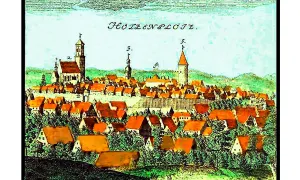
The visualisations are generated by artificial intelligence and serve as inspiration.
Photos from the area
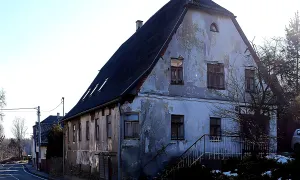
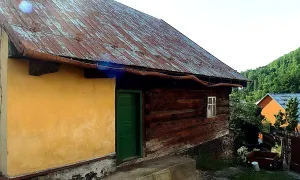
Real photos taken near the monument


Zdroj a licence jsou uvedeny u každého snímku.
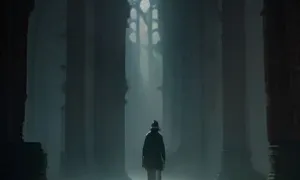
Atmosphere of the place
This atmospheric visualisation of the place and period was generated by artificial intelligence. It is not real footage of the location.
Tips from visitors
No tips yet. Be the first!
Log in and add your tip.
Sources and literature
Fotografie: Sovicka169 / CC BY-SA 3.0 — Wikimedia Commons. The author and licence also appear when you hover over the image.
Faktickým podkladem tohoto textu byl článek na Wikipedii, jehož autory jsou přispěvatelé Wikipedie. Článek je dostupný pod licencí CC BY-SA 4.0.
Location on the map

Příběhy a pověsti
Legendy, pověsti a příběhy spjaté s touto památkou
Fotografie návštěvníků
Zatím žádné fotografie. Buďte první, kdo přidá fotografii z návštěvy!
Přihlaste se a přidejte svou fotografii nebo hodnoťte.
Za ověřenou návštěvu v aplikaci získáte víc bodů — poznáme podle GPS, že jste na místě.
Reviews and comments