






Zámek Kelč Chateau
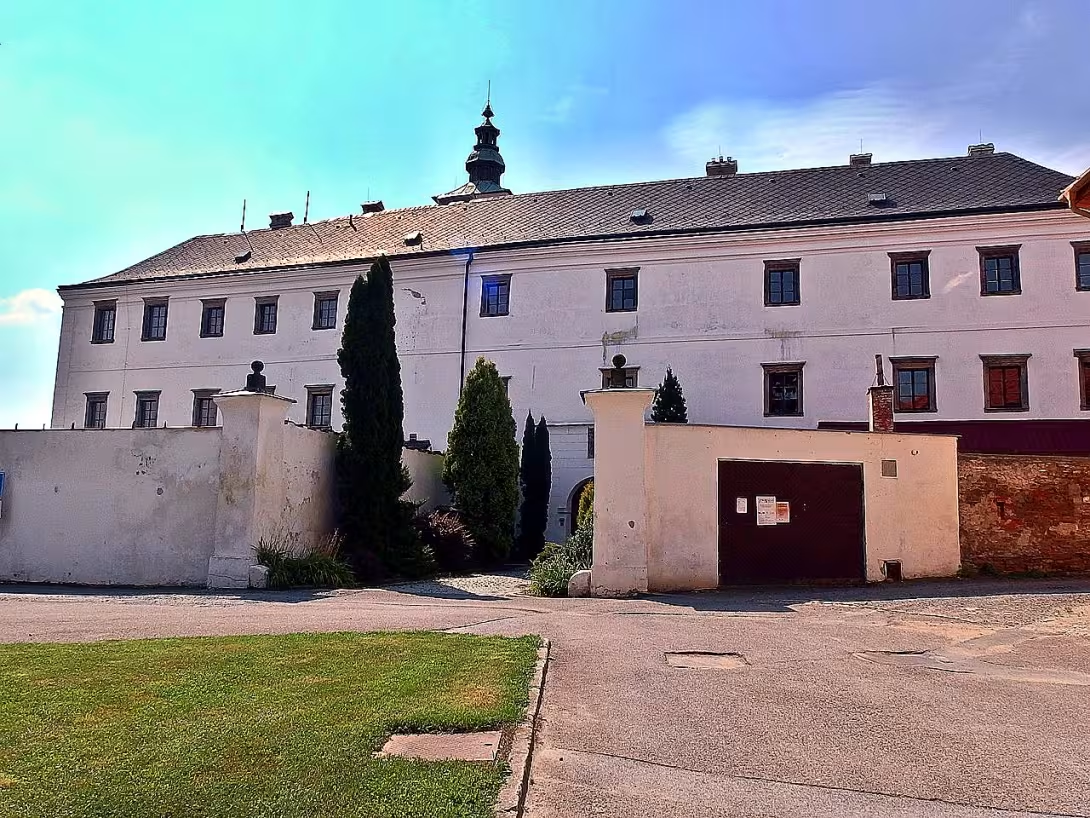
Kelč Castle is a cultural monument located in Kelč, Zlínský kraj, Czech Republic. Originally built as a Gothic fortress by the Heršic family in the mid-15th century, it was transformed into an extensive Renaissance castle during the late 16th century under Olomoucký bishop Stanislav Pavlovský z Pavlovic's patronage. The castle underwent significant Baroque renovations in the late 17th century, featuring a six-story tower and various architectural embellishments. Today, it serves as the site for an educational institution.
The origins of Kelč Castle trace back to its initial construction as a Gothic fortress by the Heršic family around the mid-15th century. This early structure served as the foundation for later transformations. In the late 16th century, under Stanislav Pavlovský z Pavlovic's influence, the fortress was transformed into a Renaissance castle. Architect Jakub Vlach and Kroměříž stone masons were brought in to oversee the project, marking an artistic flourishing in Bohemia influenced by broader European trends during the Renaissance.
Architecturally, Kelč Castle is characterized by its transition from a Gothic fortress to a Renaissance castle, later enhanced with Baroque elements. The late 16th-century renovations introduced Renaissance styles, while the late 17th-century Baroque modifications included reconstructing the tower and adding new vaults, stucco decorations, tiled stoves, windows, and doors. The castle features a six-story tower with an attached staircase, robust sandstone buttresses, and decorative façades that enhance its historical significance.
Ownership of Kelč Castle has seen several notable figures throughout history. Initially held by the Heršic family, it later came under Stanislav Pavlovský z Pavlovic's influence in the late 16th century. His successor, František z Ditrichštejna, continued architectural developments during his tenure as bishop from 1598 to 1636. The castle experienced significant damage during the Thirty Years' War, particularly by Swedish troops in March 1647. In the late 17th century, Karel II. z Lichtenštejna-Kastelkornu oversaw Baroque renovations between 1666 and 1668. Today, Zlínský kraj owns the castle, which now houses an educational institution.
Key events in Kelč Castle's history include its transformation into a Renaissance castle in the late 16th century and subsequent Baroque renovations between 1666 and 1668. Despite these enhancements, the castle was not intended as a permanent residence for bishops but rather served administrative purposes. The Thirty Years' War inflicted considerable damage on the structure, highlighting its resilience through turbulent times.
Today, Kelč Castle is accessible to visitors interested in exploring its rich history and architectural beauty. As a cultural monument, it offers insights into historical transitions from Gothic to Renaissance and Baroque styles. Its current role as an educational institution adds another layer of significance, making it valuable for both historical enthusiasts and students alike.
Kelč Castle stands as a testament to the dynamic history and architectural evolution of the region. Visitors are invited to explore this remarkable monument, where layers of history converge in its walls, offering a unique glimpse into the past while serving contemporary educational purposes.
Then and now
Drag the slider to compare how the landmark may have looked when it was built with the view today.
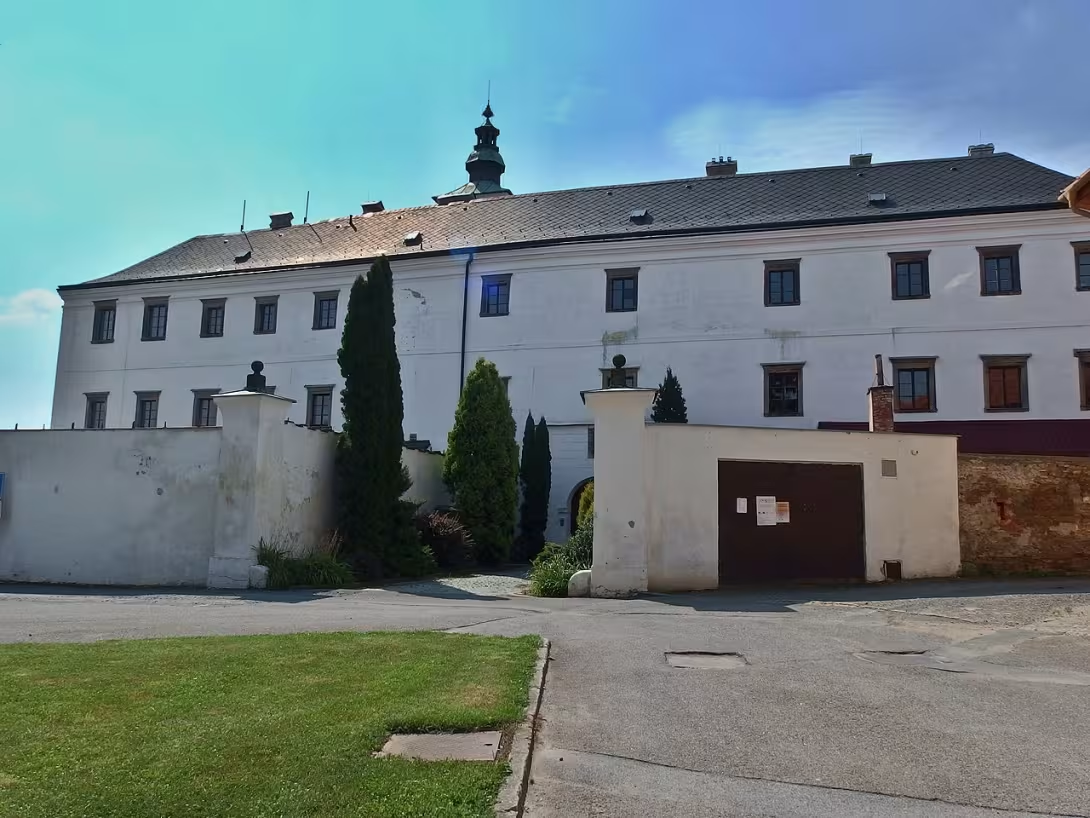
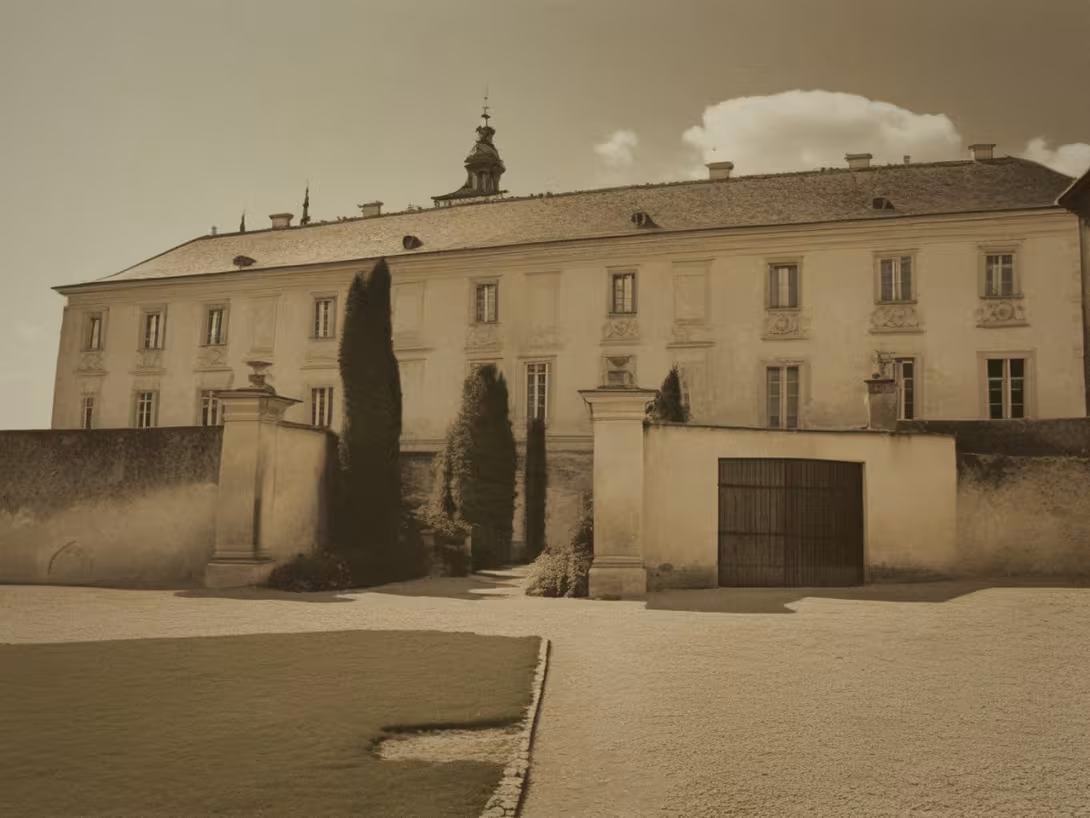
The historical appearance on the left is an AI-generated visualisation and serves as inspiration only.
Historical milestones
- 1450
- Founding of Kelč Castle as a Gothic fortress by the Heršic family.
- 1580-1590
- Transformation into a Renaissance castle under the influence of Bishop Stanislav Pavlovský z Pavlovic.
- 1598-1636
- Architectural development during the tenure of František z Ditrichštejna, successor to Pavlovský.
- 1647
- Damage to the castle by Swedish troops during the Thirty Years' War.
- 1666-1668
- Baroque reconstruction led by Karl II. z Lichtenštejna-Kastelkornu.
Architectural development
The original Gothic fortress was transformed into a Renaissance castle in the late 16th century. Baroque renovations were carried out between 1666 and 1668, which included reconstructing the tower, adding new vaults, stucco decorations, tiled stoves, windows, and doors. The castle's architecture features a six-story tower with an attached staircase, robust sandstone buttresses, and decorative façades.
Historical events
Transformation into a Renaissance castle in the late 16th century.
Baroque renovations between 1666 and 1668.
Damage during the Thirty Years' War, particularly by Swedish troops in March 1647.
Owners
Páni z Heršic (15th century)
Stanislav Pavlovský z Pavlovic (1579–1598)
František z Ditrichštejna (1598–1636)
Karel II. z Lichtenštejna-Kastelkornu (1664–1695)
Zlínský kraj (current owner)
Points of interest
- Despite its transformation into a Renaissance castle and later Baroque renovations, Kelč Castle was never intended as a permanent residence for bishops; it served primarily administrative purposes. - The castle's resilience is highlighted by the fact that, despite being significantly damaged during the Thirty Years' War by Swedish troops in March 1647, it continued to be restored and maintained over the centuries. - Architect Jakub Vlach played a crucial role in the Renaissance transformation of Kelč Castle, reflecting broader European artistic trends influencing Bohemia during that period. - The six-story tower of Kelč Castle is particularly notable for its architectural features, including an attached staircase, robust sandstone buttresses, and decorative façades, which enhance its historical significance. - Today's role of Kelč Castle as a site for an educational institution adds a modern layer to its historical legacy, making it not only a cultural monument but also a center for learning.
Guide
This guide is narrated by a synthetic voice generated by artificial intelligence.
Show guide text
This text was created by artificial intelligence and has not been editorially reviewed. It may contain inaccuracies.
Welcome to the historic Zámek Kelč, a remarkable cultural monument nestled in the quaint town of Kelč in the Zlínský kraj region of the Czech Republic. As you stand here, surrounded by the serene landscape, take a moment to absorb the grandeur and historical depth this site embodies. The castle's imposing structure rises before you, its walls whispering tales from centuries past.
The origins of Kelč Castle trace back to the mid-15th century when it was initially constructed as a Gothic fortress. This formidable structure was commissioned by the Heršic family, who sought both protection and prestige in this strategically advantageous location. Over time, however, the castle would undergo significant transformations, most notably during the late 16th century under the guidance of Olomoucký biskup Stanislav Pavlovský z Pavlovic. It was during his tenure that the fortress evolved into an expansive Renaissance castle, reflecting the architectural trends and cultural aspirations of the period.
As you wander around this historic site, take note of its architectural journey. While specific details from your immediate view are not documented here, imagine the layers of history embedded in every stone. The castle's evolution continued with substantial Baroque renovations between 1666 and 1668 under the direction of Karl II. z Lichtenštejna-Kastelkornu. These changes added a new dimension to its aesthetic appeal, blending earlier styles into a cohesive whole that stands before you today.
Kelč Castle has been shaped by several key historical figures whose stories are interwoven with this site. Stanislav Pavlovský z Pavlovic's vision transformed the initial fortress into a Renaissance masterpiece, while František z Ditrichštejna played a pivotal role in its architectural development from 1598 to 1636. Despite these enhancements, it is fascinating to note that Kelč Castle was never intended as a permanent residence for bishops; rather, it served primarily administrative purposes.
The castle's resilience is another aspect of its storied past. During the Thirty Years' War, it suffered significant damage at the hands of Swedish forces in 1647. Yet, despite these challenges, the structure endured and continued to evolve, showcasing the tenacity and resourcefulness of those who rebuilt and restored it through the centuries.
As you conclude your visit here, reflect on the rich tapestry of history that Kelč Castle represents. Its walls not only tell a story of architectural transformation but also echo the lives and decisions of those who shaped its destiny. We invite you to continue exploring this fascinating site and discover more about its enduring legacy. Thank you for joining us on this journey through time, and we hope your visit has been as enlightening as it is inspiring.
Tips for visitors
The best time to visit Zámek Kelč is during the late spring or early autumn months, from May to September. During this period, the weather is typically mild, making it ideal for exploring both the castle and its surrounding landscapes. The natural beauty of the area, with its rolling hills and lush forests, is particularly stunning in these seasons, offering a picturesque backdrop for your visit.
It's advisable to check current transportation options and schedules in advance to ensure a smooth journey.
When visiting Zámek Kelč, it’s recommended to bring comfortable walking shoes as there are several areas of the castle grounds to explore. A camera is also essential for capturing the stunning architecture and scenic views. Additionally, consider bringing a light jacket or sweater, as temperatures can vary throughout the day, especially in the evenings.
For photography enthusiasts, some of the best spots at Zámek Kelč include the main courtyard and the surrounding gardens, where natural light enhances the castle's Gothic features. Early morning or late afternoon is ideal for capturing soft lighting conditions. Nearby, within a 30-minute drive, you can explore Valašské Meziříčí, known for its charming streets and cultural heritage.
Zámek Kelč is family-friendly with areas that appeal to children, such as the open spaces around the castle where they can play. The historical exhibits inside are engaging and educational, providing a glimpse into the region's past. For families, planning your visit during weekdays may offer a quieter experience.
Frequently asked questions
Can the monument be visited?
Some buildings of this kind are open for guided tours, others serve another purpose or are privately owned. We have not verified whether and when this monument is open – please ask the operator.
What are the opening hours and admission?
We have not verified the opening hours or admission. Current information is published by the operator.
Where is the monument?
Location: č.p. 1, Kelč, Zlínský kraj. The map on this page shows the exact spot.
Why is the monument protected?
It is listed in the Central List of Cultural Monuments of the Czech Republic as a cultural monument (register no. 14169/8-260).
Businesses nearby
Do you run a restaurant, accommodation, shop, museum, rental, wellness or other visitor service near this monument? Show yourself directly to the people heading to it — this is how they will see you in the app and on the web:
Nearby
Zámek Kelč is located near Valašské Meziříčí and surrounded by picturesque landscapes. The area features natural beauty with rolling hills and forests typical of the Zlín region.
Accommodation nearby
Themed route
Tematická výletní trasa kolem Zámku Kelč
1. Zámek Kelč
Typ: Historický zámek
Proč stojí za návštěvu: Zámek Kelč je architektonickou perli s bohatou historií, která sahá až do 14. století. Jeho krásně zachované fasády a interiéry nabízejí návštěvníkům pohled na životní styl šlechty v minulosti. Je to ideální místo pro ty, kteří mají zájem o historii a architekturu.
2. Přírodní park kolem Zámku Kelč
Typ: Přírodní oblast
Proč stojí za návštěvu: Okolní přírodní park nabízí krásné krajiny s pahorkatými terény a hustými lesy, které jsou typické pro Zlínský kraj. Je to perfektní místo pro relaxaci na přírodě, piknik nebo prozkoumání místních druhů rostlin a zvířat.
3. Nádvoří Zámku Kelč
Typ: Historické nádvoří
Proč stojí za návštěvu: Nádvoří zámku je ideálním místem pro pochopení rozsahu a významu tohoto historického komplexu. Je to místo, kde lze si užít klidné chvilky nebo se podívat na různé akce a výstavy, které zde mohou být organizovány.
4. Věž Zámku Kelč
Typ: Historická věž
Proč stojí za návštěvu: Věž nabízí jedinečný pohled na okolní krajinu a je ideálním místem pro fotografii. Je to také fascinující místo pro ty, kteří mají zájem o historickou architekturu a obranné prvky starých zámů.
5. Park Zámku Kelč
Typ: Parková oblast
Proč stojí za návštěvu: Park kolem zámku je místo pro klidné procházky a relaxaci v přírodě. Jeho pečlivě udržované cesty a kvetoucí sady poskytují ideální prostředí pro odpočinek po prozkoumání zámku.
Tato trasa nabízí kombinaci historických i přírodních atrakcí, což ji činí perfektní volbou pro celodenní výlet.
Seasonal recommendations
Jaro: A visit to Kelč Castle in the spring offers stunning views of blooming gardens and revitalizing nature that immediately captivates the heart. Sun rays penetrate through the green parks, creating an ideal environment for outdoor relaxation and enjoying the fresh spring air. During this period, you may encounter light rain showers, so it's advisable to bring along umbrellas or changeable clothing. Visitors should take advantage of quieter weather and visit the castle earlier in the day to avoid early morning crowds.
Summer: Summer brings long sunny days and ideal temperatures for visiting Kelč Castle. The atmosphere is full of life, with gardens in full bloom and parks offering refuge from the summer sun. During peak summer season, the castle may be visited by large numbers of tourists, so it's advisable to come early in the morning or later in the afternoon when crowds have thinned out. Don't forget sun protection and plenty of hydration, especially during the summer months.
Autumn: Autumn offers Kelč Castle in a unique light with a colorful palette of deciduous trees and a more tranquil atmosphere. Nature prepares for winter, creating a cozy and intimate environment for visiting. This time of year is ideal for those seeking mild weather without the extremes of summer sun or winter chills. Visitors should bring warmer clothing and take advantage of opportunities for comfortable strolls through the park when the atmosphere is calm and winter is inevitably approaching.
Winter: A winter visit to Kelč Castle offers a completely different view of the historic monument, with the park covered in snow and a quiet atmosphere. Tourists should be equipped with warm clothing and appropriate footwear for cold conditions, especially if planning a walk through the snow-covered park. Visitors should check current opening times and be prepared for possible closures of some parts of the castle due to weather.
Visualizations and artistic views


The visualisations are generated by artificial intelligence and serve as inspiration.
Photos from the area
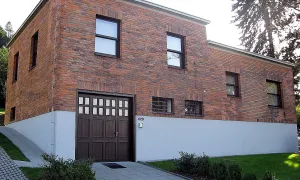
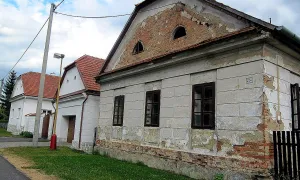
Real photos taken near the monument


Zdroj a licence jsou uvedeny u každého snímku.
Tips from visitors
No tips yet. Be the first!
Log in and add your tip.
Sources and literature
Photos: Palickap / CC BY-SA 3.0 — Wikimedia Commons. The author and licence also appear when you hover over the image.
Faktickým podkladem tohoto textu byl článek na Wikipedii, jehož autory jsou přispěvatelé Wikipedie. Článek je dostupný pod licencí CC BY-SA 4.0.
Location on the map
Příběhy a pověsti
Legendy, pověsti a příběhy spjaté s touto památkou

Fotografie návštěvníků
Zatím žádné fotografie. Buďte první, kdo přidá fotografii z návštěvy!
Log in a přidejte svou fotografii nebo hodnoťte.
Za ověřenou návštěvu v aplikaci získáte víc bodů — poznáme podle GPS, že jste na místě.
Reviews and comments