






Zámek Kňovice Chateau
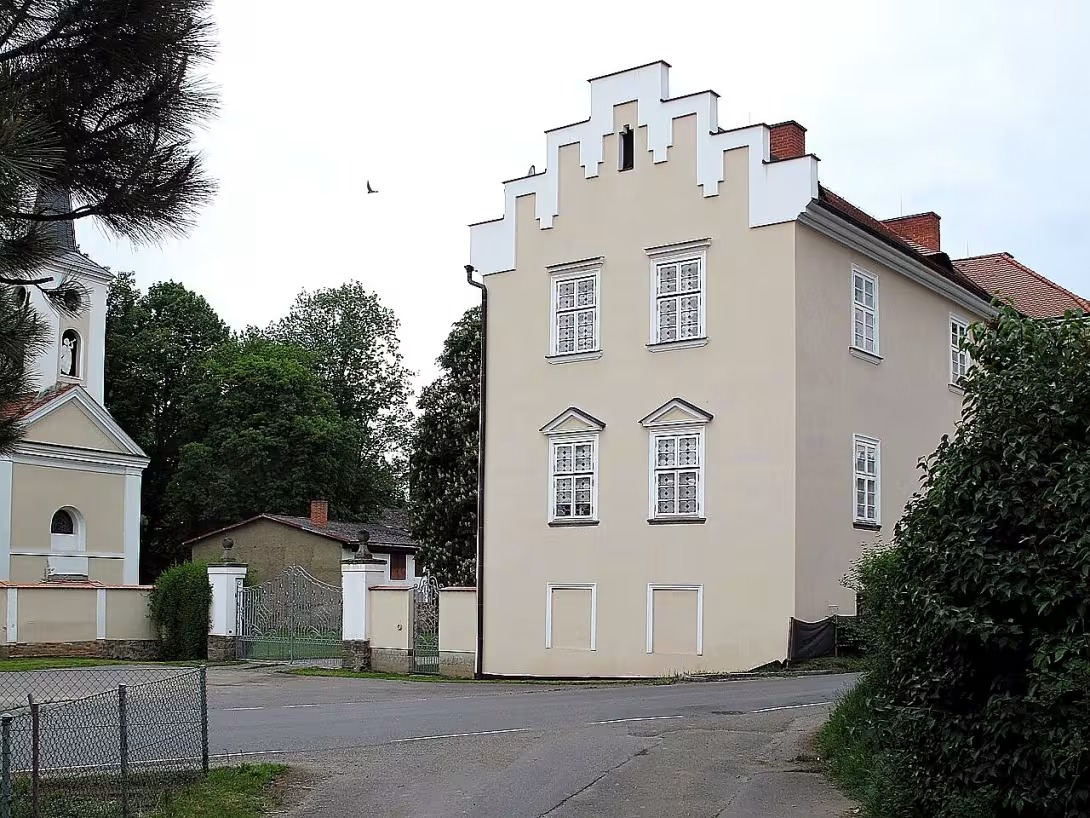
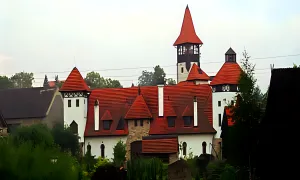
Zámek Kňovice is a cultural monument located in Kňovice, Středočeský kraj. It features a baroque chapel dedicated to Saint Joseph, surrounded by a park and agricultural buildings. Originally built on the site of an old fortress in the early 17th century, it has undergone significant transformations reflecting architectural evolution and historical ownership changes.
The origins trace back to the early 17th century when Adam Felix Vojkovský constructed the first stone house on the former fortress site. This period followed the Battle of White Mountain in 1620, leading to re-Catholicization efforts under Habsburg rule. In 1628, Pavel Michna z Vacínova acquired Kňovice and initiated these processes as part of broader policies aimed at consolidating power and suppressing Protestantism.
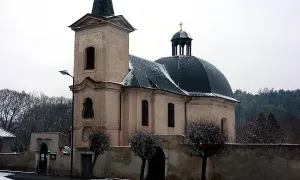
Architecturally, Zámek Kňovice evolved through various phases. Initially a fortress, it was transformed into its baroque form by Anna Marie Viktorie Malovcová between 1729 and 1731. This transformation included the construction of the chapel dedicated to Saint Joseph, characterized by an octagonal plan and a spire-topped tower with a jehlancová helmicí. Later modifications in the late 19th century introduced neo-Gothic elements under Antonín Wang's ownership.
Ownership changed hands several times throughout its history, reflecting broader socio-political changes. After Pavel Michna z Vacínova, Mikuláš Franchimont z Frankenfeldu acquired the estate in 1665. The baroque transformation was initiated by Anna Marie Viktorie Malovcová, who also commissioned the chapel's construction. In 1819, Antonín Wang purchased the estate and later introduced neo-Gothic renovations. By 1895, Emerich Maixner, a prominent Czech internist, became the owner, maintaining possession until 1948 when his family lost the property following political changes in post-war Czechoslovakia.
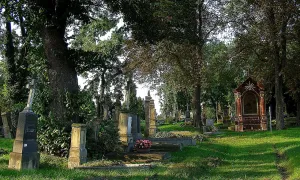
Key events include its architectural evolution and the establishment of a formal garden in the early 18th century. This garden, designed with a central axis ending in a cihlový altán, later became overgrown as it was enveloped by natural vegetation. The chapel's construction between 1729 and 1731 stands out as a significant artistic achievement during Anna Marie Viktorie Malovcová's tenure.
Today, Zámek Kňovice is privately owned and not accessible to the public. Despite this, its historical significance and architectural beauty make it an intriguing site for those interested in Czech cultural heritage. The estate's rich history, marked by notable transformations and ownership changes, underscores its value as a testament to the region's past.
Visitors near Dobříš and Sedlčany will find Zámek Kňovice a compelling destination for exploring the layers of history embedded in its architecture and landscape. Although access is restricted, its presence continues to captivate those who appreciate historical monuments and their stories.
Then and now
Drag the slider to compare how the landmark may have looked when it was built with the view today.
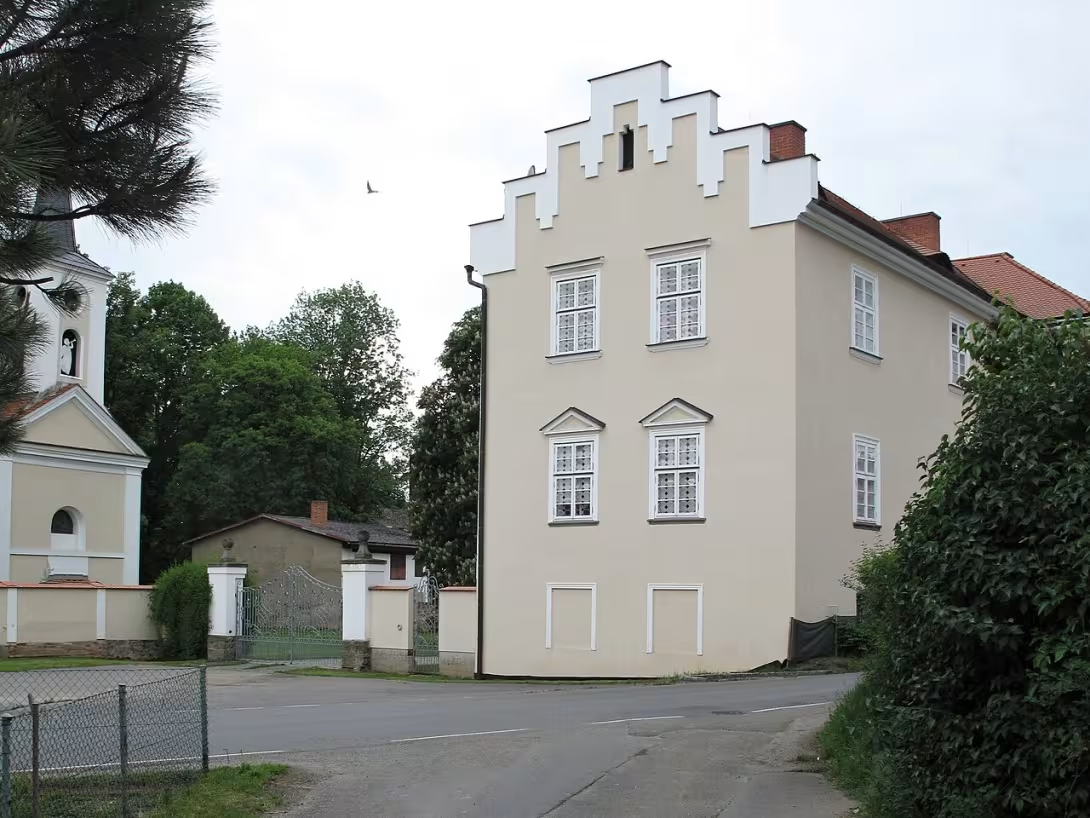

The historical appearance on the left is an AI-generated visualisation and serves as inspiration only.
Historical milestones
- 1620
- Battle of White Mountain leads to re-Catholicization under Habsburg rule.
- 1628
- Pavel Michna z Vacínova acquires Kňovice, initiating Catholic consolidation.
- 1665
- Mikuláš Franchimont z Frankenfeldu becomes the new owner of the estate.
- 1729
- Anna Marie Viktorie Malovcová begins baroque transformation, including chapel construction.
- 1819
- Antonín Wang purchases the estate and later adds neo-Gothic elements.
- 1895
- Emerich Maixner becomes owner, maintaining possession until 1948.
Architectural development
Zámek Kňovice began as a fortress in the early 17th century, evolving through various architectural phases. It was transformed into a baroque style by Anna Marie Viktorie Malovcová in the early 18th century, including the construction of a chapel dedicated to Saint Joseph. Later, in the late 19th century, it underwent further modifications in the neo-Gothic style under Antonín Wang.
Historical events
Adam Felix Vojkovský built the first stone house in the early 17th century.
Pavel Michna z Vacínova acquired Kňovice in 1628 and initiated its re-Catholicization.
The estate was transformed into a baroque style by Anna Marie Viktorie Malovcová between 1729-1731.
Owners
Adam Felix Vojkovský (early 17th century)
Pavel Michna z Vacínova (1628)
Mikuláš Franchimont z Frankenfeldu (1665)
Anna Marie Viktorie Malovcová z Chýnova a Winterbergu (1709-1731)
Antonín Wang (1819)
Emerich Maixner (1895-1948)
Points of interest
- Zámek Kňovice's baroque chapel dedicated to Saint Joseph is notable for its octagonal plan and a distinctive spire-topped tower with a jehlancová helmicí, reflecting the unique architectural style of the early 18th century.
- The estate underwent significant transformations under Anna Marie Viktorie Malovcová between 1729 and 1731, marking one of the few instances where a female owner played such an influential role in shaping the architecture of a Czech chateau during that era.
- Originally built on the site of an old fortress following the Battle of White Mountain in 1620, Zámek Kňovice's history is intertwined with Habsburg efforts to re-Catholicize Bohemia and consolidate power by suppressing Protestantism.
- The formal garden designed with a central axis ending in a cihlový altán was an early 18th-century addition that has since become overgrown, symbolizing the passage of time and nature's reclaiming of human-made structures.
- Emerich Maixner, a prominent Czech internist who owned Zámek Kňovice until 1948, represents one of the few instances where medical professionals have played significant roles in preserving historical estates during turbulent political times.
Guide
This guide is narrated by a synthetic voice generated by artificial intelligence.
Show guide text
This text was created by artificial intelligence and has not been editorially reviewed. It may contain inaccuracies.
Welcome to the historic Zámek Kňovice, a cultural treasure nestled in the charming town of Kňovice within Středočeský kraj. As you stand before this majestic estate, imagine yourself stepping back into time, surrounded by an aura of history and architectural elegance.
The story of Zámek Kňovice begins in the early 17th century when it was built on the site of an old fortress. This period followed the pivotal Battle of White Mountain in 1620, which led to a re-Catholicization under Habsburg rule—a significant historical context that shaped the region's cultural landscape. By 1628, Pavel Michna z Vacínova acquired Kňovice and initiated Catholic consolidation efforts, marking the beginning of its transformation into an influential estate.
As you take in your surroundings, notice the harmonious blend of history and nature that defines this site. The baroque chapel dedicated to Saint Joseph stands out with its octagonal plan and distinctive spire-topped tower featuring a jehlancová helmicí—a unique architectural detail from the early 18th century. This chapel is a testament to Anna Marie Viktorie Malovcová's vision in 1729, when she began transforming the estate into its baroque form.
Now, let’s delve deeper into the stories and personalities that have left their mark here. After Mikuláš Franchimont z Frankenfeldu became the owner in 1665, the estate continued to evolve with each new steward. In 1819, Antonín Wang purchased the property, later adding neo-Gothic elements that enriched its architectural tapestry.
One of the most fascinating aspects of Zámek Kňovice is how it reflects the shifts in ownership and style over time. Emerich Maixner became the owner in 1895, maintaining possession until 1948, during which he contributed to preserving its historical legacy. Each era left a layer of history that can be felt as you explore.
As we conclude our journey through Zámek Kňovice, I invite you to continue exploring this remarkable site. Wander through the surrounding park and agricultural buildings, each echoing stories from centuries past. Let your imagination wander with every step, contemplating the lives and legacies of those who walked these grounds before us. Thank you for joining me on this journey through time at Zámek Kňovice. May it inspire a deeper appreciation for history in all its forms.
Tips for visitors
The best time to visit Zámek Kňovice is during the late spring or early autumn months, when the weather is mild and pleasant for exploring both the chateau grounds and its historic park. During these seasons, you can enjoy the blooming gardens and lush greenery without the crowds that typically accompany peak summer tourist season. Additionally, visiting in the morning offers softer light for photography and a quieter atmosphere to appreciate the serene surroundings.
For those preferring public transport, there are options available that connect nearby towns such as Dobříš and Sedlčany; however, specific routes should be verified in advance using a transportation search tool. Bicycles may also be an enjoyable way to reach the chateau if you're staying close by.
When visiting Zámek Kňovice, it's recommended to bring comfortable walking shoes as there are several areas to explore on foot, including the historic park and surrounding agricultural land. A camera is advisable for capturing the picturesque landscapes and architectural details of the baroque chapel dedicated to Saint Joseph. Don't forget a hat or sunscreen if visiting during warmer months, along with water to stay hydrated throughout your visit.
For photography enthusiasts, early morning or late afternoon provides the best natural lighting for capturing Zámek Kňovice's stunning architecture and park landscapes. The baroque chapel dedicated to Saint Joseph offers an intriguing subject against the backdrop of the historic park, while the stone walls enclosing the park create dramatic silhouettes at sunset. Exploring different angles around the two baroque gates can also yield unique perspectives.
Nearby attractions within a 30-minute drive include the charming towns of Dobříš and Sedlčany, each offering their own historical sites and cultural experiences. For families with children, these areas provide opportunities to explore local history in an engaging way, along with outdoor activities that can complement your visit to Zámek Kňovice. The proximity of agricultural land around the chateau also offers a chance for educational walks or picnics in nature.
Frequently asked questions
Can the monument be visited?
Some buildings of this kind are open for guided tours, others serve another purpose or are privately owned. We have not verified whether and when this monument is open – please ask the operator.
What are the opening hours and admission?
We have not verified the opening hours or admission. Current information is published by the operator.
Where is the monument?
Location: Kňovice, Středočeský kraj. The map on this page shows the exact spot.
Why is the monument protected?
It is listed in the Central List of Cultural Monuments of the Czech Republic as a cultural monument (register no. 14004/2-2446).
Businesses nearby
Do you run a restaurant, accommodation, shop, museum, rental, wellness or other visitor service near this monument? Show yourself directly to the people heading to it — this is how they will see you in the app and on the web:
Nearby
Zámek Kňovice is located near Dobříš and Sedlčany, surrounded by agricultural land and features a historic park enclosed by stone walls with two baroque gates.
Accommodation nearby
Themed route
Thematic Tour Plan: Zámek Kňovice and Surroundings
1. Zámek Kňovice (Chateau) - Begin your journey at the heart of this historic site, Zámek Kňovice, a stunning example of architectural elegance nestled in the Středočeský kraj region. The chateau is renowned for its well-preserved baroque architecture and offers visitors an immersive experience into Czech history through its beautifully maintained interiors and expansive grounds.
2. Historic Park (Park) - A short walk from the main entrance of the chateau, explore the historic park that surrounds Zámek Kňovice. This serene green space is enclosed by stone walls with two baroque gates, offering a picturesque setting for leisurely strolls. The park's design reflects the landscape aesthetics of its time and provides an ideal backdrop for relaxation or photography.
3. Baroque Gates (Gates) - As you wander through the historic park, make sure to visit the two baroque gates that mark the entrance to this enchanting area. These architectural features are not only functional but also serve as symbols of the chateau's grandeur and historical significance. Their intricate designs offer a glimpse into the artistry of past eras.
4. Agricultural Landscapes (Landscapes) - Beyond the park, take in the surrounding agricultural landscapes that characterize the region near Dobříš and Sedlčany. These fields provide a stark yet harmonious contrast to the historic architecture, showcasing the blend of natural beauty and human cultivation typical of this part of Czechia.
This thematic tour offers a comprehensive exploration of Zámek Kňovice and its immediate surroundings, highlighting both architectural marvels and natural charm in a cohesive experience.
Seasonal recommendations
Spring: Visiting Zámek Kňovice during spring offers a unique experience as nature awakens with vibrant colors and fresh blooms. The chateau grounds are adorned with blossoming trees and flowers, creating an enchanting atmosphere perfect for leisurely strolls. This season often sees fewer visitors compared to summer, allowing for a more serene exploration of the historic site. To fully enjoy your visit, consider wearing comfortable walking shoes and layers that can be adjusted as temperatures fluctuate throughout the day. Early mornings are ideal for photography enthusiasts looking to capture the soft morning light illuminating the chateau's architecture.
Summer: Summer is the peak season at Zámek Kňovice, characterized by lush greenery and warm weather perfect for outdoor activities. The chateau grounds come alive with events that celebrate local culture and history, attracting larger crowds. To avoid long waits, it’s advisable to arrive early in the day when temperatures are cooler and before the influx of visitors. Light, breathable clothing is recommended, along with sun protection such as hats and sunscreen. Don’t forget to stay hydrated, especially if you plan on spending several hours exploring both inside and outside the chateau.
Autumn: Autumn at Zámek Kňovice transforms the landscape into a picturesque array of reds, oranges, and yellows, making it an ideal time for photography and enjoying nature's beauty. The cooler temperatures create a cozy atmosphere as visitors explore the historic interiors and scenic grounds. This season typically sees fewer tourists than summer, providing a more relaxed experience. Dress in layers to accommodate fluctuating temperatures throughout the day, and consider bringing a light jacket or sweater for evening visits when it can get quite chilly.
Winter: Winter brings a quiet charm to Zámek Kňovice, with snow-covered grounds offering a magical backdrop to the chateau's historic architecture. The shorter daylight hours mean that visiting in the morning is best to make the most of your time at the site. Due to colder weather and potential closures or limited access during severe conditions, it’s important to check ahead for any changes in opening times. Dress warmly with layers, including a waterproof outer layer, and wear sturdy boots suitable for walking on potentially icy paths. This season provides a unique opportunity to experience the chateau's tranquility amidst winter landscapes.
Visualizations and artistic views


The visualisations are generated by artificial intelligence and serve as inspiration.
Photos from the area
Real photos taken near the monument


Zdroj a licence jsou uvedeny u každého snímku.
Tips from visitors
No tips yet. Be the first!
Log in and add your tip.
Sources and literature
Photos: Juandev / CC BY-SA 4.0 — Wikimedia Commons. The author and licence also appear when you hover over the image.
Faktickým podkladem tohoto textu byl článek na Wikipedii, jehož autory jsou přispěvatelé Wikipedie. Článek je dostupný pod licencí CC BY-SA 4.0.
Location on the map
Příběhy a pověsti
Legendy, pověsti a příběhy spjaté s touto památkou
Fotografie návštěvníků
Zatím žádné fotografie. Buďte první, kdo přidá fotografii z návštěvy!
Log in a přidejte svou fotografii nebo hodnoťte.
Za ověřenou návštěvu v aplikaci získáte víc bodů — poznáme podle GPS, že jste na místě.
Reviews and comments