






zámek Králův Dvůr Chateau
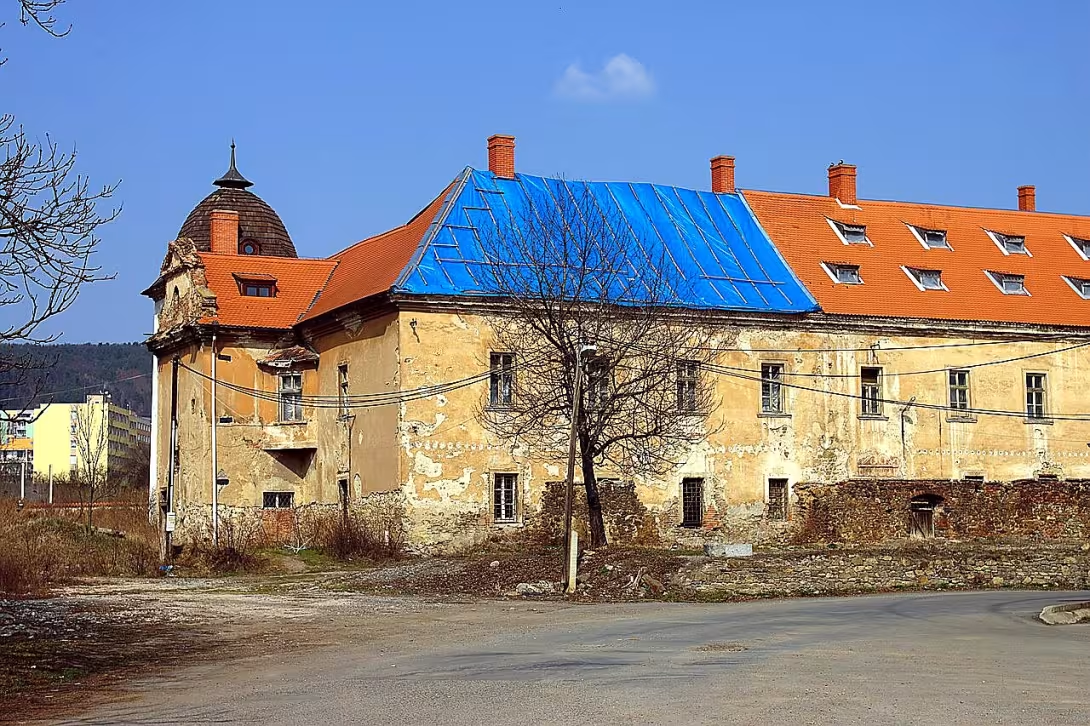
Zámek Králův Dvůr is a Renaissance chateau located in the Czech Republic, specifically in the town of Králův Dvůr within Středočeský kraj. Built by Jan Popel mladší z Lobkovic in 1585 on the site of an earlier structure from the early 15th century, it became notable as royal property by 1594 and served as a hunting lodge. The chateau underwent significant expansions at the turn of the 17th and 18th centuries, reflecting its historical importance and architectural evolution.
The origins of Zámek Králův Dvůr trace back to the late 16th century when Jan Popel mladší z Lobkovic constructed it on a site previously occupied by a structure from the early 15th century built by the Buřenic family. By 1594, the chateau transitioned into royal hands and was utilized as a hunting lodge, marking its significance in the region's history. This period coincided with Bohemia being part of the Habsburg Monarchy during the Renaissance, an era characterized by cultural revival and artistic flourishing.
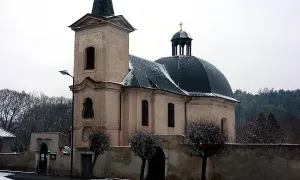
Architecturally, Zámek Králův Dvůr is distinguished by its Renaissance style, evident in the western part of its southern wing which features a right-angled portal adorned with the Lobkovic and Novohradských z Kolovrat coats of arms. The façade also includes remnants of sgraffito decorations. Over time, the chateau expanded to include Baroque elements, particularly in newer sections that feature a passage leading to the courtyard of an agricultural estate.
Ownership of Zámek Králův Dvůr has seen several transitions over the centuries. Initially built by Jan Popel mladší z Lobkovic, it became royal property in 1594. In 1860, Prince Emil Egon von Fürstenberg acquired the chateau, maintaining ownership until 1945. Following this period, the chateau experienced various uses, including serving as a rural school and later housing storage facilities. In 2011, the city purchased the chateau from a local entrepreneur for 13.5 million korun, initiating its gradual reconstruction.
Throughout its history, Zámek Králův Dvůr has witnessed several key events. The legend of King Wenceslaus I's death at this site in 1253 adds to its historical allure. Additionally, the chateau's transformation into a royal hunting lodge and subsequent architectural expansions highlight its evolving role over centuries.
Today, Zámek Králův Dvůr stands as a testament to its rich history and architectural heritage. The chateau is surrounded by walls on the north and west sides, with remnants of its original garden partially destroyed during the construction of the D5 motorway, which now separates it from the remaining park area. Despite these changes, the site remains protected as a cultural monument, including several buildings and parts of the former estate park.
Visiting Zámek Králův Dvůr offers a glimpse into its storied past and architectural beauty. The chateau's blend of Renaissance and Baroque elements provides insight into the artistic trends of its time. As it continues to be restored, this historical monument invites exploration and appreciation for those interested in Czech history and architecture.
Then and now
Drag the slider to compare how the landmark may have looked when it was built with the view today.
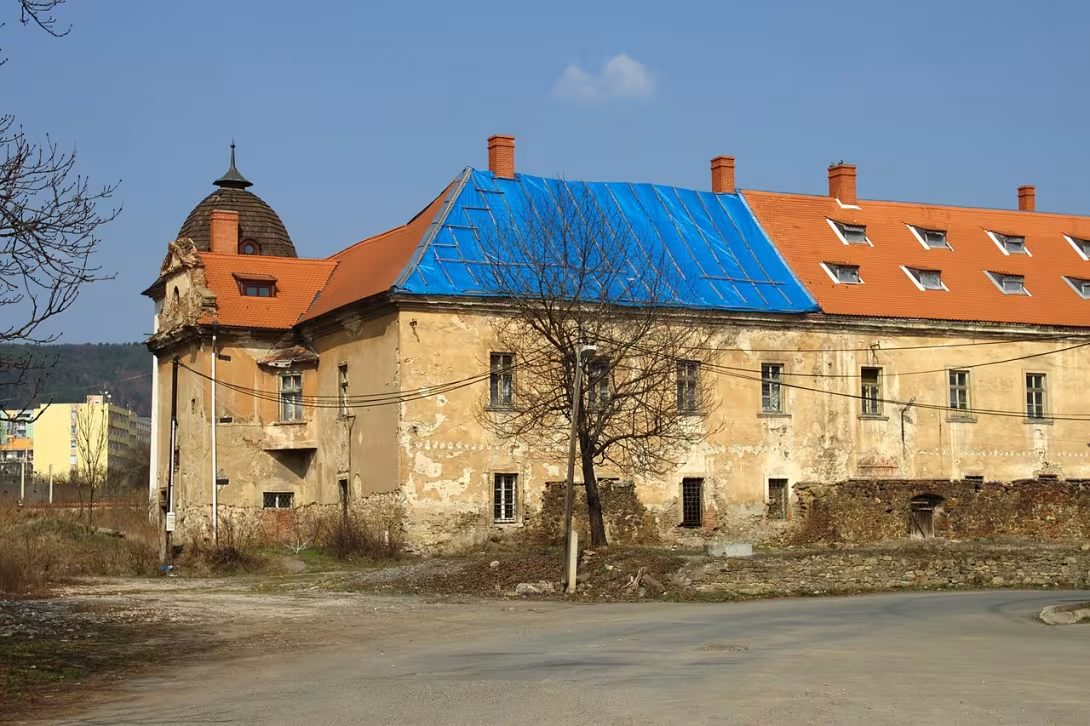
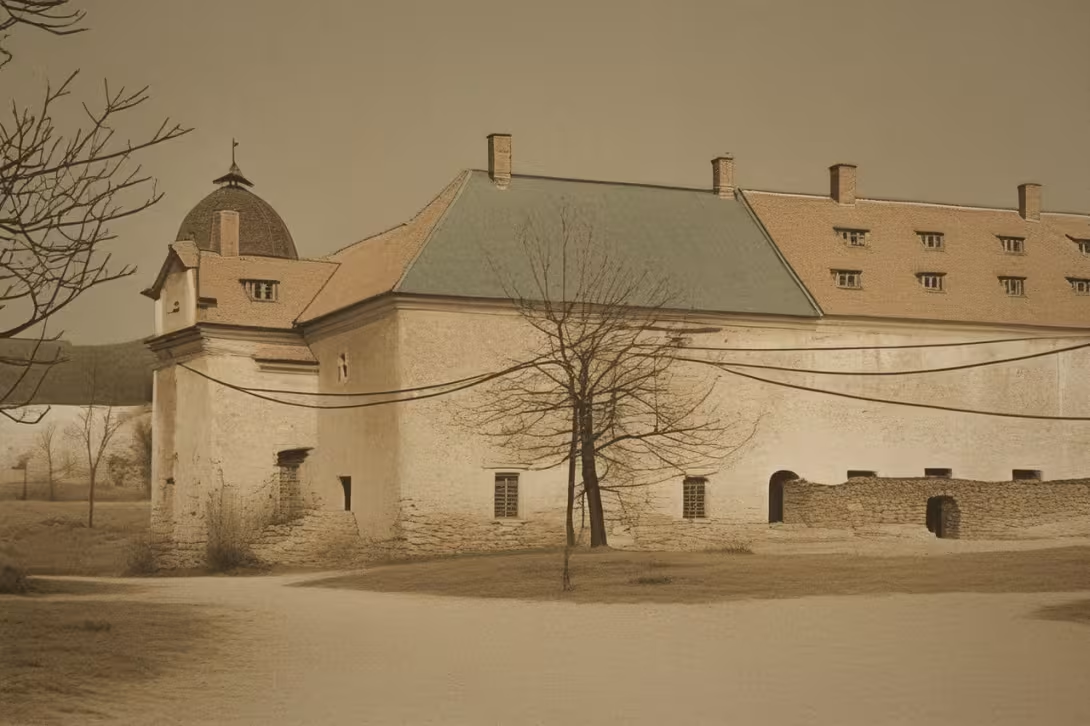
The historical appearance on the left is an AI-generated visualisation and serves as inspiration only.
Historical milestones
- 1585
- Zámek Králův Dvůr byl postaven Janem Popellem mladším z Lobkovic.
- 1594
- Zámek se stal královským majetkem a sloužil jako lovecký dvořecí.
- 17. - 18. století
- Zámek prošel významnými rozšířeními, odrážející jeho historickou důležitost.
- 1860
- Princ Emil Egon von Fürstenberg zakoupil zámek.
- 1945
- Zámek přešel do nového vlastnictví po skončení druhé světové války.
- 2011
- Město zakoupilo zámek za 13,5 milionu korun pro jeho rekonstrukci.
Architectural development
The original Renaissance structure from 1585 underwent expansions at the turn of the 17th and 18th centuries. The western part features a Renaissance façade with sgraffito decorations, while later additions include Baroque elements.
Historical events
In 1585, Jan Popel mladší z Lobkovic built the Renaissance chateau on the site of an earlier structure.
By 1594, the chateau became royal property and was used as a hunting lodge.
Owners
Initially owned by Jan Popel mladší z Lobkovic, it became royal property in 1594. In 1860, Prince Emil Egon von Fürstenberg acquired it, maintaining ownership until 1945. The chateau was later used for various purposes including a rural school and storage facilities. In 2011, the city purchased the chateau from a local entrepreneur.
Points of interest
- One lesser-known fact about Zámek Králův Dvůr is that it was originally built on the site of an earlier structure from the early 15th century by the Buřenic family, indicating a long history of habitation and significance in the region.
- Despite its royal connections, the chateau's transition into royal hands in 1594 coincided with Bohemia being part of the Habsburg Monarchy during the Renaissance, an era marked by cultural revival and artistic flourishing across Europe.
- The legend surrounding King Wenceslaus I's death at Zámek Králův Dvůr in 1253 adds a layer of historical intrigue, although it predates the chateau's construction, linking the site to significant Bohemian lore.
- The chateau underwent an architectural transformation when Baroque elements were added during expansions at the turn of the 17th and 18th centuries, showcasing its evolving role and reflecting broader European artistic trends.
- In a surprising twist of history, after serving various roles over the years, Zámek Králův Dvůr was purchased by the city in 2011 for 13.5 million korun from a local entrepreneur, marking the beginning of its gradual reconstruction and preservation as a cultural monument.
Guide
This guide is narrated by a synthetic voice generated by artificial intelligence.
Show guide text
This text was created by artificial intelligence and has not been editorially reviewed. It may contain inaccuracies.
Welcome to the historic site of Zámek Králův Dvůr, a remarkable Renaissance chateau nestled in the heart of Králův Dvůr, Středočeský kraj. As you stand here, take a moment to absorb the grandeur and elegance that surrounds you. The chateau's impressive facade invites you into its storied past, where history has been meticulously preserved.
Zámek Králův Dvůr was originally constructed in 1585 by Jan Popel mladší z Lobkovic. This magnificent structure replaced an earlier building from the early 15th century, built by the Buřenic family. The chateau's transformation into a royal property in 1594 marked its significance as a hunting lodge for the nobility. Over time, it underwent significant expansions at the turn of the 17th and 18th centuries, reflecting its growing importance.
As you stroll around the chateau grounds, notice the architectural details that speak volumes about its rich history. The design elements from the Renaissance period are evident in the symmetry and proportion of the buildings. Although specific architects remain unknown, their work has left an indelible mark on this site.
Jan Popel mladší z Lobkovic is a key historical figure associated with Zámek Králův Dvůr. His vision brought forth the chateau's initial construction, setting the stage for its future prominence. The chateau's history continued to evolve when Prince Emil Egon von Fürstenberg acquired it in 1860, adding another layer to its storied past.
Here’s a lesser-known fact: Zámek Králův Dvůr was built on the site of an earlier structure from the early 15th century by the Buřenic family. This indicates that the location has been significant for centuries, serving as a witness to various historical transitions and developments in the region.
As we continue our journey through time, consider how this chateau transitioned into new ownership after World War II in 1945, before being purchased by the city in 2011 for €13.5 million to ensure its preservation and restoration.
Now, I invite you to explore further and immerse yourself in the atmosphere of Zámek Králův Dvůr. Each corner holds a story waiting to be discovered. Thank you for joining me on this journey through history, and may your exploration here inspire a deeper appreciation for the past.
Tips for visitors
The best time to visit Zámek Králův Dvůr is during the spring or early autumn months. During these seasons, the mild weather allows for comfortable exploration of both the chateau and its surroundings. Additionally, the natural beauty of the area is at its peak, with vibrant flowers in the park areas that remain after the construction of the D5 motorway. The lighting conditions are also ideal for photography during these times, as the softer light enhances the architectural details of the Renaissance structure.
For those planning their visit, checking an online travel planner for up-to-date routes and schedules would be beneficial.
When visiting Zámek Králův Dvůr, it's wise to bring comfortable walking shoes as you'll likely want to explore both the chateau grounds and nearby areas. A hat, sunscreen, and water are also recommended, especially if your visit coincides with warmer months. For photography enthusiasts, a camera or smartphone will be essential for capturing the stunning architecture and any remaining garden views. Remember that while some parts of the park have been affected by construction, there are still picturesque spots to photograph.
For families visiting Zámek Králův Dvůr with children, there are several engaging activities to consider. The chateau itself offers a glimpse into historical architecture and design that can be fascinating for young minds. While specific family-oriented facilities aren't mentioned here, the surrounding park area provides space for leisurely walks or picnics. Additionally, exploring the nearby locations within 30 minutes, such as other historical sites or natural landscapes, can extend your day trip with educational and entertaining opportunities.
Frequently asked questions
Can the monument be visited?
Some buildings of this kind are open for guided tours, others serve another purpose or are privately owned. We have not verified whether and when this monument is open – please ask the operator.
What are the opening hours and admission?
We have not verified the opening hours or admission. Current information is published by the operator. Official website: https://www.kraluv-dvur.cz/
Where is the monument?
Location: č.p. 1, Králův Dvůr, Středočeský kraj. The map on this page shows the exact spot.
Why is the monument protected?
It is listed in the Central List of Cultural Monuments of the Czech Republic as a cultural monument (register no. 15456/2-334).
Businesses nearby
Do you run a restaurant, accommodation, shop, museum, rental, wellness or other visitor service near this monument? Show yourself directly to the people heading to it — this is how they will see you in the app and on the web:
Nearby
The chateau is surrounded by a wall on the north and west sides. The original garden was partially destroyed during the construction of the D5 motorway, which now separates it from the remaining park area.
Accommodation nearby
Themed route
Thematic Tour Itinerary: Zámek Králův Dvůr and Surroundings
1. Zámek Králův Dvůr (Chateau) - Type: Historical Chateau - Why Visit: Begin your journey at the heart of this majestic chateau, renowned for its rich history and architectural splendor. Explore the interiors to witness stunning period rooms and learn about the historical figures who once resided here.
2. Remaining Park Area (Park) - Type: Historical Garden - Why Visit: Just a short walk from the chateau, this park offers a serene escape with its beautifully maintained landscapes. Although partially affected by modern infrastructure, it still retains elements of its original design, providing a glimpse into the past.
3. Castle Wall (Wall) - Type: Defensive Structure - Why Visit: Walk along the remnants of the chateau walls on the north and west sides to appreciate their historical significance as defensive structures. These walls offer panoramic views of the surrounding area and provide insight into medieval fortification techniques.
This itinerary offers a concise exploration of Zámek Králův Dvůr, focusing on its most notable features while respecting the constraints of visiting only listed sites in its immediate vicinity.
Seasonal recommendations
Spring: The arrival of spring at Králův Dvůr Chateau brings a rejuvenating atmosphere as nature awakens, with blooming gardens and vibrant greenery surrounding the historic site. This is an ideal time to explore the chateau's grounds on foot or by bicycle, taking in the fresh scents of wildflowers and newly budding trees. Visitors can enjoy relatively mild weather, though it's wise to carry a light jacket as temperatures can still be unpredictable. The spring season typically sees fewer crowds compared to summer, providing a more relaxed experience.
Summer: During the summer months, Králův Dvůr Chateau is bathed in warm sunlight, creating an inviting atmosphere for exploring its historic halls and expansive grounds. This is the peak tourist season, so it's advisable to arrive early in the day to avoid larger crowds and make the most of guided tours or special events that may be offered. Comfortable walking shoes and light clothing are recommended due to the warmer temperatures, along with sun protection such as hats and sunscreen. The chateau often hosts various cultural activities during this time, enhancing the visitor experience.
Autumn: Autumn at Králův Dvůr Chateau is a picturesque season characterized by rich hues of red, orange, and gold in the surrounding landscape. The cooler temperatures provide a comfortable environment for strolling through the grounds and admiring the chateau's architecture against a backdrop of falling leaves. As daylight hours shorten, it’s beneficial to plan visits during midday when lighting conditions are optimal for photography. Layered clothing is recommended due to fluctuating weather, and carrying an umbrella might be wise given autumn rains.
Winter: Winter transforms Králův Dvůr Chateau into a serene and magical setting, with snow-dusted grounds offering a unique charm. The chateau's architecture takes on a different character under the soft winter light, making it a perfect time for photography enthusiasts. While some areas might be less accessible due to snow or ice, the quietness of this season offers an intimate experience with fewer tourists around, allowing for peaceful exploration.
Visualizations and artistic views


The visualisations are generated by artificial intelligence and serve as inspiration.
Photos from the area
Real photos taken near the monument


Zdroj a licence jsou uvedeny u každého snímku.
Tips from visitors
No tips yet. Be the first!
Log in and add your tip.
Sources and literature
Photos: I would appreciate being notified if you use my work outside Wikimedia. More of my work can be found in my personal gall / CC BY 3.0 — Wikimedia Commons. The author and licence also appear when you hover over the image.
Faktickým podkladem tohoto textu byl článek na Wikipedii, jehož autory jsou přispěvatelé Wikipedie. Článek je dostupný pod licencí CC BY-SA 4.0.
Location on the map
Příběhy a pověsti
Legendy, pověsti a příběhy spjaté s touto památkou
Fotografie návštěvníků
Zatím žádné fotografie. Buďte první, kdo přidá fotografii z návštěvy!
Log in a přidejte svou fotografii nebo hodnoťte.
Za ověřenou návštěvu v aplikaci získáte víc bodů — poznáme podle GPS, že jste na místě.
Reviews and comments