






zámek Lešná (Lesná) Chateau
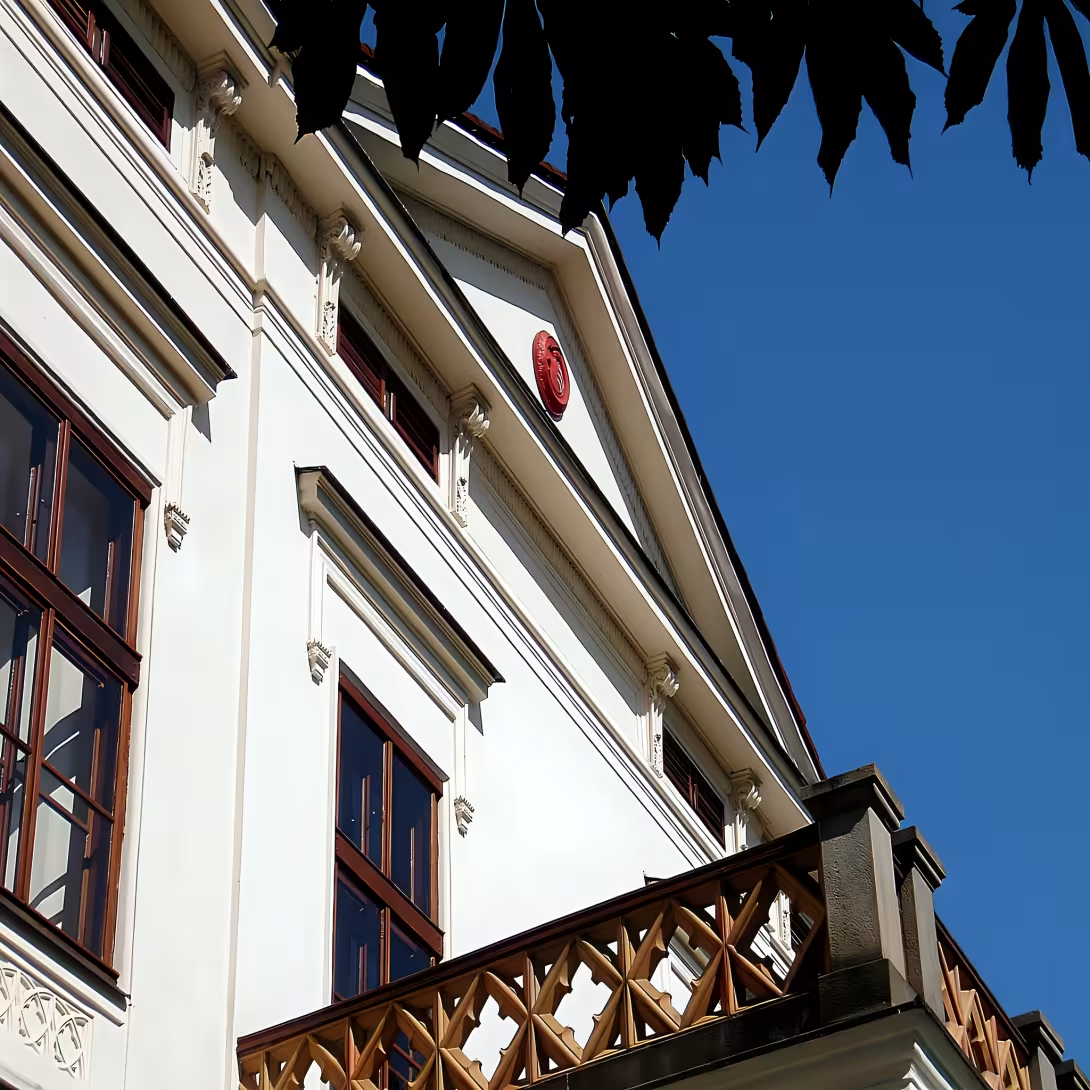
Chateau Lešná, located in the village of Lesná within the Vsetín District, stands as a significant cultural monument from the first half of the 17th century. Originally built on the site of a medieval fortress dating back to the 14th century, this baroque chateau has undergone several architectural transformations over the centuries. It is renowned for its historical significance and well-preserved interiors, including balustrade railings, painted ceilings, and original baroque flooring. The chateau's rich history and unique features make it an important site worth visiting.
The origins of Chateau Lešná trace back to a medieval fortress from the 14th century. Historical records indicate that in 1355, the village was mentioned as property of the lords of Perné. By 1415, a fortress belonging to Hanuš z Pržna is documented. Around 1481, construction under the Pražmů z Bílkova family began, resulting in a rectangular building with dimensions approximately 33 x 25.5 meters. The chateau's evolution continued into the mid-16th century when it was transformed into a Renaissance four-winged structure.
Architecturally, Chateau Lešná reflects its varied historical influences. Initially built as a medieval fortress, it evolved into a Renaissance chateau by the mid-16th century. In the early 18th century, Rudolf Magnus Podstatský z Prusinovic introduced baroque modifications, which are evident in the chateau's design today. Later, the Kinští family added classical elements with neogothic details, further enriching its architectural tapestry.
Ownership of Chateau Lešná has seen several notable families over the centuries. After the Pražmů z Bílkova, Rudolf Magnus Podstatský z Prusinovic owned it from 1710 to 1740 and was responsible for the baroque renovations. In the early 19th century, Jiří Bees established a chateau garden spanning 7 hectares. The last owners were the Kinští family, who left their mark with classical elements until they were forced to leave in 1945.
Throughout its history, Chateau Lešná has been the site of various key events and curiosities. In the mid-20th century, it served as a filming location for the movie "Requiem pro panenku," depicting a social care institution involved in a tragic fire. Additionally, from 1948 to 1975, the chateau housed a school, marking another significant chapter in its history.
Today, Chateau Lešná is accessible to the public and offers visitors a glimpse into its storied past. The chateau's interiors are particularly noteworthy, featuring original baroque flooring and furniture from the Kinský family. Its historical significance, combined with well-preserved architectural elements, makes it an intriguing destination for those interested in cultural heritage.
Chateau Lešná stands as a testament to the rich history of the region, offering visitors a unique opportunity to explore its architectural evolution and historical narratives. Whether you are drawn by its baroque elegance or intrigued by its storied past, this monument is well worth a visit.
Then and now
Drag the slider to compare how the landmark may have looked when it was built with the view today.
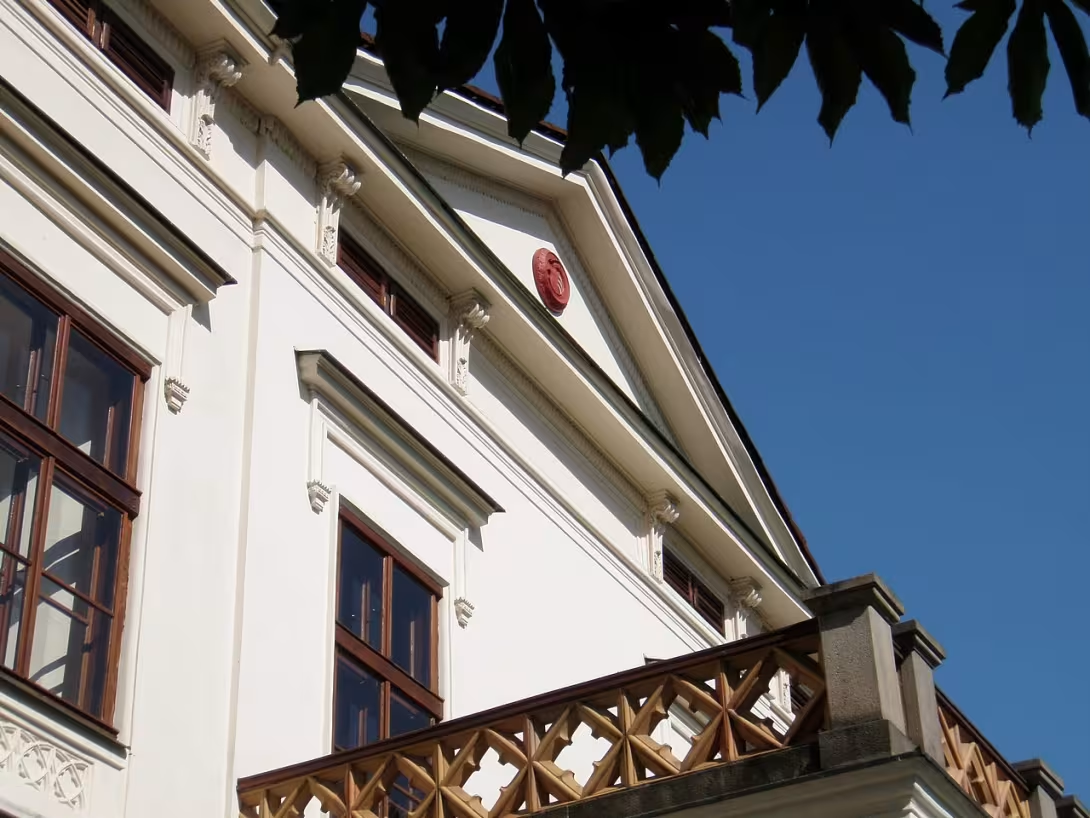
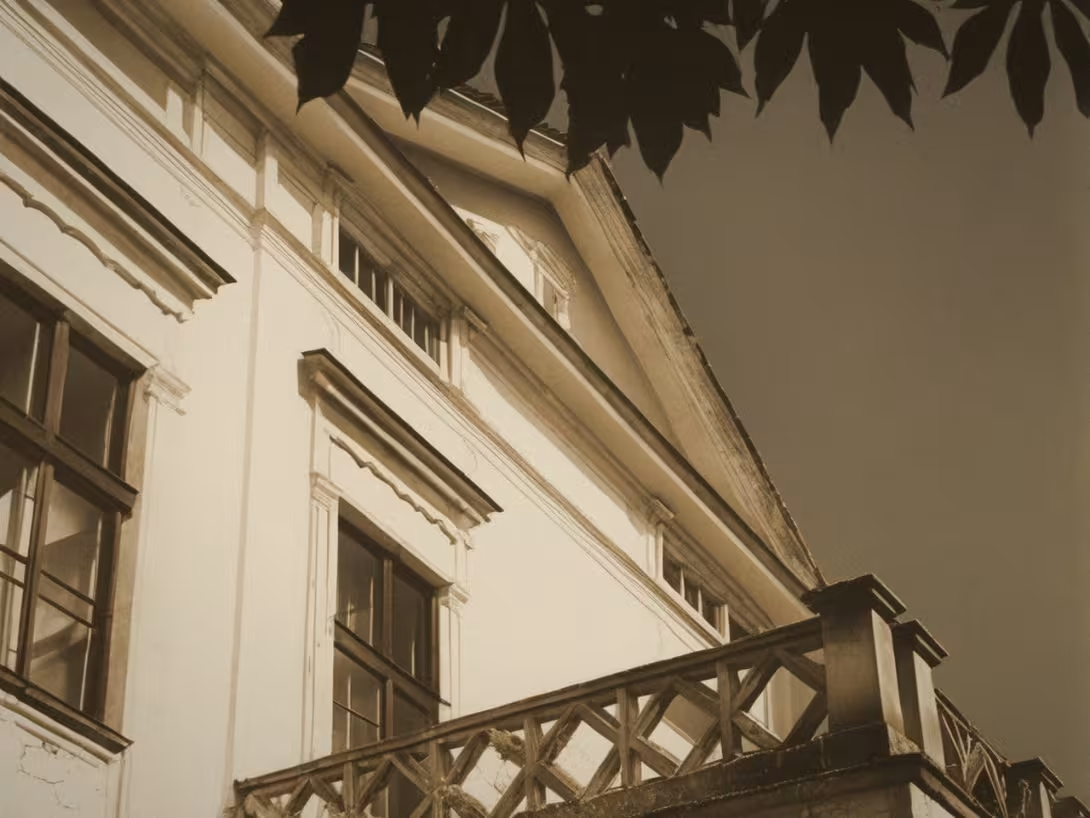
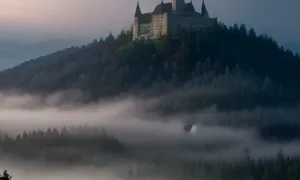
The historical appearance on the left is an AI-generated visualisation and serves as inspiration only.
Historical milestones
- 1355
- The village was mentioned as property of the lords of Perné.
- 1415
- A fortress belonging to Hanuš z Pržna is recorded.
- 1481
- Construction under the Pražmů z Bílkova family began, creating a rectangular building with dimensions approximately 33 x 25.5 meters.
Architectural development
Zámek Lešná began as a medieval fortress in the 14th century and evolved into a Renaissance chateau by the mid-16th century. It underwent baroque renovations under Rudolf Magnus Podstatský z Prusinovic in the early 18th century, with additional classical elements added by the Kinští family later on.
Historical events
In the mid-16th century, the structure was transformed into a Renaissance four-winged chateau.
The chateau served as a school from 1948 to 1975.
Owners
The estate was initially owned by the lords of Perné in 1355 and later by Hanuš z Pržna in 1415. It came under the ownership of the Pražmů z Bílkova family around 1481, followed by Rudolf Magnus Podstatský z Prusinovic from 1710 to 1740 who introduced baroque elements. In the early 19th century, Jiří Bees established a chateau garden spanning 7 hectares. The last owners were the Kinští family until they were forced to leave in 1945.
Points of interest
- Although primarily recognized for its baroque architecture, Chateau Lešná once served as a filming location for the movie "Requiem pro panenku," which depicted a social care institution involved in a tragic fire. This unusual role highlights the chateau's adaptability and cultural significance beyond traditional historical narratives.
- In the early 19th century, Jiří Bees expanded the chateau grounds by establishing an extensive garden spanning 7 hectares. While gardens are common features of grand estates, the scale and design of this particular garden reflect a unique blend of personal vision and landscape artistry during that era.
- Between 1948 and 1975, Chateau Lešná was repurposed to house a school, marking an unconventional chapter in its history. This transformation from a noble residence to an educational institution underscores the chateau's ability to adapt to changing societal needs over time.
- The intricate baroque flooring within Chateau Lešná is not only original but also features unique patterns that have been preserved through centuries of use and restoration. These floors offer visitors a rare glimpse into the craftsmanship and aesthetic preferences of the early 18th century, adding an unexpected layer of historical intrigue to their visit.
- Despite its architectural evolution from medieval fortress to baroque chateau with neogothic details, Chateau Lešná retains original furnishings from the Kinský family. This continuity provides a tangible connection to the past, allowing visitors to experience the personal history and domestic life of one of the chateau's notable former owners.
Guide
This guide is narrated by a synthetic voice generated by artificial intelligence.
Show guide text
This text was created by artificial intelligence and has not been editorially reviewed. It may contain inaccuracies.
Welcome to the historic site of Zámek Lešná, nestled in the charming village of Lesná within the Vsetín District of Zlínský kraj. As you stand here, take a moment to absorb your surroundings—the grandeur of this cultural monument from the first half of the 17th century unfolds before you. Imagine yourself stepping back into time as you gaze upon the remnants of its storied past.
The origins of Zámek Lešná trace back to a medieval fortress dating to the 14th century, marking it as a site with deep historical roots. In 1355, records mention this village as property belonging to the lords of Perné, establishing its early significance in regional history. By 1415, a fortress under Hanuš z Pržna was noted here, hinting at its strategic importance.
The transformation into the chateau we see today began around 1481 when the Pražmů z Bílkova family initiated construction of a rectangular building with dimensions approximately 33 by 25.5 meters. Over time, this site evolved through various architectural styles, incorporating elements from different eras.
As you look upon Zámek Lešná now, notice how it harmoniously blends its original Gothic structure with later baroque modifications. The chateau's architecture invites exploration of these layers—each stone and archway tells a story of resilience and adaptation over centuries.
Several key historical figures have left their mark on this place. Rudolf Magnus Podstatský z Prusinovic, Jiří Bees, and the Kinští family are among those who played significant roles in its history, contributing to both its cultural and architectural legacy.
An intriguing aspect of Zámek Lešná is its role as a filming location for the movie "Requiem pro panenku," which depicted a social care institution involved in a tragic fire. This unusual use highlights not only the chateau's adaptability but also its enduring cultural significance beyond traditional historical narratives.
As we conclude our tour, I invite you to continue exploring this remarkable site at your own pace. Let the whispers of history guide your journey through Zámek Lešná, where every corner holds a story waiting to be discovered. Thank you for joining us today, and may your visit inspire a deeper appreciation for the rich tapestry of our shared heritage.
Businesses nearby
Do you run a restaurant, accommodation, shop, museum, rental, wellness or other visitor service near this monument? Show yourself directly to the people heading to it — this is how they will see you in the app and on the web:
Accommodation nearby
Themed route
Thematic Vltour of Zámek Lešná and Surroundings
1. Zámek Lešná (Chateau of Lesná) *Type: Chateau* Begin your journey at the heart of this historic site, Zámek Lešná. This chateau is a stunning example of Renaissance architecture with Baroque influences, offering visitors a glimpse into its rich history and cultural significance. Explore the beautifully preserved interiors, including grand halls and ornate decorations that tell stories of the past.
2. Lesná Village Center *Type: Historic Town* After exploring the chateau, take a leisurely walk to the center of Lesná village. This area is characterized by traditional architecture and charming streetscapes that reflect its historical roots. Stroll through the quaint lanes, admire the well-preserved buildings, and soak in the peaceful atmosphere of this picturesque village.
3. Lesná Church *Type: Religious Site* A short walk from the village center, visit the local church in Lesná. This sacred site is notable for its architectural beauty and historical significance within the community. The church offers a serene environment to reflect on history while appreciating its intricate design and spiritual ambiance.
4. Lesná Park *Type: Public Park* Conclude your tour with a visit to Lesná Park, located near the chateau grounds. This park provides a tranquil setting for relaxation and leisurely walks amidst lush greenery. It's an ideal spot to unwind after exploring the historical sites, offering picturesque views and a peaceful retreat in nature.
This thematic vltour offers a comprehensive exploration of Zámek Lešná and its immediate surroundings, providing insights into both cultural heritage and natural beauty.
Seasonal recommendations
Spring: Spring at Château Lesná offers a unique experience as the chateau grounds burst into life with blooming flowers and lush greenery, creating a picturesque setting perfect for photography enthusiasts. The gentle warmth of the season allows visitors to explore comfortably without heavy layers, though it's wise to carry a light jacket for cooler mornings or evenings. As nature awakens, this period sees moderate visitor numbers, making it an ideal time to enjoy the serene atmosphere and vibrant colors at your leisure.
Summer: Summer is the peak season to visit Château Lesná, with its long daylight hours providing ample opportunity to explore both the chateau's historical interiors and the expansive gardens. The lush greenery and full bloom of flowers create a stunning backdrop for visitors, while warm temperatures encourage picnics in the scenic surroundings. It’s advisable to arrive early to avoid larger crowds and ensure you have enough time to fully appreciate the site. Comfortable walking shoes and light clothing are recommended due to the heat.
Autumn: Autumn at Château Lesná is characterized by a dramatic transformation of the landscape, with fiery reds, oranges, and yellows painting the chateau grounds in vibrant hues. The cooler temperatures make for pleasant strolls through the park, offering a more tranquil experience as visitor numbers dwindle compared to summer. It's an ideal time to witness the chateau’s architecture against the backdrop of autumnal colors. Layered clothing is recommended to accommodate the changing weather throughout the day.
Winter: Winter offers a magical and quieter visit to Château Lesná, with snow-covered grounds providing a fairy-tale-like atmosphere that enhances the chateau's historic charm. The shorter days mean visiting hours are reduced, so planning ahead is crucial to maximize your time at the site. While some outdoor areas may be less accessible due to weather conditions, the chateau interiors remain open for exploration. Warm clothing and sturdy boots are essential to stay comfortable during your visit in this enchanting season.
Visualizations and artistic views


The visualisations are generated by artificial intelligence and serve as inspiration.
Photos from the area
Real photos taken near the monument


Zdroj a licence jsou uvedeny u každého snímku.
Tips from visitors
No tips yet. Be the first!
Log in and add your tip.
Sources and literature
Fotografie: Pkotrla at Czech Wikipedia / CC BY-SA 3.0, rozlišení zvýšeno umělou inteligencí — Wikimedia Commons. The author and licence also appear when you hover over the image.
Faktickým podkladem tohoto textu byl článek na Wikipedii, jehož autory jsou přispěvatelé Wikipedie. Článek je dostupný pod licencí CC BY-SA 4.0.
Location on the map

Příběhy a pověsti
Legendy, pověsti a příběhy spjaté s touto památkou
Fotografie návštěvníků
Zatím žádné fotografie. Buďte první, kdo přidá fotografii z návštěvy!
Přihlaste se a přidejte svou fotografii nebo hodnoťte.
Za ověřenou návštěvu v aplikaci získáte víc bodů — poznáme podle GPS, že jste na místě.
Reviews and comments