



zámek Mlýnce Chateau
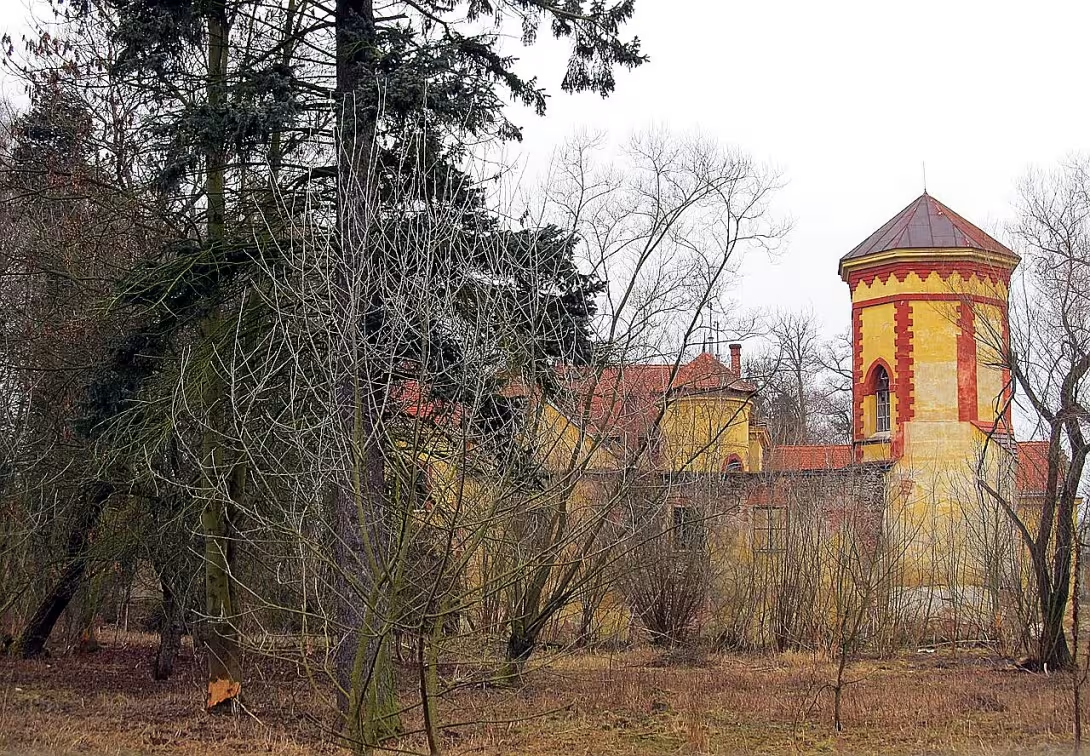
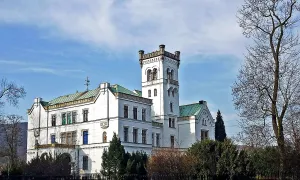
Zámek Mlýnce is a notable Neo-Gothic castle located in the village of Mlýnce near Vroutek, in the Ústecký kraj region of the Czech Republic. Originally built as a Baroque structure in 1733 by Václav Kager ze Štampachu, it was transformed into its current Neo-Gothic style between 1883 and 1889 under the Baernreuther brothers' ownership. Declared a cultural monument in 1964, this castle is distinguished for both its architectural evolution and historical significance.
The origins of Zámek Mlýnce date back to the post-Hussite Wars period when it served as a fortress inhabited by members of the Harantů z Kořen family. In 1614, Václav starší ze Štampachu acquired the property but lost it in 1622 due to his involvement in the Ständeaufstand (Stirrings of the Estates). His wife, Barbora z Malešic a Poutnova, subsequently purchased Mlýnce and retained ownership until the 19th century. The original fortress was demolished by Václav Kager ze Štampachu in 1733 to make way for a Baroque castle, marking the start of its architectural journey.
Architecturally, Zámek Mlýnce has undergone significant changes over the centuries. Initially built as a four-winged structure around an oblong courtyard with mansard roofs adorned by Neo-Gothic gables, it was transformed into its current style between 1883 and 1890 under the Baernreuther brothers. This period also saw the addition of a chapel and a rose pergola in the surrounding park, enhancing the castle's picturesque setting.
Ownership of Zámek Mlýnce has seen several notable transitions. After the Baernreuther era, post-1950, it was managed by the Lubeneckého státního statku (Lubenec State Farm), which used it for housing, offices, and a dining hall. A fire in 1967 led to partial reconstruction of the castle, preserving only a small section that continued serving as a kitchen and dining area.
Throughout its history, Zámek Mlýnce has been a site of various events and curiosities. The transformation into Neo-Gothic style under the Baernreuther brothers is particularly noteworthy, reflecting broader European architectural trends during that era. Additionally, after 1950, it served communal purposes, adapting to the needs of its time.
Today, Zámek Mlýnce remains a site of historical interest despite being closed to the public. Located in the village of Mlýnce and accessible via a yellow-marked tourist trail from Lubenec, the castle's surrounding park with an alley of climbing roses adds to its charm. While visitors cannot explore the interior, the exterior offers a glimpse into its storied past.
Zámek Mlýnce is not just an architectural relic but also a testament to the cultural and historical shifts in Bohemia over centuries. Its evolution from a fortress to a Baroque castle, and finally to a Neo-Gothic landmark, mirrors broader European influences and local adaptations. For those interested in history and architecture, Zámek Mlýnce offers a fascinating glimpse into the past, inviting visitors to explore its surroundings and imagine the stories it holds within its walls.
Then and now
Drag the slider to compare how the landmark may have looked when it was built with the view today.
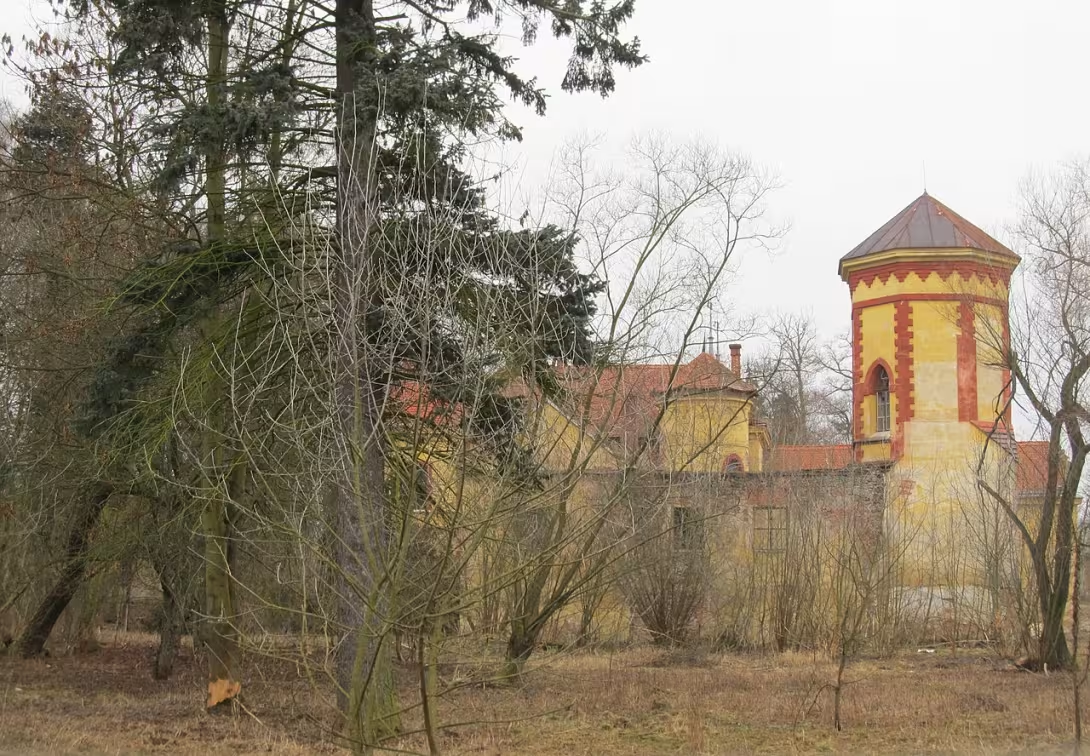
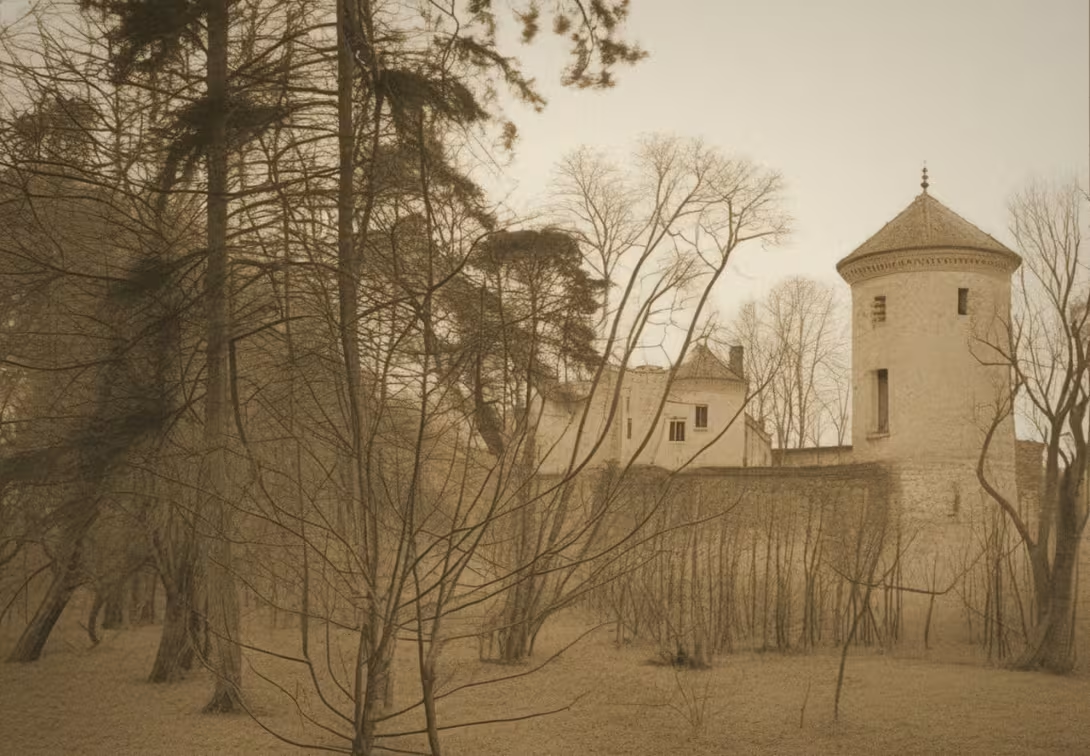
The historical appearance on the left is an AI-generated visualisation and serves as inspiration only.
Historical milestones
- 1614
- Václav starší ze Štampachu purchases Mlýnce
- 1622
- Loss of ownership by Václav ze Štampachu after the Ständeaufstand (Uprising of the Estates)
- 1733
- Demolition of the original castle and construction of a Baroque chateau
- 1883
- Renovation to Neo-Gothic style by Baernreuther brothers
- 1964
- Chateau declared a cultural monument
- 1967
- Fire and partial reconstruction of the chateau
Architectural development
Zámek Mlýnce underwent significant architectural changes over the centuries. Initially a fortress, it was replaced by a baroque castle in 1733. The most notable transformation occurred between 1883 and 1889 when it was redesigned into its current Neo-Gothic style, featuring new additions such as a chapel and a rose pergola.
Historical events
The original fortress was demolished in 1733 by Václav Kager ze Štampachu.
Transformed into Neo-Gothic style between 1883 and 1889.
Owners
Harantů z Kořen (post-Hussite Wars)
Václav starší ze Štampachu (1614-1622)
Barbora z Malešic a Poutnova (1623 onwards, until the 19th century)
Baernreuther brothers (1883-1890s)
Points of interest
- The castle's transformation from a fortress to a Baroque structure in 1733 marked the beginning of its architectural evolution, reflecting the changing tastes and needs of its owners over time.
- After being seized due to Václav starší ze Štampachu’s involvement in the Ständeaufstand, the property was retained by his wife Barbora z Malešic a Poutnova until the 19th century, showcasing the resilience and influence of women during turbulent historical periods.
- The Baernreuther brothers' conversion of Zámek Mlýnce into its Neo-Gothic style between 1883 and 1890 not only mirrored broader European architectural trends but also added unique elements like a chapel and rose pergola to enhance its aesthetic appeal.
- Following the fire in 1967, which led to partial reconstruction, the castle's remaining section continued to serve as a kitchen and dining area, demonstrating how historical sites can adapt to new roles while preserving their heritage.
- Despite being closed to the public today, Zámek Mlýnce’s picturesque park with an alley of climbing roses offers visitors a chance to appreciate its beauty from the outside, maintaining its allure as a cultural and historical landmark.
Guide
This guide is narrated by a synthetic voice generated by artificial intelligence.
Show guide text
This text was created by artificial intelligence and has not been editorially reviewed. It may contain inaccuracies.
Welcome to the enchanting Zámek Mlýnce, a remarkable Neo-Gothic castle nestled in the village of Mlýnce near Vroutek. As you stand before this architectural gem, take a moment to absorb its grandeur and the rich tapestry of history that it embodies.
The story of this castle begins with Václav starší ze Štampachu's purchase of Mlýnce in 1614. However, his ownership was short-lived; by 1622, due to his involvement in the Ständeaufstand, he lost possession. The original fortress that once stood here met its end in 1733 when it was demolished and replaced with a Baroque structure commissioned by Václav Kager ze Štampachu. This marked the beginning of an architectural evolution reflective of the changing tastes and needs of its owners.
As you gaze upon Zámek Mlýnce today, notice its four-winged layout encircling an oblong courtyard—a testament to its transformation during the late 19th century. Between 1883 and 1889, under the ownership of the Baernreuther brothers, the castle was reimagined into the Neo-Gothic style that captivates us now. The mansard roof, adorned with distinctive elements of this style, beckons you to look up and appreciate its intricate design.
The history of Zámek Mlýnce is intertwined with notable figures such as Harantů z Kořen and Barbora z Malešic a Poutnova, whose stories add depth to the castle's legacy. The Baernreuther brothers—Josef, Alfonsovi, and Jiří—played a pivotal role in its architectural metamorphosis, leaving an indelible mark on its character.
One intriguing aspect of this castle is its resilience through time. In 1964, it was declared a cultural monument, recognizing its historical significance. However, fate tested its endurance when a fire struck in 1967, leading to partial reconstruction efforts that preserved its essence while breathing new life into its walls.
As you continue your exploration, let the atmosphere of Zámek Mlýnce envelop you. Each corner holds whispers of the past, inviting you to delve deeper into its stories and mysteries. We encourage you to wander through its grounds, imagining the lives once lived within these walls.
Thank you for joining us on this journey through time at Zámek Mlýnce. May your visit inspire curiosity and appreciation for the rich history that surrounds us.
Tips for visitors
The best time to visit Zámek Mlýnce is during the late spring or early autumn months, when the weather is mild and the surrounding landscapes are particularly beautiful. During these times, you can enjoy pleasant temperatures for exploring both inside the castle and in its picturesque gardens. Additionally, visiting outside of peak summer months often means fewer crowds, allowing for a more relaxed experience.
It’s advisable to check current transportation options online before your visit to ensure smooth travel plans.
When visiting Zámek Mlýnce, consider bringing comfortable walking shoes as there are several paths and trails around the castle grounds. A camera is recommended for capturing the stunning Neo-Gothic architecture and scenic views of the surrounding landscapes. Don't forget a hat or sunscreen if you're planning to spend time outdoors during sunny days.
For photography enthusiasts, some of the best spots include the main entrance of the castle where its grandeur can be fully appreciated, as well as any elevated viewpoints around the area that offer panoramic views. The soft light of early morning or late afternoon provides excellent conditions for capturing the beauty of the castle and its surroundings.
Nearby attractions within a 30-minute drive include Vroutek, known for its charming town center and historical sites. Exploring these nearby areas can provide additional context to the region's rich history and culture, making your visit even more enriching.
Frequently asked questions
Can the monument be visited?
Some buildings of this kind are open for guided tours, others serve another purpose or are privately owned. We have not verified whether and when this monument is open – please ask the operator.
What are the opening hours and admission?
We have not verified the opening hours or admission. Current information is published by the operator.
Where is the monument?
Location: Mlýnce, Ústecký kraj. The map on this page shows the exact spot.
Why is the monument protected?
It is listed in the Central List of Cultural Monuments of the Czech Republic as a cultural monument (register no. 43299/5-1127).
Businesses nearby
Do you run a restaurant, accommodation, shop, museum, rental, wellness or other visitor service near this monument? Show yourself directly to the people heading to it — this is how they will see you in the app and on the web:
Events nearby
Zdroj akcí: otevřená data měst a obcí ČR (Národní katalog otevřených dat) a kalendář akcí Národního památkového ústavu.
Nearby
Zámek Mlýnce is located in the village of Mlýnce, surrounded by picturesque landscapes. It is accessible via a yellow-marked tourist trail from Lubenec.
Accommodation nearby
Themed route
Thematic Tour Plan: Zámek Mlýnce and Surroundings
1. Zámek Mlýnce - Type: Castle - Why Visit: The Zámek Mlýnce is a stunning example of Renaissance architecture nestled in the village of Mlýnce, offering visitors a glimpse into historical grandeur amidst picturesque landscapes. Its well-preserved interiors and beautiful gardens make it an essential stop for history enthusiasts.
2. Lubenec - Type: Village - Why Visit: Begin your journey at Lubenec, where the yellow-marked tourist trail starts. This charming village serves as a gateway to exploring Zámek Mlýnce and offers quaint local culture and hospitality that reflect the region's rich history.
3. Yellow-Marked Tourist Trail - Type: Walking Path - Why Visit: Follow this scenic route from Lubenec to Zámek Mlýnce, which meanders through lush landscapes and provides a serene walking experience. The trail not only connects you to the castle but also allows you to enjoy the natural beauty of the area.
4. Village of Mlýnce - Type: Village - Why Visit: After exploring Zámek Mlýnce, take time to wander through the village of Mlýnce itself. The village offers a peaceful atmosphere and an opportunity to experience local life in this picturesque setting.
5. Zámek Gardens - Type: Garden - Why Visit: Located within the Zámek Mlýnce estate, these meticulously maintained gardens are perfect for leisurely strolls or simply relaxing amidst nature. The blend of floral arrangements and landscape design complements the castle's architectural beauty.
This itinerary provides a comprehensive exploration of Zámek Mlýnce and its immediate surroundings, ensuring an enriching experience that highlights both historical and natural attractions.
Seasonal recommendations
Spring: Visiting the Mlýnce Castle during spring offers a unique experience as nature awakens around its historic walls. The blooming gardens and surrounding landscapes are painted with vibrant colors, providing a picturesque backdrop that enhances the castle's charm. This season is characterized by mild weather, making it ideal for leisurely strolls through the grounds. Visitors can enjoy the soft morning light filtering through budding trees, creating an enchanting atmosphere perfect for photography enthusiasts. It's advisable to wear comfortable yet warm clothing as temperatures can still be cool in early spring mornings. Since this period precedes the peak tourist season, you'll likely encounter fewer crowds, allowing for a more intimate exploration of the castle's history and architecture.
Summer: Summer at Mlýnce Castle is marked by its lively atmosphere and extended daylight hours, making it perfect for those who wish to explore the site in full detail. The lush greenery and vibrant flowers are in their prime, offering spectacular views from various vantage points around the castle grounds. This season attracts more visitors due to favorable weather conditions, so arriving early is recommended to avoid larger crowds. Wearing light, breathable clothing will help you stay comfortable during your visit, especially on sunny days when the heat can be intense.
Autumn: Autumn brings a magical transformation to Mlýnce Castle with its warm hues of orange, red, and gold adorning the landscape. This season is particularly special as it offers a serene atmosphere, ideal for those seeking tranquility amidst nature's changing palette. The cooler temperatures are perfect for walking tours around the castle grounds without the discomfort of summer heat. Visitors should dress in layers to accommodate varying weather conditions throughout the day. Autumn also sees fewer tourists compared to summer, providing an excellent opportunity to enjoy the castle's beauty and history at a more relaxed pace.
Winter: Winter at Mlýnce Castle offers a unique charm with its snow-covered grounds that create a fairy-tale-like setting around the historic structure. The crisp winter air and shorter days add to the enchanting atmosphere, making it an ideal time for those who appreciate the quiet beauty of the season. Visitors should dress warmly in layers, including hats and gloves, as temperatures can be quite low, especially during early mornings or late afternoons. Winter's tranquility means fewer crowds, allowing for a peaceful experience where one can truly appreciate the architectural details of the castle against the stark winter landscape.
Visualizations and artistic views


The visualisations are generated by artificial intelligence and serve as inspiration.
Photos from the area
Real photos taken near the monument


Zdroj a licence jsou uvedeny u každého snímku.
Tips from visitors
No tips yet. Be the first!
Log in and add your tip.
Sources and literature
Photos: Krabat77 / CC BY-SA 3.0 — Wikimedia Commons. The author and licence also appear when you hover over the image.
Faktickým podkladem tohoto textu byl článek na Wikipedii, jehož autory jsou přispěvatelé Wikipedie. Článek je dostupný pod licencí CC BY-SA 4.0.
Location on the map
Příběhy a pověsti
Legendy, pověsti a příběhy spjaté s touto památkou

Fotografie návštěvníků
Zatím žádné fotografie. Buďte první, kdo přidá fotografii z návštěvy!
Log in a přidejte svou fotografii nebo hodnoťte.
Za ověřenou návštěvu v aplikaci získáte víc bodů — poznáme podle GPS, že jste na místě.
Reviews and comments