



zámek Obora Chateau
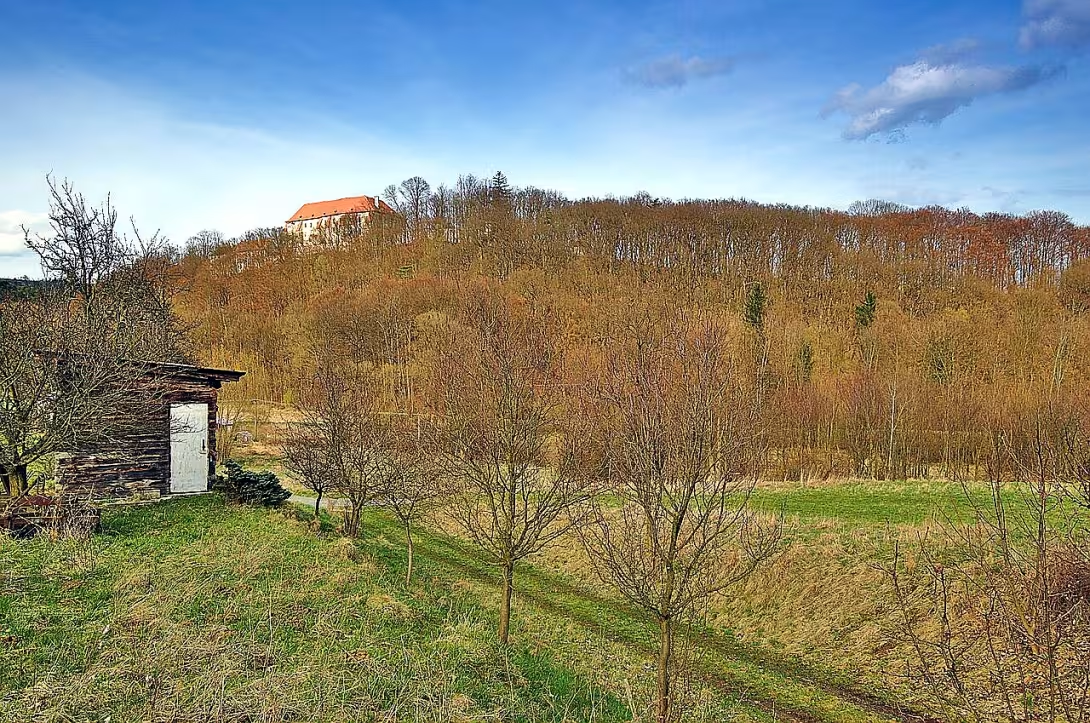
Objekt se nedochoval — na místě dnes nestojí. Následující text popisuje jeho historii, ne současnou návštěvu.
Castle Obora, located in Chomutice village within the Chomutice District of Královéhradecký kraj, stands as a historical testament to architectural and social changes over centuries. Originally part of Radeč community, it was transformed into an extensive park by Albrecht von Wallenstein in the early 17th century. The site is notable for its evolution from a fortress to a baroque manor house, reflecting significant shifts in ownership and style.
The origins trace back to Radeč village, with the first documented mention of a fortress dating to 1581. This period coincided with Bohemia's involvement in the Thirty Years' War, affecting many estates and noble families. In 1623, Albrecht von Wallenstein acquired the estate, establishing a large park integral to its identity. The confiscation of Wallenstein's assets in 1635 led to Habsburg control, marking a significant ownership shift.
Architecturally, Castle Obora underwent several transformations. Initially serving as a fortress, it was remodeled into a baroque manor house during the late 17th century. This period saw its integration into a larger estate complex, including a stud farm. In the early 19th century, under Josef Dresler's ownership, the castle reflected Empire architectural style. Later modernization efforts in the 1890s continued to shape its appearance and function.
Ownership changed hands multiple times throughout history. After Wallenstein's era, it remained with the Habsburgs until 1824 when Josef Dresler purchased it. The estate later passed to Konrád Blaschke in 1893, who oversaw further modernization. Following World War II, the castle became state property and served various purposes, including as an agricultural school and housing for a state farm. However, by the late 20th century, it had fallen into disrepair.
Key events include its transformation under Wallenstein and subsequent architectural changes during Habsburg rule. The confiscation of Wallenstein's assets in 1635 was pivotal, bringing the estate under imperial control and influencing its development for centuries.
Today, Castle Obora is largely in ruins, with parts having collapsed by 2004 and demolition ordered shortly thereafter. Despite its dilapidated state, it holds historical significance as a reflection of the region's past. Visitors interested in Czech history may find it worth exploring this monument, not only for its architectural remnants but also for the stories embedded within its walls.
Castle Obora offers a unique glimpse into the layered history of the Czech lands, inviting those curious about the past to explore and reflect on the transformations that have shaped this region.
Then and now
Drag the slider to compare how the landmark may have looked when it was built with the view today.
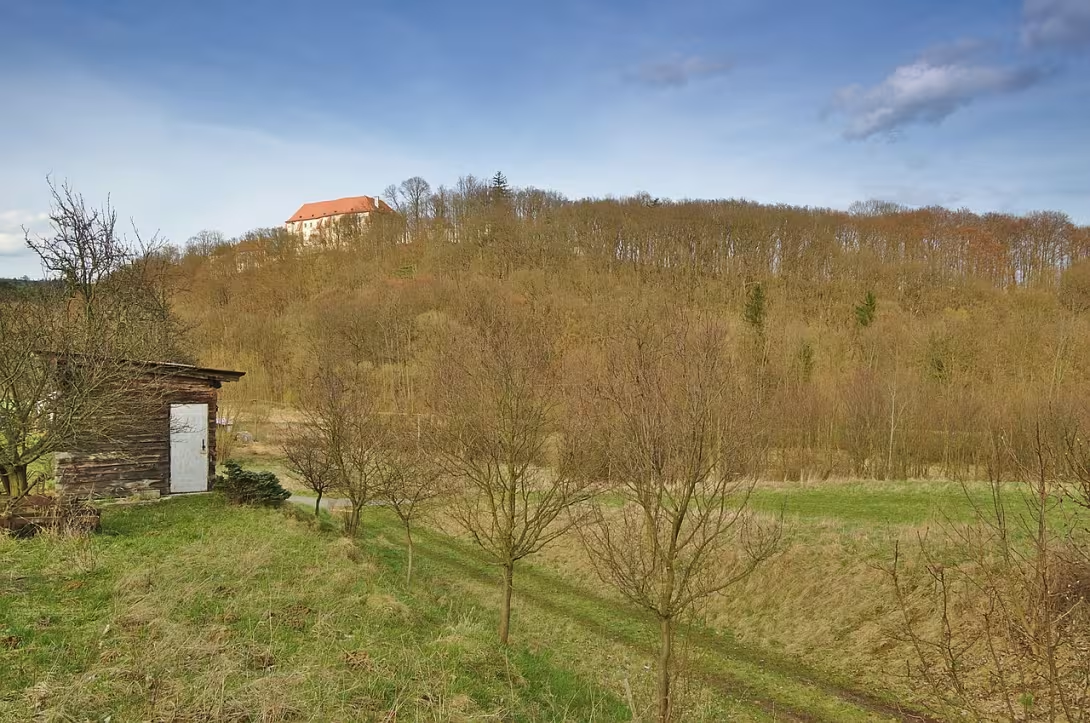

The historical appearance on the left is an AI-generated visualisation and serves as inspiration only.
Historical milestones
- 1581
- První dokumentovaná zmínka o pevnosti.
- 1623
- Albrecht von Wallenstein získal majetek a vytvořil park.
- 1635
- Zkonfiskování majetku Wallensteina, přechod pod Habsburky.
- konec 17. století
- Přestavba pevnosti na barokní zámek.
- 1824
- Josef Dresler zakoupil majetek a přidal Empire styl.
Architectural development
The original fortress was transformed into a baroque manor house during the late 17th century. In the early 19th century, it underwent remodeling to reflect the Empire architectural style under Josef Dresler's ownership. Further modernization occurred in the 1890s.
Historical events
In 1623, Albrecht von Wallenstein acquired the estate and established a large park.
In 1635, following the confiscation of Wallenstein's assets, the castle came under Habsburg control.
In 1824, Josef Dresler purchased the castle and had it remodeled in the Empire style.
Owners
Rod Radeckých (before 1623)
Albrecht z Valdštejna (1623-1635)
Habsburkové (1635-1824)
Josef Dresler (1824-1893)
Konrád Blaschke (1893-1945)
Stát Československý (post-1945)
Points of interest
- Despite its current dilapidated state, Castle Obora was once a vibrant estate with an extensive park established by Albrecht von Wallenstein in the early 17th century, which played a crucial role in its identity and allure.
- The castle's transformation from a fortress to a baroque manor house reflects not only architectural evolution but also significant social shifts, particularly during the late 17th century when it became part of a larger estate complex that included a stud farm.
- After Albrecht von Wallenstein’s assets were confiscated in 1635 by the Habsburgs, Castle Obora underwent numerous ownership changes and architectural modifications, illustrating how political upheavals directly impacted noble estates during the Thirty Years' War era.
- In the early 19th century, under Josef Dresler's ownership, the castle was remodeled to reflect Empire architectural style, showcasing a shift in aesthetic preferences that mirrored broader European trends of the time.
- Following World War II, Castle Obora served various roles, including as an agricultural school and housing for a state farm, highlighting its adaptability and continued relevance long after its prime as a noble residence.
Guide
This guide is narrated by a synthetic voice generated by artificial intelligence.
Show guide text
This text was created by artificial intelligence and has not been editorially reviewed. It may contain inaccuracies.
Zámek Obora no longer stands today. It was located in the eastern part of the village of Obora, which belongs to Chomuticích, about eight kilometers west of Hořic in eastern Bohemia.
On the site of today's Obora, the village of Radeč once lay, from which the Radeck family originated. The first written mention of the fortress here dates from 1581. In 1623, Albrecht of Wallenstein acquired Radeč and established an extensive game reserve there. The fortress then ceased to serve as a residence. It became an agricultural building and was incorporated into the stud farm complex.
After the confiscation of Wallenstein's property, it fell to Emperor Ferdinand the Third in 1635. The Habsburgs then held it until 1824. At the end of the seventeenth century, the fortress underwent a series of renovations and transformed into a Baroque castle, where the estate administrators were housed. At the same time, the old name of the village also disappeared. Instead of Radeč, it began to be called Obora.
In 1824, the castle was purchased by businessman Josef Dresler from Pecka, who lived from 1799 to 1867. He had it rebuilt in the style of Empire. From his descendants, the castle was purchased in 1893 by factory owner Konrád Blaschke from Český Dub, and in the nineties of the nineteenth century, he had the entire complex modernized.
In the first half of the twentieth century, the castle changed hands several times. In 1945, the state took it over as a confiscated property and placed an agricultural school there. After its closure in the seventies, the building served as apartments for the State Farm Hořice. After 1989, the castle passed into private hands. No one took care of it and the building deteriorated. In 2004, part of the building collapsed and later that same year, the demolition of the remains was ordered.
Businesses nearby
Do you run a restaurant, accommodation, shop, museum, rental, wellness or other visitor service near this monument? Show yourself directly to the people heading to it — this is how they will see you in the app and on the web:
Nearby
The area around Zámek Obora is characterized by its rural landscape, with the village of Chomutice nearby. The region features typical Czech countryside scenery.
Visualizations and artistic views


The visualisations are generated by artificial intelligence and serve as inspiration.
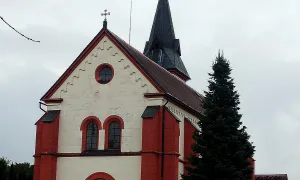
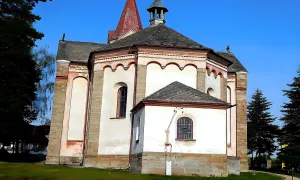
Photos from the area
Real photos taken near the monument

Zdroj a licence jsou uvedeny u každého snímku.
Tips from visitors
No tips yet. Be the first!
Log in and add your tip.
Sources and literature
Faktickým podkladem tohoto textu byl článek na Wikipedii, jehož autory jsou přispěvatelé Wikipedie. Článek je dostupný pod licencí CC BY-SA 4.0.
Location on the map

Příběhy a pověsti
Legendy, pověsti a příběhy spjaté s touto památkou
Fotografie návštěvníků
Zatím žádné fotografie. Buďte první, kdo přidá fotografii z návštěvy!
Log in a přidejte svou fotografii nebo hodnoťte.
Za ověřenou návštěvu v aplikaci získáte víc bodů — poznáme podle GPS, že jste na místě.
Reviews and comments