






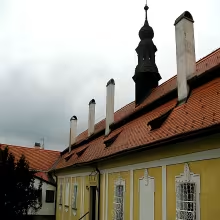
Zámek Palupín stands as a testament to architectural evolution and historical significance in southeastern Palupín, within the Strmilov municipality, nestled between Jindřichův Hradec and Telč. This cultural monument, registered in 1963, traces its origins back to a medieval fortress with documented history dating from 1358. Its transformation into an estate featuring baroque architectural elements in 1730 marks it as a notable site for those interested in the interplay of historical periods and styles.
The castle's origin is deeply rooted in the medieval era when Bohemia was part of the Holy Roman Empire, experiencing significant cultural and political developments. Zámek Palupín began as an integral component of a medieval fortress, with its earliest documented history dating back to 1358. Over time, it underwent several renovations while retaining key elements such as Romanesque walls and vaults. The most substantial transformation occurred in 1730 when the structure was extensively rebuilt into its current form—an estate characterized by baroque architectural features including a distinctive façade and interior designs.
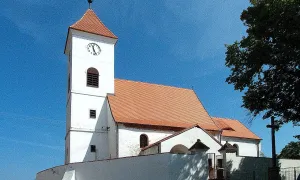
Architecturally, Zámek Palupín showcases a blend of styles that reflect its layered history. While it preserves Romanesque elements such as walls and vaults from its medieval origins, the 1730 reconstruction introduced baroque influences evident in both the exterior and interior design. This period marked a significant shift, transforming the fortress into an estate with a bell tower, aligning with broader European trends under the Habsburg Monarchy's influence during the early 18th century.
Ownership of Zámek Palupín has seen dramatic changes over the centuries. In 1919, Ernst or Arnold Schulz restructured the castle for agricultural and scientific purposes, marking a modernization phase that included significant alterations to its surrounding areas. However, in 1948, nationalization led to its use by a collective farm until 1990. The property was returned to the descendants of Schulz in 1994, who have since been involved in ongoing renovations.
Key events in the castle's history include its transformation into an estate with baroque elements in 1730 and its subsequent nationalization in 1948. These events highlight shifts not only in architectural style but also in ownership and function, reflecting broader socio-political changes over time. The demolition of a distillery during nationalization further underscores the impact of these historical transitions.
Today, Zámek Palupín is once again under private ownership by Schulz descendants who continue to restore and maintain its historic integrity. Visitors can explore this site that encapsulates centuries of architectural evolution and history, offering insights into both medieval and baroque periods. Its preservation as a cultural monument ensures that it remains an accessible testament to the region's rich heritage.
Zámek Palupín is more than just a historical structure; it is a narrative woven through time, reflecting changes in architecture, ownership, and purpose. For those interested in history and architecture, a visit offers a unique opportunity to step back into different eras and appreciate the enduring legacy of this remarkable site.
Historical milestones
- 1358
- Nejstarší dokumentovaná historie zámku Palupín.
- 1730
- Transformace na barokní sídlo s novou architekturou.
- 1919
- Zámek přestavěn pro zemědělské a vědecké účely.
- 1948
- Národnění a použití kolektivním statkem.
- 1994
- Vrácení vlastnictví potomkům Schulzů.
Architectural development
Zámek Palupín originated as part of a medieval fortress, with its earliest documented history from 1358. The structure underwent several renovations over the centuries, preserving Romanesque walls and vaults. In 1730, it was extensively rebuilt into an estate featuring baroque architectural elements. Further modernization for agricultural purposes occurred in 1919.
Historical events
In 1730, significant reconstruction transformed the medieval fortress into its current baroque estate form.
The castle and estate were nationalized in 1948 and used by a collective farm until 1990.
Owners
The castle was owned by Ernst / Arnold Schulz who restructured it for agricultural and scientific purposes in 1919. After nationalization in 1948, it was used by a collective farm until 1990. Since 1994, the property has been returned to the descendants of Ernst / Arnold Schulz.
Points of interest
- Zámek Palupín was originally part of a medieval fortress system in Bohemia, which played a strategic role during the turbulent times of the Holy Roman Empire, reflecting its importance in regional defense and politics.
- The castle's transformation into an estate with baroque elements in 1730 coincided with the reign of Empress Maria Theresa, whose reforms influenced architectural styles across her empire, including the introduction of baroque aesthetics in many Bohemian structures.
Guide
Show guide text
Welcome to the historic site of Zámek Palupín, a cultural monument nestled in the picturesque village of Palupín within the Strmilov municipality. As you stand before this architectural marvel, take a moment to absorb its grandeur and imagine the centuries it has witnessed.
The origins of Zámek Palupín trace back to 1358 when it was first documented as part of a medieval fortress system in Bohemia. This strategic location played a crucial role during the tumultuous times of the Holy Roman Empire, serving both defensive and political purposes. The castle's evolution over time reflects its adaptability and significance through various historical epochs.
As you gaze upon Zámek Palupín today, notice how it harmoniously blends elements from different architectural styles. While specific architects remain unknown, the transformation in 1730 is particularly noteworthy. During this period, the medieval fortress underwent significant reconstruction, evolving into a baroque estate. This era introduced new architectural flair with its distinctive baroque façade and interior designs, which are evident as you explore the site.
While wandering around, take special note of the bell tower that stands proudly, an addition from the 1730 transformation. Its presence adds to the castle's majestic silhouette against the landscape, inviting you to delve deeper into its storied past.
Throughout its history, Zámek Palupín has been home to many intriguing tales and figures, though specific historical personalities are not documented here. The castle itself is a testament to the resilience and ingenuity of those who shaped it over centuries. In 1919, it was repurposed for agricultural and scientific endeavors, reflecting its adaptability to changing times.
A fascinating chapter unfolded in 1948 when the estate underwent nationalization and became part of a collective farm. However, by 1994, ownership returned to the descendants of the Schulz family, marking a new era of restoration and preservation.
One captivating mystery surrounding Zámek Palupín is its strategic importance as part of Bohemia's medieval fortress system. This role during the Holy Roman Empire underscores its historical significance in regional defense and politics—a story that adds depth to your visit.
As you conclude your exploration, consider this site not just as a monument but as a living narrative woven through time. We invite you to continue discovering its secrets and perhaps uncover more about its past on future visits. Thank you for joining us at Zámek Palupín; we hope it has enriched your understanding of history and left you inspired by its enduring legacy.
Tips for visitors
The best time to visit Zámek Palupín is during the late spring or early autumn months, typically from May to September. During these times, the weather is usually pleasant for exploring the castle grounds and enjoying the surrounding countryside. Additionally, visiting in shoulder seasons can mean fewer crowds, allowing you a more intimate experience with this historical site.
Parking at Zámek Palupín is generally available near the entrance of the castle grounds. For those preferring public transport, there are bus services that connect nearby towns such as Jindřichův Hradec and Telč to Palupín. It's advisable to check local transportation websites or apps for the most current schedules and routes.
When visiting Zámek Palupín, it is recommended to bring comfortable walking shoes, a hat, sunscreen, and water, especially if you plan on spending time exploring the castle grounds and nearby areas. Depending on the weather, a light jacket might also be useful as temperatures can vary throughout the day.
For photography enthusiasts, some of the best spots at Zámek Palupín include the main entrance and the surrounding gardens where natural lighting is optimal during sunrise or late afternoon. These times provide soft, diffused light that enhances the architectural details of the castle. Additionally, capturing images from higher vantage points within the castle can offer stunning views of the Czech countryside.
Within a 30-minute drive from Zámek Palupín, visitors can explore nearby Jindřichův Hradec and Telč. Jindřichův Hradec is known for its historical architecture and vibrant cultural scene, while Telč offers beautifully preserved Renaissance buildings and charming streetscapes. Both locations provide excellent opportunities to experience more of the region's rich history and culture.
For families with children visiting Zámek Palupín, consider bringing along a picnic lunch to enjoy in the castle grounds or nearby parks. The open spaces are ideal for children to run around and explore. Additionally, engaging your kids with stories about medieval life at the castle can make the visit more interactive and educational.
Businesses nearby
Do you run a restaurant, accommodation, shop, museum, rental, wellness or other visitor service near this monument? Show yourself directly to the people heading to it — this is how they will see you in the app and on the web:
Nearby
Located in the southeastern part of Palupín, Zámek Palupín is near Jindřichův Hradec and Telč. The surrounding landscape includes typical Czech countryside features.
Accommodation nearby
Trips and activities nearby
Guided tours, tickets and activities nearby from GetYourGuide
Search tours and activities →Themed route
Thematic Walking Tour: Zámek Palupín and Surroundings
1. Zámek Palupín (Castle) - Type: Historical Castle - Why Visit: Begin your journey at the heart of this tour, Zámek Palupín, a quintessential example of Czech baroque architecture nestled in the southeastern part of Palupín. The castle's rich history and stunning gardens provide an immersive experience into the region's cultural heritage.
2. Jindřichův Hradec (Town) - Type: Historical Town - Why Visit: Approximately a 30-minute drive from Zámek Palupín, Jindřichův Hradec offers a delightful exploration of medieval streets and Renaissance architecture. The town is known for its vibrant cultural scene and historical landmarks, making it an ideal stop to appreciate the broader historical context of the region.
3. Telč (Town) - Type: Historical Town - Why Visit: About an hour's drive from Zámek Palupín, Telč is renowned for its well-preserved medieval town center and Baroque architecture. A UNESCO World Heritage site, it provides a picturesque setting with charming squares and traditional Czech houses that are perfect for leisurely strolls and photography.
This tour offers a blend of architectural beauty and historical exploration, connecting the serene ambiance of Zámek Palupín with the rich cultural tapestry of nearby Jindřichův Hradec and Telč.
Seasonal recommendations
Spring: Visiting the Palupín Castle during spring offers a unique experience as nature awakens around this historic site. The castle grounds are adorned with vibrant wildflowers and lush greenery, providing a picturesque backdrop that enhances the charm of the medieval architecture. As daylight extends into the evening, visitors can enjoy extended hours exploring the castle's interiors and gardens under soft natural lighting. It is advisable to wear comfortable walking shoes as paths may be damp from spring rains, and carrying an umbrella or raincoat could be beneficial. Spring tends to attract fewer tourists compared to summer, making it a pleasant time for those seeking a more tranquil visit.
Summer: Summer at Palupín Castle is characterized by its lively atmosphere and extended daylight hours that allow for prolonged exploration of the site. The surrounding landscape bursts with color as gardens flourish under the warm sun, creating an idyllic setting perfect for photography enthusiasts. This period often sees higher visitor numbers due to school holidays and favorable weather conditions. To avoid crowds, consider visiting early in the morning or later in the afternoon. Light, breathable clothing is recommended to stay comfortable during your visit, along with a hat and sunscreen to protect against the sun.
Autumn: The autumn season transforms Palupín Castle into a serene haven of warm hues as the foliage changes color around this historic site. The cooler temperatures provide a refreshing environment for exploring both indoor exhibits and outdoor areas without the summer heat. While daylight hours shorten, the soft autumn light adds a magical quality to the castle's surroundings. This is an ideal time for those who appreciate a quieter visit with fewer tourists. Layered clothing is advisable as temperatures can vary throughout the day, ensuring warmth during cooler mornings or evenings.
Winter: Winter at Palupín Castle offers a unique and enchanting experience, as snow blankets the surrounding landscape, adding a fairy-tale quality to this historic site. The castle's architecture takes on a dramatic appearance against the stark winter backdrop, making it an excellent time for photography. However, visitors should be prepared for shorter opening hours due to inclement weather conditions. It is essential to dress warmly in layers and wear sturdy footwear with good traction to navigate potentially icy paths safely. Despite fewer visitors during this season, the castle's charm remains undiminished, providing a peaceful atmosphere for those who venture out during winter months.
Visualizations and artistic views

Vizualizace jsou generovány umělou inteligencí a slouží jako inspirace.


Tips from visitors
No tips yet. Be the first!
Log in and add your tip.


Reviews and comments